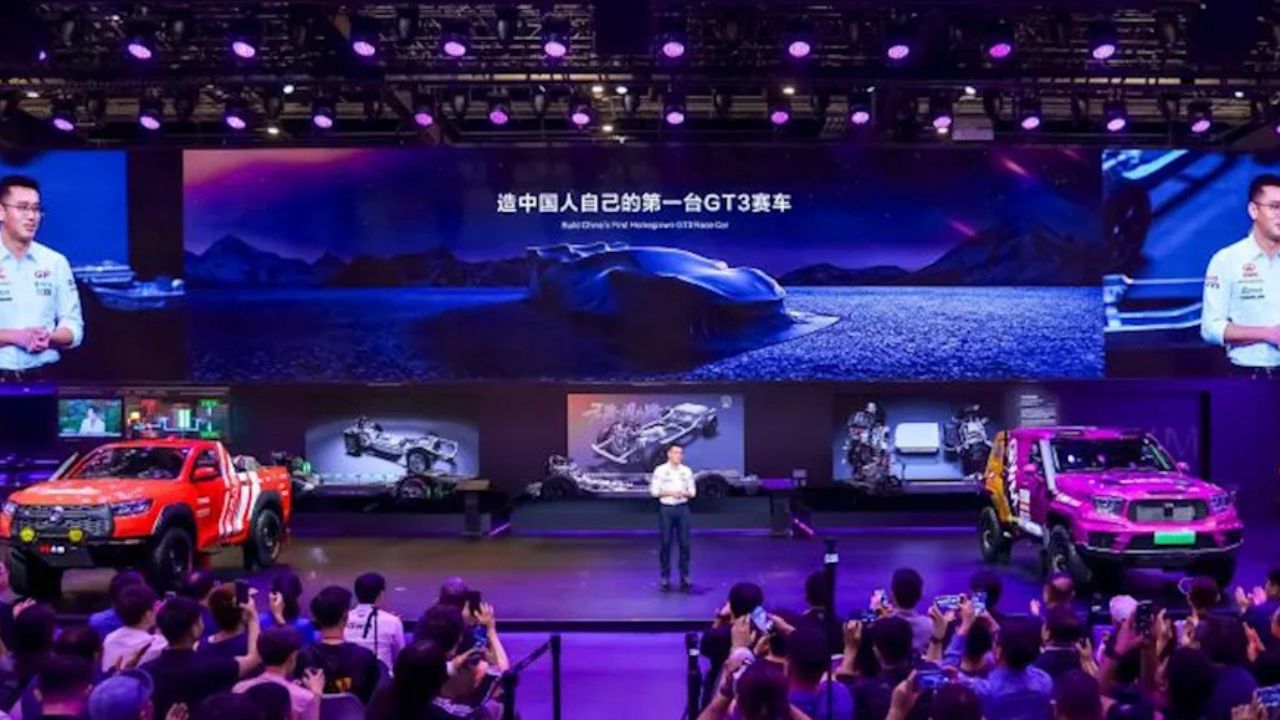
The Chinese automotive industry is making waves on the global stage, particularly with Great Wall Motor’s latest ambitious project—a supercar designed to rival the legendary Ferrari. This bold move not only showcases China’s growing prowess in high-performance vehicles but also represents a significant shift in the supercar market.
The Rise of Great Wall Motor
Great Wall Motor, established in 1984, has steadily transformed from a local automotive manufacturer into a formidable player on the global stage. With a focus on SUVs and pickup trucks, the company has recorded impressive growth, becoming one of China’s largest automotive brands. Over the years, Great Wall Motor has achieved several milestones, including the launch of successful models like the Haval H6 and the Wingle series, which have captured significant market shares both domestically and internationally.
The company’s strategic decisions, such as investing heavily in research and development, have positioned it well to enter the luxury market. Great Wall’s commitment to innovation is evident in its expansion plans, including the establishment of high-tech production facilities and partnerships with international automotive technology firms. This approach has not only enhanced its credibility but has also paved the way for its foray into the luxury segment, culminating in the ambitious supercar project aimed squarely at brands like Ferrari.
Understanding the Supercar Market
The supercar market, characterized by high-performance vehicles with price tags often exceeding several hundred thousand dollars, is dominated by established brands such as Ferrari, Lamborghini, and McLaren. These brands have built a legacy based on performance, exclusivity, and luxury, making it challenging for newcomers to penetrate the market. However, recent trends show a growing interest in electrification and sustainability, which presents a unique opportunity for emerging players like Great Wall Motor.
Consumer preferences in the supercar segment are evolving, with buyers increasingly seeking not just speed and power but also technological innovation and sustainability. As electric and hybrid supercars gain traction, brands that can effectively combine performance with eco-friendliness stand to capture the attention of a new generation of buyers. Luxury branding remains crucial in this market; consumers are willing to pay a premium for prestige, heritage, and a sense of belonging to an exclusive club.
The Ambitious Supercar Project
Great Wall Motor’s new supercar project represents a significant leap for the brand as it seeks to challenge the likes of Ferrari. The yet-to-be-named model promises to embody cutting-edge design and engineering, focusing on aerodynamics and lightweight materials to enhance performance. Initial teasers suggest a sleek, aggressive exterior, drawing inspiration from both modern aesthetics and classic supercar silhouettes.
Under the hood, this supercar is expected to feature a high-performance V8 engine, with specifications that aim to match or even exceed those of Ferrari’s current offerings. Great Wall Motor is also investing in advanced technological innovations such as adaptive suspension systems, advanced aerodynamics, and regenerative braking systems that align with the growing trend towards electric vehicles. The target performance metrics are ambitious, with a goal of achieving 0 to 60 mph in under three seconds, showcasing the brand’s commitment to performance excellence.
Benchmarking Against Ferrari
Ferrari has long held a prestigious position in the supercar market, a status built on decades of racing heritage and engineering prowess. With models like the Ferrari 488 and the SF90 Stradale, the brand has set benchmarks for performance, design, and technology. To effectively challenge this dominance, Great Wall Motor must not only produce a visually stunning supercar but also ensure that it delivers unmatched performance and driving experience.
One of the key attributes of Great Wall’s new supercar is its competitive pricing strategy. While Ferrari models often come with hefty price tags, Great Wall Motor aims to offer a compelling alternative that doesn’t compromise on quality. By positioning the supercar at a more accessible price point, the brand hopes to attract affluent buyers who are interested in performance but also value for money. This approach could disrupt the current market dynamics and appeal to a wider range of consumers.
Technological Innovations at the Core
At the heart of Great Wall Motor’s supercar project is a commitment to technological innovation. The company is integrating state-of-the-art technologies that not only enhance performance but also prioritize sustainability. For instance, the new supercar is expected to feature hybrid technology, combining a combustion engine with electric motors to improve efficiency and reduce emissions, aligning with global trends towards greener automobiles.
Advanced manufacturing techniques will also play a crucial role in the production of this supercar. Great Wall Motor is leveraging cutting-edge robotics and 3D printing technologies to streamline production processes, ensuring precision and quality. This approach not only enhances the vehicle’s performance capabilities but also reduces production costs, allowing the company to invest more in research and development for future models.
Marketing Strategies to Capture the Luxury Market
Great Wall Motor is keenly aware that entering the luxury market requires more than just a great product; it demands a strategic marketing approach. The company plans to launch a series of high-impact marketing campaigns that emphasize the supercar’s unique features, performance capabilities, and innovative technologies. Targeting affluent consumers, Great Wall aims to position itself as a luxury brand that offers both prestige and performance.
Collaborations with influencers and automotive experts will be crucial in building credibility and generating buzz around the supercar. By engaging with respected figures in the automotive industry, Great Wall Motor seeks to enhance its brand image and create a narrative that resonates with potential buyers. The use of social media platforms and exclusive events will also play a significant role in reaching target demographics, showcasing the supercar in environments that evoke luxury and exclusivity.
Challenges Ahead for Great Wall Motor
Despite the ambitious plans for its supercar, Great Wall Motor faces several challenges as it enters the competitive landscape of luxury performance vehicles. One of the most significant obstacles is overcoming consumer perceptions of Chinese brands in the luxury segment. Historically, many consumers have associated luxury with established European brands, and changing this mindset will require substantial effort and investment in branding.
Additionally, regulatory hurdles and logistical challenges in global markets could impede Great Wall Motor’s expansion plans. Navigating different automotive regulations, tariffs, and trade policies will require careful planning and strategy. The company must also ensure that its supply chains are robust enough to support the high production standards expected in the supercar market, which could complicate its growth trajectory.
Expert Opinions and Industry Reactions
Insights from automotive experts and industry analysts indicate a mix of optimism and skepticism regarding Great Wall Motor’s supercar ambitions. While some experts applaud the company’s willingness to challenge established players like Ferrari, others caution that entering this elite market is fraught with challenges. The consensus is that if Great Wall can deliver on its promises, it could significantly alter the landscape of the supercar market.
Competitors within the luxury segment are already taking notice of Great Wall Motor’s intentions. Established brands are likely to respond by reinforcing their own unique selling propositions, whether through enhanced performance, exclusive features, or improved customer experiences. Consumer sentiment appears cautiously optimistic, with early responses highlighting curiosity and interest in the new supercar, particularly concerning its price and performance metrics compared to existing models.
More from Fast Lane Only