Automotive history is full of engines that lived up to expectations, but a select few managed to exceed them. Occasionally, manufacturers released powerplants with official ratings that seemed respectable yet unremarkable, only for engineers, racers, and enthusiasts to discover that the engines were producing far more power than anyone expected. Whether due to conservative factory ratings, testing methods, or corporate politics, these engines developed reputations for delivering performance that exceeded what was printed in sales brochures.
The phenomenon was especially common during the muscle car era, when insurance companies, racing regulations, and internal company policies often influenced how horsepower figures were reported. In some cases, engineers themselves were surprised when real-world testing revealed just how capable an engine truly was.
Horsepower ratings did not always tell the full story
During the 1960s and early 1970s, official horsepower numbers were not always intended to represent an engine’s absolute potential. Manufacturers sometimes used conservative figures for various reasons, including insurance concerns and marketing strategies.
A lower advertised rating could help make a performance car more affordable to insure while still allowing enthusiasts to enjoy impressive acceleration. Engineers occasionally discovered that production engines consistently exceeded their published output once independent testing began.
This gap between advertised and actual performance helped create some of the most legendary engines in automotive history.
The Chevrolet L88 became a famous example
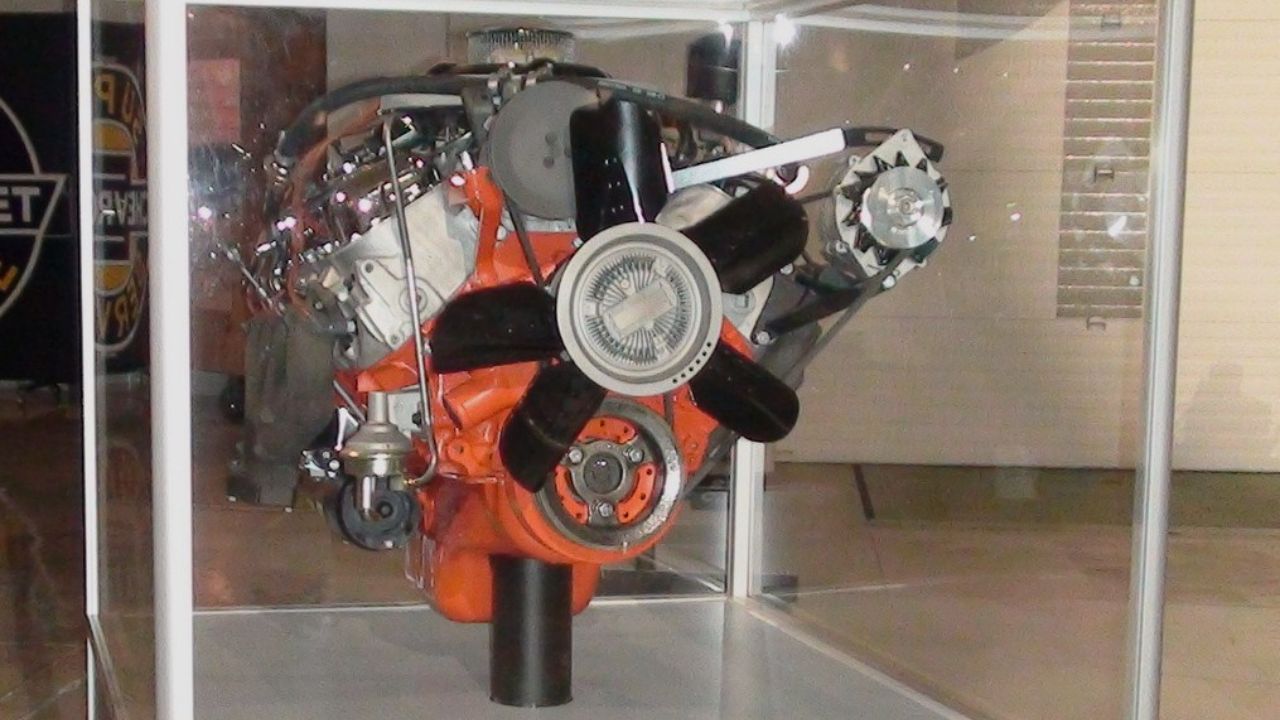
One of the best-known cases involved Chevrolet’s L88 427 V8. Officially, the engine was rated at 430 horsepower, a figure that already sounded impressive for its time.
However, enthusiasts and racers quickly suspected the number was far too low. The L88 featured high-compression internals, aggressive camshaft specifications, and racing-oriented hardware that suggested significantly greater capability.
As testing and racing results accumulated, it became clear that the engine was producing substantially more power than advertised. Many experts have estimated actual output well above 500 horsepower in factory form, transforming the L88 into one of the most respected performance engines of its era.
Racing development revealed hidden potential
Many underrated factory engines benefited from lessons learned in motorsports. Engineers often designed components capable of handling demanding racing conditions, even when those capabilities were not fully reflected in official specifications.
Strong bottom ends, high-flow cylinder heads, and robust valvetrain designs frequently provided performance reserves that exceeded expectations. Once racers began modifying and testing these engines, their true capabilities became difficult to ignore.
The result was a growing realization that some production engines had been significantly underrated from the beginning.
Corporate policies sometimes encouraged conservative ratings
Several manufacturers faced internal restrictions regarding horsepower claims. Company executives occasionally worried about public perception, government scrutiny, or competition between divisions.
As a result, engineers sometimes found themselves working with engines that performed beyond their official ratings. While the published numbers satisfied corporate requirements, real-world performance told a different story.
This created situations where vehicles appeared less powerful on paper than they actually were on the street or track.
The 426 Hemi earned a similar reputation
Chrysler’s legendary 426 Hemi provides another example of an engine whose reputation eventually exceeded its factory numbers.
Officially rated at 425 horsepower, the Street Hemi quickly became known as one of the most formidable engines available during the muscle car era. Its massive cylinder heads, hemispherical combustion chambers, and race-inspired design suggested performance capabilities beyond the published figure.
Many enthusiasts believed the engine’s actual output was significantly higher than advertised, helping cement its status as one of the most feared powerplants of its generation.
Real-world testing changed perceptions
Independent automotive magazines played an important role in uncovering the truth about certain engines. Road tests, drag strip results, and dynamometer evaluations often revealed performance levels that seemed inconsistent with official horsepower ratings.
When vehicles repeatedly produced acceleration times faster than expected, enthusiasts began questioning manufacturer claims. Engineers, journalists, and racers alike became increasingly aware that some engines were delivering more power than their specifications suggested.
These discoveries fueled the legends surrounding many iconic performance engines.
Strong engineering left room for growth
Another factor contributing to unexpected performance was the tendency of some manufacturers to overengineer critical components.
Forged crankshafts, heavy-duty connecting rods, durable engine blocks, and efficient cylinder heads provided foundations capable of supporting significantly more power than stock configurations produced.
As owners modified these engines, they often discovered remarkable tuning potential. What began as a strong factory engine frequently evolved into something even more impressive, reinforcing the belief that engineers had created far more capability than the official ratings revealed.
Modern enthusiasts continue uncovering the truth
Decades later, advances in testing technology have allowed enthusiasts to evaluate classic engines more accurately than ever before.
Modern dynamometers and detailed engine analysis have confirmed what many suspected all along: several famous factory engines produced considerably more power than their published figures indicated.
These findings have only enhanced their reputations. What once seemed like rumors or enthusiast exaggerations are increasingly supported by evidence showing that certain engines genuinely exceeded expectations.
When reality outperformed the brochure
The most memorable performance engines are often those that surprised everyone involved. Whether through conservative ratings, corporate decisions, or hidden engineering potential, these powerplants delivered results that exceeded what buyers thought they were getting.
Engines like Chevrolet’s L88 427 and Chrysler’s 426 Hemi became legends not simply because of their official specifications, but because their real-world performance consistently outshined the numbers on paper. Their stories serve as reminders that horsepower ratings do not always tell the whole story, and sometimes the most impressive achievements happen after the engine leaves the factory.
More from Fast Lane Only
- Unboxing the WWII Jeep in a Crate
- 15 rare Chevys collectors are quietly buying
- 10 underrated V8s still worth hunting down
- Police notice this before you even roll window down
*Research for this article included AI assistance, with all final content reviewed by human editors