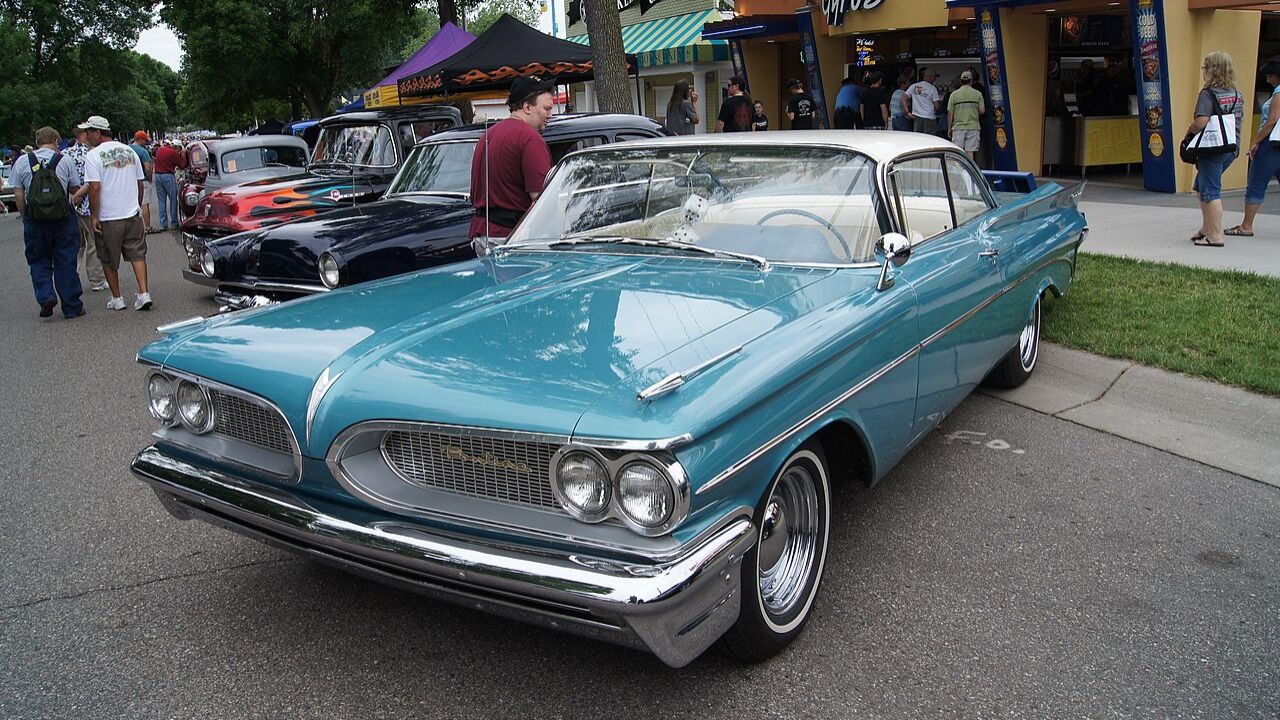
Pontiac built its reputation on exciting styling and strong performance, but many of its best vehicles also earned respect in repair shops. Some models stood out for their dependable engines, straightforward engineering, and components that held up well over years of use. While they may not always top collector wish lists, these Pontiacs have developed a reputation among mechanics as cars that were thoughtfully designed and built to last.
Pontiac GTO (1964–1967)
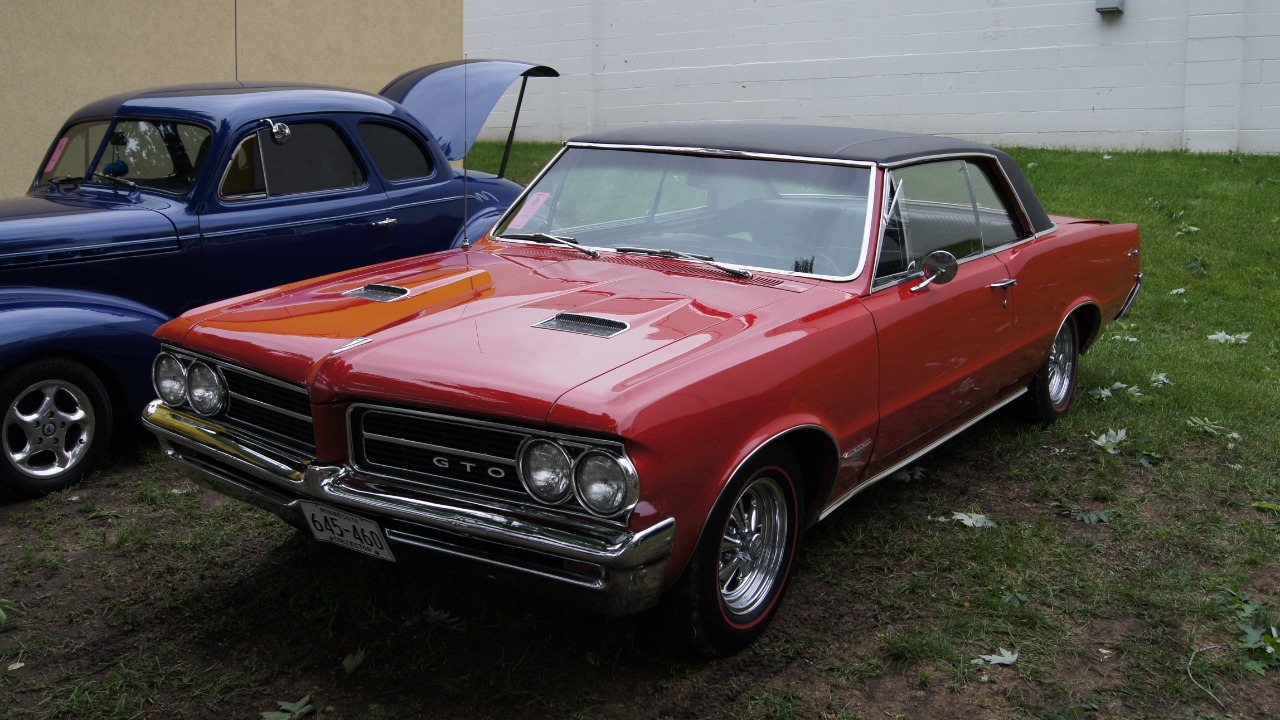
The first-generation Pontiac GTO is remembered as one of the original muscle cars, but mechanics also appreciate its simple and durable engineering. Its robust V8 engines are known for their longevity when properly maintained, and the straightforward layout makes routine servicing relatively easy. Strong aftermarket support and widely available replacement parts have helped keep these classics on the road for decades.
Pontiac Firebird Trans Am (1977–1981)
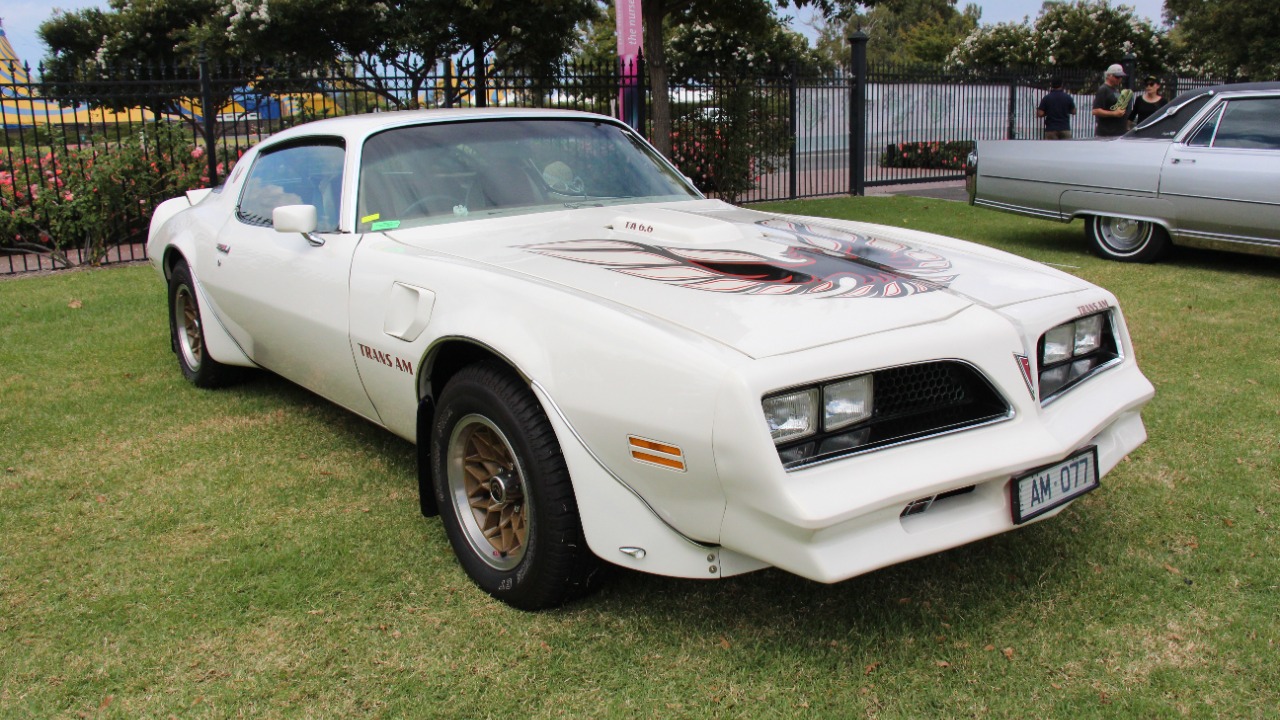
The late second-generation Firebird Trans Am combined iconic styling with dependable Pontiac V8 power. While performance varied depending on the engine, the cars were mechanically simple and relatively easy to repair. Mechanics value their accessible engine bays and durable drivetrains, while owners continue to enjoy a classic American muscle car that can be maintained without excessive complexity.
Pontiac Grand Prix (1997–2003)
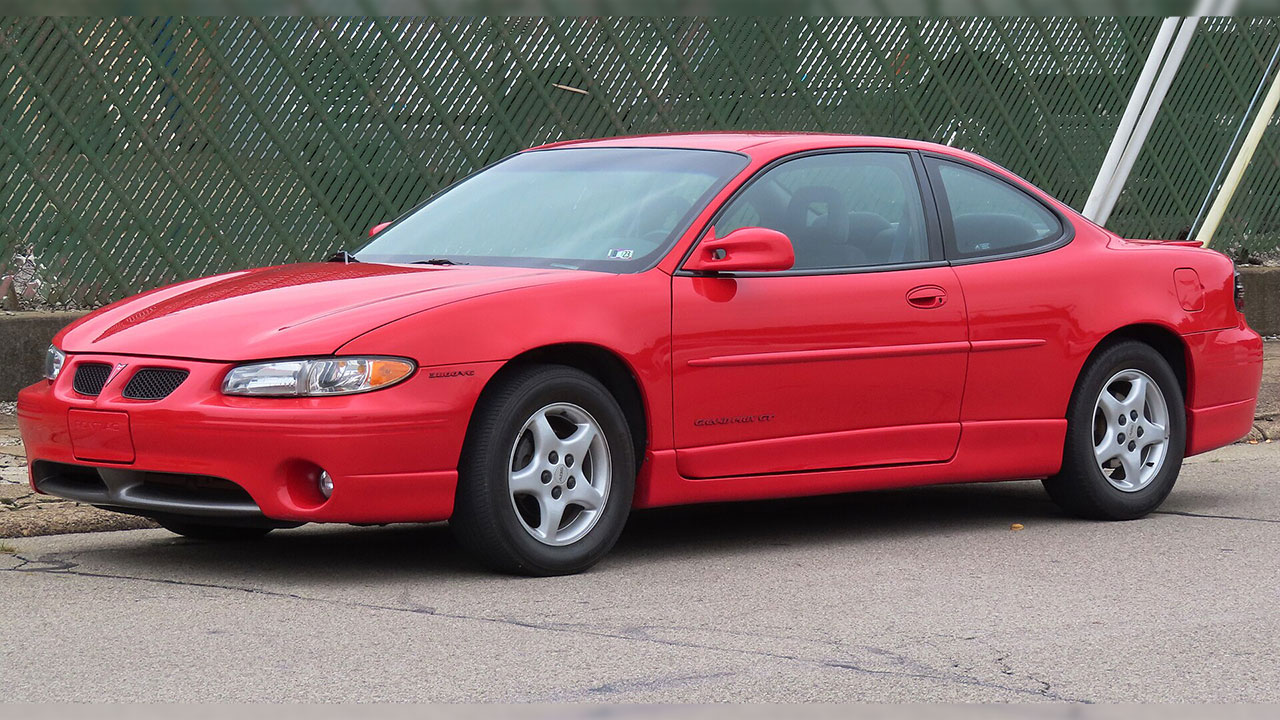
The sixth-generation Grand Prix earned praise for offering reliable transportation with capable V6 engines, particularly models equipped with the naturally aspirated 3800 Series II. Mechanics often recommend these cars because the drivetrain has a proven record of durability, and replacement parts remain plentiful. With routine maintenance, many Grand Prix models have comfortably exceeded high mileage.
Pontiac Bonneville (1992–2005)

The Pontiac Bonneville became a favorite among drivers seeking comfort and reliability, especially when paired with the dependable 3800 V6 engine. Mechanics appreciate the engine’s reputation for lasting well beyond 200,000 miles with regular maintenance. Combined with a comfortable ride and relatively simple mechanical systems, the Bonneville remains one of Pontiac’s most respected full-size sedans.
Pontiac Vibe

Developed through a partnership with Toyota, the Pontiac Vibe combined Pontiac styling with proven Japanese engineering. Sharing many components with the Toyota Matrix, it quickly developed a reputation for reliability and low maintenance costs. Mechanics frequently recommend the Vibe because its dependable powertrains, practical design, and affordable repairs make it an excellent long-term vehicle.
Pontiac Fiero GT (1986–1988)
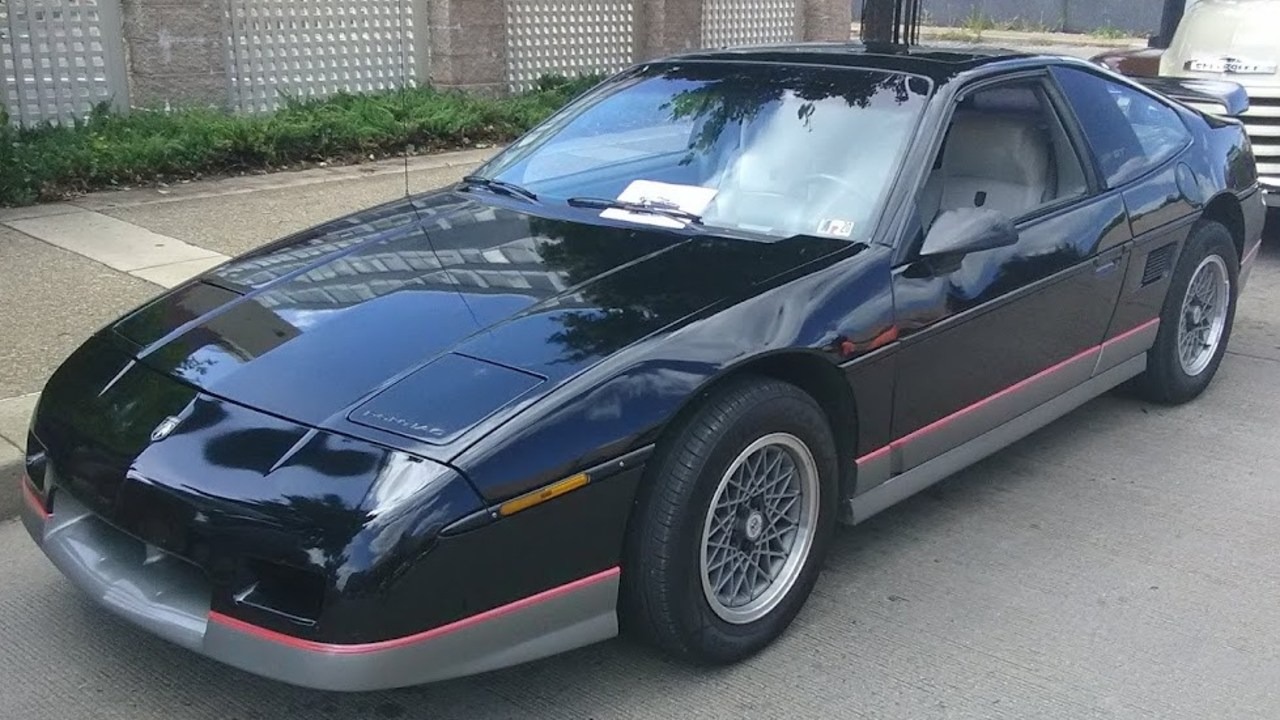
Although early Fieros suffered from well-publicized problems, later GT models benefited from significant engineering improvements. Mechanics often point out that the 1986 through 1988 versions resolved many of the earlier issues while delivering a unique mid-engine driving experience. Their improved suspension, stronger components, and distinctive design have helped these later Fieros gain renewed respect among enthusiasts.
Pontiac Catalina
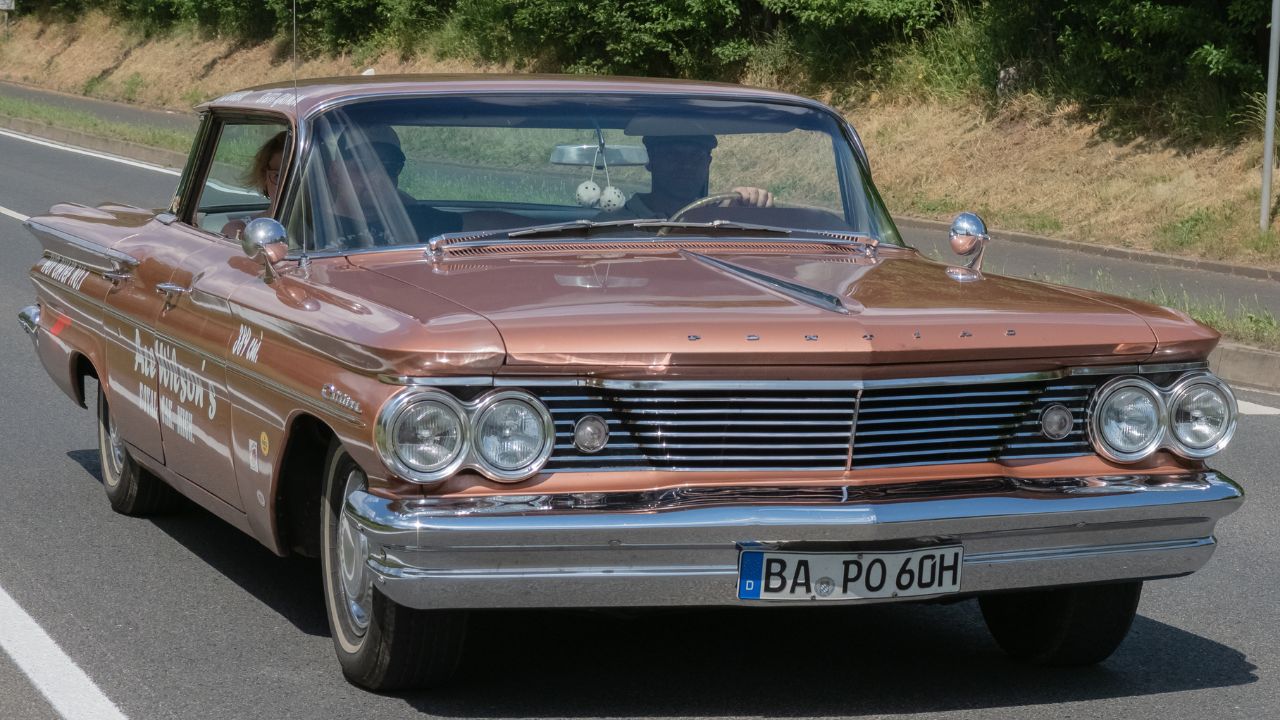
The Pontiac Catalina built its reputation on durability, straightforward construction, and dependable V8 power. Popular as a family sedan and fleet vehicle, it was designed to handle years of regular driving with relatively simple maintenance. Mechanics appreciate its spacious engine compartment and conventional mechanical layout, making repairs far easier than on many newer vehicles.
Pontiac LeMans
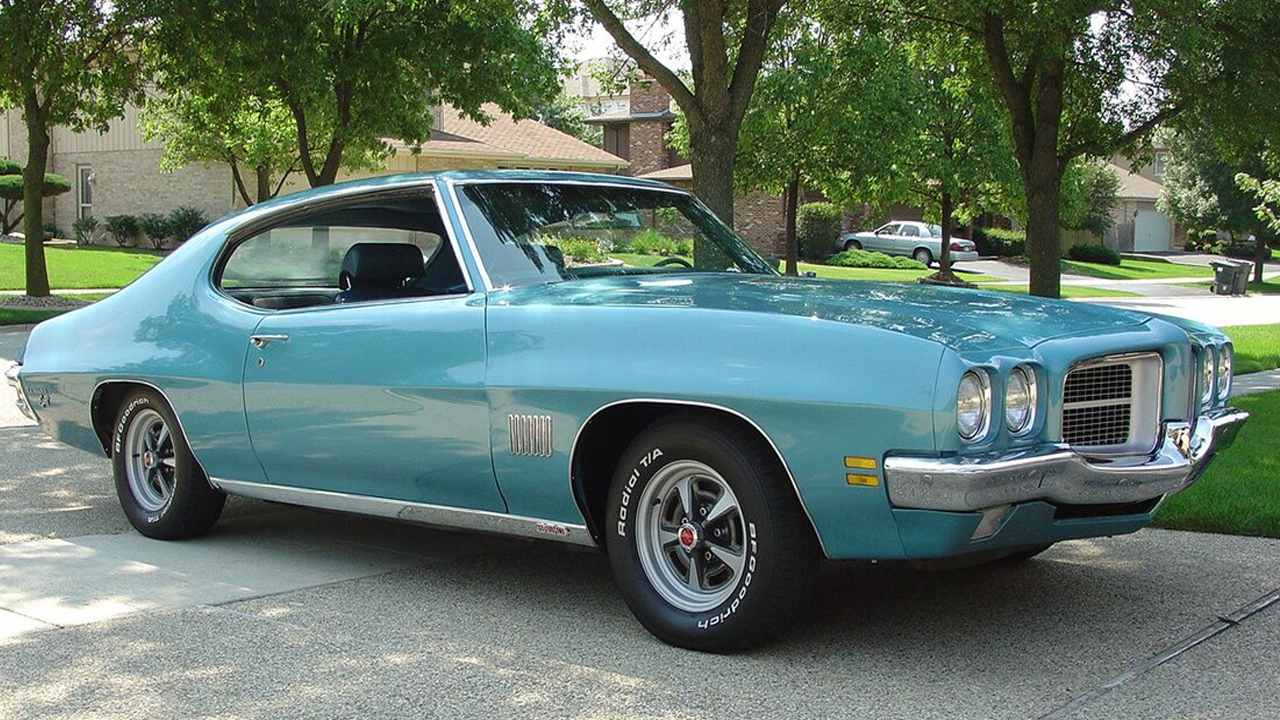
The Pontiac LeMans offered dependable transportation in a variety of body styles while sharing many proven General Motors components. Its straightforward engineering and reliable small-block V8 options made servicing relatively simple. Mechanics value the availability of replacement parts and the uncomplicated design, both of which have helped many LeMans models remain on the road long after their production ended.
Pontiac Tempest

The Pontiac Tempest introduced several innovative features throughout its production, yet later versions earned praise for their dependable engines and durable construction. Mechanics often appreciate the model because many components are shared with other General Motors vehicles, making repairs and restoration more manageable. Its combination of practicality and classic styling has helped the Tempest maintain a loyal following.
Pontiac G8

The Pontiac G8 arrived near the end of the brand’s history but quickly impressed enthusiasts and mechanics alike. Powered by reliable V6 and V8 engines, including the highly regarded LS-series V8 in GT and GXP models, it offered impressive performance with proven mechanical components. Its solid engineering, rear-wheel-drive platform, and durable drivetrain have helped the G8 become one of Pontiac’s most respected modern vehicles.
More from Fast Lane Only
- Unboxing the WWII Jeep in a Crate
- 15 rare Chevys collectors are quietly buying
- 10 underrated V8s still worth hunting down
- Police notice this before you even roll window down
*Research for this article included AI assistance, with all final content reviewed by human editors.