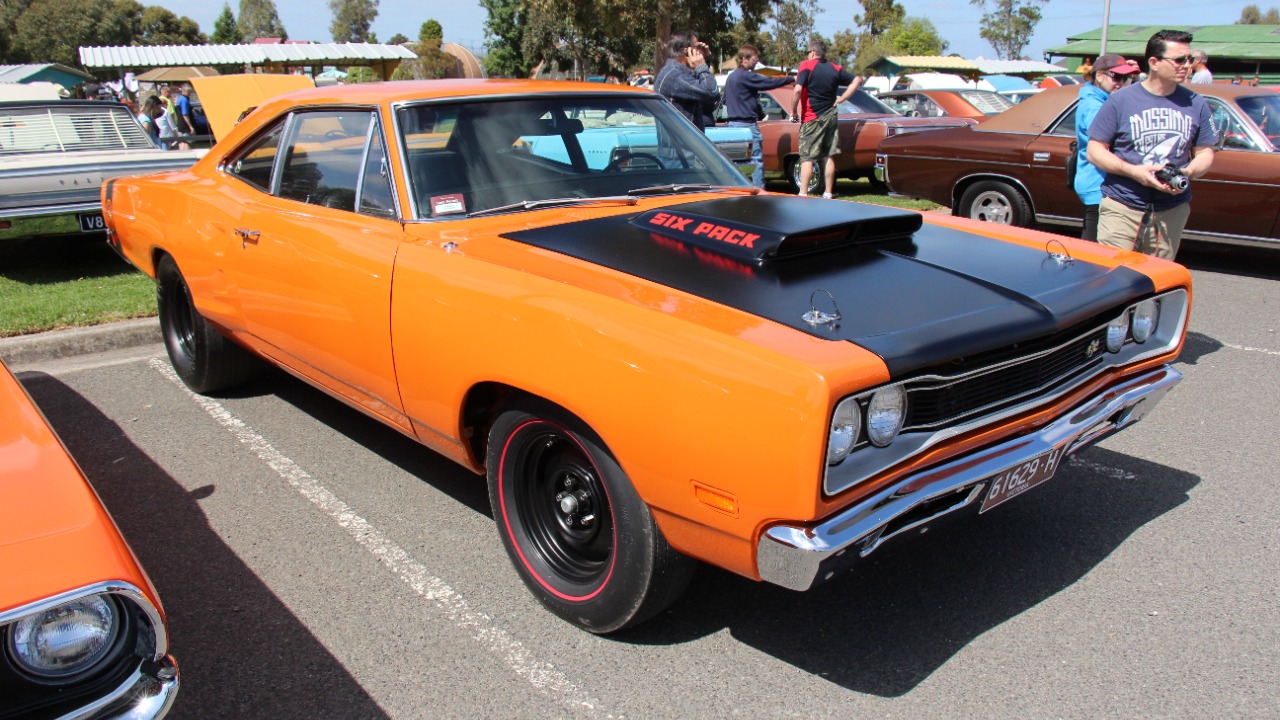
There are fast cars, and then there are cars that arrive like a dare. One particular muscle car landed in showrooms with the kind of acceleration people usually only brag about after a track day, not a trip to the grocery store. It looked familiar enough—big stance, loud presence, classic proportions—but the speed it served up was on a different level.
Buyers thought they were getting a modern take on an old-school formula: lots of power, a little drama, and plenty of noise. What many weren’t prepared for was how quickly that drama could turn into real consequences. The car didn’t just feel quick; it felt like it had been tuned for people who already knew exactly what they were doing.
A muscle car that hit harder than the brochure implied
The numbers were right there on paper—big horsepower, big torque, and a 0–60 time that flirted with supercar territory. But spec sheets don’t always translate into what it feels like when the rear tires break loose at highway speeds. The shock wasn’t that it was powerful; it was how effortlessly it delivered that power.
Part of the surprise came from how “normal” it could seem at first. Put it in a calm driving mode and it would behave, cruising politely and blending in like any other big coupe. Then a little more throttle would wake it up, and suddenly the car was doing something your brain hadn’t approved yet.
Modern power met old instincts
Muscle cars have always had a reputation for being a bit rowdy, but modern engineering changed the stakes. With better fueling, stronger internals, and increasingly aggressive factory tunes, the ceiling climbed fast. The result was a street car that could produce huge thrust without the rough edges that used to warn you things were getting serious.
That’s the tricky part: older performance cars often gave you plenty of feedback before they got away from you. This one could feel smooth and composed right up until it wasn’t. It rewarded good habits, but it also punished casual mistakes with way more speed than most drivers had ever managed on public roads.
The traction-control dilemma
Of course, it came with traction control and stability systems, and they did a lot of heavy lifting. The problem is that many owners treated those systems like a challenge rather than a safety net. A few button presses could loosen the electronic leash, and suddenly the car was asking for skill instead of confidence.
Even with the helpers on, physics still had a vote. Cold tires, uneven pavement, or a bit of rain could turn a hard launch into a sideways story. And because the car accelerated so quickly, those “oops” moments arrived sooner than people expected.
Why it felt faster than other cars with similar numbers
Not all speed feels the same, and this muscle car’s speed had a particular flavor: instant, torque-heavy, and a little intimidating. When a car delivers a big hit of power low in the rev range, it feels like it’s yanking the road toward you. That sensation can be more startling than a high-revving engine that builds power gradually.
The gearing and throttle response also played a role. A responsive pedal can make a car feel alive, but it can also make small inputs feel like big decisions. Add in a loud exhaust note and a cabin that amplifies the experience, and it’s easy to understand why first-time drivers sometimes got wide-eyed.
Dealers quietly adjusted their approach
After the initial excitement, some dealers started handling test drives a little differently. Shorter routes, more pre-drive reminders, and a bit of “please don’t do that” energy became common. Nobody wanted a viral clip of a brand-new muscle car leaving the lot and immediately trying to become modern art.
It wasn’t about shaming buyers; it was about setting expectations. When a car can reach silly speeds in a few heartbeats, the usual “take it around the block” routine doesn’t always make sense. People needed context for what they were stepping into, especially if their last performance car was from a gentler era.
Insurance, reality checks, and the cost of thrills
Another sign that the car’s performance was a bit ahead of the average buyer showed up in insurance conversations. High power-to-weight ratios and real-world incident data tend to get noticed quickly by the folks who set premiums. Some owners found out the monthly cost of excitement wasn’t just fuel and tires.
And tires really were part of the story. With this much torque, rear rubber could disappear faster than most people planned for, especially if “spirited driving” happened often. Maintenance didn’t necessarily become exotic, but it did become less forgiving of neglect.
The buyer split: weekend weapon or daily temptation
Owners tended to fall into two camps. Some treated it like a special-occasion machine, saving the hard pulls for open roads and perfect weather. Others tried to daily-drive it like a regular car, which is totally possible—right up until a bad moment lines up with a heavy foot.
That split shaped the car’s reputation. In the right hands it was an absolute blast, a modern muscle masterpiece that felt worth every penny. In the wrong moment, it could feel like it had more performance than the situation—or the driver—could comfortably manage.
What it taught the market about “too fast for the street”
This car didn’t just push the limits of what a factory muscle car could do; it pushed expectations for who those cars were for. The performance used to come with obvious trade-offs: rough ride, sketchy handling, finicky behavior. Here, the trade-off was subtler—capability so high that it could outpace a driver’s experience without warning.
It also made one thing clear: the line between muscle car and supercar performance has gotten blurry. When a mainstream badge can deliver acceleration that once belonged to six-figure exotics, the responsibility shifts a bit. The car isn’t “bad” or “dangerous” on its own; it’s simply powerful enough that it demands respect, even when it’s idling calmly at a stoplight.
Why people still can’t stop talking about it
Despite the learning curve, the affection remains strong because the experience is so addictive. The engine note, the shove in the back, the way it devours straightaways—it’s the kind of fun that makes passengers laugh and drivers swear they’ll be responsible next time. It’s also a reminder that speed is intoxicating, even when you think you’re being sensible.
In a world where many cars feel filtered and quiet, this one felt honest. It delivered exactly what the muscle-car myth always promised, just with modern execution and a lot more bite. And that’s why it earned its reputation: it wasn’t merely quick—it was quicker than many buyers were prepared for, and it never pretended otherwise.
More from Fast Lane Only