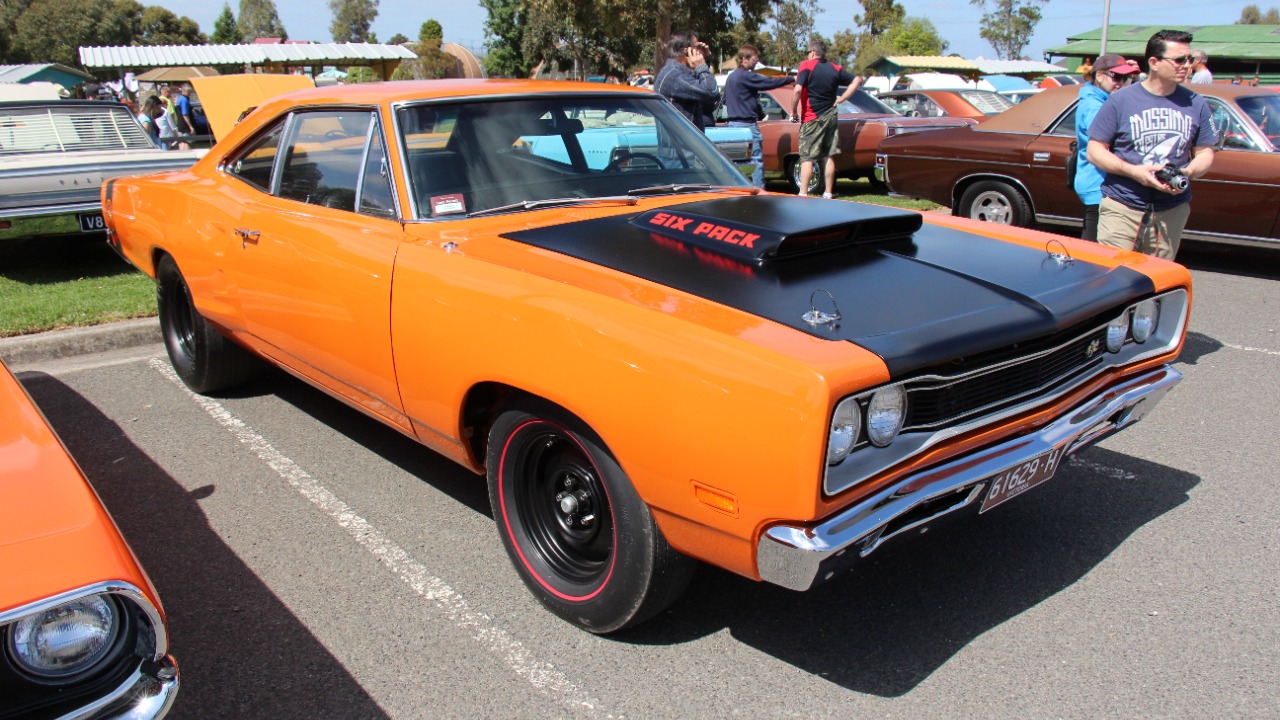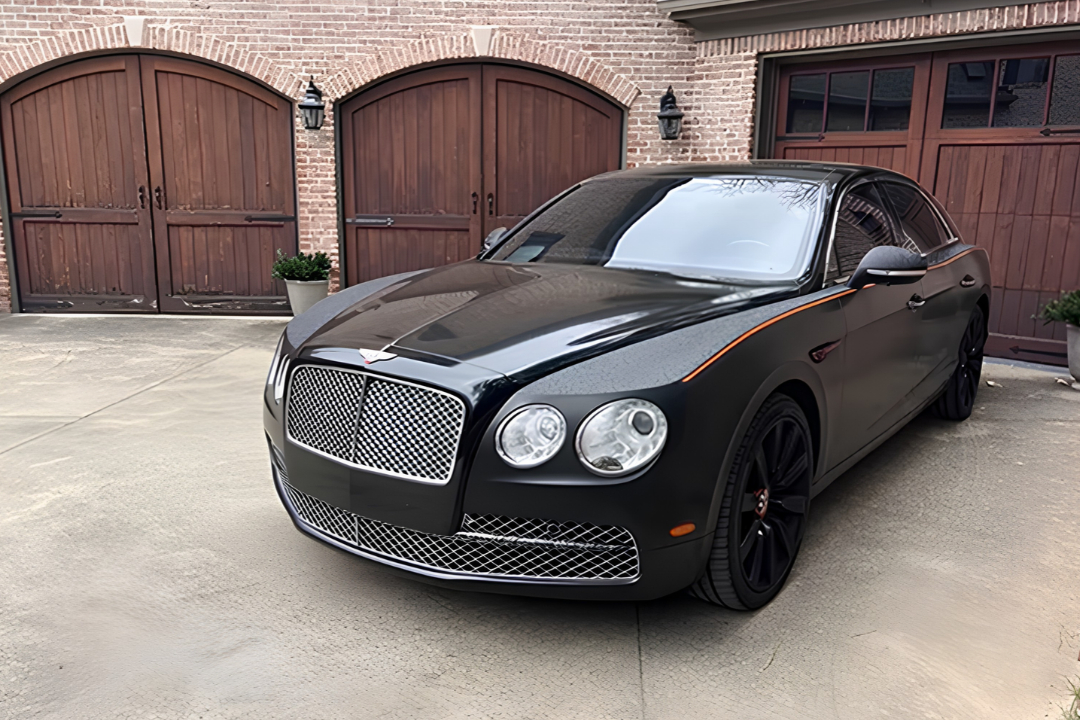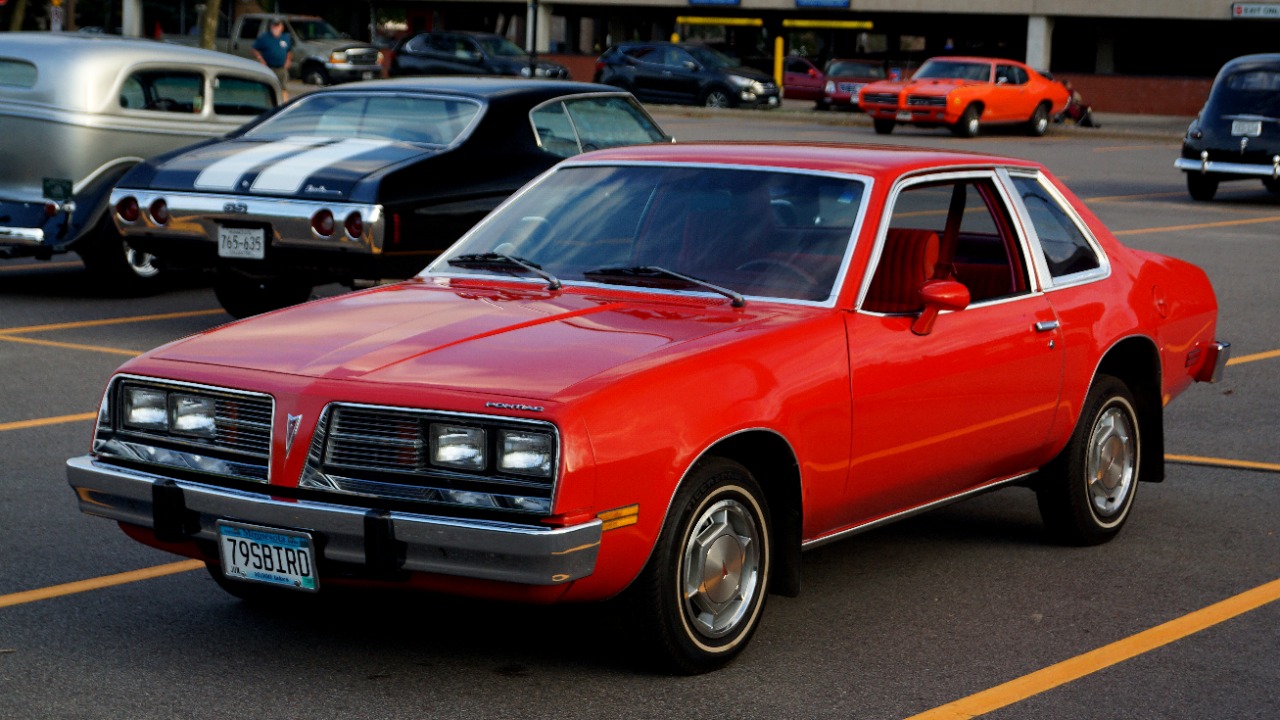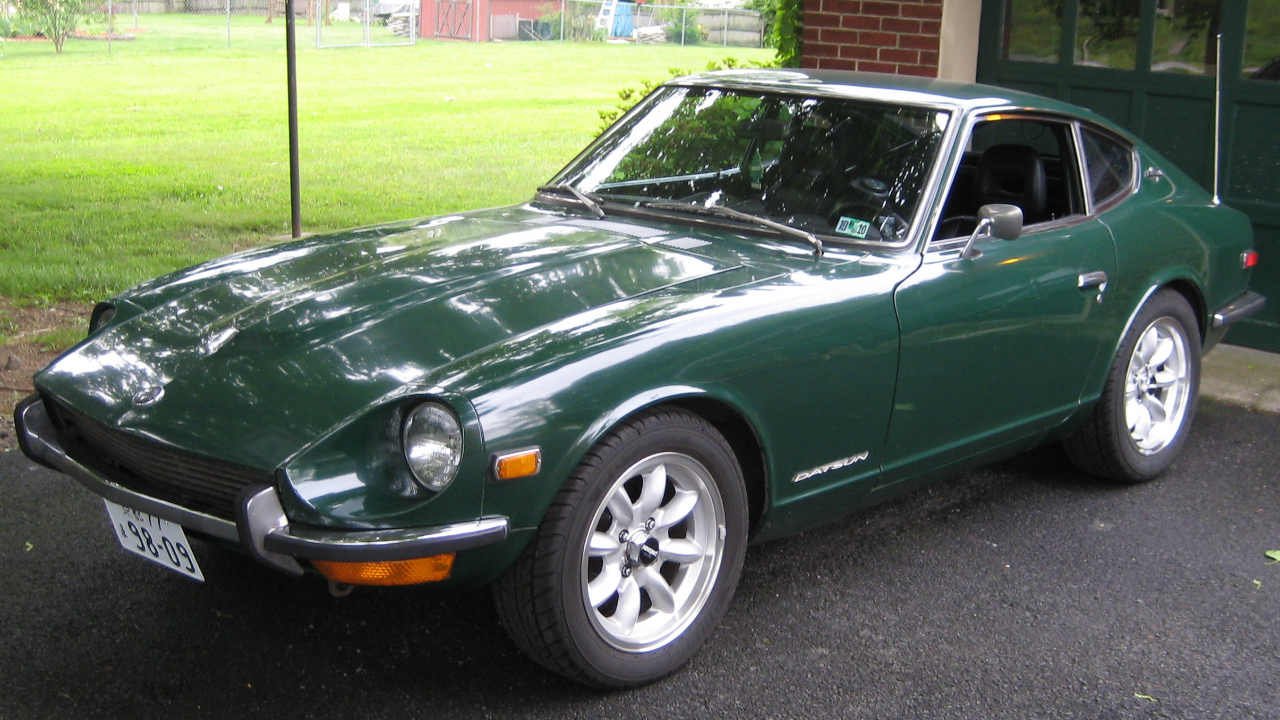
It started the way a lot of good garage stories do: someone shows up in an older build that looks like it should be a weekend toy, not a daily contender. The paint has a little history in it, the stance is tidy without screaming for attention, and there’s nothing about it that suggests it’s about to embarrass newer metal. Then it rolls out into regular traffic and, somehow, it just keeps up—calmly, consistently, and without the drama you’d expect from something “vintage.”
Over the past few months, more drivers have been sharing the same reaction after riding along or getting paced by it on real roads: “Wait, that’s it? That’s the car?” It’s not the kind of surprise that comes from a single hero pull. It’s the slower, more satisfying kind—when a build proves itself over stoplights, hills, heat soak, and all the annoying stuff the internet never shows.
Not a dyno queen, just weirdly capable
On paper, it doesn’t read like a headline-grabber. There’s no wild wing, no cartoonish tire, no “built motor” bragging that forces you to whisper around it. The whole vibe is: thoughtfully upgraded, nothing wasted, everything chosen for a reason.
What’s catching people off guard is how complete it feels. Acceleration is strong, sure, but the bigger shock is how often the car is already in the right gear, already in the powerband, already composed. The performance isn’t a trick; it’s the sum of a bunch of small decisions that add up to something that works.
The power delivery is the secret sauce
If you’re expecting a peaky, temperamental setup that only wakes up at the top of the tach, this one flips that script. Drivers keep describing it the same way: it pulls early, it pulls smoothly, and it doesn’t feel like it’s fighting itself. That matters a lot more in the real world than a brag-worthy peak number.
Part of that comes down to the tune and how the build is matched as a system. The throttle response is predictable instead of twitchy, and it doesn’t surge or stumble in the “normal” RPM ranges where people actually drive. It’s quick without being exhausting, which is a rare sweet spot for older builds.
Cooling and reliability got treated like performance parts
Here’s the unsexy truth: a lot of fast builds are fast for one pull, then start getting weird. Heat soak, inconsistent fueling, and little electrical gremlins can turn a strong setup into a moody one. This build keeps earning respect because it behaves the same on the third run as it did on the first.
Drivers mention stable temperatures even in slow traffic and consistent response after longer drives. That doesn’t happen by accident. The choices around cooling, intake routing, and general under-hood housekeeping look like someone actually wanted to drive the thing, not just post it.
It hooks up without the theatrics
Traction is where a lot of older cars show their age, especially when power gets bumped. This one doesn’t pretend physics stopped applying, but it does make grip feel normal. Instead of endless wheelspin or a nervous rear end, it puts power down in a way that feels modern.
A big reason is balance: suspension that’s set to work with the roads people have, not the roads people wish they had. There’s enough compliance to keep the tires planted, and the chassis doesn’t get upset mid-corner. The result is a car that’s quick in the places that matter—on imperfect pavement, with real bumps, and real consequences.
Brakes and steering that don’t feel “vintage”
Fast is fun, but confidence is what makes people want a second ride. This build keeps surprising drivers because it stops and turns like it’s been quietly time-traveling. Pedal feel is firm and consistent, and the braking doesn’t fade into that nervous “maybe I should’ve slowed earlier” zone.
The steering is another pleasant shock. It’s communicative without being busy, and it tracks straight instead of wandering like a shopping cart with a grudge. For a lot of folks, that’s the moment the car stops being a novelty and starts feeling like a properly sorted machine.
It’s quick in the boring scenarios, which is the whole point
Anyone can build something that’s exciting for 12 seconds. The real flex is merging onto a highway with a passenger, a half tank of fuel, and zero warning. This car does that kind of quick effortlessly, and it’s why drivers keep talking about it.
Rolling acceleration is where it seems to shine the most. Passing happens without a downshift panic, and it doesn’t need a perfect setup or perfect conditions. It’s the kind of speed that feels usable, not ceremonial.
The cabin stays livable, even when the pace picks up
One of the funniest comments that keeps popping up is some version of: “It’s not loud in an annoying way.” That’s a bigger compliment than it sounds. Too many older performance builds punish you with drone, rattles, and heat that turns the interior into a pizza oven.
This one seems to have avoided that trap. The exhaust has character without shouting at 2,800 rpm for an hour, and the overall NVH feels considered. Drivers step out surprised they aren’t tired, which might be the most grown-up kind of impressive.
Why it’s catching attention now
Part of the buzz is timing. New cars are faster than ever, but they’re also heavier, more complex, and often filtered through layers of software. A vintage build that feels direct—yet still dependable—hits a nerve in a good way.
It also helps that the performance shows up in normal conditions. No special fuel hunt, no “it only runs right when it’s 55 degrees out,” no excuses baked into the ownership experience. People are noticing because it behaves like a car, not like a project that occasionally does car things.
What other builders are taking from it
The most interesting ripple effect is how it’s changing what others prioritize. Instead of chasing bigger numbers, more folks are talking about tuning for midrange, improving cooling, and dialing suspension for the roads they actually drive. It’s a reminder that “fast” is a package, not a screenshot.
And maybe that’s why this build keeps surprising drivers. It doesn’t rely on spectacle, and it doesn’t demand forgiveness. It just shows up, starts up, and performs like it was meant to be used—then calmly leaves people wondering why more builds don’t feel this complete.
More from Fast Lane Only