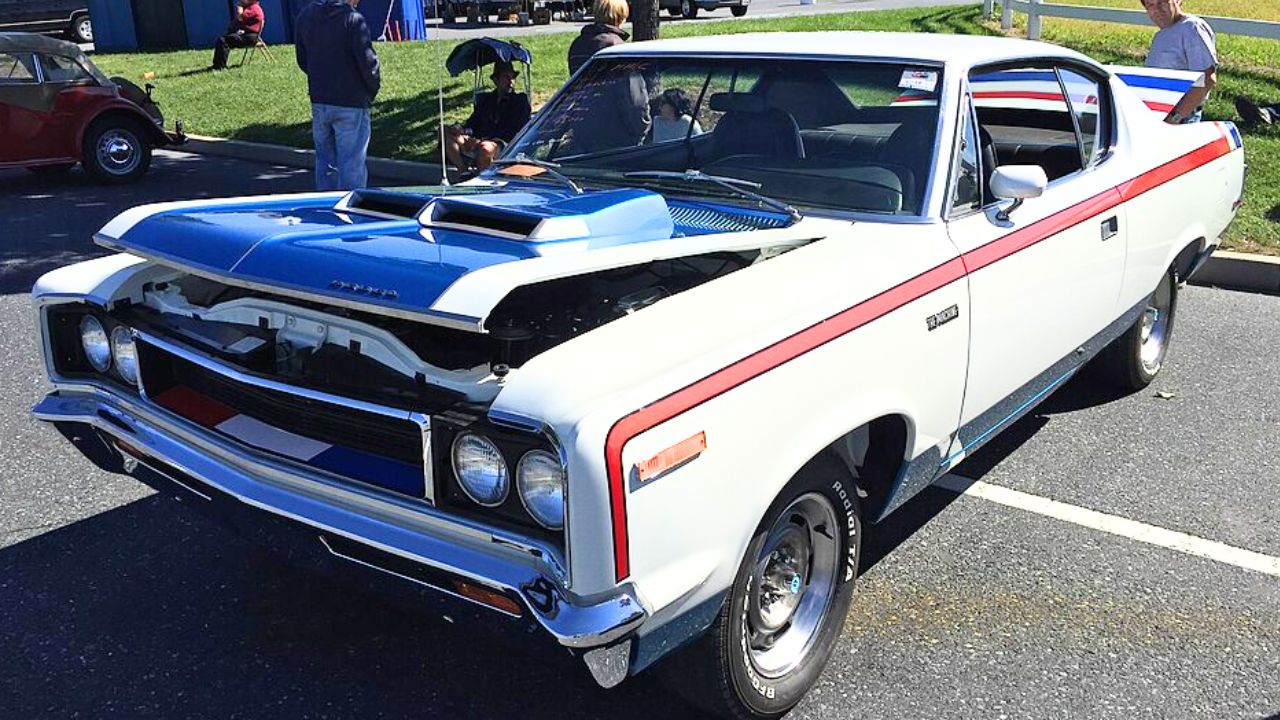
Every so often, a build shows up that doesn’t make a big entrance. No flashy trailer. No breathless social posts. Just an unassuming muscle car that looks like it belongs in the “nice driver” category—until it starts embarrassing the stuff that usually gets the attention.
That’s exactly what happened with this overlooked project, a budget-minded, garage-built bruiser that ended up running far better than anyone had penciled in. The surprise wasn’t one single magic part. It was a string of smart decisions, a little restraint, and a whole lot of testing.
A car nobody expected to be the headline
The starting point wasn’t rare, and it definitely wasn’t trendy. It was the kind of muscle car people scroll past because they’ve seen a dozen similar ones with the same stance, the same wheels, and the same “future plans” that never happen.
But this one had a different vibe. It wasn’t built to win a parking-lot popularity contest; it was built to work. The goal was simple: make it quick, make it reliable, and don’t turn it into a science project that never leaves the garage.
Built with a plan, not a shopping spree
The parts list read more like a checklist than a wish list. Instead of chasing exotic components, the build leaned on proven combos and readily available pieces—stuff that can be replaced on a normal timeline, not “whenever it ships.”
That philosophy kept the budget under control and the momentum high. There’s a quiet advantage to using common parts: the tuning knowledge is out there, the failure points are known, and the fixes don’t require a specialist with a secret handshake.
The power combo that quietly did the heavy lifting
At the heart of the car was an engine setup that’s almost boring on paper—until it isn’t. A sensible bottom end, a cam chosen for the car’s actual weight and gearing, and a top-end package that favored airflow without turning street manners into a rumor.
What made it special was the balance. No single part was asked to be a hero. The intake, heads, exhaust, and ignition all worked in the same direction, which is how “pretty good” builds turn into “why is this thing so fast?” builds.
Tuning: the unglamorous reason it worked
If there’s a villain in most underperforming muscle cars, it’s sloppy calibration. Too much timing in the wrong spot, not enough fuel where it needs it, or a drivetrain setup that makes power feel like it’s hiding behind a curtain.
This build didn’t skip that step. The fuel and spark curves were treated like part of the build, not an afterthought, and the results showed up immediately—cleaner pulls, steadier temperatures, and consistency run after run.
Traction and gearing: the “secret” nobody wants to pay for
It’s easy to spend money making horsepower. It’s less fun spending money making the car use it. This build actually did the second part, and that’s where the expectations started to crack.
A sensible tire choice, a suspension setup that planted instead of pogo-sticking, and gearing that matched the powerband made the car feel stronger everywhere. The funny part is that none of those pieces look impressive in photos, but they’re the reason the numbers got impressive in real life.
Cooling, oiling, and other “boring” systems that saved the day
Fast is fun until the temperature needle starts climbing like it’s late for work. The build treated cooling and oil control as performance parts, because they are. A solid radiator setup, thoughtful airflow, and a reliable oiling strategy kept it from turning into a heat-soaked disappointment.
That reliability changed everything. Instead of making one spicy pass and limping home, it could run hard, cool down normally, and do it again. Consistency is what turns a quick car into a legitimately fast one.
The moment the “overlooked” label stopped fitting
The first few outings were supposed to be shakedowns—check for leaks, watch the data, make sure nothing rubbed at full lock. Then it started putting down results that didn’t match the modest expectations, especially in the midrange where street cars live.
Even the way it accelerated felt different. It wasn’t peaky or dramatic; it just pulled with that steady, confident surge that makes passengers look over like, “Wait… what did you do to this thing?” It had the kind of speed that sneaks up on you, which is arguably the best kind.
Why it outperformed flashier builds
Plenty of higher-dollar projects stumble because they’re built like a collage. Big cam with mismatched compression. Huge intake with the wrong converter. Fancy parts stacked on top of a drivetrain that can’t keep up. It looks exciting, but it doesn’t act cohesive.
This one acted cohesive. The parts supported each other, the tune respected the combination, and the chassis setup helped the car do its job. It wasn’t chasing a dyno screenshot; it was chasing repeatable performance, and it got it.
A friendly reminder that “common” doesn’t mean “slow”
There’s a weird bias in car culture where “popular parts” get dismissed as basic. But common parts become common because they work, and when they’re paired correctly, they can be ridiculously effective. This build was proof.
It also showed how far patience goes. Taking time to measure, mock up, and test doesn’t sound exciting, but it’s often the difference between a car that’s always “almost sorted” and one that’s ready whenever the key turns.
What this build says about the next wave of muscle cars
As more people build at home and parts availability shifts, there’s a growing appreciation for combinations that are realistic. Not everyone wants a finicky race car, and not everyone needs a six-figure budget to have something genuinely quick.
This overlooked muscle car didn’t win because it was rare. It won because it was smart. And if it keeps showing up and running the way it has, it won’t be overlooked for much longer.
More from Fast Lane Only