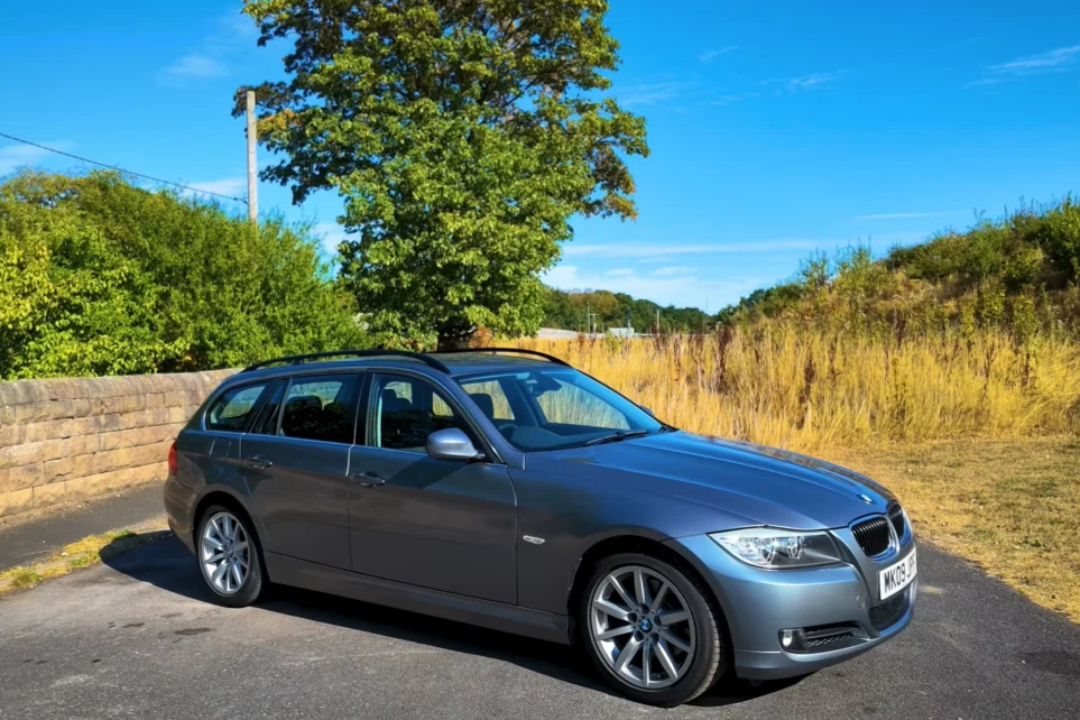
It started like a lot of car-shopping stories do: two nearly identical models, same price neighborhood, same basic features, and a buyer thinking, “Okay, so what’s the real difference?” Then a window sticker surfaced with an option package so uncommon it might as well have been a unicorn sighting. And suddenly, one model that looked merely “fine” on paper had a very real edge in the real world.
What made it surprising wasn’t that the package existed. It was that it quietly solved the exact everyday annoyances people complain about—without screaming for attention on the spec sheet. The kind of upgrade you don’t brag about at a party, but you miss immediately when you drive a car without it.
The package nobody expects to matter (until it does)
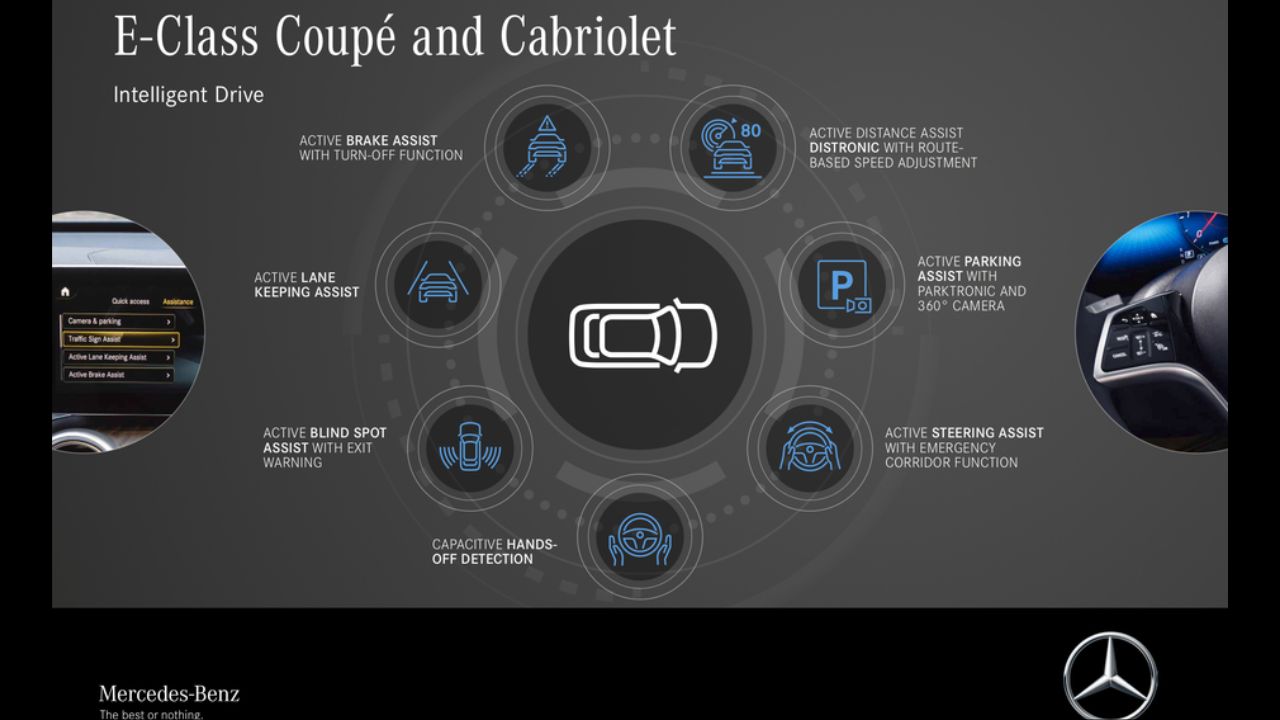
The rare package bundled a few things that are usually sold separately: a more advanced driver-assist suite, an upgraded cooling setup, and a small but meaningful suspension tweak. None of those are headline-grabbers on their own. Together, they changed how the car behaved in traffic, on longer trips, and even on hot days when everything else starts to feel a little strained.
It’s the automotive equivalent of finding out the “standard” kitchen in one apartment actually includes a silent dishwasher and a vent hood that vents outside. You didn’t think you cared, but now you can’t un-know it.
How one model pulled ahead without adding horsepower
On paper, the two models looked like they’d trade punches. Similar engines, similar weight, similar fuel economy estimates. But with this package, one model felt calmer and more confident, especially when conditions got messy—stop-and-go traffic, uneven pavement, quick merges, and long highway stretches.
The biggest change came from the driver-assist upgrade. It didn’t just add more beeps; it improved how smoothly the car handled lane centering and adaptive cruise. Instead of the little “ping-pong” effect between lane lines, it held its line with a more natural touch, the way a good driver would.
Why it’s rare in the first place
So why wasn’t everyone ordering it? Because it sat in an awkward spot in the ordering system: expensive enough to make some buyers skip it, but subtle enough that plenty of people didn’t notice it. In some regions it was also tied to limited allocations, meaning dealers got only a handful of cars built with it, if any.
There was also a timing problem. When supply chains were messy, manufacturers often simplified builds, and niche packages were the first to get trimmed. That’s how you end up with a feature that exists in brochures and forums, but barely shows up on lots.
The real-world perks people actually feel
The upgraded cooling hardware sounds boring until you live with it. In warmer climates or heavy traffic, it helped the car maintain consistent performance and cabin comfort without the system sounding like it was auditioning for a leaf blower commercial. Even in milder weather, it reduced that “working hard” feeling when climbing grades or running the A/C on full blast.
Then there was the suspension tweak, which didn’t turn the car into a track toy. It just made the ride feel more composed, especially over the kind of broken pavement that makes you question your life choices. Less float, fewer sharp jolts, and better control in quick direction changes—basically, the car felt like it had better manners.
One model got an “unfair” advantage in comparisons
Here’s where it gets interesting: in back-to-back comparisons, the model with the rare package didn’t just win on comfort. It won on confidence. Reviewers and shoppers tend to remember how easy a car is to place in a lane, how relaxed it feels at 70 mph, and whether it makes commuting feel like a chore.
That’s why the advantage felt unexpected. The base versions of both models were close enough that you’d assume personal taste would decide it. But this package nudged one model into “effortless” territory, and that’s a hard thing to unfeel once you’ve experienced it.
The sneaky part: it can change resale value, too
Rare packages can go two ways on resale: either nobody cares, or the right buyer cares a lot. In this case, the features are practical and easy to demonstrate, which helps. A smooth adaptive cruise demo on a test drive is worth more than a fancy acronym buried in a menu.
There’s also the scarcity factor. When only a small slice of cars were built with a certain configuration, listings stand out, and sellers can hold firmer on price. It doesn’t mean instant profit, but it can mean less depreciation pain—especially when the package includes tech people actively search for.
How to spot it if you’re shopping (without getting tricked)
If you’re hunting for something like this, don’t rely on a dealer’s “fully loaded” description. Ask for the original window sticker or the build sheet, and look for the specific package code or name. If they can’t produce documentation, assume it’s not there until proven otherwise.
Also, verify the features physically. For driver-assist upgrades, check the steering-wheel buttons and instrument cluster menus, and take a test drive on a road with clear lane markings. For cooling and suspension items, you may need the build sheet, but you can still pay attention to how stable the temperature stays and how settled the ride feels over rough surfaces.
Why this kind of package matters more than flashy add-ons
It’s easy to get distracted by big wheels, black trim, and the kind of ambient lighting that makes your cabin look like a mildly sophisticated nightclub. But the upgrades that change daily life are usually quieter. They show up when you’re tired, when traffic is annoying, when it’s hot out, or when the road is doing that fun thing where it’s somehow both bumpy and cracked at the same time.
That’s the charm of this rare option package: it wasn’t designed to impress people standing next to the car. It was designed to make the person driving it feel like everything is just a bit easier. And honestly, that’s the kind of advantage that tends to win hearts—one commute at a time.
More from Fast Lane Only