The intersection of environmental regulations and automotive performance has created a complex landscape in the automotive industry. Over the years, the push for lower emissions has led to innovative—and sometimes unconventional—workarounds that have unintentionally resulted in some of the most beloved performance icons in car culture. From DIY enthusiasts to manufacturers, the quest for performance has sparked creativity and passion, redefining what it means to drive a high-performing vehicle.
Understanding Emissions Regulations
Emissions regulations have evolved significantly from their inception in the late 1960s, driven largely by growing concerns over air quality and public health. The introduction of the Clean Air Act in 1970 established national air quality standards that prompted automakers to rethink engine designs, fuel types, and exhaust systems. As regulations tightened, particularly with the introduction of the California Air Resources Board (CARB) standards, manufacturers were pushed to innovate in ways that prioritized environmental safety while still delivering performance.
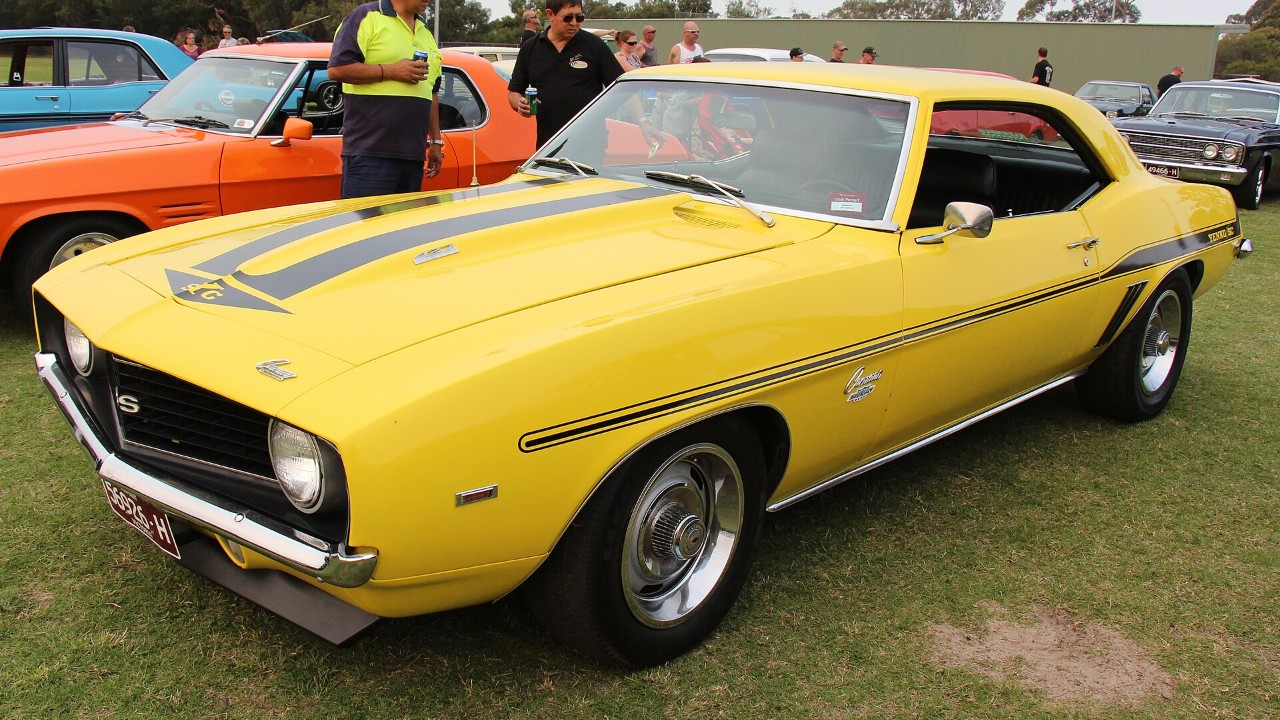
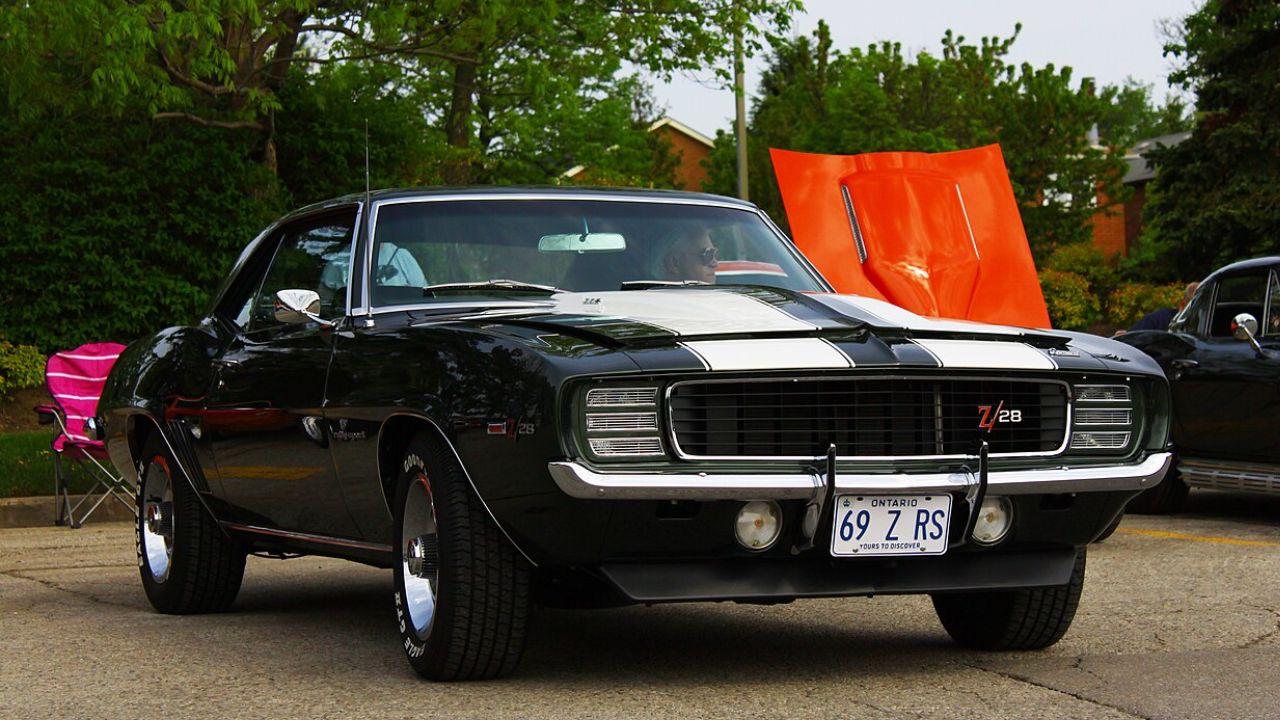
Throughout the years, specific regulations have dramatically influenced automotive design. For example, the introduction of catalytic converters in the 1975 model year required manufacturers to redesign their exhaust systems, which often resulted in a decrease in horsepower initially. However, this forced engineers to develop new technologies that not only met emissions standards but also regained lost performance, leading to some of the most iconic muscle cars of the late ’70s and ’80s, such as the Chevrolet Camaro Z/28 and Ford Mustang.
Workarounds and Their Origins
As manufacturers faced mounting pressure to comply with emissions regulations, many sought creative workarounds to maintain performance levels. Some of the more common methods included adjusting fuel injection systems, modifying exhaust systems, and utilizing turbochargers. For instance, the use of turbocharged engines became a popular workaround. Cars like the Volvo 240 Turbo showcased how forced induction could enhance performance while adhering to emissions laws. These engineering feats often became the blueprint for future performance models.
DIY enthusiasts also played a significant role in this emissions-era landscape. Many car lovers began modifying their vehicles to push the limits of performance while still meeting regulatory standards. One notable example is the Honda Civic, which became a canvas for tuners looking to enhance performance without completely disregarding emissions. Through the use of aftermarket parts and tuning, many Civic owners turned their cars into track-ready machines, further popularizing the model in grassroots car culture.
However, these workarounds raise ethical questions surrounding compliance with environmental regulations. While some manufacturers and enthusiasts argue that performance enhancements are justified, others contend that circumventing regulations undermines the spirit of sustainability. Discussions on platforms like Reddit often highlight the fine line between innovation and compliance, reflecting the ongoing debate within the automotive community.
The Birth of Performance Icons
Some vehicles have gained legendary status precisely because of the emissions workarounds employed during their production. The Mazda RX-7, for example, became an icon partly due to its rotary engine, which provided a unique blend of performance and efficiency. As emissions regulations tightened, Mazda’s engineers found ways to maintain the rotary engine’s performance while reducing emissions, resulting in a vehicle that not only adhered to regulations but also inspired a devoted following.
The grassroots car culture surrounding these vehicles cannot be understated. Events like local car meets and tuning shows have long celebrated these performance models, fostering a community of enthusiasts who share modifications and performance tips. Stories abound of individuals who transformed their standard vehicles into high-performance machines while navigating the complexities of emissions compliance. These tales of ingenuity and passion have contributed to the lore of these performance icons.
Consumer Response and Market Trends
The demand for performance vehicles has significantly influenced manufacturers, driving them to innovate in ways that harmonize with both consumer desires and regulatory requirements. As enthusiasts sought vehicles capable of delivering thrilling driving experiences without sacrificing environmental responsibility, automakers began to pivot towards performance-oriented designs. The rise of models like the Ford Mustang GT and Chevrolet Camaro SS exemplifies this trend, as these cars not only meet emissions standards but also offer exhilarating performance that has captivated drivers.
The aftermarket parts industry has also flourished in response to emissions regulations. Many car owners turned to tuning and modifications to enhance performance while staying compliant. The availability of components like performance exhaust systems, ECU remaps, and cold air intakes has allowed enthusiasts to customize their cars without completely forgoing emissions compliance. This trend has led to a thriving market where creativity and performance go hand in hand.
Consumer preferences have shifted as well. The modern driver is often more informed about the intricacies of automotive performance and emissions compliance, leading to a more discerning market that values transparency and sustainability. As a result, manufacturers are increasingly aware of the need to cater to this evolving consumer base, balancing performance with environmental impact in their new models.
Environmental Impact and Future Considerations
The juxtaposition of performance enhancements against their environmental implications highlights a paradox within the automotive industry. While emissions workarounds have allowed for greater performance, they often come at the cost of increased emissions and fuel consumption. This contradiction raises important questions about the sustainability of these practices moving forward. As technology continues to evolve, the automotive industry is at a crossroads where innovation must align with environmental stewardship.
Fortunately, advancements in technology are paving the way for potential solutions. Hybrid and electric vehicles have emerged as viable alternatives that provide high performance while minimizing emissions. Manufacturers like Tesla are leading the charge, demonstrating that electric powertrains can deliver exhilarating performance without the environmental drawbacks associated with traditional combustion engines. The future of emissions regulations may also shift towards stricter standards, pushing manufacturers to invest in cleaner technologies and innovative solutions.
As the automotive landscape changes, predictions suggest that emissions regulations will become more comprehensive, potentially reshaping how performance is defined. The industry must adapt to these evolving standards, ensuring that performance and sustainability go hand in hand. This shift presents an opportunity for manufacturers to embrace innovative technologies that meet consumer demands while respecting environmental responsibilities.
Legacy and Lessons Learned
The unintended consequences of emissions regulations on car culture are profound, shaping the landscape of automotive performance in ways that few could have anticipated. The creativity and ingenuity displayed by manufacturers and enthusiasts alike have given rise to performance icons that continue to resonate with car lovers today. These vehicles serve as a reminder of the delicate balance between regulatory compliance and the pursuit of exhilaration on the road.
As the automotive industry continues to evolve, the lessons learned from this emissions-era journey are invaluable. Innovation will be key in meeting both performance and environmental goals, and a collaborative approach involving manufacturers, regulators, and consumers will be essential. Ongoing dialogue about sustainable automotive practices will help shape a future where the thrill of driving can coexist with environmental responsibility.
More from Fast Lane Only
- Unboxing the WWII Jeep in a Crate
- 15 rare Chevys collectors are quietly buying
- 10 underrated V8s still worth hunting down
- Police notice this before you even roll window down
*Research for this article included AI assistance, with all final content reviewed by human editors.