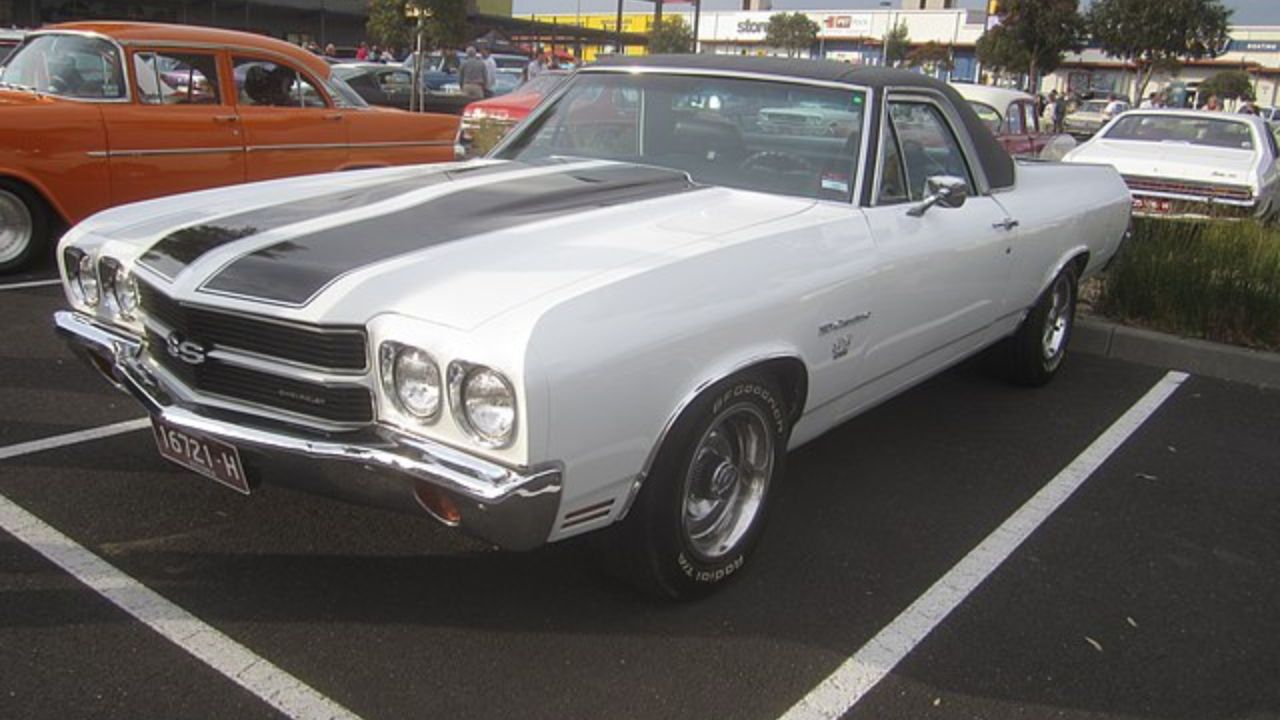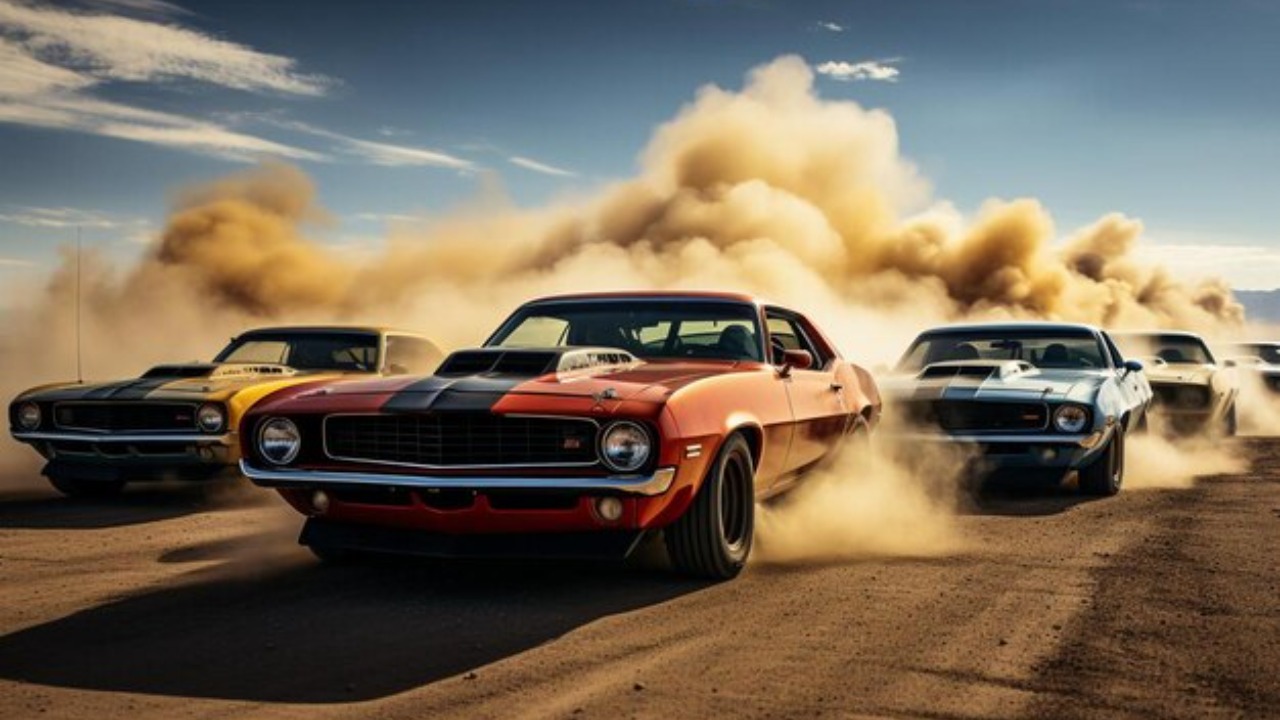
When people talk about “shockingly quick” cars, it’s usually a modern story involving launch control, sticky tires, and a computer doing half the thinking. But decades ago, a certain vintage muscle car was already making drivers blink hard and grab the wheel a little tighter. It wasn’t subtle, and it definitely wasn’t polite.
The surprise wasn’t just the speed itself. It was the way that speed arrived—fast, loud, and with a kind of urgency that made first-timers wonder if something had broken. For plenty of early drivers, the first hard pull felt less like “acceleration” and more like an argument they were losing.
A different era, a different kind of fast
To understand why it shocked people, you’ve got to picture the roads and the expectations at the time. Many everyday cars were built for smoothness and simplicity, not for snapping your neck back. Brakes were often less confident than the engines, and tires were nowhere near today’s grippy standards.
So when a big-displacement V8 muscle car showed up with real power and a short temper, it didn’t just feel quicker than the cars around it. It felt like it came from another category entirely. Early drivers weren’t comparing it to modern performance benchmarks; they were comparing it to sedans and wagons that took their time getting anywhere.
The secret sauce: big torque, right now
Part of the shock came from torque—the kind that arrives early and doesn’t ask permission. Floor it and the car didn’t build speed gradually; it lunged. That instant shove was the kind of sensation people remembered long after they’d forgotten the exact numbers.
Horsepower headlines were always part of the bragging rights, sure, but torque is what made the experience feel outrageous in normal driving. A quick jab of throttle to merge could turn into an “oh wow” moment. It wasn’t just fast at the top end; it was fast in the places drivers actually used every day.
When the rear tires became the plot twist
Here’s where the story gets fun—and a little spicy. The same power that made the car thrilling also made it easy to overwhelm the rear tires, especially on less-than-perfect pavement. Early drivers weren’t used to managing wheelspin the way enthusiasts talk about it now; they just knew the back end could get lively.
In dry conditions it could chirp, squirm, or break loose if someone got greedy with the throttle. In the wet, it demanded respect and a gentler foot. If it sounds like a handful, it was—and that’s a big part of why it left such a strong impression.
Speed that felt louder than it looked
Even before the car really got moving, it sounded like it meant business. The idle had that uneven, mechanical confidence that made bystanders turn their heads. Then, when the throttle opened up, the exhaust note didn’t just rise in pitch—it seemed to swell and punch forward.
That sound mattered because it shaped how drivers perceived speed. A loud, responsive engine makes acceleration feel more dramatic, and this car delivered that drama in full. It’s the kind of soundtrack that convinces you you’re going faster than you are… until you look down and realize you actually are.
Not just straight-line bragging rights
Muscle cars earned their reputation in the quarter-mile, but early drivers were often shocked by how quickly they could cover ordinary stretches of road. Passing slower traffic became almost effortless. A gap that looked “maybe” suddenly looked “done,” and that was new for a lot of people.
That said, the experience wasn’t only about winning a stoplight sprint. It was also about how the car responded at everyday speeds—how a small pedal movement created big results. It made routine driving feel like it had an underline beneath it.
The learning curve: power without modern guardrails
One reason the speed surprised early drivers is that the car didn’t come with the modern safety net. There was no traction control to smooth over mistakes and no stability system to quietly rescue a sloppy corner exit. If the rear stepped out, it was on the driver to catch it.
Even things like braking and suspension tuning could feel more old-school than people expected. The engine might have been ahead of the chassis in spirit, and that imbalance made the car exciting—sometimes in the “laughing afterward” way. It rewarded skill, and it punished overconfidence.
How it became a legend in conversations, not just brochures
The shock factor didn’t stay inside the car. It spread through parking-lot stories, weekend meetups, and the kind of breathless retellings that start with “you won’t believe what happened when…” People who drove it once would talk about it for years.
And it wasn’t only enthusiasts doing the talking. Regular drivers who’d never considered themselves “car people” could still remember that one ride, that one pull, that one moment when the horizon started coming at them faster than expected. The car had a way of turning casual curiosity into a core memory.
Why it still feels quick today
By modern standards, a lot of vintage muscle cars won’t outgun today’s fastest performance machines on paper. But the sensation can still feel intense because it’s raw and direct. The steering, the noise, the vibration, the way the power arrives—it’s all unfiltered.
It also helps that the car’s speed is delivered with personality. Modern quick cars can be almost clinical, like they’re doing a perfect demonstration for a stopwatch. This one feels more like it’s daring you to keep up, which is a lot more entertaining than it has any right to be.
A shock that aged into charm
That early-driver shock is part of what keeps the legend alive. The car didn’t just offer speed; it delivered an experience that surprised people in the moment and stayed with them afterward. It’s the kind of machine that makes you understand, instantly, why an entire era fell in love with horsepower.
Today, the same traits that startled new drivers back then are what collectors and fans chase now. It’s loud, it’s eager, and it doesn’t pretend to be anything else. And if it still catches someone off guard on a test drive, well… that’s not a bug, that’s the feature.
More from Fast Lane Only