There are cars that look fast, cars that sound fast, and cars that actually are fast. Every now and then, though, one shows up that doesn’t just meet expectations—it scrambles them. That’s what happened this week when a carefully preserved vintage performance coupe turned in numbers that had seasoned track regulars doing double-takes.
It wasn’t supposed to be a headline-grabber. It wasn’t rolled off a trailer with fresh sponsor decals or introduced with a dramatic reveal. It simply arrived, warmed up, and quietly started posting lap times that didn’t match the “old car” label people tried to stick on it.
A familiar shape, a different kind of surprise
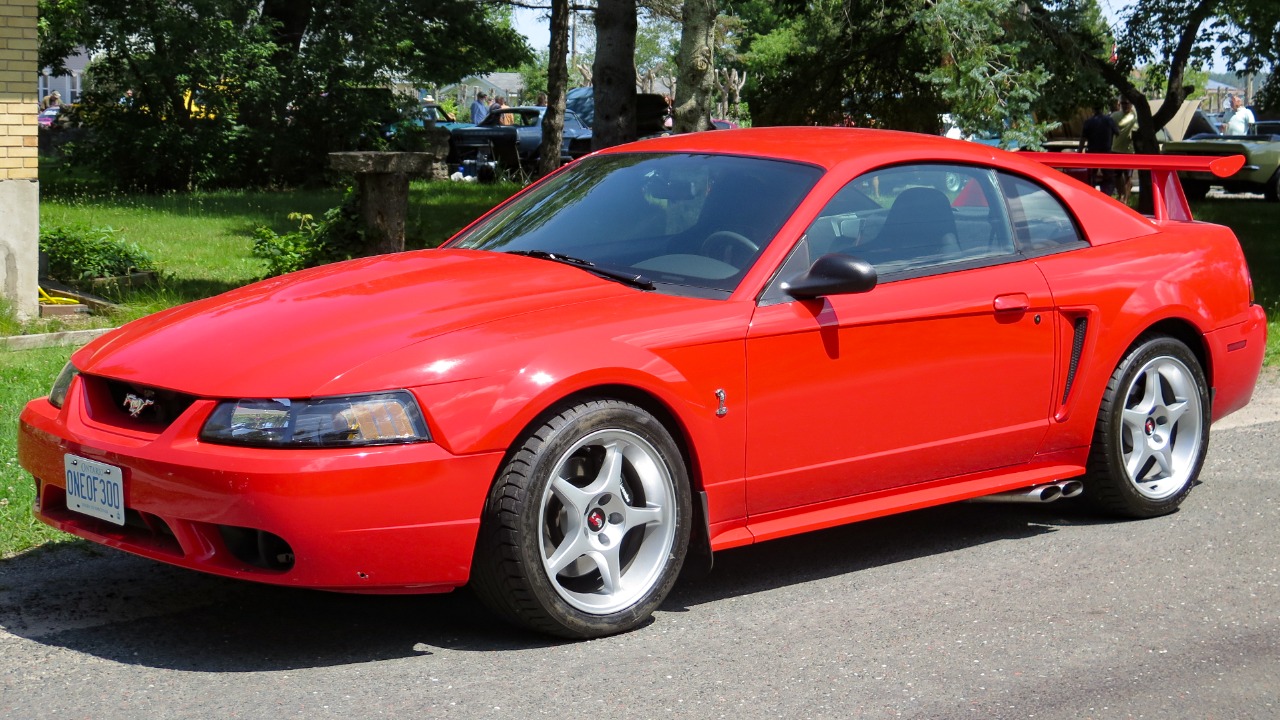
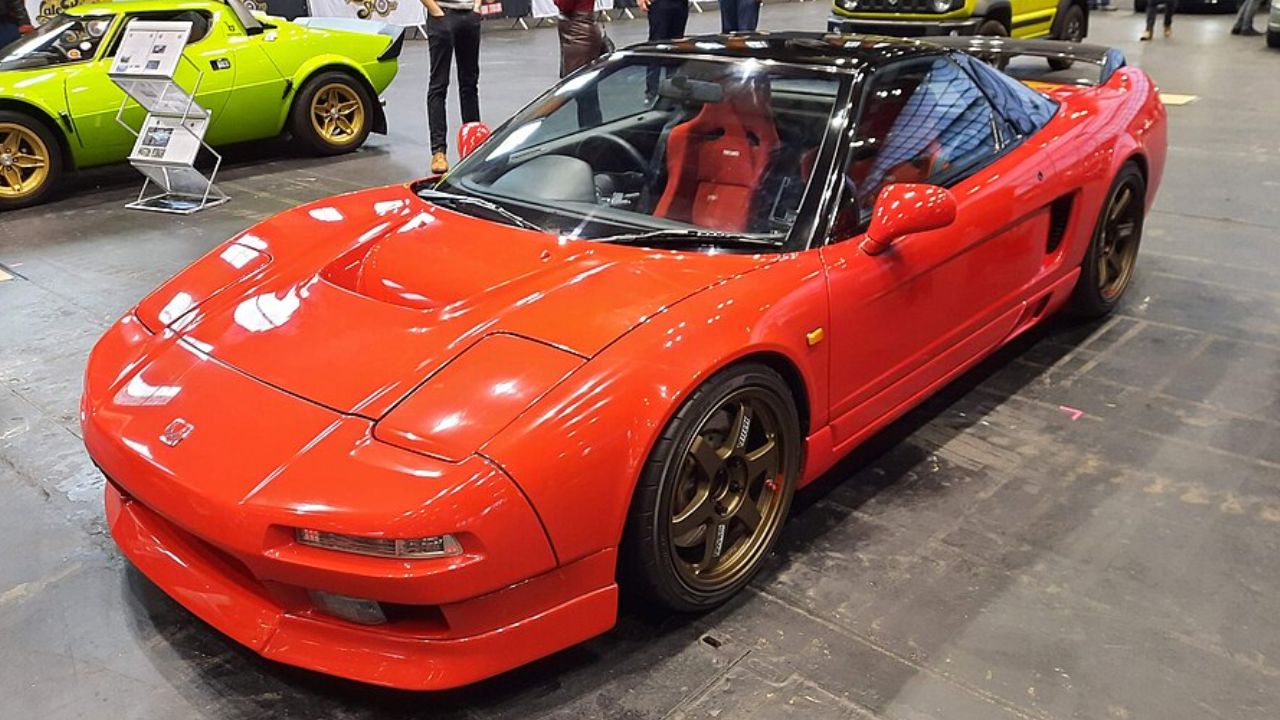
From ten feet away, it looked like the sort of classic that usually earns admiring nods in a parking lot, then cruises home before dusk. The stance was period-correct, the paint had that deep, slightly imperfect shine that signals “driven, not hidden,” and the cabin still felt like a time capsule. Nothing screamed “modern weapon,” which is exactly why the results hit so hard.
On paper, the car’s era suggests compromises: narrower tires, less aerodynamic help, and suspension geometry that predates today’s obsession with data and downforce. Yet once it started running, the gap between perception and reality got very small, very quickly. People expected charm; they got pace.
The numbers that turned heads
Timing sheets don’t care about nostalgia, and this one was blunt. Over multiple sessions, the vintage coupe ran consistent laps that hovered near the top of the day’s spread, mixing it up with much newer machinery. It wasn’t a one-off “hero lap,” either—the kind that happens once when everything aligns and then never again.
What really made eyebrows lift was how repeatable it all was. Temperatures climbed, the track got busier, and the car kept delivering. Anyone waiting for it to fade, overheat, or get fussy had to keep waiting.
So how did an older car pull that off?
The short version: balance, preparation, and smart choices instead of flashy ones. The setup focused on stability and mechanical grip rather than chasing extremes. That meant suspension tuned to keep the tires working evenly, braking that stayed predictable, and an engine that didn’t need to be wrung out to make progress.
It also helped that the car wasn’t pretending to be something it isn’t. Rather than bolting on random modern parts and hoping they’d cooperate, the build respected the platform’s strengths. The result was a car that felt cohesive—like every component was speaking the same language.
Consistency: the underrated superpower
Plenty of cars can put down a quick lap with the right driver and a bit of luck. The trick is doing it again and again without drama. That’s where this vintage coupe really impressed the folks watching, because it didn’t seem to ask for special treatment.
It warmed up, it ran, it cooled down, and it came back for more. No long cooldown rituals, no frantic wrenching between sessions, no “it’s fine, it always does that” explanations. If you’ve spent time around track days, you know how rare that calm competence can be.
Old-school feedback still counts for a lot
Part of the performance story is something modern cars can struggle to replicate: feel. Older performance cars often communicate through the wheel and the seat in a way that’s wonderfully direct. When grip is building or fading, you tend to know it sooner, and that makes it easier to drive close to the limit without stepping over it.
That feedback can make a driver more confident, and confidence turns into speed. Not reckless speed—clean speed. The kind that comes from braking at the same marker every time and rolling into the throttle like it’s a practiced habit.
It didn’t win with brute force
There’s a myth that quick lap times always come from big power. In reality, power is just one tool, and it’s often the loudest one, so it gets the most attention. This car’s advantage looked more like momentum: carrying speed through corners and staying composed over bumps.
That’s the sneaky thing about a well-sorted vintage performance car. If it exits corners cleanly and keeps its tires alive, it can embarrass more powerful cars that are busy fighting wheelspin, heat soak, or twitchy handling. It’s not magic—just efficiency wearing a retro outfit.
The reactions in the paddock said it all
At first, the chatter was polite. People admired the shape, asked what year it was, and made the usual comments about “they don’t make them like that anymore.” Then the lap times got around, and the tone shifted from polite to curious.
Suddenly it wasn’t just a cool classic; it was a problem to solve. Folks walked over to peek at the tires, the brakes, the suspension. A few even tried to spot some hidden modern trick, like there had to be a secret switch somewhere labeled “cheat mode.”
Why this moment matters beyond one fast day
It’s easy to treat vintage performance as a museum piece, something to be preserved behind velvet ropes. But moments like this remind everyone that plenty of older cars were engineered with real intent, and they still have a lot to say when they’re maintained properly. They’re not just artifacts—they’re tools, and sometimes they’re still sharp.
It also nudges the conversation around value and fun. Modern performance is incredible, but it can feel distant, like you need a laptop and a factory scan tool to participate. A vintage car that runs hard and stays happy makes a different kind of argument: maybe the best performance isn’t the newest, it’s the most thoughtfully prepared.
What to watch next
The big question now is whether this was a perfect day or the start of a pattern. If the car keeps showing up and keeps running these times, it’ll become the benchmark that others measure themselves against. And if conditions change—cooler weather, different tires, a rougher track—there’s more to learn about how deep the capability really goes.
Either way, it already did the thing that great cars always do: it made people curious. Not just about lap times, but about what’s possible when an older platform is treated with respect and a little ingenuity. Turns out “vintage” doesn’t have to mean “slow,” and this week’s timing sheet made that point in the most persuasive way possible.
More from Fast Lane Only