Purchasing a classic car can be both an exciting and daunting experience, especially for first-time buyers. With a blend of nostalgia and investment potential, classic cars are more than just vehicles; they are pieces of history. This article aims to equip you with practical tips to ensure your first classic car purchase is a confident and successful one.
Understanding the Classic Car Market
Researching the classic car market is crucial before making a purchase. With so many models to choose from, understanding market trends and values is essential. Start by exploring resources like the Hagerty Price Guide, which provides comprehensive data on various models. This guide can help you gauge which cars are appreciating in value and which might be losing their appeal. For example, models like the 1965 Ford Mustang have shown consistent popularity, making them a safer investment.
Several factors influence the pricing of classic cars, including rarity, condition, and originality. A rare model in pristine condition with all original parts will command a higher price. Conversely, a more common model or one that has undergone extensive modifications might not hold the same value. Understanding these nuances can prevent overpaying and help you spot a good deal when it arises.
Joining classic car clubs and online communities can be invaluable for gaining insider knowledge. Engaging with these communities can provide insights into specific models and access to exclusive buying opportunities.
Setting a Realistic Budget
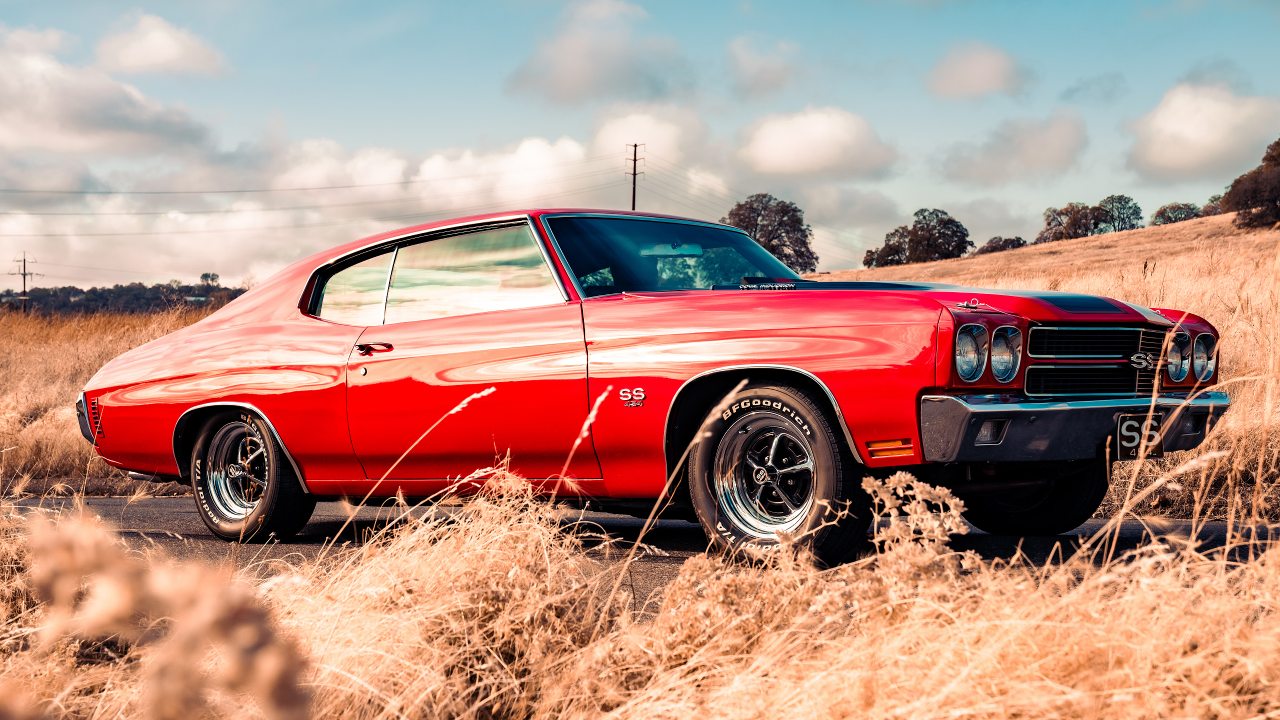
Establishing a realistic budget is a critical step in purchasing a classic car. It’s not just about the purchase price; you need to consider the total cost of ownership. This includes insurance, maintenance, and potential restoration costs. For instance, while a 1970 Chevrolet Chevelle SS might seem affordable initially, restoration parts and labor can quickly add up.
Consider your financing options carefully. Some classic car buyers opt for traditional auto loans, while others might explore specialty finance companies like JJ Best Banc & Co., which specializes in classic car loans. Each option has different implications for your budget, so understanding interest rates and loan terms is vital.
Allocating a contingency fund for unexpected expenses is also wise. Classic cars, especially those that are several decades old, can come with unforeseen repair needs. Setting aside a portion of your budget for these eventualities can prevent financial strain down the road.
Evaluating the Condition of the Car
Before finalizing a purchase, it’s essential to evaluate the car’s condition thoroughly. Obtaining a professional inspection from a mechanic experienced in classic cars can provide peace of mind. This inspection should cover the car’s mechanical components, bodywork, and electrical systems, ensuring there are no hidden surprises.
Assessing the car’s history through documentation is equally important. Verify the vehicle identification number (VIN) to confirm the car’s authenticity and history. Services like CARFAX can provide detailed reports on a car’s past, including any accidents or title changes. A well-documented history can significantly affect a car’s value and desirability.
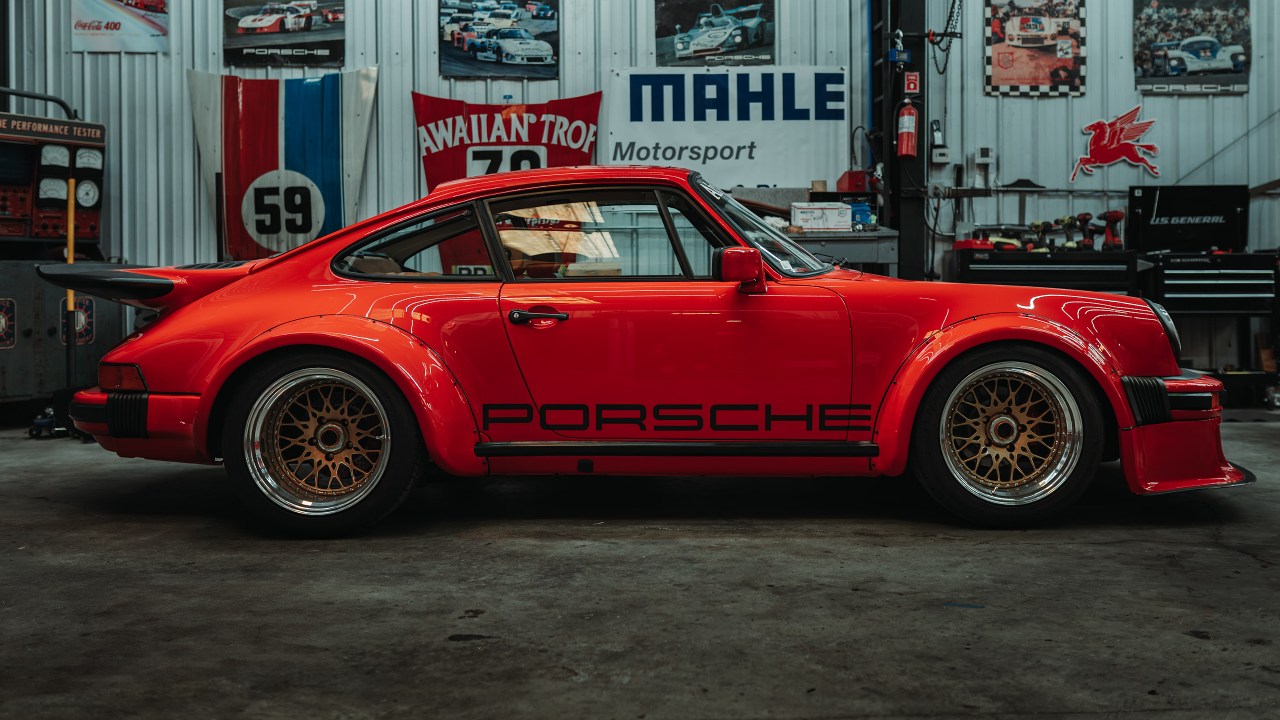
Be on the lookout for common red flags. Rust is a significant concern for many classic cars, especially those from regions with harsh climates. Additionally, non-original parts can impact a car’s value. For instance, a 1967 Porsche 911 with an aftermarket engine may not be as valuable as one with its original engine intact.
Navigating the Buying Process
Knowing where to find classic cars is half the battle. Auctions, such as those held by Barrett-Jackson or Mecum, offer a wide selection of well-maintained vehicles. Dealerships specializing in classic cars can also be a reliable source, though prices may be higher due to dealer markups. Private sellers often provide the best deals, but it’s crucial to perform due diligence to avoid potential scams.
Mastering negotiation tactics is crucial for securing a fair price. Start by researching the car’s market value and use this information to support your offer. Be prepared to walk away if the seller is unwilling to negotiate within your budget. Patience often pays off, as sellers may reconsider after initially rejecting an offer.
Understanding the legal aspects of purchasing a classic car is also vital. Ensure all paperwork, including the title transfer and registration, is completed correctly. Familiarize yourself with local laws, as they can vary significantly between states or countries. For example, some regions require emissions testing for older vehicles, which could influence your decision.
Protecting Your Investment
Once you’ve purchased your classic car, protecting your investment should be a top priority. Different types of insurance are available for classic cars, such as agreed value and stated value policies. Agreed value insurance allows you to set a predetermined value for your car, ensuring you receive that amount in the event of a total loss.
Proper storage and maintenance practices are essential for preserving your car’s value. A climate-controlled garage can prevent rust and deterioration, while regular maintenance keeps the car running smoothly. It’s also beneficial to keep detailed records of all maintenance and repairs, as this documentation can enhance the car’s value to future buyers.
Finally, understand the potential for appreciation and how to leverage your classic car as an investment. Some models, like the Ferrari 250 GTO, have seen significant increases in value over the years. While not every car will appreciate dramatically, choosing a model with a strong market demand increases the likelihood of a good return on investment.