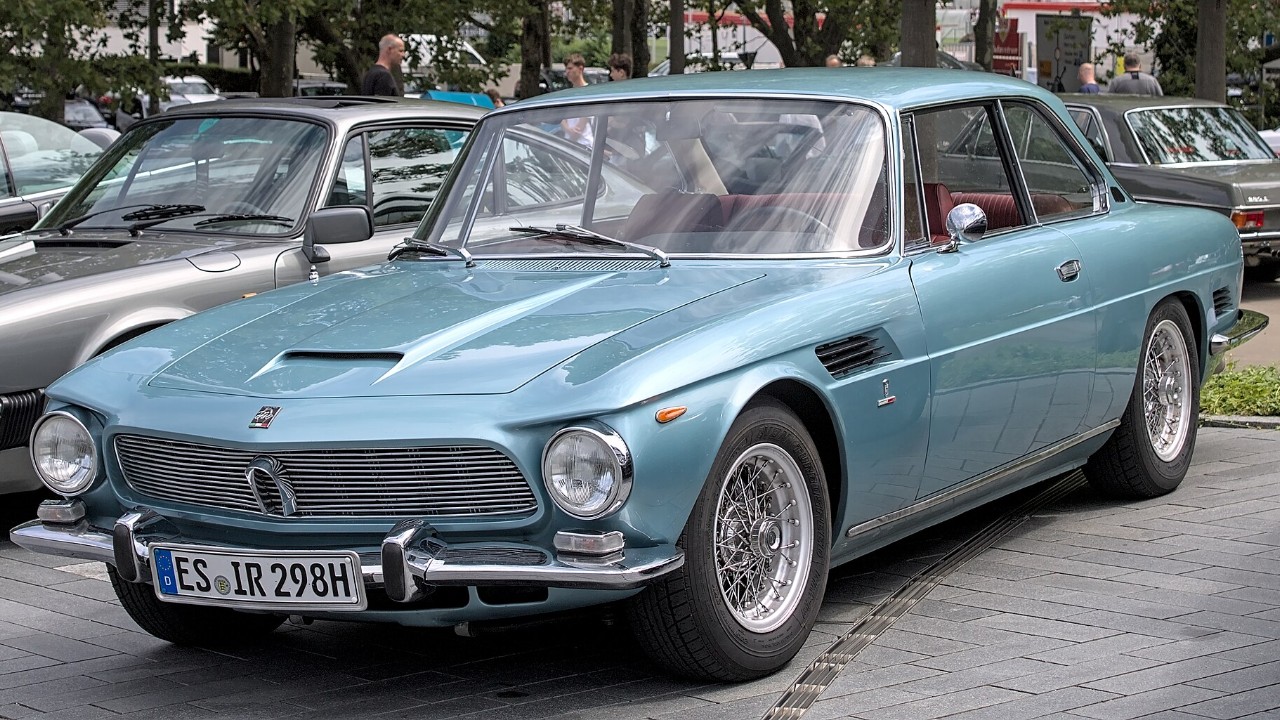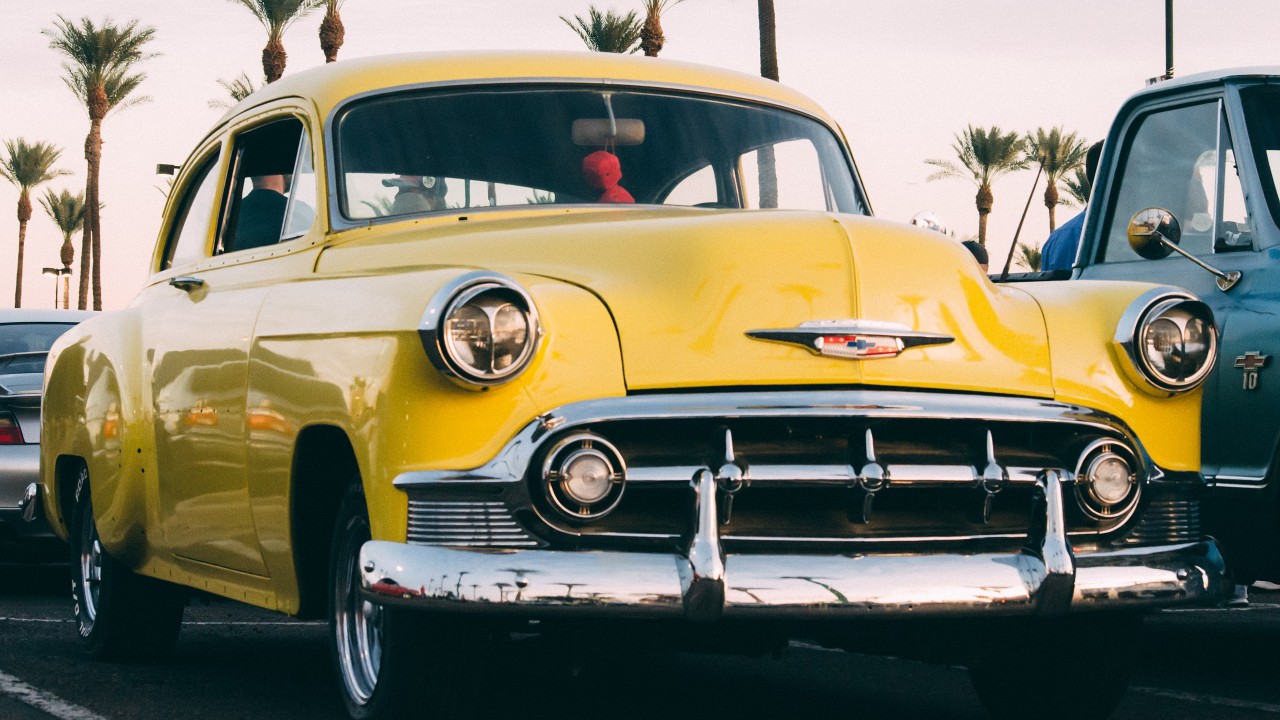
Classic cars hold a special place in the hearts of automotive enthusiasts, not only for their nostalgic appeal but also for their potential as investments. However, insuring these timeless vehicles can be a complex process influenced by various factors. Knowing which classic cars are easiest to insure today can help potential owners make informed decisions.
Understanding Classic Car Insurance
When it comes to defining a classic car, several criteria must be met. Typically, a vehicle must be at least 20 to 25 years old to earn the “classic” designation. However, age alone isn’t the sole determinant. Rarity and historical significance also play crucial roles. For example, a 1957 Chevrolet Bel Air is considered a classic due to its iconic status and limited production numbers over the years. Enthusiasts often gravitate towards such models for their unique charm and place in automotive history.
Classic car insurance significantly differs from standard auto insurance. Unlike traditional policies, classic car insurance offers specialized coverage types tailored to the distinct needs of vintage vehicles. These policies often consider factors like usage, storage conditions, and the car’s value when determining premiums. For instance, a classic car that’s driven occasionally and stored in a secure garage will likely have much lower premiums than one used as a daily driver.
Top Classic Cars with Favorable Insurance Rates
The Ford Mustang, particularly models from 1965 to 1970, is a prime example of a classic car that’s relatively easy to insure. Its immense popularity over the years means parts are readily available, which can significantly lower repair costs and, consequently, insurance premiums. Furthermore, the Mustang boasts a robust community of enthusiasts and club networks, providing ample support for maintenance and restoration efforts. This network can be a valuable resource for owners looking to keep their insurance costs manageable.
Another classic car with favorable insurance rates is the Chevrolet Camaro, especially the 1967 to 1969 models. Like the Mustang, the Camaro enjoys a strong following among collectors and restorers, which translates to a steady supply of replacement parts. Insurance costs for a Camaro are often comparable to those of a Mustang, making it an attractive option for classic car enthusiasts. The ease of restoration and the car’s appeal to collectors further enhance its desirability and insurability.
Factors Influencing Insurance Costs
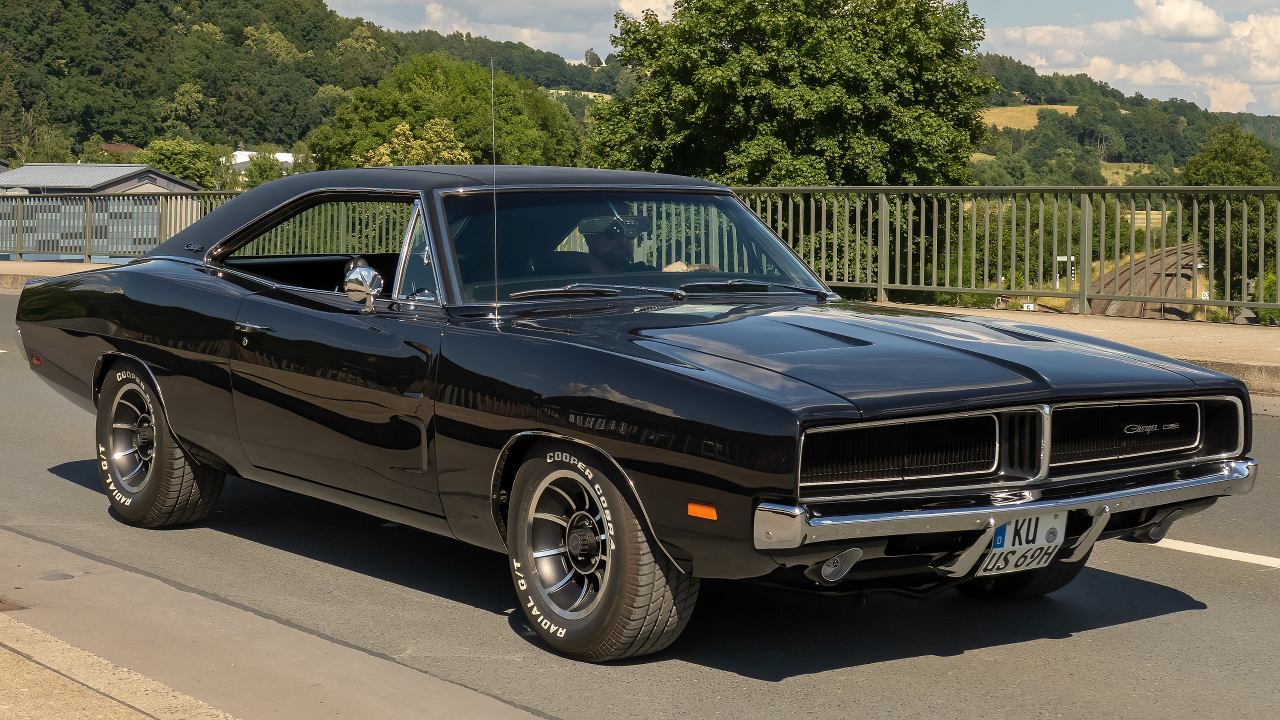
The condition of a classic car and any modifications it may have undergone are critical factors in determining insurance costs. A vehicle in its original condition is generally more valuable and easier to insure than one with extensive modifications. For example, a pristine 1969 Dodge Charger with original parts will likely fetch a lower premium compared to a heavily modified counterpart. Insurance companies often view modifications as potential risks, which can complicate coverage options and lead to increased premiums.
Usage and mileage also play pivotal roles in classic car insurance costs. Many insurers impose restrictions on mileage and usage to qualify for lower premiums, encouraging owners to use their vehicles sparingly. A classic car used solely for occasional drives or shows will usually have lower insurance costs than one driven regularly. The difference between occasional use and daily driving can significantly impact the rates, making it essential for owners to carefully consider how they plan to use their classic vehicle.
Tips for Reducing Classic Car Insurance Costs
Choosing the right insurance policy is vital for classic car owners looking to reduce costs. Agreed value policies, which set the car’s insured value based on a mutual agreement between the owner and insurer, can provide peace of mind and often result in lower premiums. This contrasts with stated value policies, where the insurer may not cover the full value of the car in the event of a loss. Comprehensive coverage is also crucial, as it protects against various perils that classic cars might face, such as theft, vandalism, or natural disasters.
Membership in classic car clubs can be a strategic move for enthusiasts aiming to cut insurance costs. Many insurance companies offer discounts to club members, recognizing the commitment and care these owners typically show toward their vehicles. Beyond financial benefits, club membership provides networking opportunities and shared resources for maintenance and restoration. For instance, a member of the Mustang Club of America might access exclusive parts suppliers or restoration experts, enabling them to better maintain their vehicle and potentially lower insurance rates.
The Role of Professional Appraisals and Inspections
Accurate valuation of a classic car is paramount when it comes to insurance. Professional appraisals help determine the true market value of a vehicle, influencing the premiums and ensuring adequate coverage in the event of a loss or damage. An appraisal for a 1961 Ferrari 250 GT, for instance, would consider the car’s rarity, condition, and historical significance, providing both the insurer and owner with a clear understanding of its worth.
Regular inspections and diligent maintenance are crucial for maintaining favorable insurance rates. Documented maintenance records can demonstrate to insurers that a vehicle is well cared for, potentially leading to lower premiums. Moreover, these records encourage preventative measures that help avoid costly repairs. A classic car like a 1970 Plymouth Barracuda, kept in top shape through regular inspections, not only retains its value but also becomes easier and more cost-effective to insure.