Toyota is recalling more than 126,000 pickup trucks and SUVs in North America after identifying an engine problem that can cause sudden power loss and, in the worst cases, complete engine failure. The campaign affects popular Toyota and Lexus models and expands an earlier safety action as the company races to contain a defect that can leave drivers without propulsion at highway speeds.
I see this recall as a pivotal test of how a global automaker handles a high-stakes mechanical flaw that is serious enough to disable engines but subtle enough that many owners may not notice early warning signs. The scope, roughly 126,000 to 127,000 vehicles, underscores how a single weak point in the engine assembly can ripple across multiple model lines and model years.
What Toyota is recalling and why it matters
At the center of this safety action are full-size Toyota trucks and Lexus SUVs equipped with conventional gasoline engines that share a vulnerable internal component. According to Toyota, the recall covers model year 2022 and 2023 Toyota Tundra pickups and certain Lexus GX and Lexus LX models, all using the same basic engine architecture that has now been linked to a risk of engine failure. Company materials describe the campaign as involving “Approximately 127,000” Toyota and Lexus branded vehicles in North America, while other reporting pegs the affected population at more than 126,000 units.
The underlying defect has been described as a “Hidden Flaw Could Wreck” affected Toyota Cars, a phrase that captures how the problem is buried deep in the engine but can have dramatic consequences on the road. Reports indicate that a specific engine component can degrade or fail, which may lead to abnormal noises, warning lights, reduced power, or a complete loss of propulsion. In practical terms, that means a Tundra or Lexus LX600 driver could experience a sudden drop in speed or a stalled engine in traffic, a scenario that regulators treat as a serious crash risk even if the vehicle’s brakes and steering remain functional.
How the defect shows up on the road
From an owner’s perspective, the most important question is what this engine issue looks and feels like in everyday driving. Based on the recall descriptions, the defect can manifest in several stages, starting with subtle symptoms and potentially escalating to a full shutdown. Drivers may first notice unusual engine sounds, dashboard warnings, or a sense that the truck or SUV is struggling to accelerate as it normally would. If the internal damage progresses, the engine can lose power abruptly, leaving the vehicle coasting or forcing the driver to pull over as the powertrain shuts down.
Safety regulators treat that kind of sudden power loss as more than an inconvenience, because it can unfold at highway speeds or in the middle of a lane change. Coverage of the campaign notes that Toyota is recalling more than 126,000 vehicles over a potential engine failure issue that can result in crashes if drivers are unable to accelerate out of danger or maintain speed with surrounding traffic. Another report describes a major recall for more than 126,000 Toy models, warning that the dangerous engine flaw can cause a loss of power. Taken together, the message is clear: even if the steering wheel still turns and the brakes still work, a dead or severely weakened engine in a heavy pickup or SUV is a genuine hazard.
Which Toyota and Lexus owners are affected
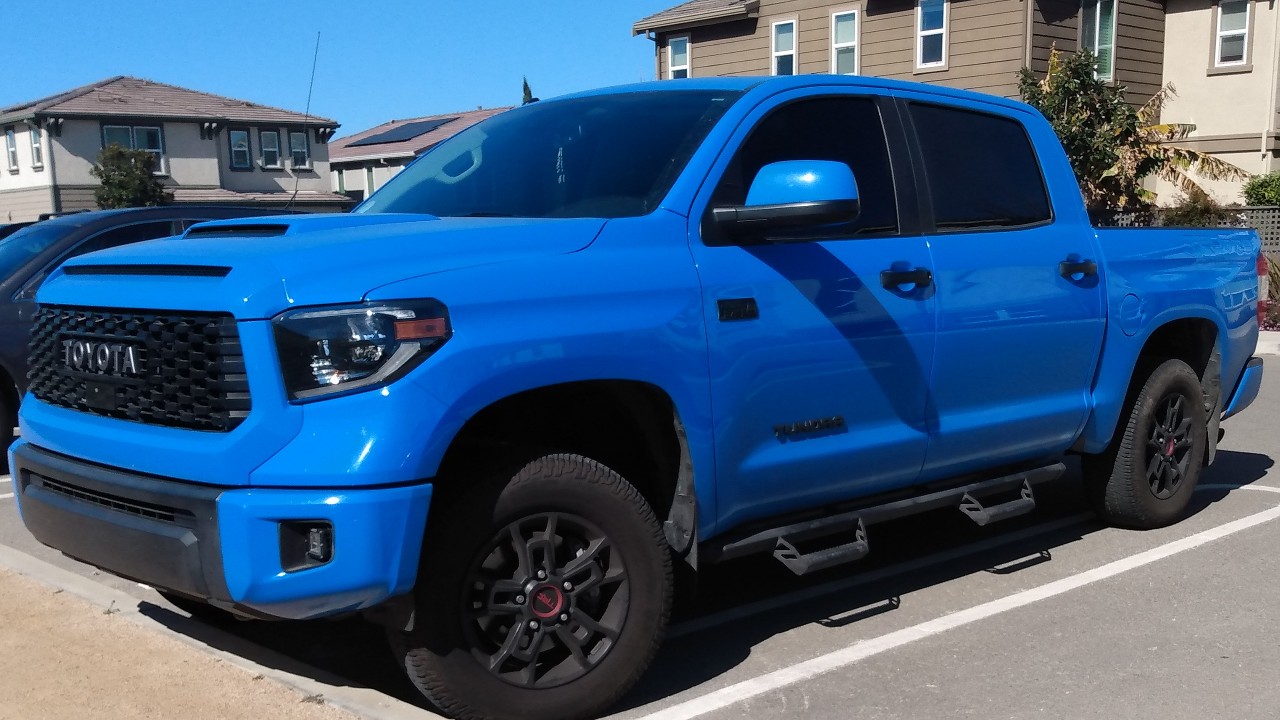
The recall is not limited to a single nameplate, which complicates the task for owners trying to figure out whether their vehicle is at risk. Toyota has confirmed that the campaign covers certain Toyota Tundra trucks and Lexus GX and LX SUVs that share the same gasoline engine family. Earlier safety notices had already flagged 2022 and 2023 Tundra and Lexus LX600 models that used the same engine design, and the latest action expands that net to capture additional vehicles built with the problematic parts. One national report notes that more than 126,000 Toyota and Lexus vehicles are affected, including Tundra models, as part of a broader effort to address potential engine failure in these platforms.
For owners, the most reliable way to check status is to use the vehicle identification number with Toyota or Lexus recall lookup tools, since not every Tundra or Lexus SUV on the road is necessarily included. Official materials emphasize that the recall involves conventional gas models only, which means hybrid variants are not part of this specific campaign. A detailed breakdown from Toyota describes “Approximately 127,000” affected Toyota and Lexus vehicles in North America, while other coverage cites more than 126,000 impacted units, a small discrepancy that reflects rounding rather than a fundamentally different picture of the scope.
What Toyota is doing to fix the problem
From a corporate standpoint, the recall is as much about process as it is about parts. Toyota Motor Corporation has acknowledged the defect and says it is working on finding a solution for the issue, a step that typically involves both engineering changes for future production and a repair protocol for vehicles already on the road. The company has indicated that once the solution is finalized, authorized dealers will handle the repairs for free, a standard practice in safety recalls that ensures owners are not left paying for a defect that originated in the factory. That commitment is reflected in reporting that notes Toyota (Toyota Motor Corporation) is actively developing the remedy and that dealers will perform the necessary work at no cost once the fix is ready.
In the meantime, Toyota has been notifying owners and coordinating with regulators to define the exact repair steps, which may include inspecting the engine, replacing specific components, or in severe cases swapping out the entire engine assembly. One detailed recall notice explains that the company is recalling about 127K pickup trucks and SUVs over potential engine issues, underscoring that the campaign is focused on preventing failures before they happen rather than waiting for widespread breakdowns. Another report on how more than 126K vehicles, including Tundra models, are being recalled over potential engine failure highlights that Toyota is expanding an earlier safety notice to capture additional vehicles that used the same vulnerable parts.
What owners should do now
For drivers of late-model Toyota trucks and Lexus SUVs, the recall is a prompt to act, not a reason to panic. My first recommendation is straightforward: check whether your vehicle is included, then schedule a dealer visit as soon as the remedy is available. Owners of Toyota Tundra, Lexus GX, and Lexus LX models built in the affected years should verify their status using official recall lookup tools or by contacting a dealer, especially if they have noticed any unusual engine behavior such as knocking sounds, warning lights, or sluggish acceleration. Reports that more than 126,000 vehicles are being recalled over a possible engine failure issue that can result in crashes underline why it is worth taking the time to confirm.
Once the fix is ready, owners should expect dealers to perform the repair free of charge, consistent with Toyota’s statement that Once the solution is in place, authorized facilities will handle the work at no cost. Until then, drivers who suspect their vehicle is affected should pay close attention to any changes in engine performance and avoid ignoring warning lights or persistent noises. Coverage describing a major recall for more than 126,000 Toy models, framed around a dangerous engine flaw that can cause a loss of power, is a reminder that modern vehicles can mask serious problems until they suddenly cannot. Acting early, while the engine is still running, is the best way for owners to protect both their safety and their investment.