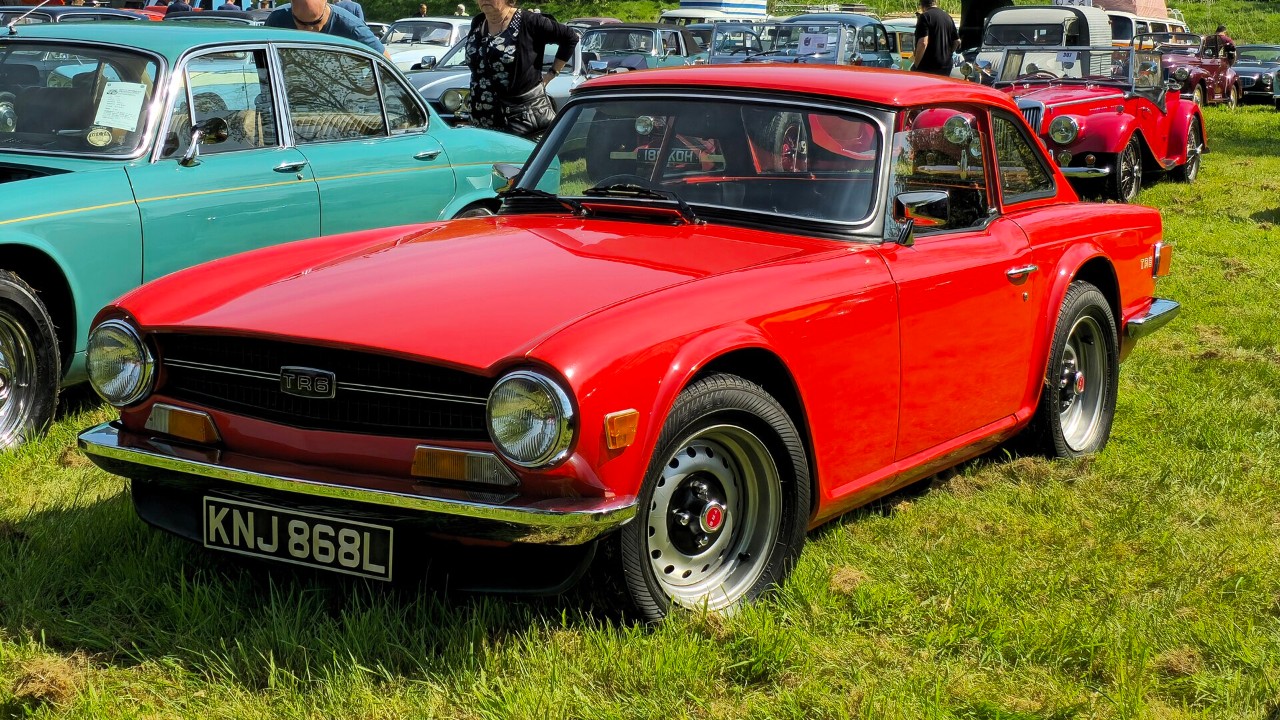
The Triumph TR line ran from a 90-horsepower roadster in 1953 to a Rover V8 convertible in 1980. Along the way, the Triumph TR cars switched from four cylinders to six and back again. They also traded separate-chassis curves for Michelotti, Karmann and, finally, a wedge.
Here are nine Triumph TR sports cars in the order they arrived, from the TR2 to the TR8. Each entry uses the year, engine and production figures given by the source linked in its section.
1. 1953 Triumph TR2
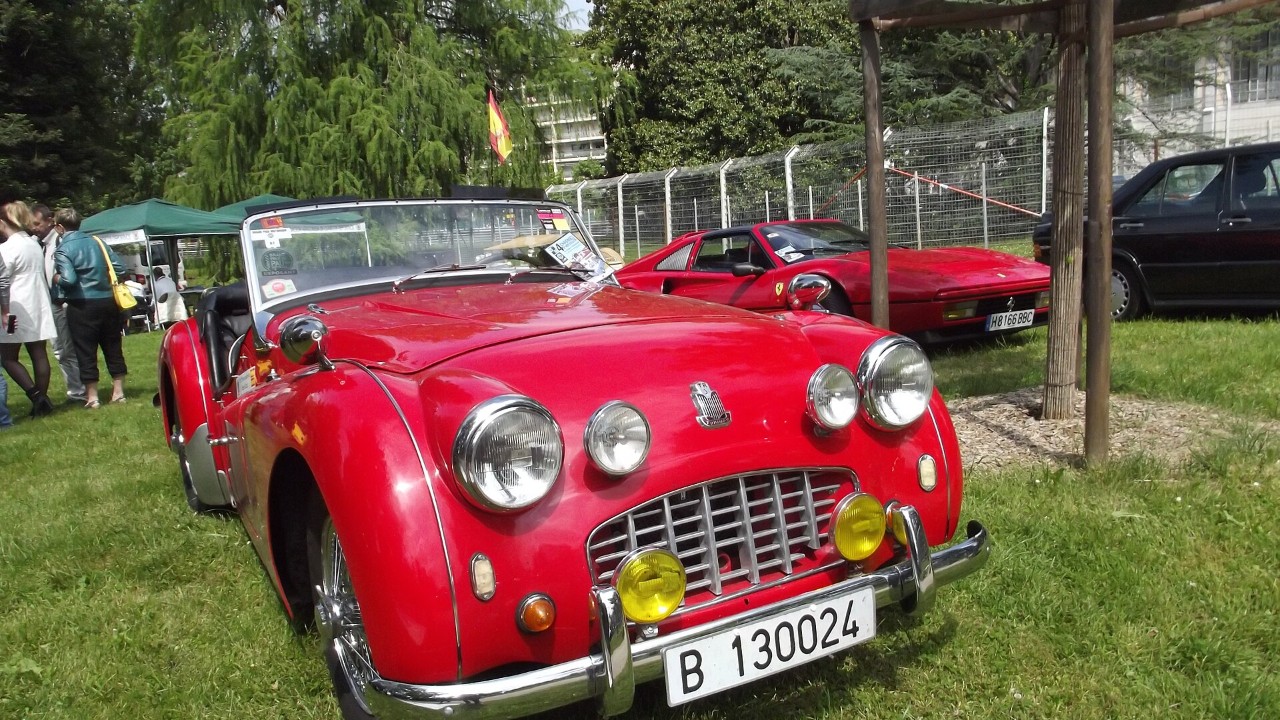
The TR2 started with a family-car engine. Triumph took the Standard Vanguard four and shrank it from 2,088 cc to under two litres. Then it gave the engine a new cylinder head with two carburetors.
According to Motor Sport’s archive, the production engine made 90 bhp, and the TR2 could claim to be a 100-mph two-seater. In fact, a special version reached 125 mph at Jabbeke. The basic price was only £625, or £887 with purchase tax. Motor Sport lists production as 1953 to 1955, and Autozine counts 8,636 cars.
2. Triumph TR3 and TR3A
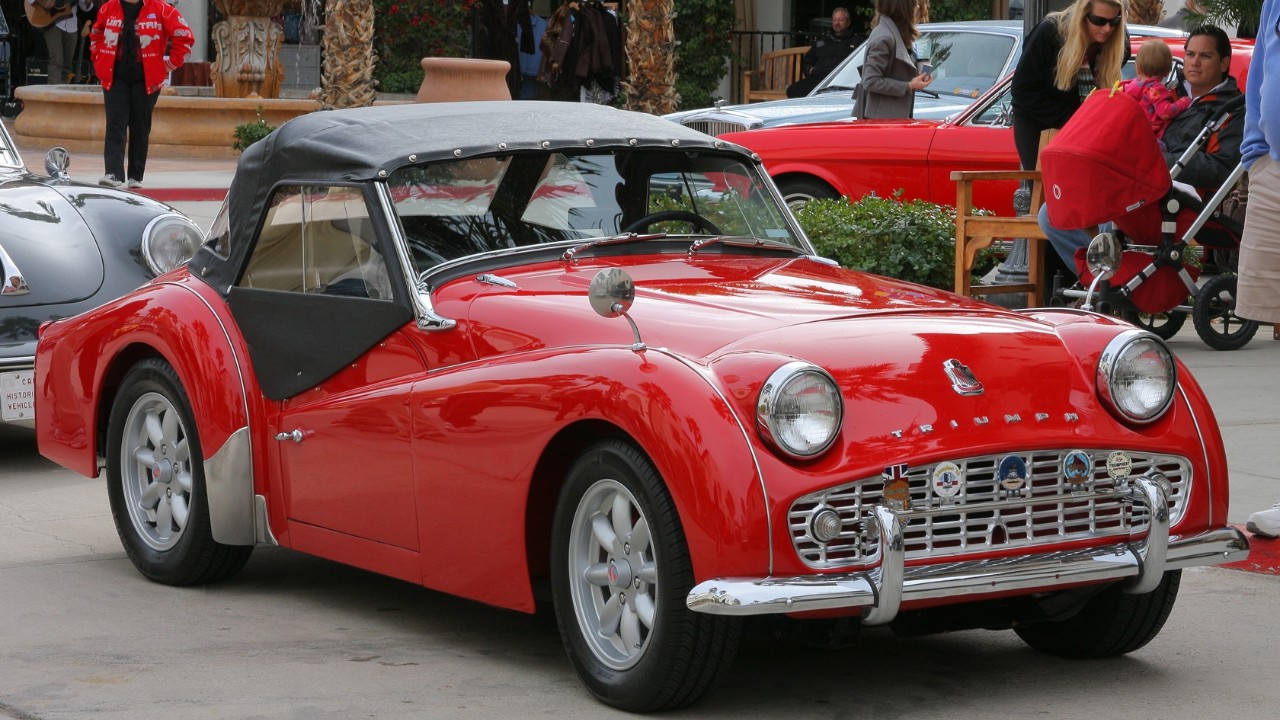
Next came steady development rather than a clean-sheet design. Changes to the body and mechanicals produced the TR3, and later the TR3A. The engine stayed at 1,991 cc so the car remained eligible for the international 1,501 to 2,000 cc class.
By then, Unique Cars and Parts says, power had reached 100 bhp at 5,000 rpm. Autozine notes the TR3A’s main visual change was a full-width front grille. Finally, about 3,331 TR3Bs went to North America in 1962, most with the larger 2,138 cc engine. Unique Cars puts total TR2 to TR3B production at “something under 80,000 cars.”
3. 1961 Triumph TR4
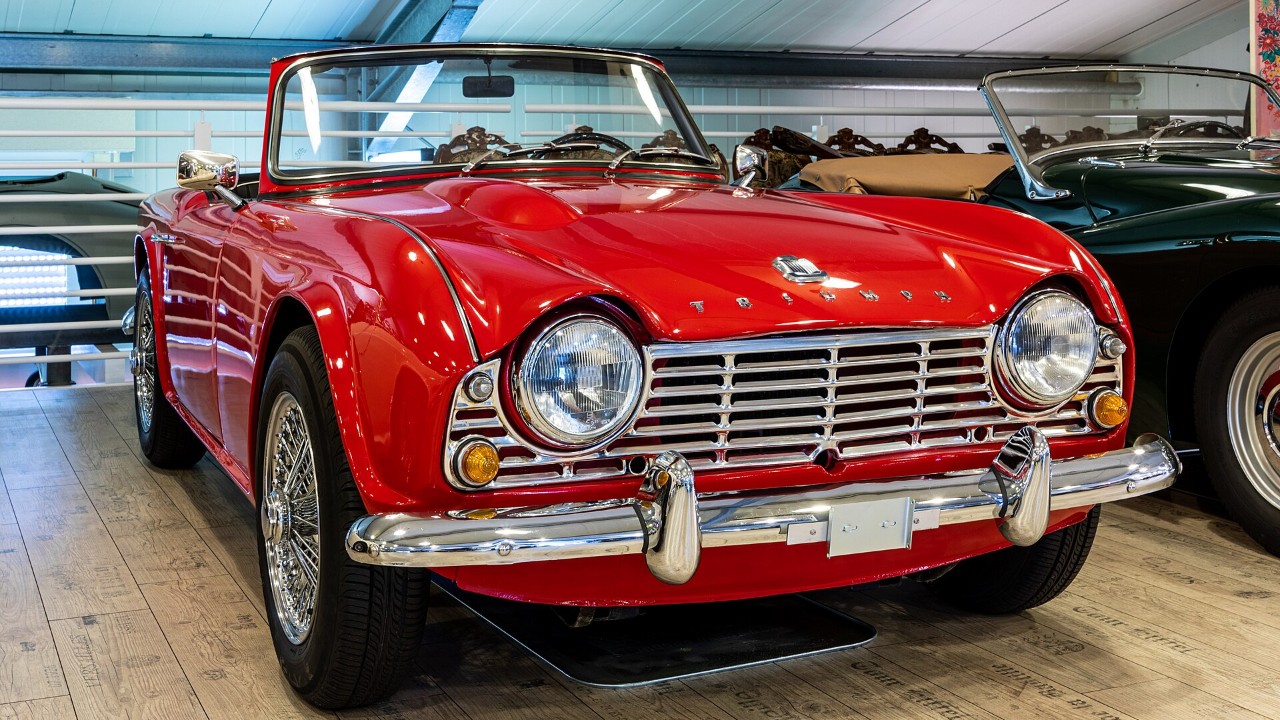
The TR4 brought a new body drawn by Giovanni Michelotti. It also brought wind-up windows, the first on any Triumph sports model. Meanwhile, rack-and-pinion steering sharpened the front end.
According to Club Triumph, the TR4 entered production in July 1961 with the 2,138 cc engine as standard. Autozine credits it with 100 hp and 109 mph. In total, Autozine counts 40,253 TR4s.
4. 1965 Triumph TR4A
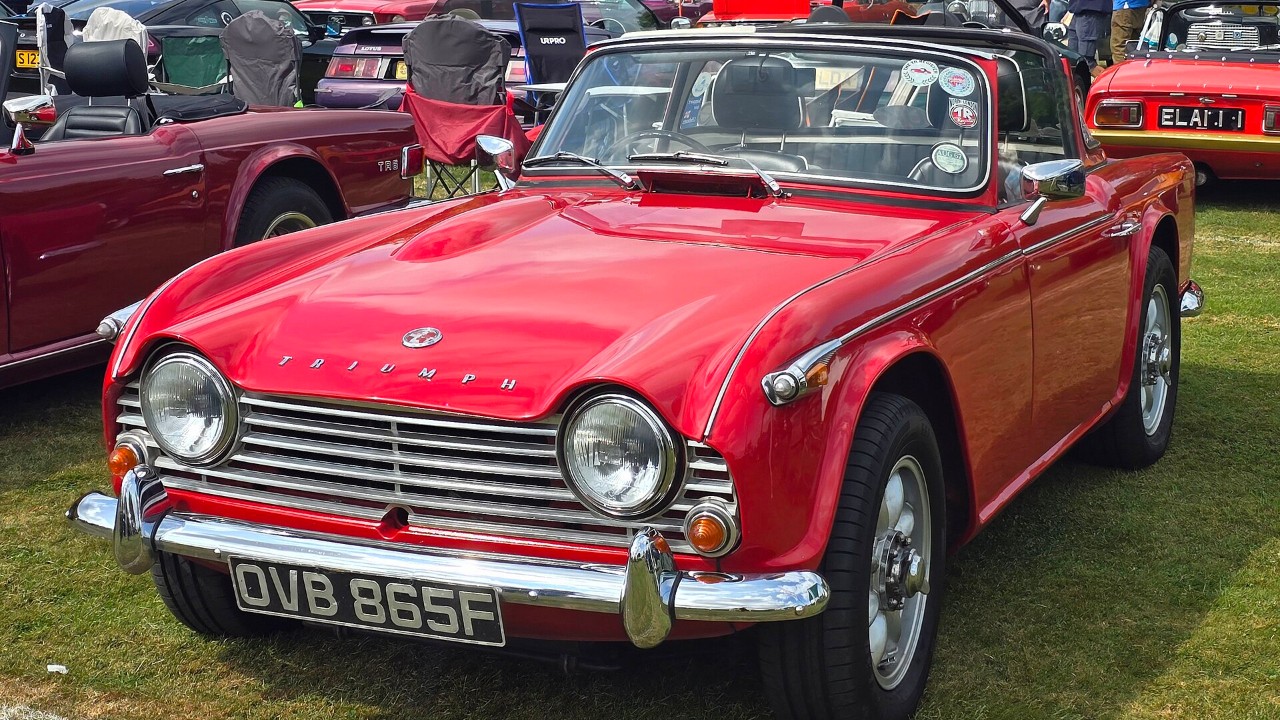
From the outside, the TR4A looked much like the TR4. Underneath, however, it gained independent rear suspension. According to Autozine, that setup replaced the live axle of the earlier car.
Club Triumph dates the TR4A to January 1965. Still, Triumph also built the new model with a live axle for the US market. Autozine lists 105 hp for the TR4A and puts production at 28,465 cars.
5. 1967 Triumph TR5
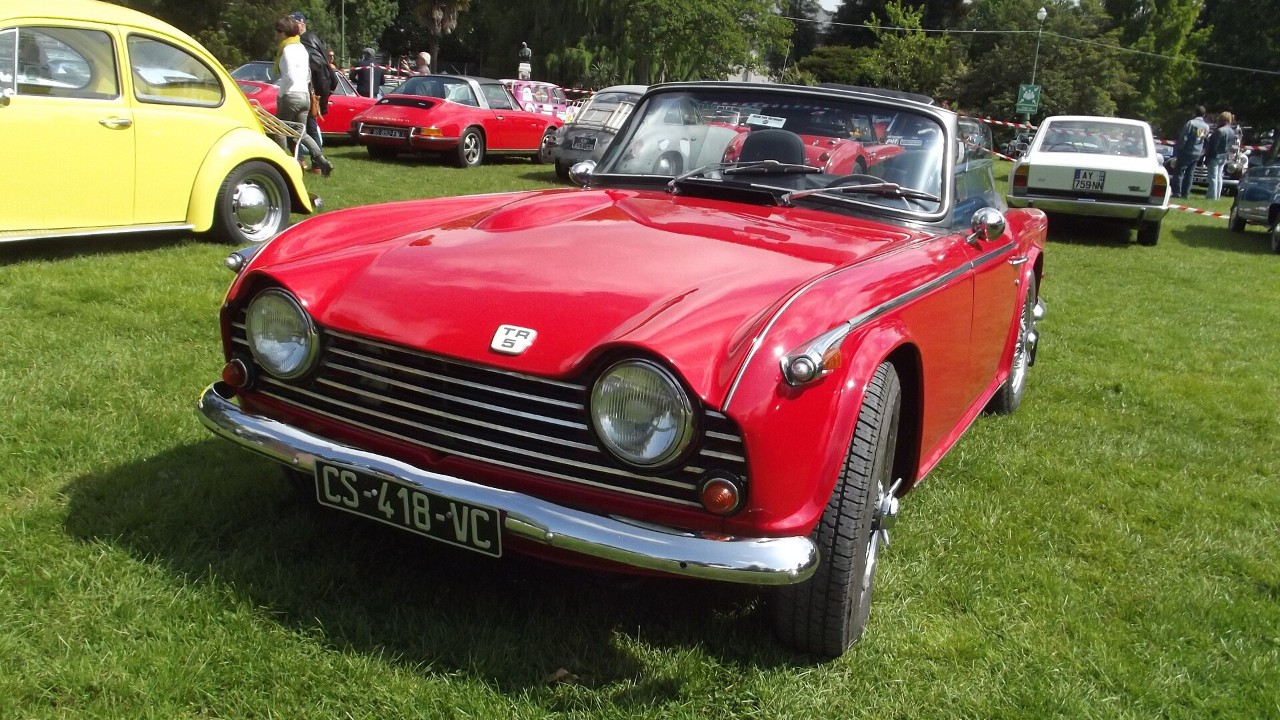
The TR5 kept the TR4A’s Michelotti shape but swapped the four for a six. Its 2,498 cc engine used Lucas mechanical fuel injection. Club Triumph calls it the first fuel injection on a UK production car.
The TR Register’s buyer’s guide rates the TR5 at 150 bhp at 5,500 rpm. However, the car never went on sale in North America, because of new US exhaust-emission rules. That is why only 2,947 TR5s exist, according to the TR Register.
6. 1968 Triumph TR250
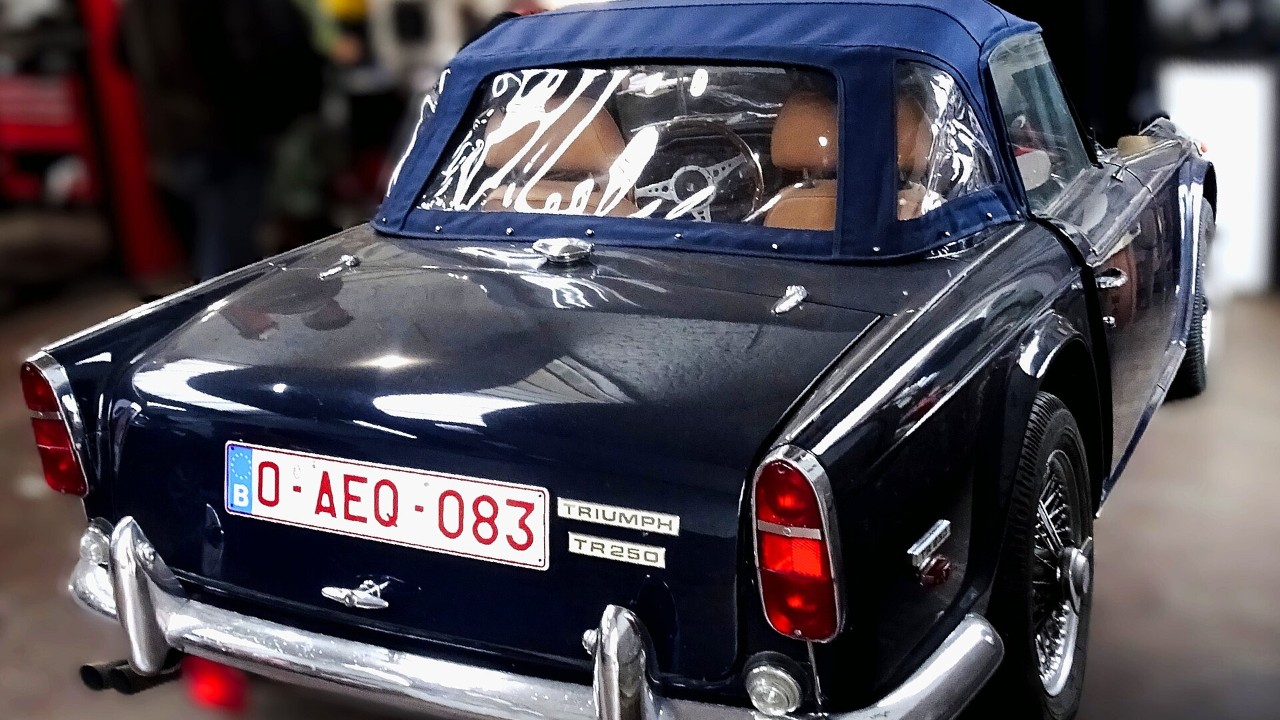
For North America, Triumph built the TR250 instead. It used the same 2,498 cc six, but with twin Stromberg 175CD carburetors instead of fuel injection.
The TR Register gives the TR250 104 bhp at 4,500 rpm and says it went to North America and Canada only. For recognition, it wore a transverse stripe across the nose. In the end, the carbureted car outsold its injected twin, with 8,484 built, according to the TR Register.
7. 1969 Triumph TR6
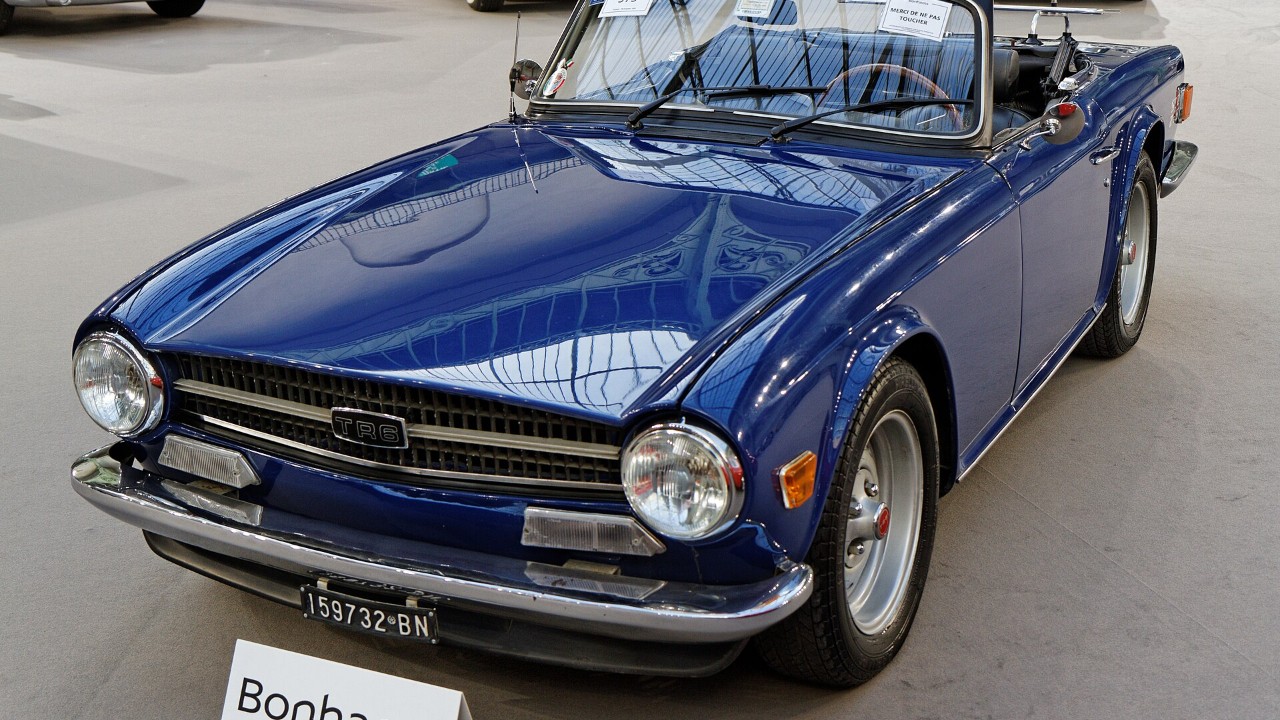
The TR6 kept the six but changed the look. Karmann gave the body a substantial facelift. Autozine describes the engine as an overhead-valve design.
Power depended on where you lived. According to Classic & Sports Car, US cars had a carbureted engine of about 105 bhp. By comparison, UK and European cars got the 150-bhp injected unit, recalibrated to 124 bhp (DIN) for 1973. The magazine gives the run as 1969 to 1976 and counts 94,619 cars, while Autozine’s figure is 91,850.
8. 1975 Triumph TR7
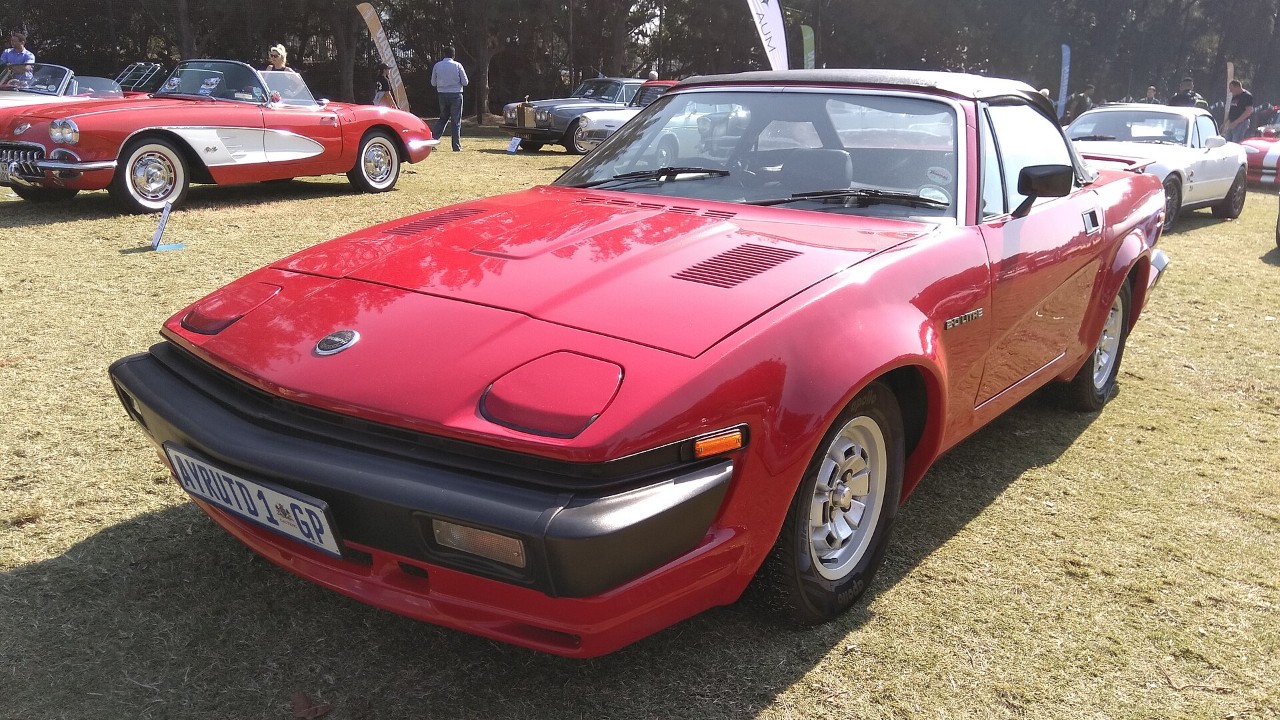
The TR7 broke with everything before it. It was a closed wedge rather than an open roadster, and it went back to four cylinders. At first, Triumph sold it alongside the TR6 for about a year.
According to Hagerty, the TR7 arrived in early 1975 with a two-liter, eight-valve overhead-cam four of about 100 hp. Oddly, Triumph shared that engine with the Saab 99. A convertible followed in 1979. Meanwhile, the Lane Motor Museum notes, production ran from 1974 to 1981, with 112,368 built.
9. 1980 Triumph TR8
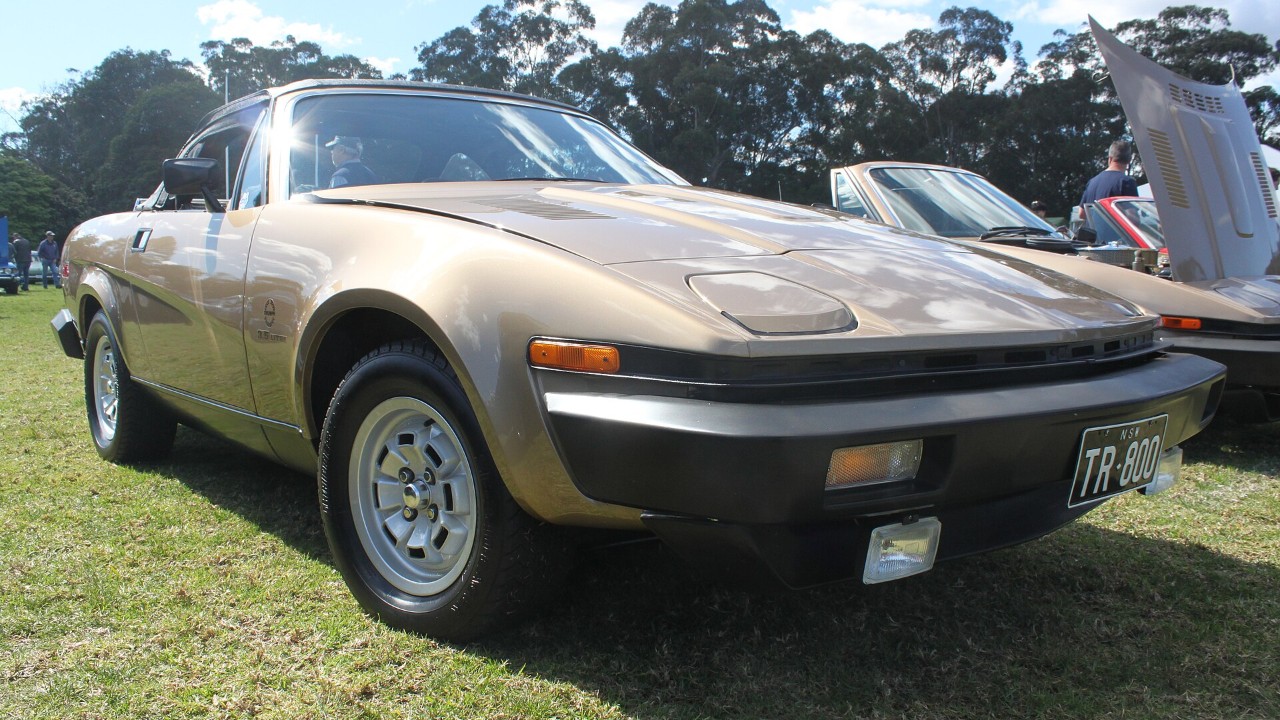
The last TR answered the obvious question about the TR7: what if it had a V8? In 1980, Triumph put the Rover V8 into the TR7 convertible. A five-speed Rover gearbox handled the power.
According to Classic Car Garage, that Rover V8 displaced 3,532 cc. The TR8 shared the wedge body that the Lane Motor Museum says the TR7 introduced. In the end, the TR story closed with a small run: only 2,497 TR8s, according to Classic Car Garage.
More from Fast Lane Only
- Unboxing the WWII Jeep in a Crate
- 15 rare Chevys collectors are quietly buying
- 10 underrated V8s still worth hunting down
- Police notice this before you even roll window down
This article was created with the help of AI and was reviewed and edited by Fast Lane Only editors before publication.