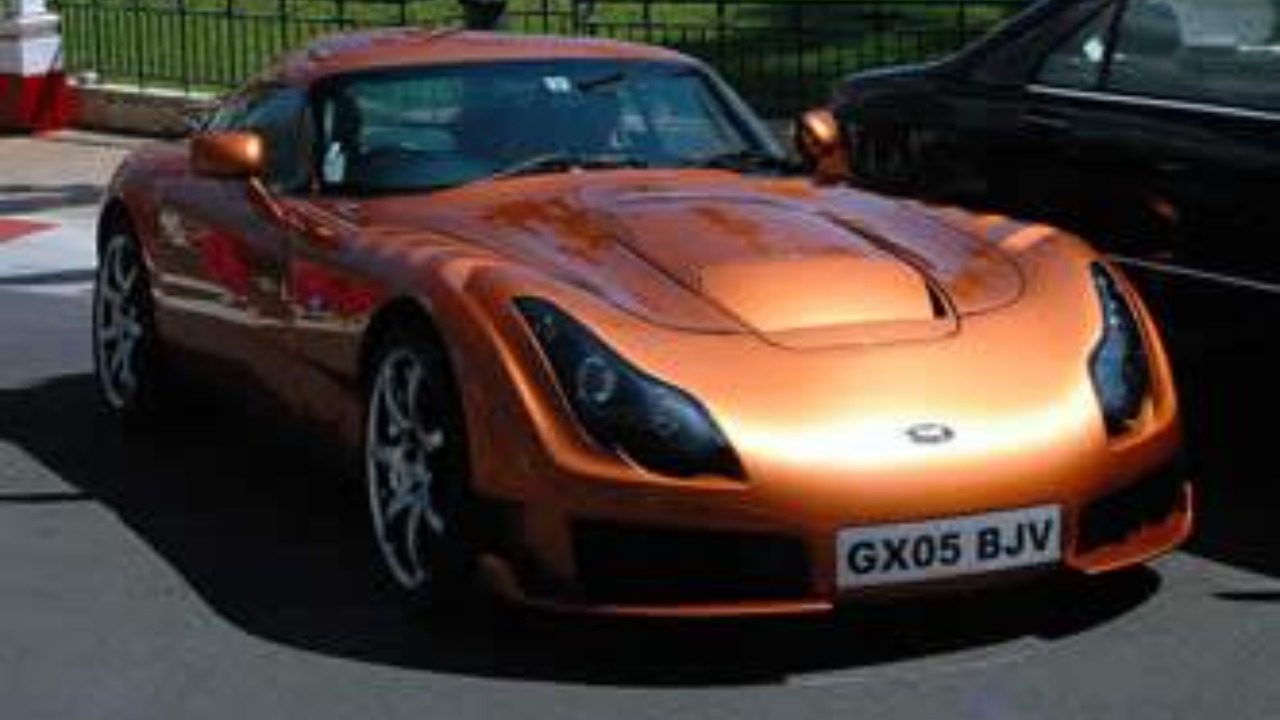
TVR began with Trevor Wilkinson’s 1947 special, and within ten years the company had built more than 100 Granturas. Over the decades that followed, the small British maker kept swapping engines, owners and body shapes.
The Lilley family bought the firm in 1965, Peter Wheeler later took the wheel, and Nikolai Smolensky arrived in 2004. These seven cars trace that history, with engine figures and build counts from the TVR Car Club’s model pages.
1. 1960s TVR Grantura
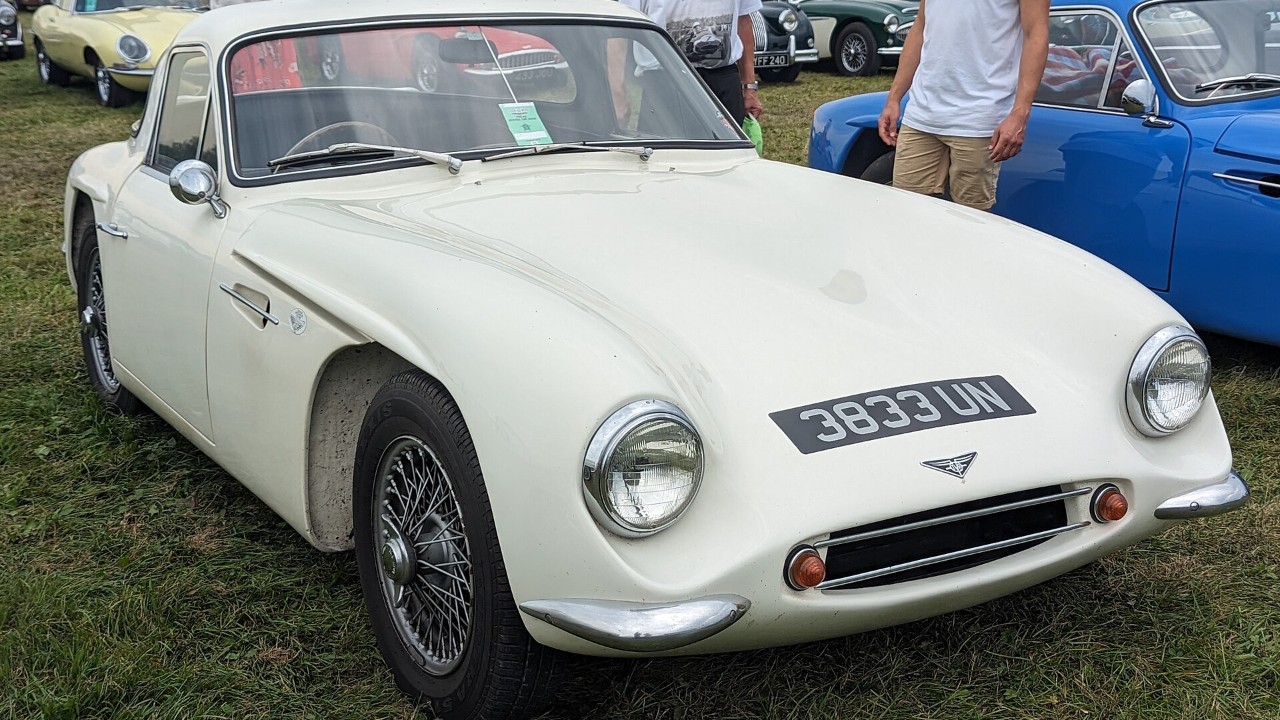
The Grantura came in a string of marks, and the club counts roughly 100 MkIs and 400 MkIIs. The MkII used a 1,588cc MGA four with 79 bhp, which the club credits with 0-60 mph in 12 seconds and a 98-mph top speed.
Next, John Thurner’s MkIII brought a longer, better-braced chassis with coil springs all round, and the club lists about 60 of them. The run ended with the 1800S MkIV, whose 1,798cc MGB engine made 95 bhp. Just 78 left the works, according to the club’s Grantura page.
2. 1967–1973 TVR Vixen
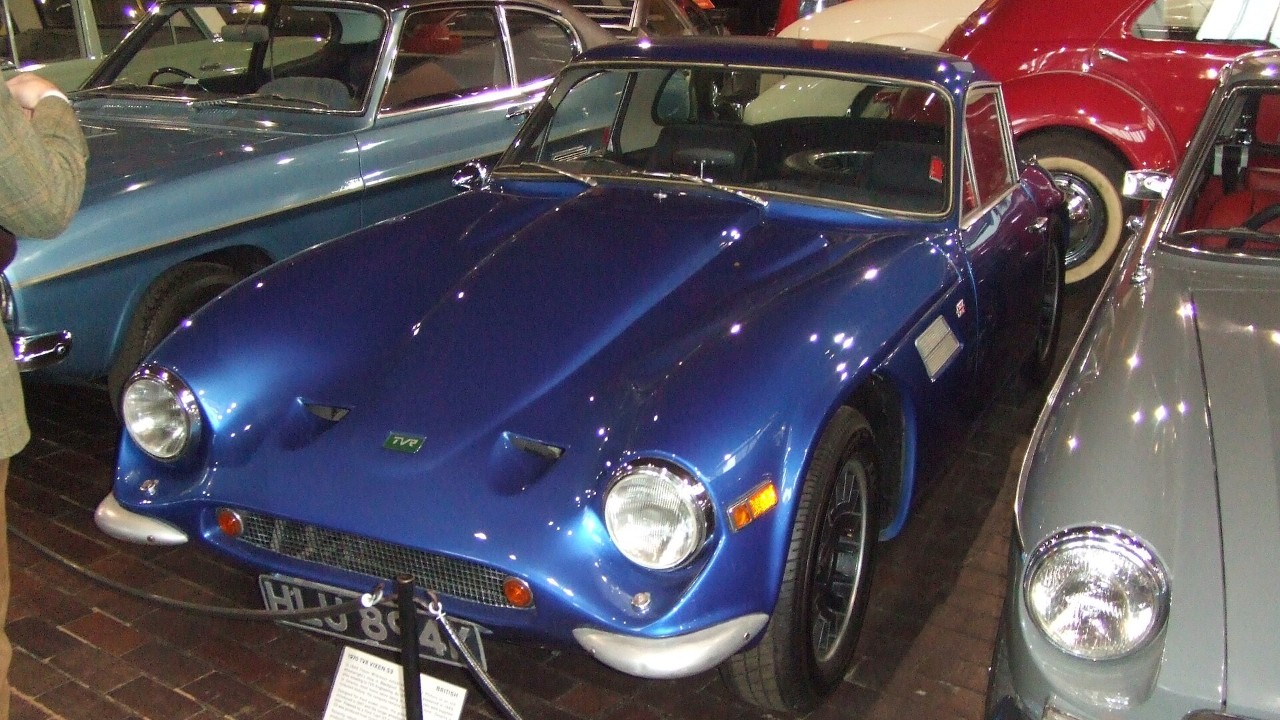
The Vixen swapped MG power for Ford’s 1,599cc Cortina GT crossflow four, rated at 88 bhp in the 117 S1 cars. Even so, a few S1s left the factory with MGB engines instead.
The S2 sold best at 438 cars, and it brought a structural first. It was the first TVR whose body bolted to the multi-tubular chassis instead of bonding to it. The club’s Vixen page also lists 23 S4s, an interim model on the new M Series chassis.
3. 1970s TVR 3000M
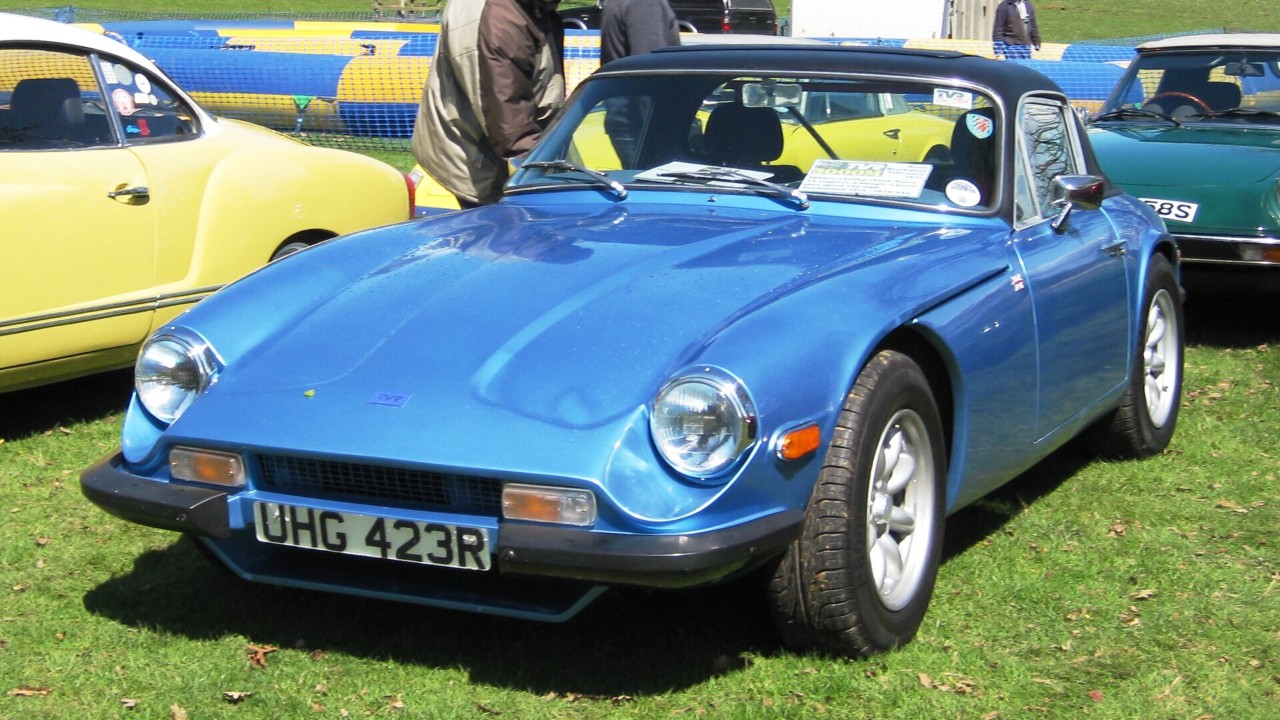
After TVR went into liquidation in 1965, Martin Lilley and his father Arthur bought it within weeks. Their M Series later combined the Vixen and the wide-bodied Tuscan on a new chassis.
In 3000M form, a 2,994cc Ford Essex V6 made 165 bhp for a 125-mph top speed, and TVR built 654 of them. Twenty 3000M Turbos added 230 bhp, according to the club’s M Series page, and the whole range ended in 1980.
4. 1980s TVR Tasmin 280i
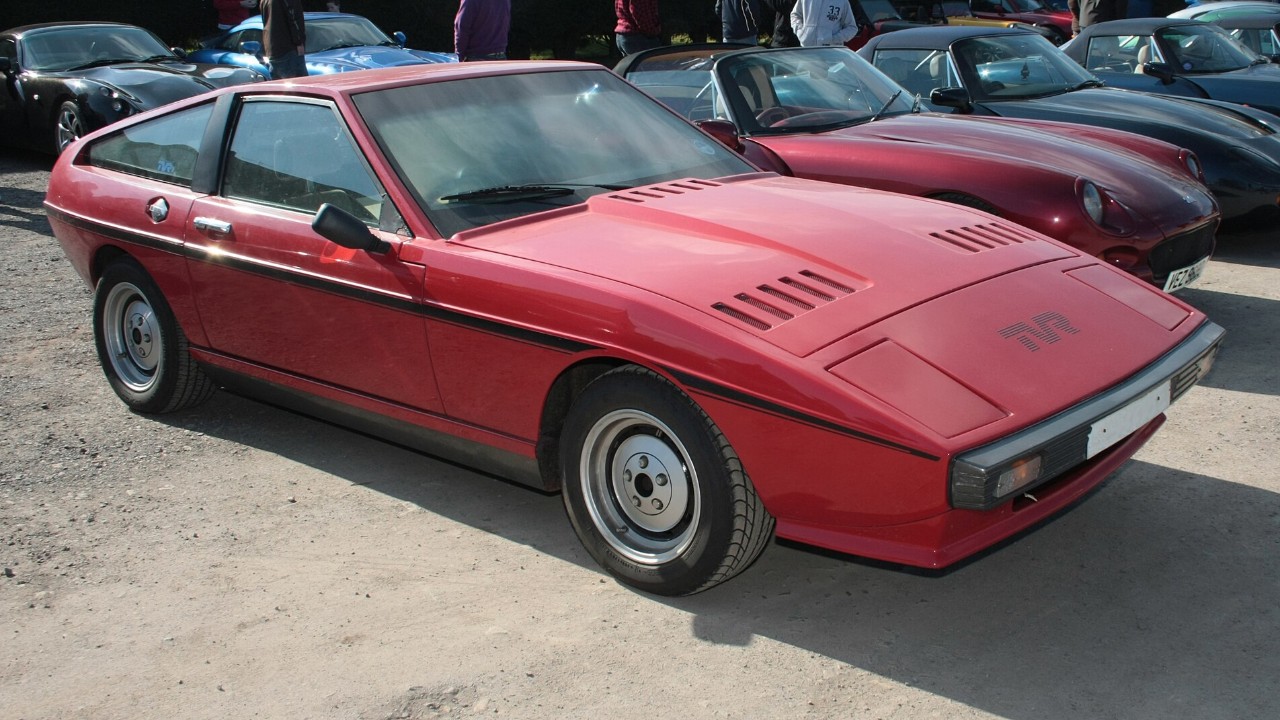
The wedge-shaped Tasmin appeared in 1980, and Classic & Sports Car says it first looked like a lame duck. Its fortunes turned, however, once Peter Wheeler took over the company.
The Ford V6 cars took the 280i name around 1983. Their 2,792cc engine gave a 130-mph top speed, and the club counts 862 Tasmin 280i cars, citing Graham Robson’s book The TVRs. Later Rover V8 versions went further, because the 350i’s 3,528cc engine made 190 bhp, as the club’s wedge page notes.
5. 1993 TVR Chimaera
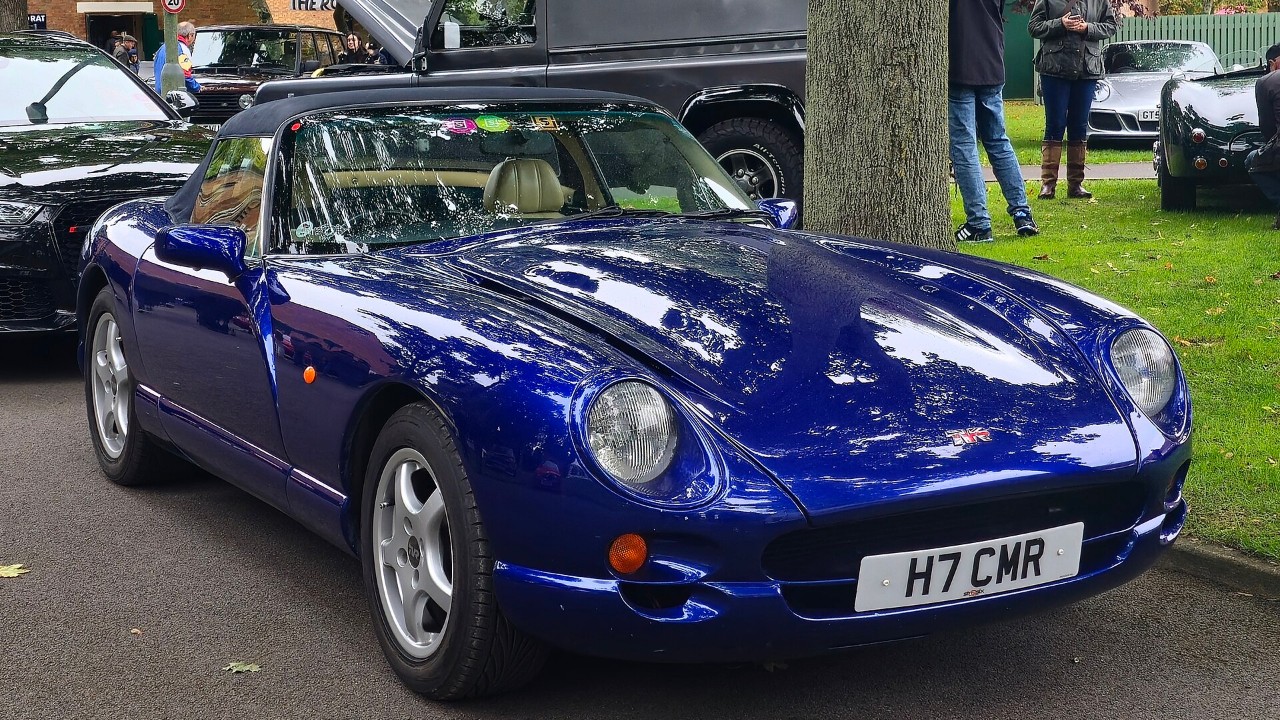
The Chimaera used the Griffith’s chassis and running gear, with softer suspension, Bilstein dampers and a rear anti-roll bar. According to the club, Peter Wheeler, John Ravenscroft and Wheeler’s dog Ned designed it. Rumor even credits Ned with the front indicator recess.
Rover V8s ran from 3,950cc and 240 bhp up to 4,988cc and 340 bhp. The car became TVR’s biggest seller in 1993 and held that spot until 1998, according to the club’s Chimaera page, which puts total output at about 6,000.
6. 1996–2003 TVR Cerbera
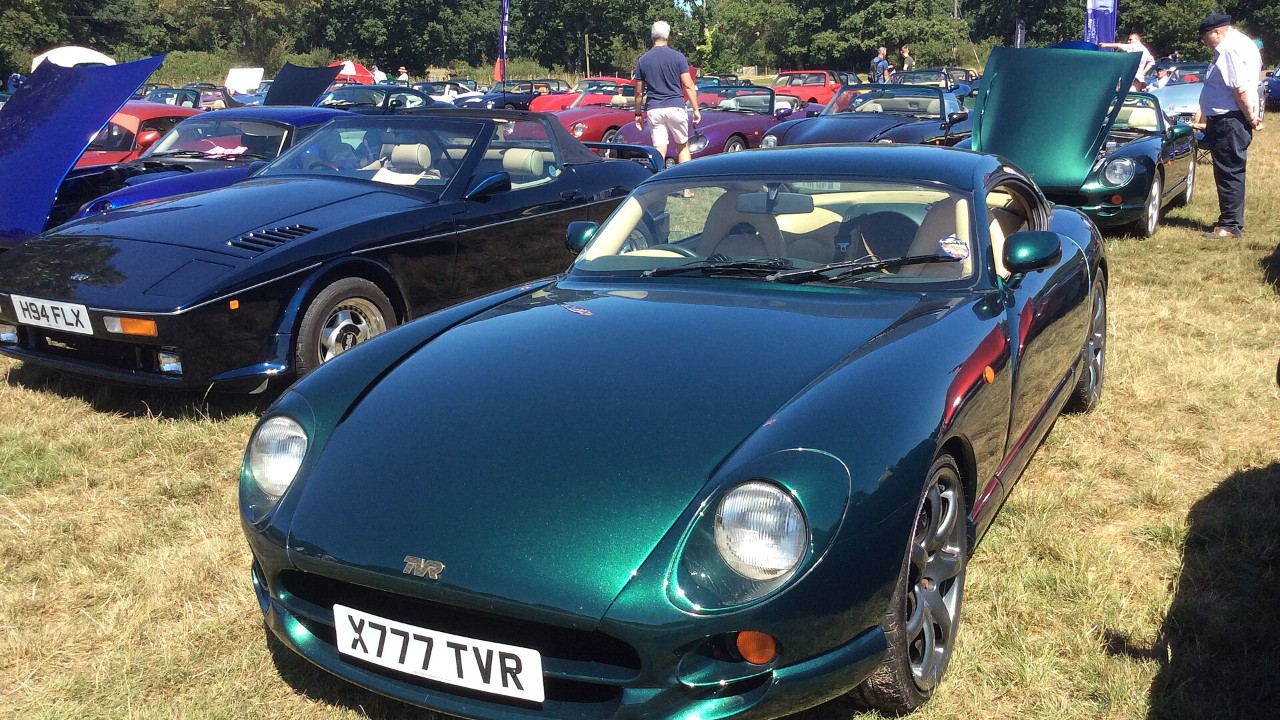
The Cerbera answered owners who wanted a 2+2, though the club says “3+1” fits better. That’s because the front passenger seat slides forward to free up rear legroom. Classic & Sports Car also notes that the company began building its own engines with this car.
Its 4,185cc AJP V8 made 360 bhp, while the later 4,475cc version made 420 bhp with a quoted 195-mph top speed. Meanwhile, the 3,966cc Speed Six, rated at 350 bhp, was the first car with the maker’s own straight-six, according to the club’s Cerbera page.
7. 2000s TVR Sagaris
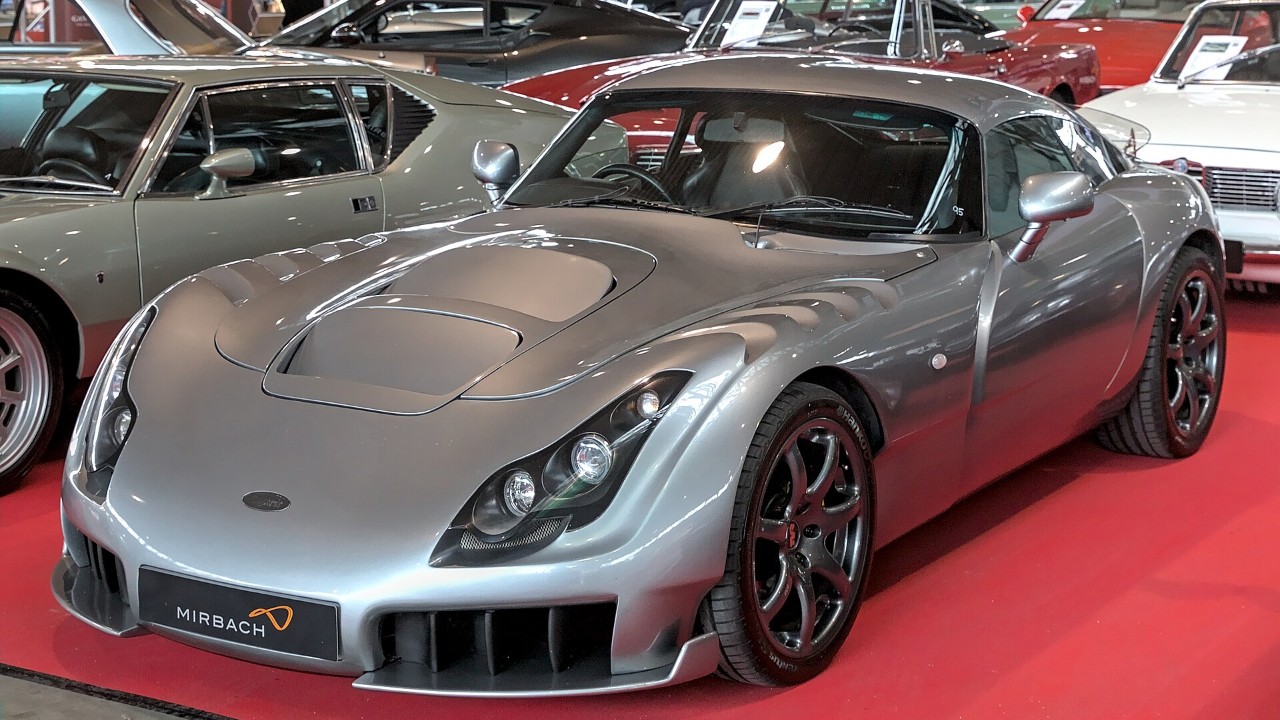
Smolensky bought the company in 2004, and Classic & Sports Car calls the Sagaris the final roll of the dice under his ownership. Based on the T350, it aimed at endurance racing. In fact, the club describes it as a race car produced for road use.
Its 3,905cc Speed Six made 400 bhp at 7,000 rpm, good for 0-60 mph in 3.7 seconds. The club’s Sagaris page estimates TVR built about 200. It also warns that the figure is very approximate, because no factory records are available.
More from Fast Lane Only