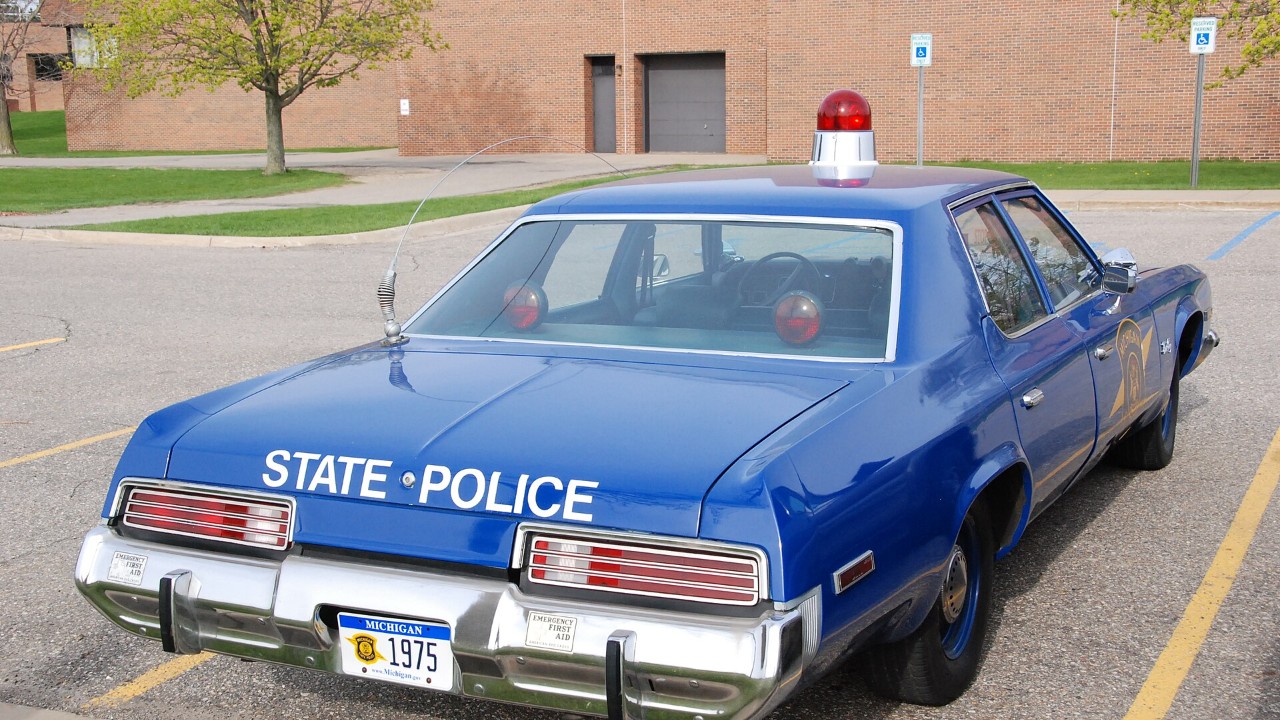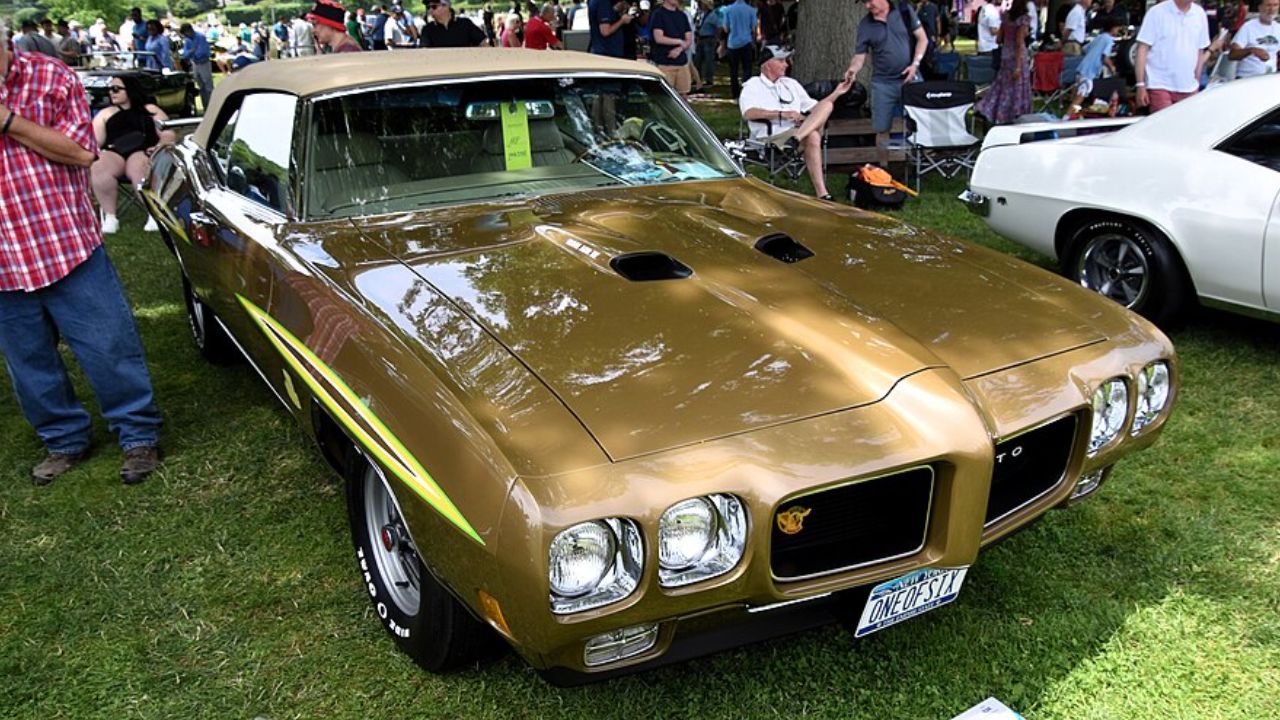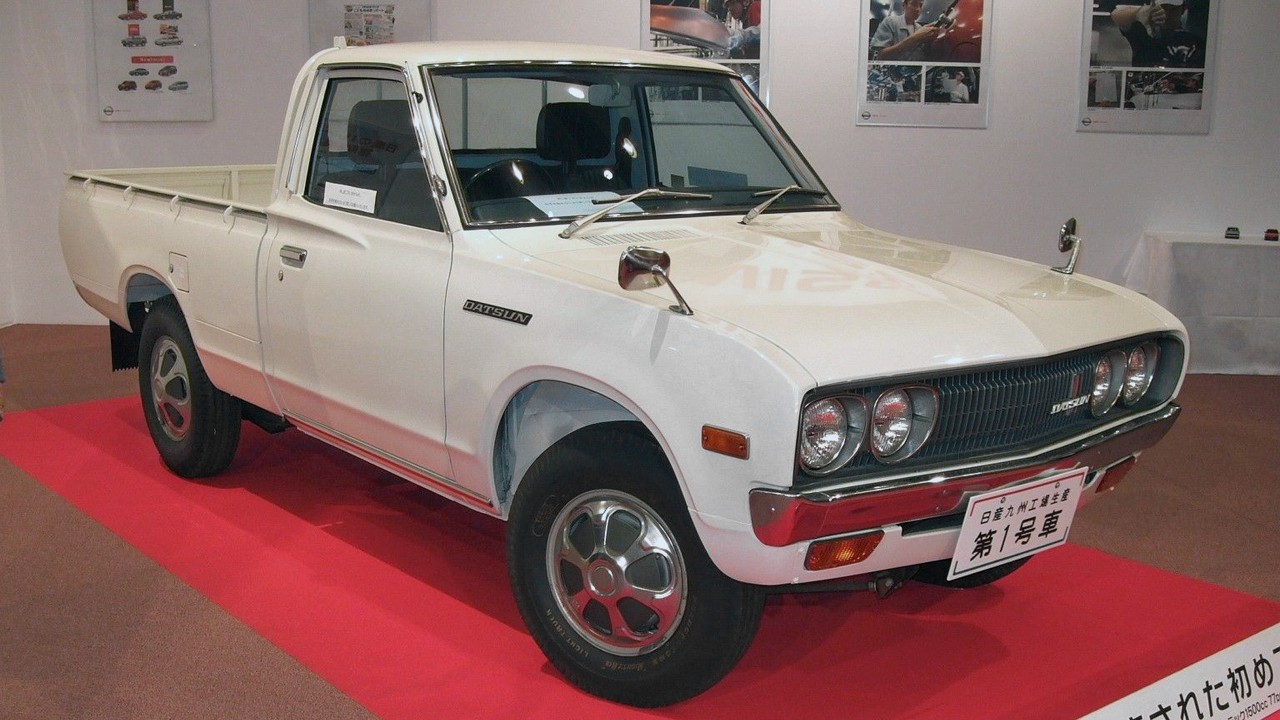
Chrysler’s TorqueFlite 727 arrived in 1962 and stayed in production until 1991. That is a run of three decades for one three-speed automatic, across Hemi muscle cars, family sedans, pickups and a Jeep. The TorqueFlite 727 lasted because Chrysler got the basic design right early and then barely had to touch it.
It helped that the transmission was strong, simple and everywhere. A gearbox that can survive a race-tuned big-block can easily survive a station wagon.
Here is what made the 727 different, how Chrysler updated it, and why drag racers keep building them today.
An aluminum case changed the TorqueFlite 727
The 727 was the second TorqueFlite. According to Drivingline, it followed the A466, which had an iron case. Street Machine dates the first TorqueFlite to 1956 and says the alloy case replaced the iron one around 1962.
The new case was cast aluminum with the bellhousing built in, according to DieselHub. As a result, the new case cut weight. However, the sources disagree on the final number. Drivingline puts the 727 at 160 lb, while DieselHub says about 130 lb.
Drivingline adds one practical change. In particular, the 727 gained a parking pawl, which the older A466 did not have. Street Machine also points to the big cast-alloy pan, which holds more fluid and stiffens the case by bridging its open section.
The gear set that made it tough
Inside, the 727 used a licensed version of the Simpson gear set. Drivingline notes that the same basic layout also underpinned GM’s Turbo-Hydramatic 400 and Ford’s C6. In other words, all three of Detroit’s heavy-duty automatics shared the same core idea.
Chrysler’s version paired that gear set with an overrunning clutch, two bands and clutch packs. According to Drivingline, it was one of the first automatics to combine an overrunning clutch with a Simpson gear set. That clutch-pack design is a big reason the case held up behind big power.
Meanwhile, the gearing itself stayed simple. DieselHub lists a second gear of 1.45:1 and a direct third gear of 1.00:1. Every version kept the same three forward speeds, Drivingline says.
Built for Hemis and pickups alike
The 727 went behind nearly every small-block and big-block Chrysler V8, including the 440 Magnum and the 426 Hemi, according to DieselHub. For Hemi and 440 Six Pack cars, Chrysler fitted the largest clutch parts, Drivingline says.
It also reached well beyond Mopar showrooms. DieselHub says AMC sold it behind the 304 and 360 V8s as the “Torque-Command 8.” Gearstar adds that the Jensen Interceptor, with a Chrysler 383, used the same box. Late in life, it also went into 1989 to 1991 Dodge D250, D350, W250 and W350 trucks.
Stock, Gearstar rates the 727 for engines up to about 450 hp. Meanwhile, Street Machine says upgraded units with stronger input shafts, aluminum drums and Kevlar bands handle about 800 hp.
Small changes, not a redesign
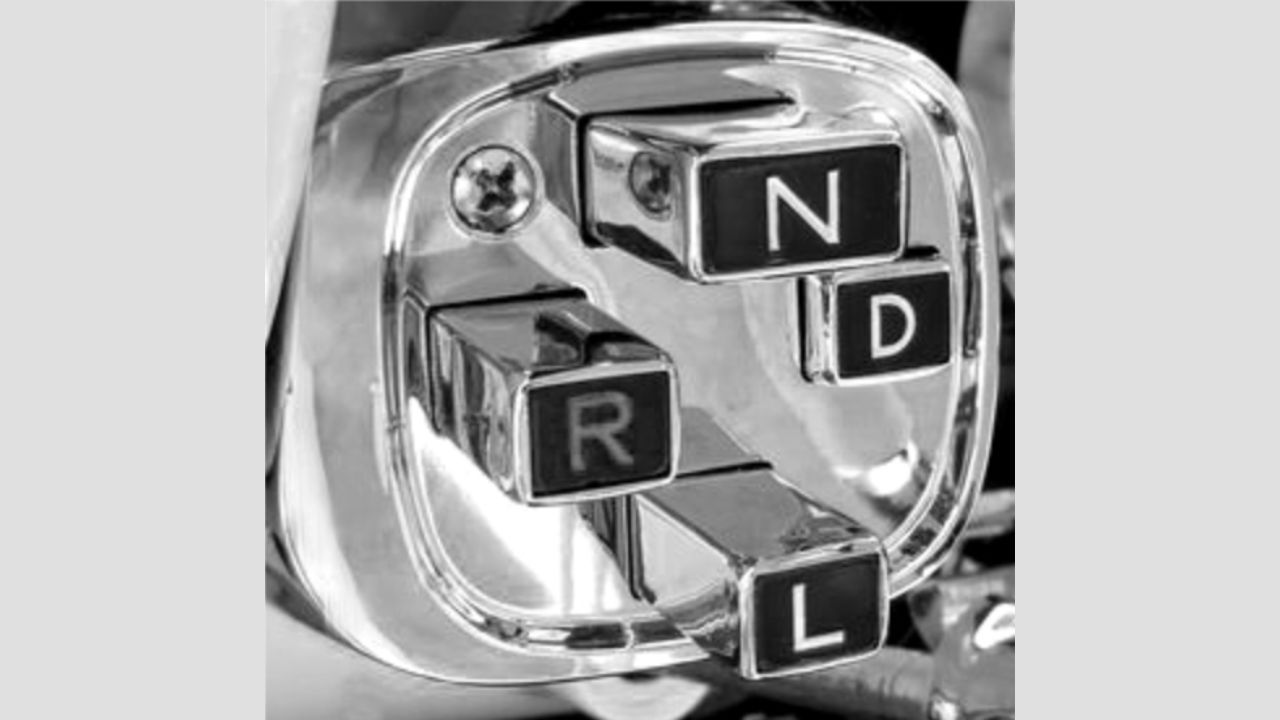
At first, the cars shifted by push buttons. Gearstar lists push-button dash controls on 1962 to 1964 cars. Drivingline says early production moved from push buttons to a cable linkage and then to a rod linkage. By 1965, Gearstar notes, most units used the rod style.
After that, the updates were small. Drivingline says the design was settled by 1966. Later changes included a revised flexplate in 1968, a wider clutch retainer bushing in 1971, a larger filter in 1973 and a lockup torque converter from 1978.
Even the name change was cosmetic. In the 1980s, Chrysler renamed the 727 the 36RH and 37RH, Drivingline says, with no change to the design. DieselHub explains the code: 3 for three speeds, 6 or 7 for relative strength, R for rear-wheel drive and H for hydraulic control.
Why the TorqueFlite 727 outlived its era
Drivingline sums up the case. The design is simple, the gear set and clutch packs are strong, and the 727 sat in so many vehicles that cores and parts are easy to find. Better friction materials now let even a base unit handle power that once needed Hemi internals.
Aftermarket adapters also bolt it to engines Chrysler never intended. Street Machine lists small- and big-block Chevrolets, Ford Windsors and Ford FE blocks. As a result, DieselHub says the 727 remains popular in drag racing and off-roading.
The basic design also lived on in Chrysler’s own later boxes. DieselHub says it evolved into the A518 and then the 46RH, which added a 0.69:1 overdrive. As for the original 727, Drivingline records that production ended in 1991, with the Jeep Grand Wagoneer as the last vehicle to use it.
More from Fast Lane Only