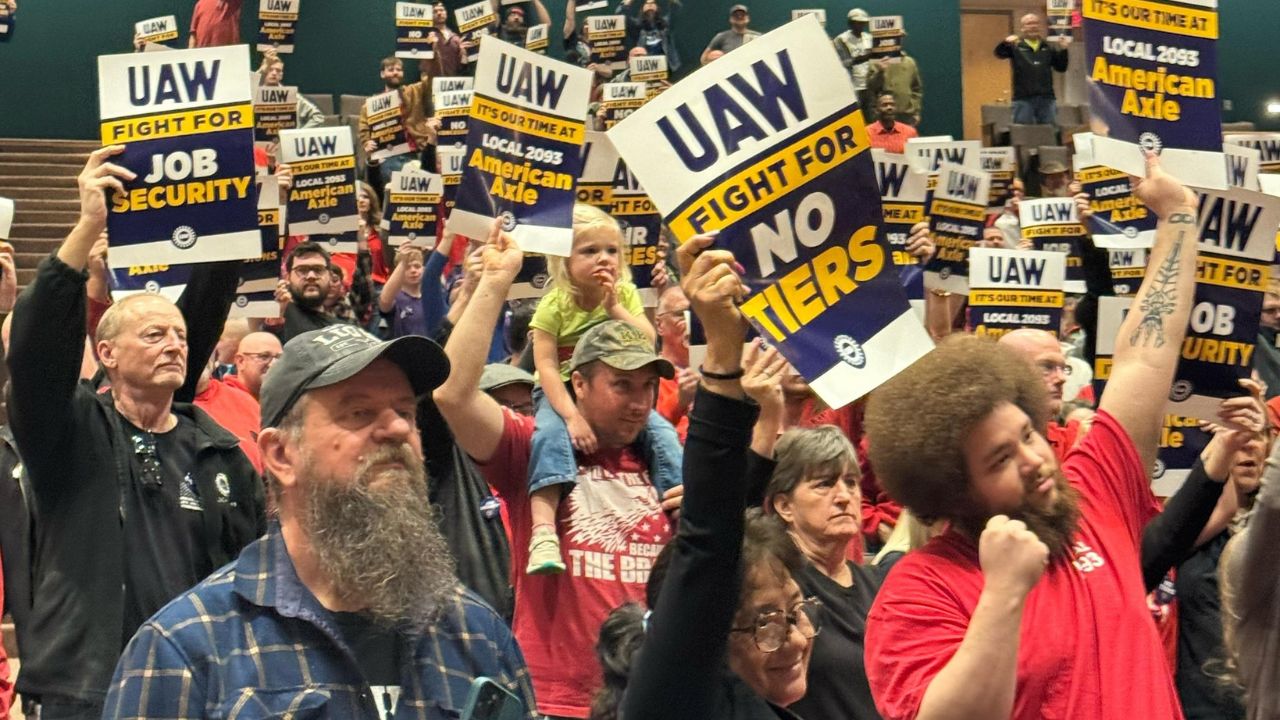
The United Auto Workers (UAW) has launched a strike at a key General Motors axle supplier, raising concerns about potential disruptions to pickup truck production if the labor dispute continues. The walkout began at midnight after negotiations failed to produce a new agreement, putting additional pressure on an automotive supply chain that relies heavily on the timely delivery of critical drivetrain components.
The action highlights how even a localized supplier strike can create ripple effects across vehicle assembly operations, particularly for high-volume and high-profit truck programs.
How the strike could affect GM’s truck production
The supplier at the center of the dispute manufactures axle components used in a number of General Motors vehicles. Axles are essential drivetrain parts, meaning prolonged disruptions can quickly affect assembly plants if inventory levels begin to run low.
Because modern vehicle production operates on tightly coordinated supply schedules, automakers typically maintain limited stockpiles of components. If replacement shipments stop for an extended period, assembly lines may face reduced production rates, temporary shutdowns, or scheduling adjustments.
For General Motors, any interruption involving pickup trucks is particularly significant. Full-size pickups remain among the company’s most profitable vehicles and play a major role in overall sales and earnings.
Why the UAW initiated the strike
United Auto Workers members reportedly authorized the strike after negotiations with the supplier failed to reach a satisfactory agreement. Labor disputes in the automotive sector often center on issues such as wages, benefits, job security, scheduling practices, and working conditions.
Union leaders argue that workers should share in the financial success of the industry, particularly as manufacturers and suppliers navigate changing market conditions and investments in future technologies.
The strike reflects broader labor tensions that have surfaced across parts of the automotive industry in recent years, as workers seek improved compensation and protections amid ongoing technological and organizational changes.
Why supplier disputes can have outsized consequences
Unlike strikes at major assembly plants, supplier walkouts may involve fewer workers but can still have substantial effects on production. A single component shortage can halt the assembly of thousands of vehicles if no alternative source is immediately available.
Automakers often work with extensive supplier networks, but specialized components such as axles may not be easily replaced on short notice. As a result, labor disputes at key suppliers frequently attract attention from manufacturers, investors, and industry analysts.
The situation also illustrates the interconnected nature of modern vehicle manufacturing, where disruptions at one facility can affect operations hundreds of miles away.
What it means for GM and the broader industry
If the strike remains unresolved, General Motors may need to rely on existing inventory, adjust production schedules, or explore contingency plans to maintain vehicle output.
The dispute comes at a time when automakers are balancing investments in electric vehicles, software development, and manufacturing modernization while continuing to generate profits from traditional truck and SUV sales.
For the broader industry, the strike serves as another reminder that labor relations remain a critical factor in production planning. Even as vehicle technology evolves, manufacturers continue to depend on skilled workers throughout the supply chain.
The bigger picture
The UAW’s strike at a key GM axle supplier demonstrates how labor disputes can quickly become a production concern for major automakers. While the immediate focus is on axle deliveries and pickup truck output, the underlying issues reflect ongoing negotiations over compensation, working conditions, and the future of automotive manufacturing.
The duration of the strike will likely determine its overall impact. A quick resolution could limit disruptions, while a prolonged walkout could place increasing pressure on production schedules and supply-chain operations.
For now, both the union and management face the challenge of reaching an agreement before the effects begin to spread beyond the supplier facility and into GM’s highly important pickup truck operations.
More from Fast Lane Only
- Unboxing the WWII Jeep in a Crate
- 15 rare Chevys collectors are quietly buying
- 10 underrated V8s still worth hunting down
- Police notice this before you even roll window down
*Research for this article included AI assistance, with all final content reviewed by human editors