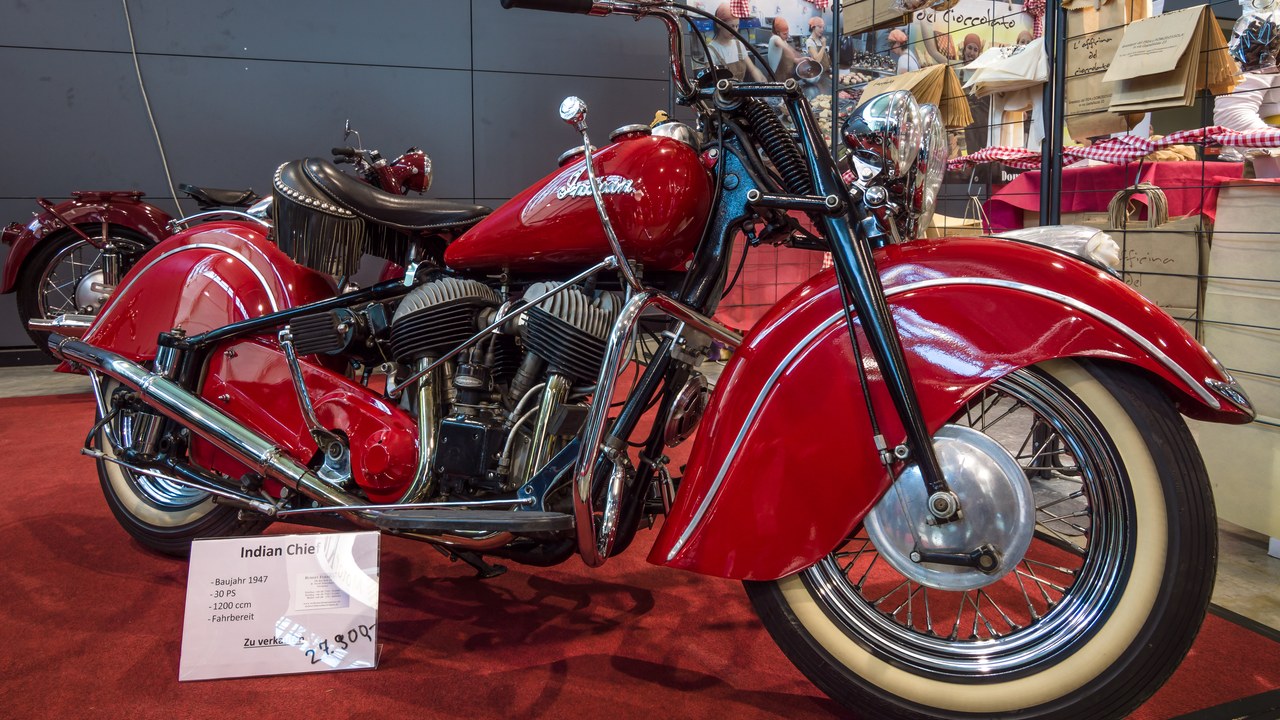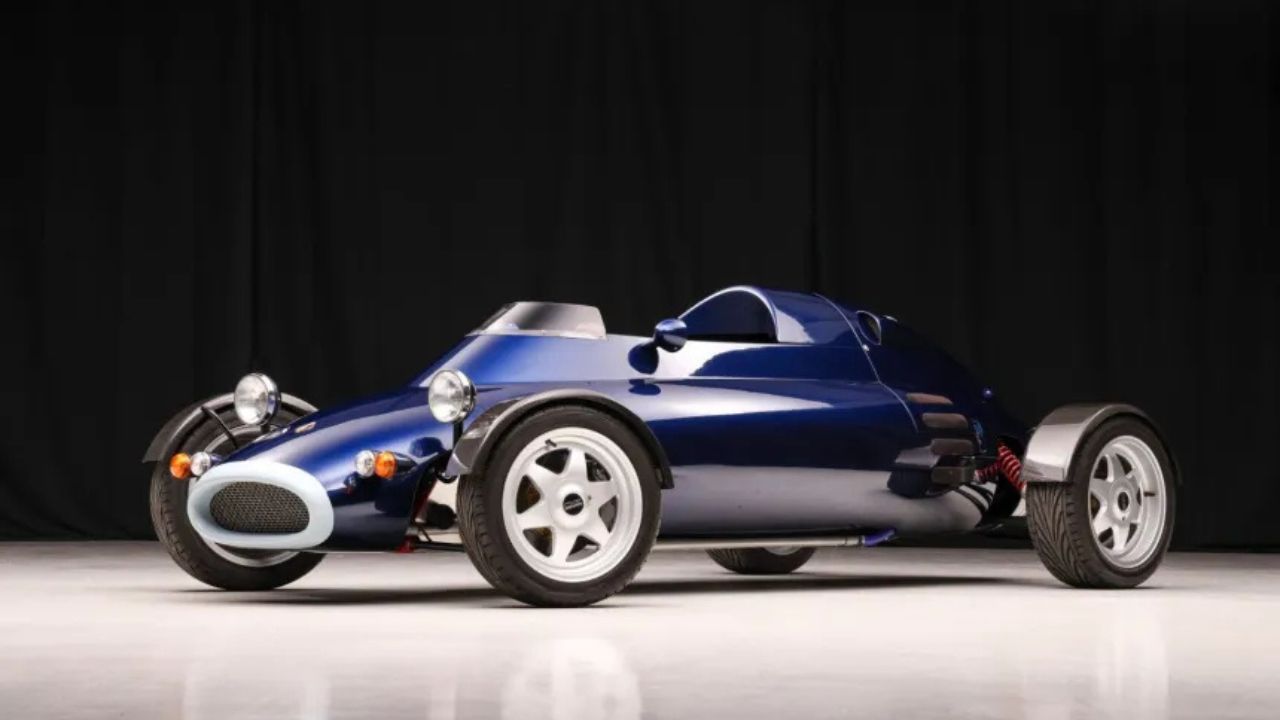
You meet them at car shows, in obscure classifieds, and in late-night forum threads: cars that howl to redlines borrowed from superbikes and scooters instead of sedans. These odd hybrids of two and four wheels reveal how far engineers and tinkerers will stretch convention in pursuit of light weight, high revs, or simply a good story. By looking closely at a few of the strangest machines powered by motorcycle engines, you start to see the clever packaging, compromises, and cultural pull that make them more than just mechanical party tricks.
Builders rarely drop a bike engine into a car purely for shock value. They use these powerplants to solve specific problems, from squeezing performance out of tiny city cars to creating track specials that feel like open-wheel racers. As you move from postwar microcars to modern kit cars and track weapons, you watch engineering quirks turn into defining character.
Why you would ever put a bike engine in a car
You usually think of car engines as torquey and relaxed, and motorcycle engines as small, frantic, and obsessed with revs. Bolt the latter into a car chassis and you trade low-end shove for a screaming top end, which can transform how a lightweight vehicle feels. Technical analysis of motorcycle-engined cars shows that these powerplants deliver strong specific output and compact dimensions, letting you mount them low and far back to improve weight distribution. You also inherit sequential gearboxes and close ratios, so you drive more like a racer, constantly working the shifter to keep the engine in its narrow sweet spot.
That choice comes with real compromises. In a discussion of experimental aircraft, Jeffrey Baxman points out that engines based on motorcycles tend to produce horsepower at very high rpms, which he describes as “not exactly ideal for aviation use,” and that same trait can make everyday driving tricky in a heavier car. You feel that tradeoff in stop-and-go traffic, where a peaky engine and light flywheel demand constant clutch work. Yet for track days, autocross, or very small city cars, you benefit from the low mass, simple packaging, and the way a high rev limit lets you stretch each gear. Viewed through that lens, the odd pairing starts to look like a targeted engineering tool rather than a stunt.
Microcars and kei curiosities that borrowed two wheels
The tour of bike-powered cars really starts with the microcar boom, when European makers tried to put war-torn cities back on wheels with as little material as possible. The Isetta is a prime example: sources describe how this bubble car used a tiny, two-stroke, single-cylinder, 200cc engine borrowed from the Isomoto 200 motorcycle, which is why drivers remember it as both slow and strangely charismatic. When you look at how the Isetta and Isomoto were linked, you see a company reusing what it already knew how to build, turning a bike power unit into a lifeline for people who could not afford full-size cars.
Japan took a different path with early kei sports cars. One of Soichiro Honda’s earliest passenger models, the S600, carried a tiny four-cylinder that behaved more like a motorcycle engine than a conventional car unit, and enthusiasts still talk about how it revved to 9500rpm in 1965. In a Facebook post, a fan who had seen only two examples, including a museum piece at Twin Ring, calls the S600 a rare and historic car that feels like a bike in a coupe body. Scroll that same group and you also find praise for the Honda Z600, a hatchback whose 598 cc motorcycle-derived engine produced around 36 hp and helped the little Honda reach surprising speeds on the Bonneville Salt Flats. Those details from Honda S600 and show you how deeply this motorcycle DNA is woven into Honda’s early identity.
Three-wheelers and retro throwbacks that lean into quirk
If you want to experience bike power without giving up classic-car theater, you look at three-wheelers that wear their strangeness proudly. The modern Morgan 3 Wheeler pairs vintage aircraft styling with a V-twin mounted out front, and reporting on the Morgan and its explains how that exposed powerplant shapes the car’s entire persona. You sit inches from the cylinders, feel every firing pulse through the chassis, and work a manual gearbox that encourages you to treat public roads like a low-speed hillclimb. The power figures are modest, but the sense of occasion is huge, which is exactly what you look for when you choose a three-wheeler over a conventional roadster.
Other lightweight production oddities follow a similar recipe, even if they hide their engines. A survey of Weird and Wonderful by Motorcycle Engines highlights how you, as a driver, trade practicality for a sense of mechanical intimacy. You feel every vibration and hear every intake gulp because there is so little insulation between you and the powertrain. That rawness would frustrate you in a commuter car, yet it becomes the entire point when you choose a machine that weighs a fraction of a modern hatchback and invites you to treat every drive as a special occasion.
Track-day specials that turn revs into lap time
Move from retro curios to modern performance and the logic behind motorcycle engines becomes even clearer. Radical Motorsport, a small British company founded by amateur racing drivers Mick Hyde and Phil Abbot, built the SR1 as an entry-level prototype that uses a high-revving bike engine to deliver serious pace without supercar budgets. Coverage of the Radical SR1 notes that its very low weight and screaming powerplant create lap times that embarrass heavier road cars, especially in the dedicated SR1 Cup series. You experience a car that behaves more like a single-seater, with instant throttle response and a gearbox that rewards precise, aggressive driving.
The same philosophy shows up in more extreme track toys. The Atom V8, for instance, uses not one but two motorcycle engines combined into a compact V8, an arrangement that lets you chase power figures that would normally demand a large, heavy block. A feature on The Atom explains how only a small number were produced, which turns every example into a kind of engineering lab on wheels. Strap into something like this and you are effectively driving a proof-of-concept that shows how far you can stretch bike-based architecture before reliability, drivability, or cost push back.
Homebuilt experiments and the culture around them
Not all bike-engined cars come from factories. In garages and small workshops, you find builders who treat motorcycle powerplants as Lego bricks for their own projects. A video tour of an MK Sports kit called the Cup 200 introduces you to Sean, one of the directors at MK Sports, as he explains how the company created what he cheerfully calls a “supercar killer” around a superbike engine. When you watch Sean at Sports describe the car, you see how a relatively affordable donor engine can anchor a chassis with serious performance, provided you accept compromises in refinement and low-speed manners.
Grassroots builders push that idea even further. In one project, a team re-powers a tiny Honda micro car with a superbike engine, joking that they might have saved 500 bucks by reusing parts and admitting that the first engine failed after early testing. When you follow their story through re-powering a super, you see the learning curve that comes with adapting a high-strung powerplant to a chassis and drivetrain it was never meant to serve. You also recognize how online communities, from experimental aircraft groups where Jeffrey Baxman comments on high rpms to car forums that trade notes on chain-drive differentials, help you troubleshoot problems that used to be confined to specialist race shops.
More from Fast Lane Only