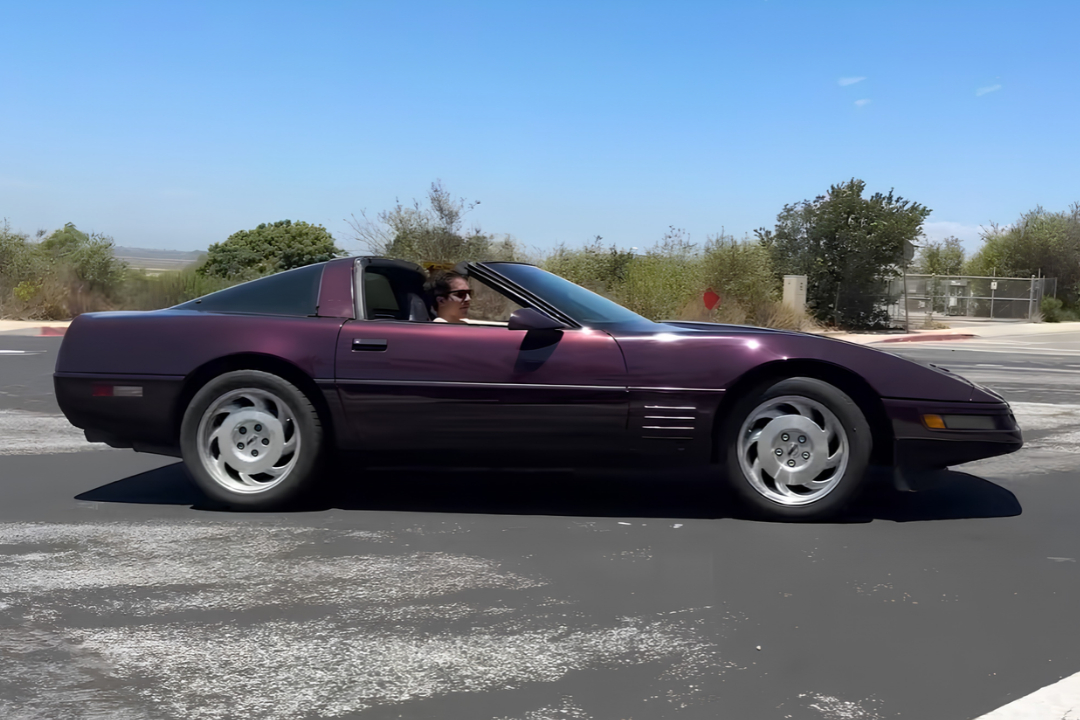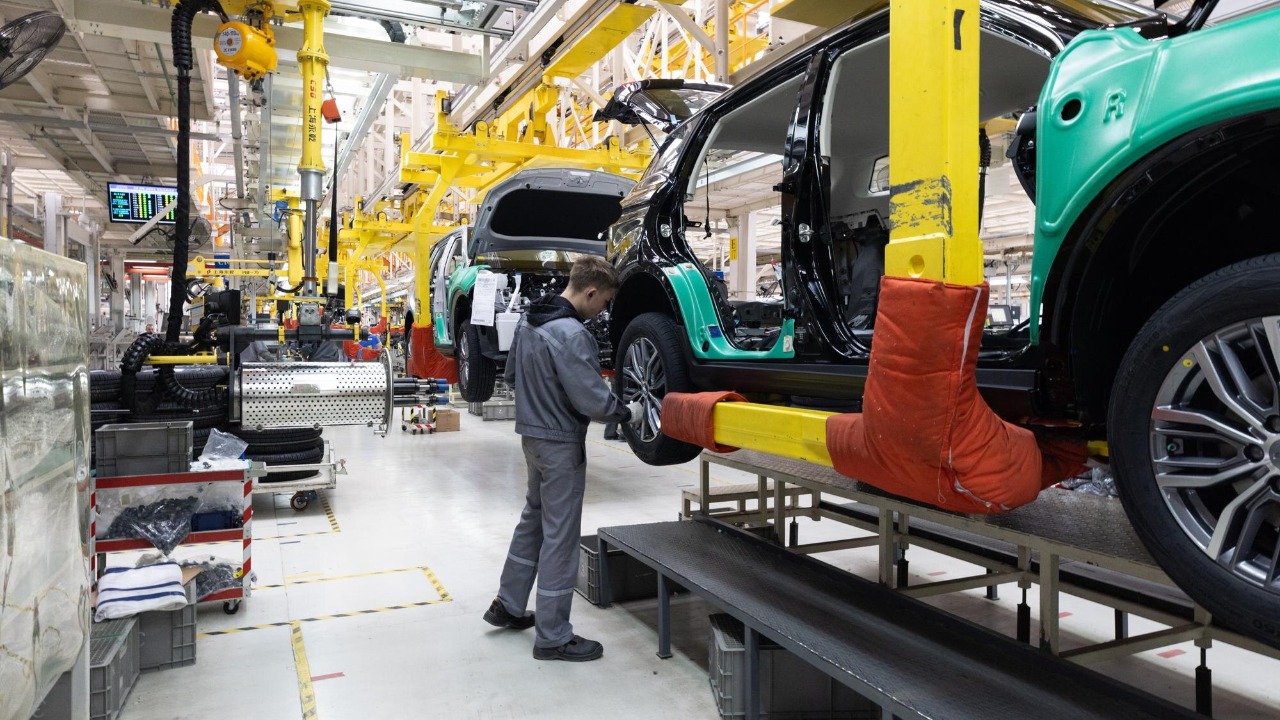
American automakers are enjoying solid profits at home even as they slow-walk investment in electric vehicles, a strategy that pleases dealers and some shareholders but risks leaving the industry behind in the technologies that will define the next generation of cars. While domestic brands lean back into gasoline trucks and muscle cars, competitors in China and Europe are racing ahead on batteries, software, and manufacturing scale that could dominate global markets for decades.
This tension between short-term gains and long-term competitiveness now shapes every major decision in Detroit. The United States remains a powerful auto market with strong domestic production, yet the global shift toward electrification is accelerating, and companies that hesitate may find that the most valuable parts of the future supply chain have migrated overseas before they are ready to compete.
EV demand grows, but U.S. pullback signals a strategic gamble
Electric vehicle sales in the United States are not collapsing; they are maturing. Industry data show that 2025 was still the second-best year on record for battery-powered models, with the EV share of total market sales reaching a firm 7.8 according to Kelley Blue Book. Another analysis of the same period notes that EV sales declined by about 2 percent from the previous year, even after a sharp fourth-quarter slowdown, suggesting that demand has cooled from its early surge but remains substantial.
Yet the message from Detroit has been that the United States is pulling back from a transition that much of the world is accelerating. At the Detroit auto show, one executive described a mood of retrenchment as companies scaled back ambitious production targets and delayed new battery plants, even as global EV registrations rose 20 percent to 20.7 million, according to analysts at Benchmark Mineral Intelligence. That contrast between steady domestic demand and corporate caution captures the core gamble: U.S. carmakers are choosing to slow investment just as the global market enters a phase of mass adoption.
Global race accelerates while America hesitates
Outside U.S. borders, the shift to electric vehicles is moving far faster. EVs made up about 25 percent of global car sales in 2025, while in the United States they accounted for only 10 percent, according to analysis published in December. A separate global tally found that EV sales grew by 20 percent in 2025, with 20.7 million electric vehicles sold worldwide, and highlighted that Europe and China are now the main engines of that expansion, with some markets where EV sales nearly doubled in a single year. This is not a niche experiment but a structural shift in the global car business.
An industry analyst has argued that in China, Europe and a growing number of other countries, real value creation will occur elsewhere if the United States continues to hesitate on electrification and complementary technologies such as artificial intelligence and advanced robotics. That warning is backed up by research that shows how quickly EVs are reshaping global value chains: Although electric vehicles still account for only 2.1 percent of the global vehicle stock, data indicate that electrification is already reallocating investment and jobs toward countries that moved early on batteries, software, and charging networks. If that pattern continues, America will find that the most profitable parts of the future auto industry are anchored far from its traditional heartlands.
Domestic market strength masks global vulnerability
At home, U.S. manufacturers still enjoy formidable advantages. National production systems remain powerful, with Domestic production still dominating many national markets and especially The United States, where suppliers and assembly plants form dense local networks, as described in a World Bank study of National production systems. That depth helps explain why American brands can pivot quickly back to profitable gasoline pickups and SUVs, especially when regulations are relaxed and fuel economy standards loosened.
Recent policy shifts have reinforced that short-term comfort. February reporting described how climate regulations were rolled back, allowing U.S. automakers to increase production of muscle cars and gasoline trucks that deliver immediate margins but do little to advance electrification. The combination of strong domestic demand for trucks, looser standards, and a vast legacy manufacturing base makes it tempting for executives to prioritize near-term cash flow over the costly retooling required for batteries and software-defined vehicles.
Market share shifts and long-term consequences
Even within the U.S. EV segment, competitive dynamics hint at deeper shifts ahead. February analysis of 2025 registrations found that Tesla held 46 percent of the U.S. EV market, down from 49 percent in 2024, while GM held 13 percent and Ford 7 percent. That gradual erosion of Tesla’s dominance reflects both the entry of new models and the hesitation of traditional brands that have canceled or delayed several high-volume EV programs after disappointing early sales.
The financial consequences of that hesitation are already visible. February reporting on the state of the U.S. EV industry described how GM, Ford, Stellantis and Honda took significant charges to unwind investments in EV development and manufacturing after demand grew more slowly than anticipated, a process some accounts have labeled a $50 billion setback. At the same time, commentators warn that the pullback could shift future jobs, intellectual property, and supply chains to competitors that treat the transition as a long-term industrial transformation rather than a passing trend. The immediate payoff from doubling down on gasoline may look attractive, but it comes with a mounting risk that the next era of automotive innovation, and the wealth that flows from it, will be controlled from somewhere else.
More from Fast Lane Only