
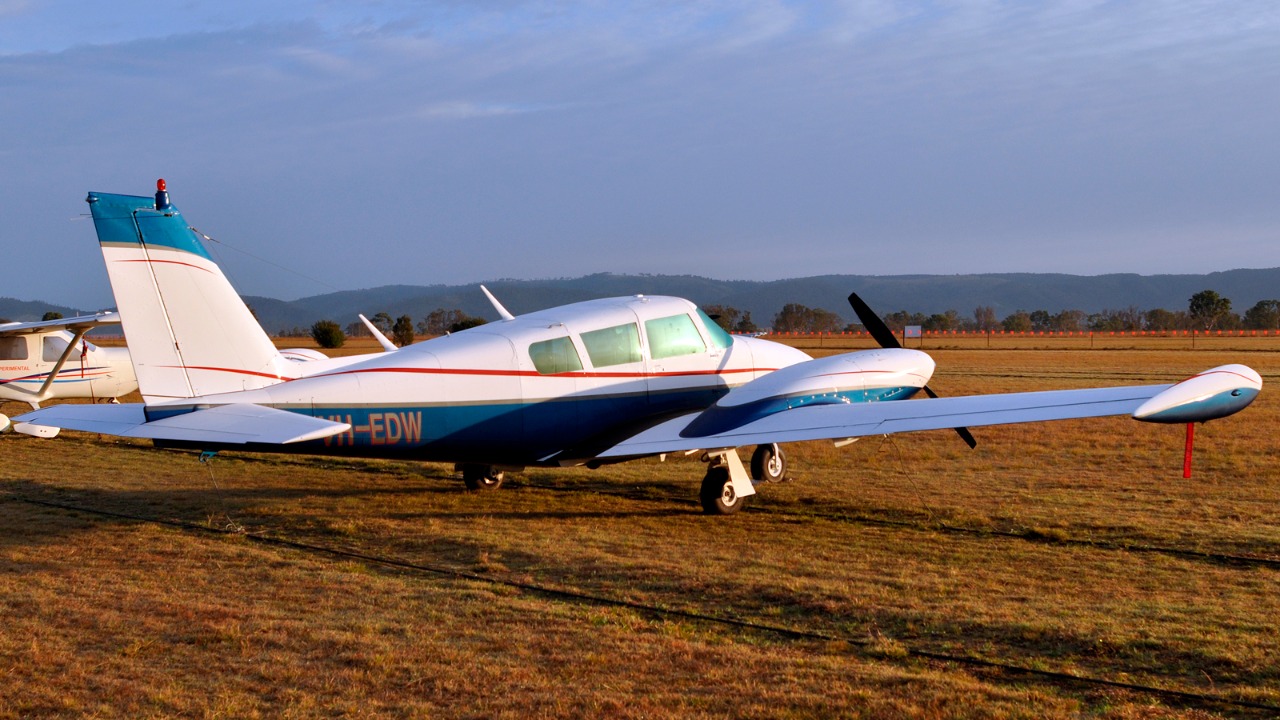
Vintage twin-propeller aircraft, often affectionately referred to as “twin-props,” hold a special charm and continue to capture the imagination of aviation enthusiasts. Despite their age, many of these classic airplanes are still operational, providing a glimpse into aviation history while offering unique flying experiences. Some of the most notable vintage twin-props continue to grace the skies today, fascinating both aviators and the general public.
The Timeless Appeal of Vintage Twin-Props
Historical Significance
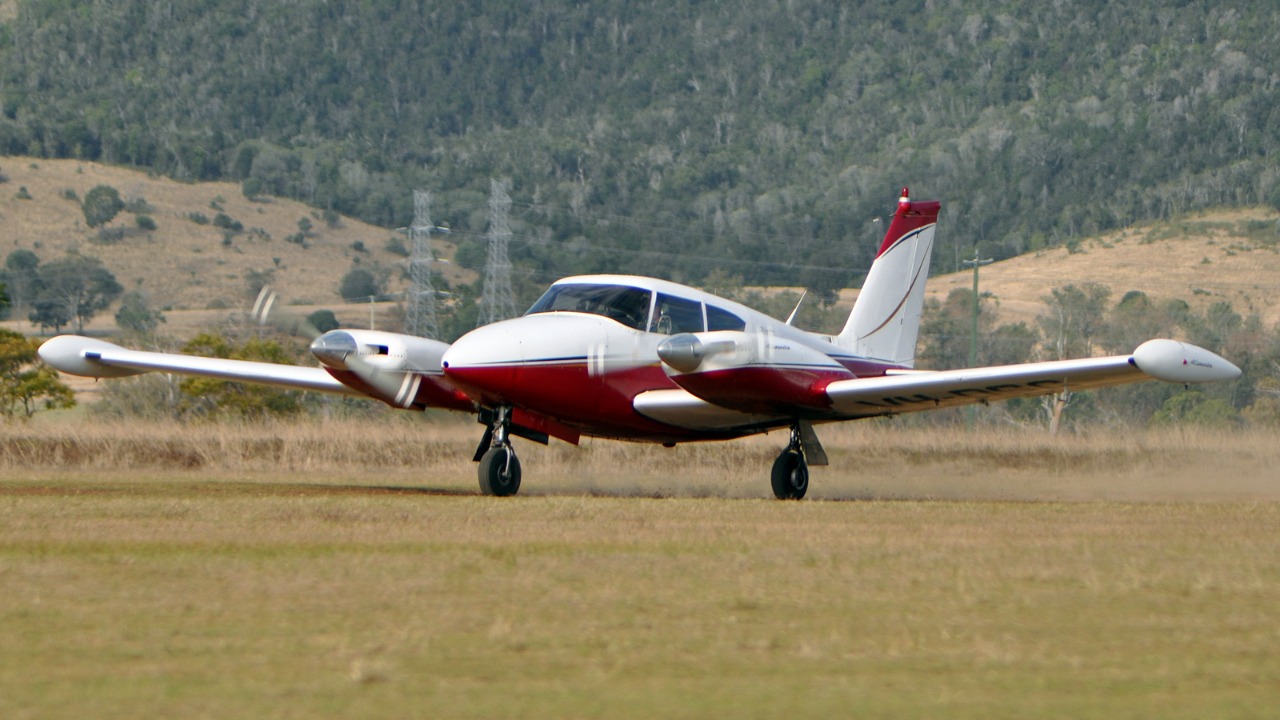
Twin-propeller aircraft have played a pivotal role in shaping the course of modern aviation. As workhorses of the mid-20th century, these aircraft were crucial for military operations, cargo transport, and passenger flights. The twin-prop design allowed for greater stability and range, which was instrumental during significant historical milestones, such as World War II and the dawn of commercial aviation. Their contribution to aviation history is well-documented, reflecting an era of innovation and exploration. These aircraft not only symbolize a bygone era of aviation but also serve as a testament to the engineering feats of their time. The ability to traverse long distances with twin engines allowed for the expansion of air routes and global connectivity, setting the stage for the aviation advancements we enjoy today.
Nostalgia and Enthusiasm
For many aviation enthusiasts, the allure of vintage twin-props lies in their nostalgic value. These aircraft evoke memories of a time when flying was an adventure, and the skies were navigated with a sense of wonder. Enthusiasts form a dedicated community, sharing stories and experiences, and celebrating the rich history of these remarkable machines. This culture is evident in groups like the Trini Aviation Enthusiasts, where members discuss and share their passion for vintage aircraft. The vintage aviation community is not just about preserving history; it’s about keeping the spirit of adventure alive. Collectors and pilots maintain these aircraft, organizing fly-ins and airshows that highlight the beauty and performance of these classic machines, ensuring that they remain a vibrant part of the aviation world.
Iconic Models Still In Flight
Beechcraft Model 18
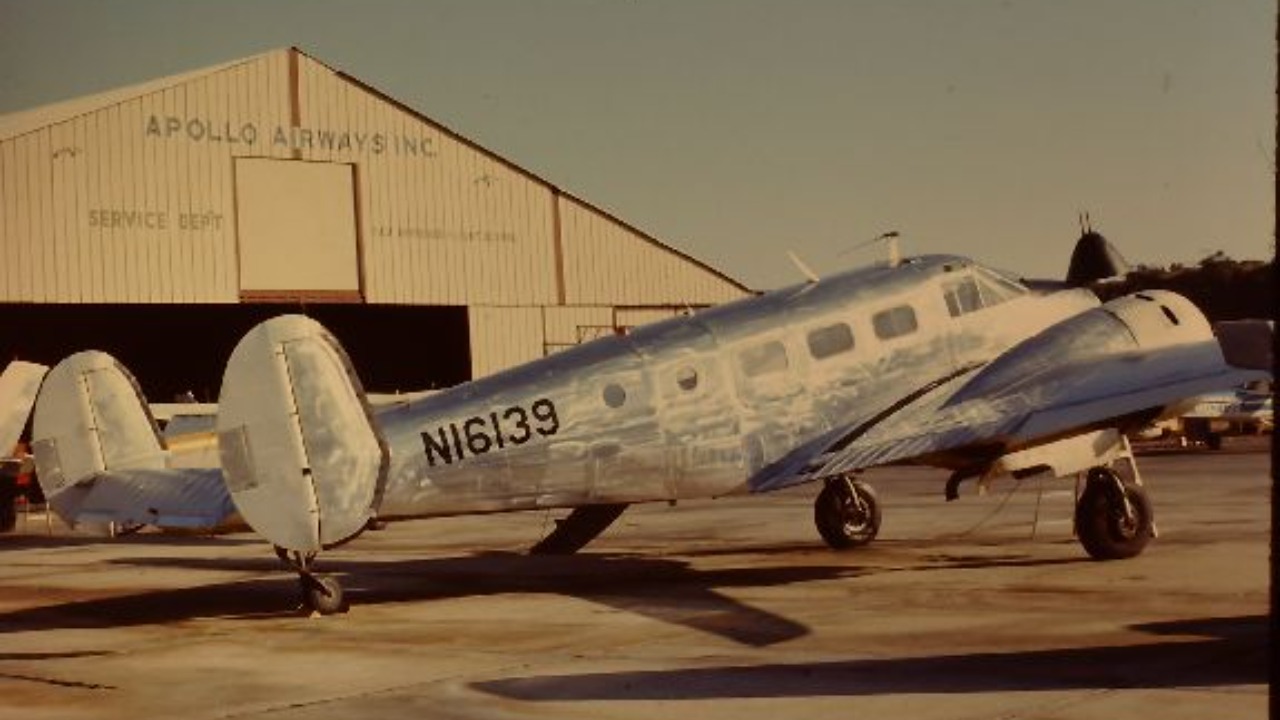
The Beechcraft Model 18, affectionately known as the “Twin Beech,” is a staple in the world of vintage twin-props. First introduced in the 1930s, the Model 18 served a variety of roles, from corporate transport to military operations. Its versatility and reliability have ensured its continued presence in the skies. Even today, several Beechcraft Model 18s are lovingly maintained and flown by collectors and aviation enthusiasts. This aircraft is celebrated for its robust design and capability to adapt to various missions, making it a favorite among those who appreciate vintage aviation. The Model 18’s enduring appeal lies in its classic lines and dependable performance, a combination that continues to captivate pilots and spectators alike.
Douglas DC-3
The Douglas DC-3 holds legendary status in aviation history, often credited with revolutionizing air travel. Introduced in the 1930s, the DC-3 set new standards for passenger comfort and operational efficiency. Its influence is profound, as it enabled airlines to establish profitable routes and expand their networks. Even today, the DC-3 continues to fly, thanks to dedicated restoration efforts and the passion of its operators. Restoration projects across the globe have breathed new life into these iconic aircraft, allowing them to serve in various roles, from cargo transport to nostalgic flights. The DC-3’s timeless design and historical significance ensure that it remains a cherished symbol of aviation heritage.
Maintenance and Restoration
Challenges in Keeping Vintage Aircraft Airworthy
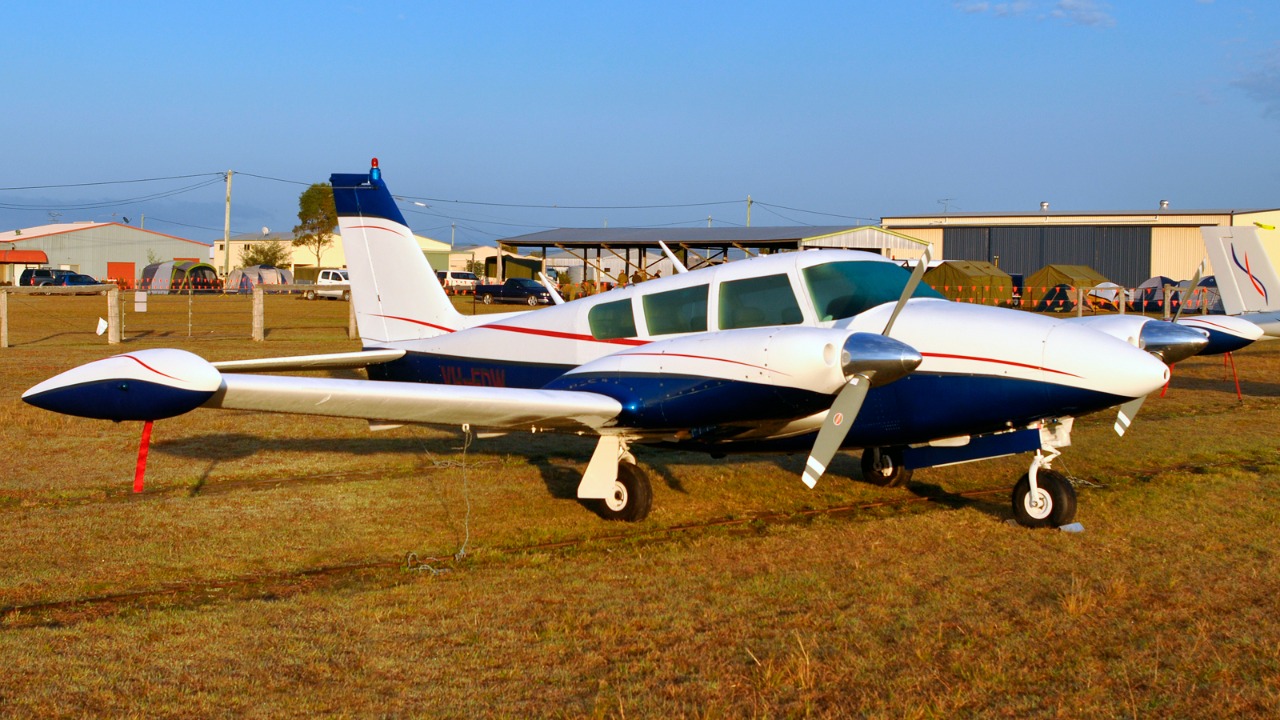
Maintaining vintage twin-props presents numerous challenges, from sourcing obsolete parts to complying with modern regulatory standards. As these aircraft age, the task of keeping them airworthy becomes increasingly complex. Owners and operators must navigate stringent regulations, often requiring specialized knowledge and bespoke solutions to address maintenance and safety issues. The logistical hurdles are significant, as parts for these aging aircraft can be scarce or require custom fabrication. Despite these obstacles, the dedication of enthusiasts and professionals ensures that vintage twin-props continue to soar, preserving their legacy for future generations.
Restoration Projects and Communities
Restoration projects play a crucial role in the survival of vintage twin-props, often spearheaded by passionate individuals and organizations. These efforts involve meticulous attention to detail, restoring aircraft to their former glory while ensuring they meet modern safety standards. The community of enthusiasts is integral to these projects, providing support and sharing expertise to overcome challenges. Groups and organizations worldwide are dedicated to preserving vintage aircraft, fostering a sense of camaraderie among those involved. These communities are instrumental in organizing events and fly-ins that celebrate the enduring legacy of twin-prop aviation, ensuring these aircraft remain a living part of history.
Modern Uses and Adaptations
Commercial and Recreational Use
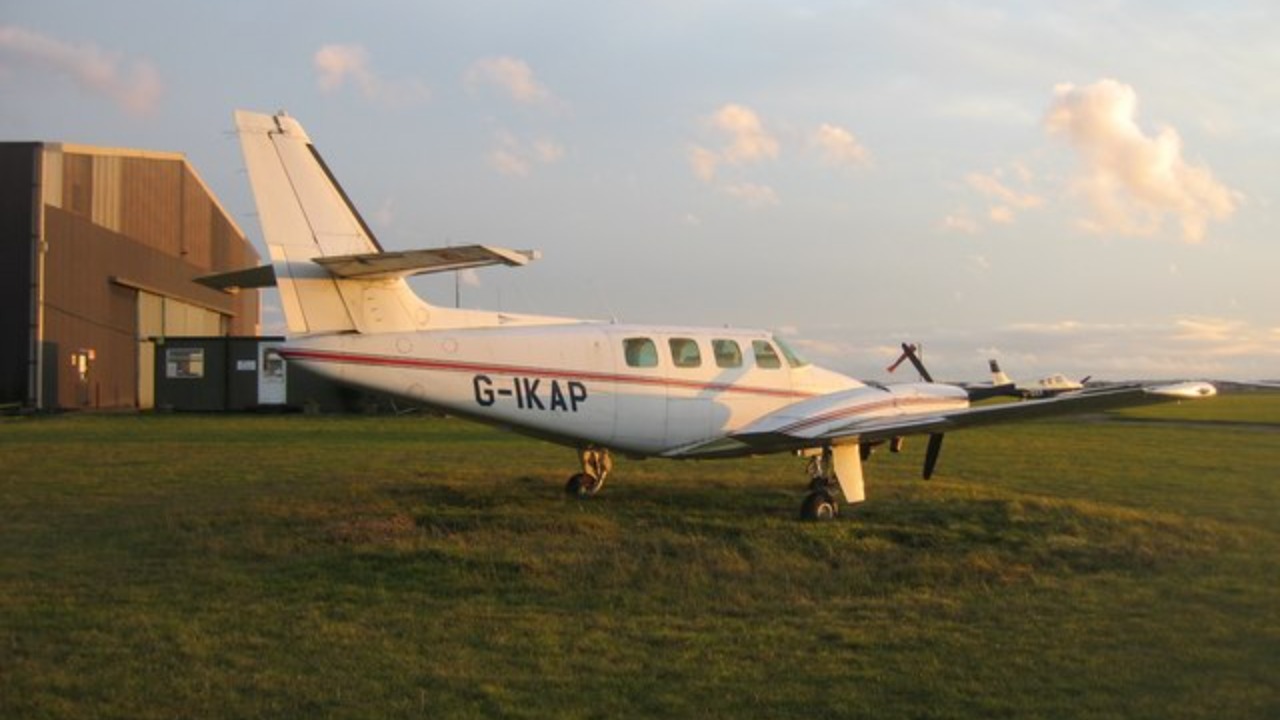
Despite their age, vintage twin-props continue to find new roles in the modern era. Some are used for commercial purposes, such as sightseeing tours and specialized cargo flights, offering unique experiences that newer aircraft simply cannot replicate. For private collectors and recreational pilots, these aircraft represent a tangible connection to aviation’s golden age, providing a uniquely rewarding flying experience. The appeal of vintage twin-props lies in their character and history, drawing enthusiasts who appreciate the craftsmanship and stories behind these machines. Whether flying for leisure or commercial gain, these aircraft offer a distinctive and nostalgic experience.
Technological Adaptations
As technology advances, efforts are underway to modernize vintage twin-props while preserving their historical integrity. Some aircraft have been retrofitted with modern avionics and upgraded engines, balancing the need for performance with the desire to maintain authenticity. These modifications enhance safety and efficiency, ensuring these aircraft remain relevant in today’s aviation landscape. However, the balance between modernization and preservation is delicate. Enthusiasts and engineers work together to integrate new technologies without compromising the original design, ensuring that the essence of these vintage aircraft is preserved for future generations to enjoy.
The Future of Vintage Twin-Props

Sustainability and Environmental Concerns
As environmental awareness grows, the aviation industry is increasingly focused on sustainability. Vintage aircraft, with their older engines, face scrutiny regarding emissions and fuel efficiency. Efforts are being made to address these concerns, including the exploration of sustainable fuels and alternative energy sources. While vintage twin-props are not the primary focus of these initiatives, the push for greener aviation solutions could influence how these aircraft are operated in the future. The challenge lies in balancing environmental responsibility with the desire to preserve these historical machines.
Preservation for Future Generations
Preserving vintage twin-props for future generations is of paramount importance, both for their historical value and educational potential. These aircraft serve as tangible links to aviation’s past, offering insights into the evolution of flight. Initiatives and organizations dedicated to the preservation of vintage aviation play a vital role in ensuring these aircraft remain accessible for study and enjoyment. Efforts to educate the public about the significance of these aircraft, coupled with ongoing restoration and preservation projects, help ensure that the legacy of vintage twin-props is safeguarded for years to come. By celebrating their history and embracing modern adaptations, we can continue to appreciate the unique charm of these remarkable machines.




Leave a Reply