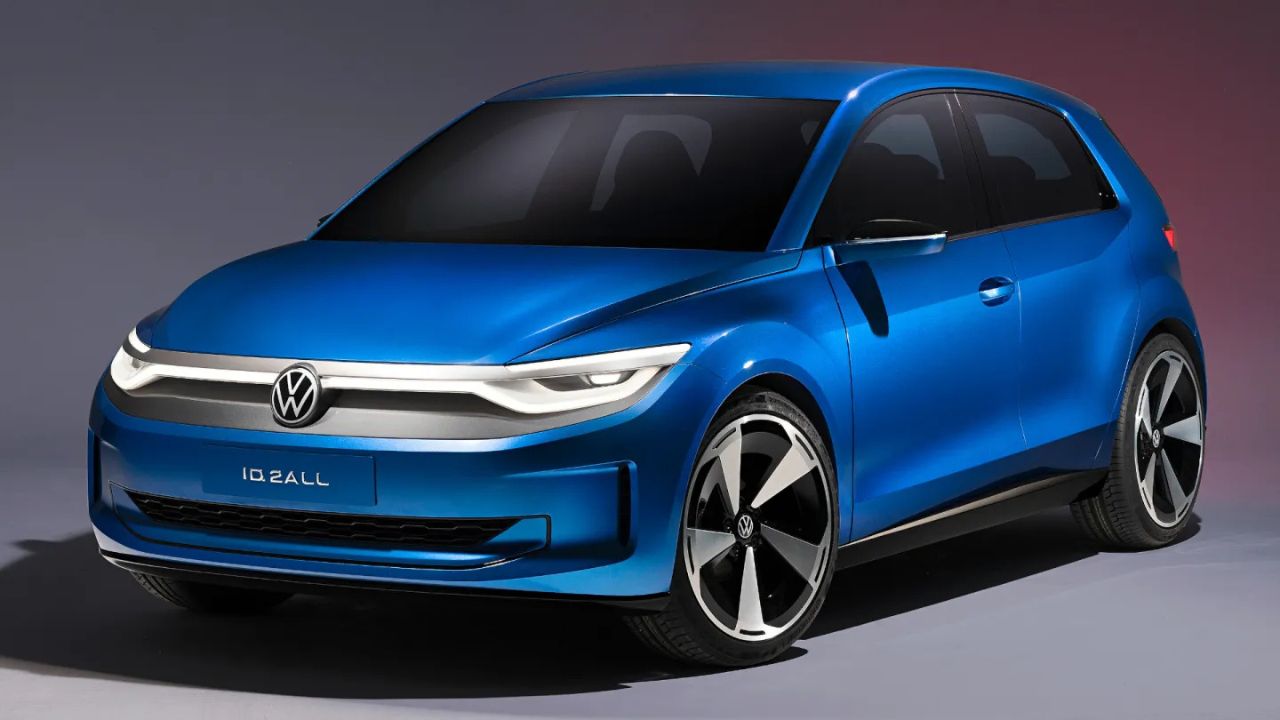
Volkswagen’s chief executive has sparked debate by comparing the shift from combustion engines to electric vehicles with the moment horses gave way to cars. His argument is blunt: once drivers experience mature battery tech, quiet drivetrains and lower running costs, they will see electric cars as simply better tools than petrol or diesel models. The comment lands at a tense moment for the industry, as demand wobbles, incentives change and carmakers juggle legacy factories with ambitious EV plans.
How VW’s horse analogy reframes the combustion-to-EV transition
When the Volkswagen boss likens traditional cars to horses, the point is not that combustion engines will vanish overnight. The comparison suggests that internal combustion will become a niche choice, kept alive by enthusiasts in the same way horse riding survives as a hobby rather than a transport backbone. For a mass-market manufacturer like Volkswagen, this framing signals to investors and customers that the company is past the point of no return on electrification.
Volkswagen has already committed tens of billions of euros to battery platforms, software and factories, and its next generation of models is built around dedicated electric architectures rather than adapted petrol platforms. Upcoming EVs in the compact and crossover segments are designed to replace core Golf and Tiguan customers, not sit on the fringes. Across the industry, product plans for the next few years are dominated by battery-powered launches, with lineups of new cars coming that lean heavily on electric hatchbacks, SUVs and performance models.
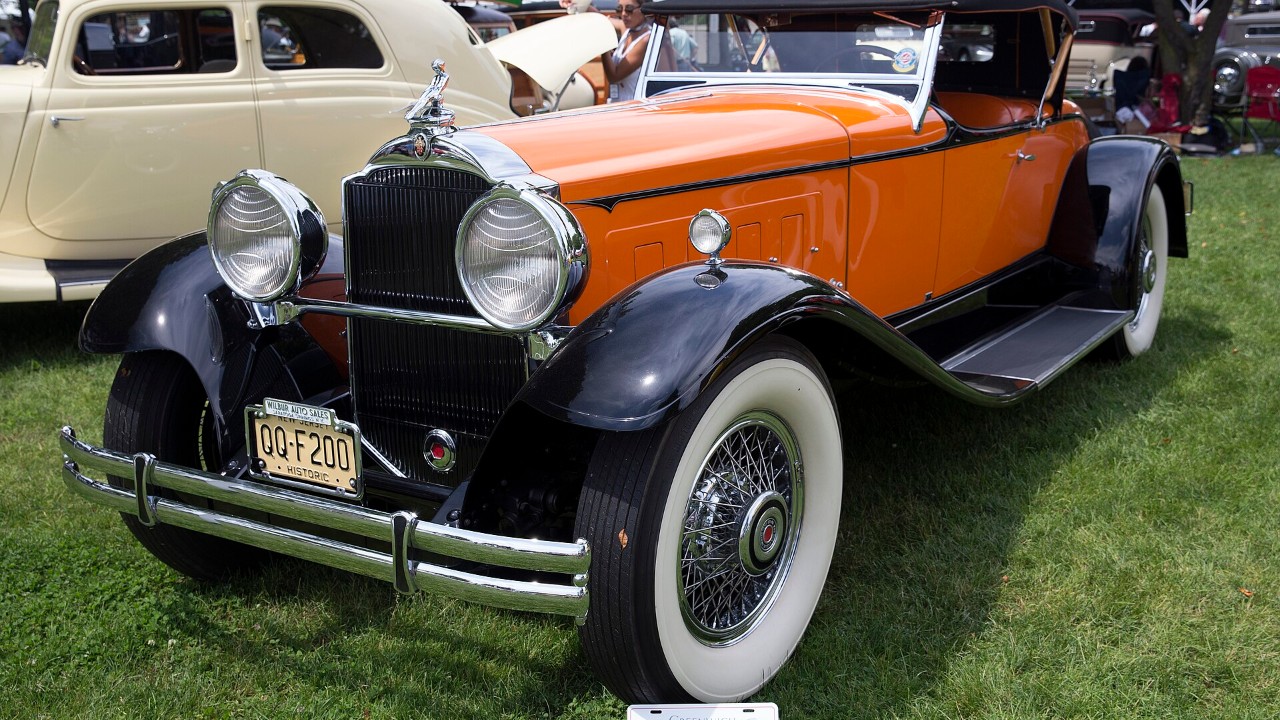
The horse comparison also acknowledges a cultural gap. For more than a century, the sound and feel of combustion engines have shaped car identity. By describing that era as equivalent to horse-drawn transport, the VW chief is arguing that emotional attachment will not stop a technology shift once the practical advantages of the new option become obvious to ordinary drivers.
What has shifted in VW’s stance and the wider EV narrative
Volkswagen is not new to electric rhetoric, yet the tone has hardened. Early EV strategy often came wrapped in talk of compliance with emissions rules and hedge bets. Now the company is positioning battery power as the default future, with combustion framed as a legacy technology that will inevitably fade into the background. This change mirrors a broader move across major automakers, which have gone from experimenting with a few electric models to planning entire electric sub-brands and phasing out new combustion platforms.
One key shift is that EVs are no longer presented only as eco-conscious choices. Carmakers now pitch them as better to drive, cheaper to run and more convenient to live with once home or workplace charging is in place. Volkswagen’s leadership has started to emphasize instant torque, quiet operation and lower maintenance as core reasons drivers will eventually prefer electric power, rather than leaning solely on climate arguments or regulatory pressure.
The narrative around driver enthusiasm has evolved as well. Performance divisions that once defended manual gearboxes and high-revving engines now explore how to translate character into electric form. At Hyundai, for example, the head of EV performance has openly described manual transmissions as mostly about nostalgia, while the company invests in software-driven performance features for its electric N models. This kind of public statement from a rival performance chief gives cover to Volkswagen’s own argument that attachment to combustion is emotional rather than rational.
Another change is the way companies talk about infrastructure and charging. Instead of presenting charging networks as a barrier, executives now highlight rapid improvements in public fast charging and the growth of home chargers. Volkswagen’s own investment in charging services and partnerships is framed as part of a seamless ecosystem, similar to how smartphone makers talk about app stores and accessories.
Why the “cars are like horses” claim matters in the current market
The timing of the VW boss’s comments is as significant as the metaphor itself. EV sales growth has slowed in some regions, and several manufacturers have delayed or adjusted electric rollouts in response to softer demand and changing incentive schemes. Against that backdrop, a confident statement that drivers will eventually discover EVs are superior is both a reassurance to investors and a challenge to skeptics who argue the market has already cooled.
For policymakers, the analogy feeds into debates over how quickly to phase out new combustion car sales. If a leading European automaker says customers will migrate to electric power once products mature, regulators can argue that stricter emissions targets simply accelerate an inevitable trend. Critics, however, will point to continued strong sales of petrol and hybrid cars as evidence that the transition is more complicated than a simple technological handover.
The comment also matters for suppliers and workers inside Volkswagen’s own ecosystem. Casting combustion as the new horse signals that engine plants, gearbox factories and exhaust system suppliers face a long-term sunset. Unions and local governments that depend on those jobs will read the analogy as a warning that reskilling and investment in battery production and software development are urgent, not optional.
For consumers, the message is more subtle but still powerful. When a mainstream brand leader says electric cars are inherently better machines, it encourages buyers who are on the fence to consider an EV for their next purchase rather than waiting for synthetic fuels or other transitional technologies. It also shapes expectations about residual values, since a technology framed as “the new horse” is unlikely to attract strong long-term demand in the used market.
How driver habits and expectations may evolve with EV maturity
Volkswagen’s analogy assumes that driver habits will change as the technology and infrastructure mature. Early adopters have already adjusted to planning charging stops on long trips and plugging in at home instead of visiting fuel stations. As more households gain access to reliable charging, the daily experience of car ownership shifts from occasional refueling to a routine more like charging a phone overnight.
That shift supports the VW chief’s claim that EVs can feel simply better to live with. For many drivers, the ability to start each day with a full battery, avoid fuel price volatility and benefit from lower servicing needs outweighs concerns about range or charging speed. As public fast chargers spread along major routes and in urban centers, long-distance travel becomes less of an exception and more of a manageable part of EV ownership.
Driver expectations around performance and refinement are changing too. Electric cars deliver maximum torque from zero rpm, which means even modest family crossovers can feel brisk in everyday traffic. Cabin noise is lower without an engine, and regenerative braking can reduce wear on mechanical brakes. These traits align with the argument that once drivers experience a well-executed EV, going back to a combustion model can feel like stepping backward in refinement.
There is still a cultural hurdle around sound and engagement. Some enthusiasts argue that the lack of engine noise and gear changes reduces connection with the car. Automakers are experimenting with synthetic soundtracks, steering tuning and software-controlled torque delivery to recreate a sense of character. As with the transition from horses to early cars, new forms of enthusiasm are likely to emerge around electric performance, software modifications and connected features.
What Volkswagen’s stance signals about the next phase of the EV shift
By framing combustion cars as the new horses, Volkswagen’s leadership is effectively locking the company into an electric future and betting that technology, regulation and consumer taste will all move in the same direction. The next few years will test that confidence as the brand rolls out new electric hatchbacks, crossovers and performance models that must win over mainstream buyers, not just early adopters.
Across the market, product pipelines show a similar commitment. The list of new models scheduled for launch includes a growing share of pure EVs and plug-in hybrids, many of them positioned as direct replacements for long-running combustion nameplates. As those cars arrive in showrooms, customers will be able to compare electric and petrol versions side by side on price, range and features, which will either validate or challenge Volkswagen’s claim.
More from Fast Lane Only
- Unboxing the WWII Jeep in a Crate
- 15 rare Chevys collectors are quietly buying
- 10 underrated V8s still worth hunting down
- Police notice this before you even roll window down
*Research for this article included AI assistance, with all final content reviewed by human editors