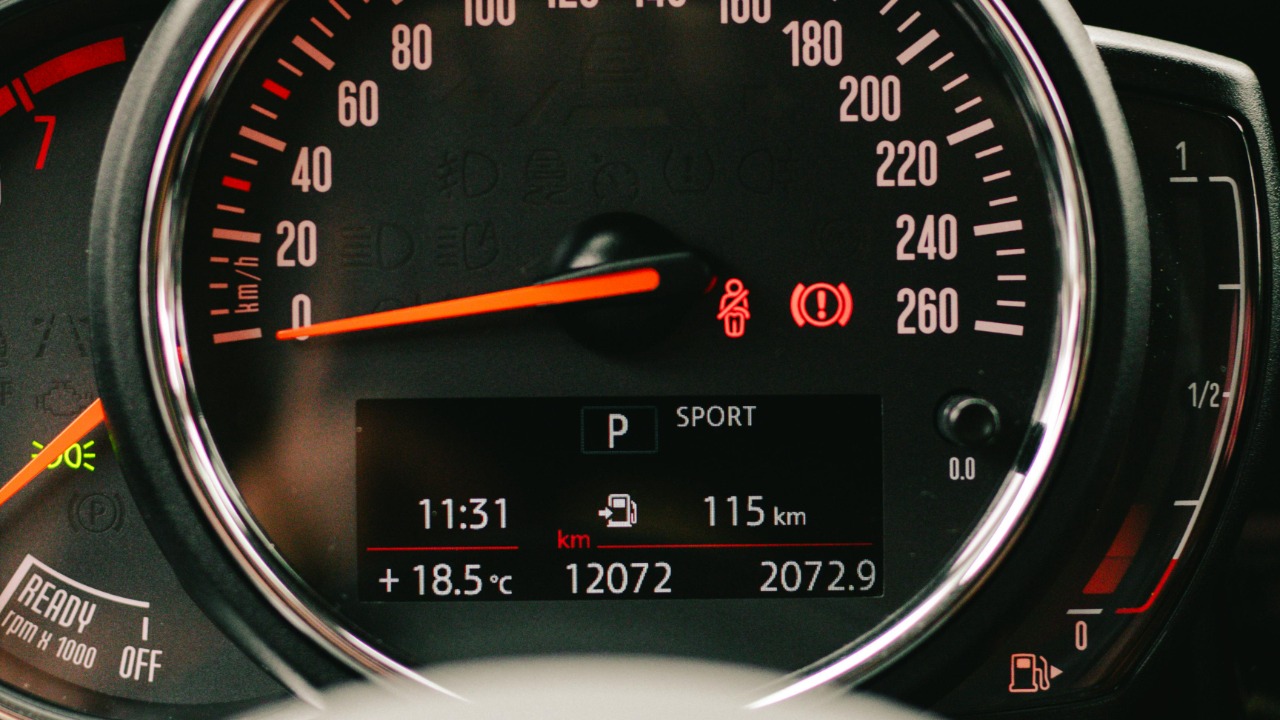
It started the way a lot of modern mysteries do: with a number that didn’t make sense. One morning, she glanced at the car’s odometer and did a quick double-take—somehow the mileage had jumped overnight. Not by a couple of miles, either, but enough to make “maybe I misread it” feel like wishful thinking.
They hadn’t gone anywhere special the day before, no late-night errands, no surprise road trip for snacks. The keys were where they always were, the car was parked where it should’ve been, and everything looked normal. Except for that stubborn new number on the dash.
A Small Detail That Didn’t Add Up
She’s the kind of person who notices patterns—how many miles a workday commute adds, how quickly the gas gauge drops, the usual rhythms of the week. So when the odometer suddenly looked like it had lived a whole extra day, it stood out. It wasn’t paranoia so much as the simple math of, “Wait, when did we drive that far?”
He shrugged at first, chalking it up to a misremembered reading or a long detour earlier in the week. But she was sure. She’d taken a quick photo of the mileage during a routine maintenance reminder—one of those little habits that feels silly until it saves you.
The Dash Cam Nobody Thought They’d Need
Luckily, their car had a dash cam installed months earlier. It was mostly for peace of mind—insurance, the occasional close call, the “people are wild out there” factor. It wasn’t something they checked regularly, which is kind of the point: you hope it’s boring forever.
But this time, it was the obvious next step. If the car had moved, the camera would’ve seen it. And if the car hadn’t moved, at least they’d have proof that the mileage jump was some kind of glitch or display issue.
Missing Hours, Suddenly Accounted For
When they pulled the footage, the first few clips were exactly what you’d expect: a quiet driveway, a sleepy street, nothing dramatic. Then, in the middle of the night, the view shifted. Headlights swept across the frame, the engine turned over, and the car rolled out like it had a scheduled appointment with trouble.
The camera caught a hooded figure climbing into the driver’s seat, moving with the confidence of someone who’d done this before. The car didn’t speed off like in a movie. It just…left. Calmly. Which somehow made it creepier.
The footage kept recording in segments, showing a drive through mostly empty streets and a brief stop in a dimly lit area. There was no audio clue of conversation, no obvious accomplice in frame, but the detour was long enough to explain the mileage. By the time the car returned, the sky still looked dark, as if whoever took it was betting on everyone sleeping through the whole thing.
So How Did the Car Get Taken Without a Scene?
That was the next question, and honestly the one that made both of them recheck the locks twice. The door didn’t look damaged. There were no shattered windows, no mess left behind, no dramatic evidence that would’ve made the situation feel more straightforward.
Experts have been warning for years that modern theft doesn’t always involve broken glass. Some thieves use relay devices to capture and extend the signal from key fobs left near doors or windows. Others exploit unlocked doors, spare keys left in vehicles, or vulnerabilities in older aftermarket systems.
In their case, the dash cam video couldn’t show exactly how entry happened, only that it happened. But it did narrow the list of possibilities: either someone had a way in, or someone got lucky because the car wasn’t as secure as they thought.
The Weird Part: It Came Back
A stolen car that returns to the exact spot it was taken from is not the most comforting plot twist. It raises the kind of questions that don’t have easy answers. Was it taken for a joyride? Used briefly for another purpose? Returned because the thief realized it had a camera, or because something spooked them?
Sometimes vehicles are stolen and used for quick errands, transportation to another location, or even as a tool in other crimes. In those cases, returning it can be about reducing heat—no missing-car report, no immediate search, fewer eyes looking for it. And if the owner doesn’t notice right away, the theft can stay invisible.
What They Did Next (And What Police Typically Ask For)
They didn’t sit on the discovery. Once they realized the car had been taken, they saved the footage in multiple places—phone, laptop, cloud storage. Dash cam memory cards can overwrite quickly, so treating video like perishable evidence is a smart move.
They filed a police report and provided the timeline, along with the video clips that showed the departure, the route, and the return. Investigators often want the raw files, not just screen recordings, because metadata can help establish time stamps and authenticity. Even if the driver’s face isn’t visible, the route and stops can connect to other reports or nearby cameras.
They also checked for signs of tampering: unusual scratches near the door, marks around the ignition area, or anything out of place inside the car. A quick scan for missing items helped too—registration, garage opener, spare keys, anything that could make a second visit easier.
A Quiet Reminder About Key Fobs and “Safe” Parking
The whole thing prompted a few immediate changes at home. The keys stopped living near the front door, and a signal-blocking pouch became the new boring household accessory. Not glamorous, but neither is explaining to your insurance why your car apparently developed a nightlife.
They also started using a steering wheel lock. Yes, it’s a very early-2000s visual, but that’s kind of the charm—it’s obvious, it’s annoying to defeat, and it encourages thieves to pick an easier target. Layered security doesn’t have to be fancy; it just has to slow someone down.
Dash Cams: Not Just for Accidents Anymore
For years, dash cams have been marketed as protection against bad drivers and fender-bender disputes. But stories like this one are nudging them into a new category: passive home security for your vehicle. Parking mode, motion detection, and cloud alerts can turn a simple camera into a witness that never sleeps.
Of course, not every setup is perfect. Some cameras don’t record when the car is off unless they’re hardwired, and some batteries won’t support extended parking mode without extra hardware. Still, having any footage at all can be the difference between a weird hunch and a documented report.
The Takeaway Everyone Can Relate To
It’s easy to dismiss a small oddity—an odometer that looks “a bit off,” a gas gauge lower than expected, a seat moved slightly. Most of the time, it’s nothing. But sometimes, it’s the first clue that someone treated your car like a rental with no paperwork.
In this case, a simple habit of noticing details, plus a dash cam installed for “just in case,” turned a confusing mileage jump into a clear timeline. The missing hours weren’t missing anymore. And while it didn’t make the situation pleasant, it made it solvable—which, these days, is a pretty good place to start.
More from Fast Lane Only
- Unboxing the WWII Jeep in a Crate
- 15 rare Chevys collectors are quietly buying
- 10 underrated V8s still worth hunting down
- Police notice this before you even roll window down
*Research for this article included AI assistance, with all final content reviewed by human editors.