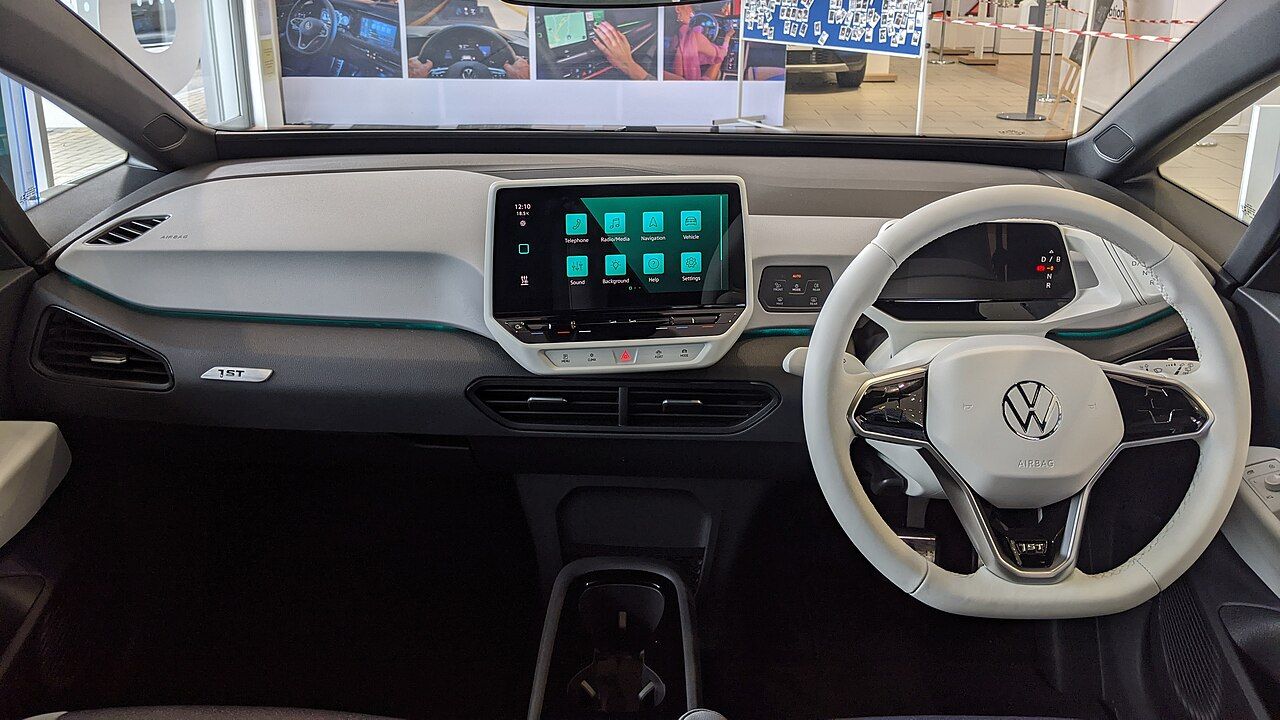
Volkswagen’s updated ID.3 marks a noteworthy shift in the automotive industry’s approach to vehicle interiors. By reintroducing physical buttons, VW is responding to consumer preferences for tactile controls while enhancing the overall user experience.
The Evolution of the ID.3
The Volkswagen ID.3 made its debut in 2019 as part of VW’s ambitious plan to electrify its vehicle lineup. Positioned as a compact electric hatchback, the ID.3 was met with considerable excitement, thanks to its promise of affordability, range, and the innovative MEB platform. Initially, the car garnered positive reviews, but it also faced criticism regarding its digital interface, which relied heavily on touch-sensitive controls. As a result, many owners expressed a desire for more traditional, tactile features that enhance usability.
VW’s design philosophy has always emphasized a balance between innovation and practicality. The ID.3’s minimalist aesthetic aimed to showcase the futuristic nature of electric vehicles. However, as user feedback began to accumulate, it became clear that while the sleek design was appealing, the reliance on touch controls often led to frustration. This prompted VW to rethink its approach, leading to the introduction of physical buttons in the latest ID.3 update. Key milestones in the ID.3’s development include software updates and hardware revisions, all aimed at refining the user experience.
Consumer Feedback and Market Trends
Consumer feedback has become increasingly pivotal in shaping the design and functionality of modern vehicles. Many drivers expressed dissatisfaction with touch interfaces, particularly in high-stress driving situations where tactile feedback is crucial. Numerous surveys have shown a growing trend favoring physical controls, especially among those in older demographics who may be less comfortable navigating a completely digital interface.
Market trends indicate a clear shift towards prioritizing user experience, particularly in the electric vehicle sector. As more manufacturers enter the EV space, the competition intensifies, and brands that listen to consumer preferences are more likely to thrive. The ID.3’s update, complete with physical buttons, reflects VW’s commitment to aligning with these market trends and enhancing customer satisfaction in an era where user experience dictates purchasing decisions.
Features of the Updated ID.3
The updated ID.3 features a strategic reintroduction of physical buttons, positioned within easy reach of the driver and passengers. These buttons control essential functions such as climate control, audio settings, and drive modes, ensuring that drivers can adjust settings without diverting their attention from the road. The tactile nature of these controls allows for a more intuitive experience, particularly for those who may struggle with touchscreens while driving.
In addition to the physical buttons, the updated ID.3 boasts several technological enhancements, including improved software for the infotainment system and expanded connectivity options. The interface has been redesigned to provide a more user-friendly experience, with clearer graphics and a more responsive touch system when physical buttons are not in use. Compared to its predecessor, the latest version of the ID.3 prioritizes a balance between digital innovation and the familiarity of traditional controls, making it a compelling choice for a wider range of consumers.
The Role of Physical Buttons in Vehicle Design
The reintroduction of tactile controls in vehicles like the updated ID.3 brings several benefits, particularly regarding driver safety and convenience. Physical buttons allow for quicker adjustments, minimizing the time spent looking away from the road. This aspect is critical, especially in situations where split-second decisions can make a significant difference in safety. Additionally, tactile feedback offers a sense of assurance, allowing drivers to feel confident in their control over various vehicle functions.
Psychologically, the presence of physical buttons can enhance the overall interaction experience between the driver and the vehicle. Research shows that many consumers prefer the reassurance that comes with physical controls, as they provide a sense of familiarity and comfort. This is particularly relevant in the context of electric vehicles, where drivers may already be adjusting to a new driving experience. By incorporating physical buttons, VW not only enhances usability but also builds trust in its technology.
VW’s Strategy for Future Models
VW’s strategy for future models appears to be informed by the lessons learned from the ID.3’s initial reception. The integration of physical controls in the ID.3 sets a precedent for upcoming models within the ID family. As electric vehicles continue to evolve, VW is likely to strike a balance between cutting-edge technology and the user-friendly interface that consumers desire. This approach will not only help retain existing customers but will also attract new buyers who may have previously hesitated due to concerns about usability.
Moreover, this strategy may influence competitors in the electric vehicle market. As brands like Tesla and Ford push the boundaries of technology, VW’s re-emphasis on physical controls could serve as a reminder that consumer preferences should guide design choices. Future models, such as the anticipated ID. Polo, will likely incorporate lessons from the ID.3, ensuring that the user experience remains a central focus.
Environmental and Technological Considerations
The design and manufacturing of the ID.3 reflect a commitment to sustainability, a crucial consideration in today’s automotive landscape. VW has made strides in using recycled materials and environmentally friendly manufacturing processes. For instance, the interior of the ID.3 incorporates sustainable materials that reduce its carbon footprint while maintaining a high-quality feel. These innovations align with VW’s goal of becoming a leader in sustainable mobility.
Technological advancements that influence vehicle design also play a significant role in the sustainability narrative. The ID.3’s MEB platform allows for efficient production methods that reduce waste and energy consumption. As the automotive industry continues to evolve, integrating advanced technology with sustainable practices will be paramount in meeting environmental standards and addressing consumer expectations. The ID.3 serves as a case study in how innovation can drive both performance and sustainability.
Market Implications for Volkswagen
The updated ID.3 has significant implications for VW’s market position within the electric vehicle sector. As more consumers gravitate towards EVs, the reintroduction of physical buttons can enhance VW’s appeal, potentially increasing market share. Analysts are optimistic about this move, suggesting that the combination of user-friendly features and cutting-edge technology will resonate with a broad audience.
Reactions from industry experts have been largely positive, with many acknowledging the importance of VW’s responsiveness to consumer feedback. The significance of this update extends beyond sales figures; it represents a shift in VW’s brand image towards one that prioritizes customer satisfaction. As the automotive landscape continues to change, VW’s ability to adapt its offerings will be crucial in maintaining customer loyalty and attracting new buyers.
Future of Vehicle Interiors in the EV Market
The future of vehicle interiors in the electric vehicle market is poised for exciting developments. As technology continues to advance, we can expect to see even more innovative solutions that enhance the driving experience while addressing consumer preferences. The ongoing debate between high-tech interfaces and user-friendliness will shape how manufacturers design vehicle interiors in the coming decade.
VW’s approach with the updated ID.3 may set a trend for other manufacturers to follow, encouraging a reevaluation of how we interact with our vehicles. The integration of physical buttons alongside advanced technology could pave the way for a more harmonious relationship between drivers and their cars. As the electric vehicle market matures, the lessons learned from the ID.3 will likely influence broader design trends, ultimately shaping the future of in-car experiences for all drivers.
More from Fast Lane Only