Driving a classic muscle car every day sounds like a dream—until you’re stuck in traffic with a sticky carb, heavy clutch, and no A/C. But for those who’ve actually done it, there’s something about the experience that makes modern cars feel a little… dull. These cars demand your attention. They rumble, creak, and occasionally leak—but they’ve got character you can’t fake.
This isn’t about trailer queens or weekend cruisers. It’s about what it’s really like to run errands, hit the freeway, and live life behind the wheel of a vintage V8—one day at a time.
1. 1969 Dodge Charger R/T

With a 440 Magnum or 426 Hemi under the hood, the ’69 Charger has no trouble keeping up in modern traffic. But daily driving it means wrestling a long hood, a wide stance, and steering that feels vague at best under 20 mph.
The interior is surprisingly roomy, with broad bucket seats and plenty of legroom. The suspension is torsion bar up front and leaf springs out back—decent for cruising, but not great on uneven pavement. It sounds good, turns heads, and needs constant attention. If you’re into that kind of relationship, it’s worth it.
2. 1970 Chevrolet Chevelle SS 454
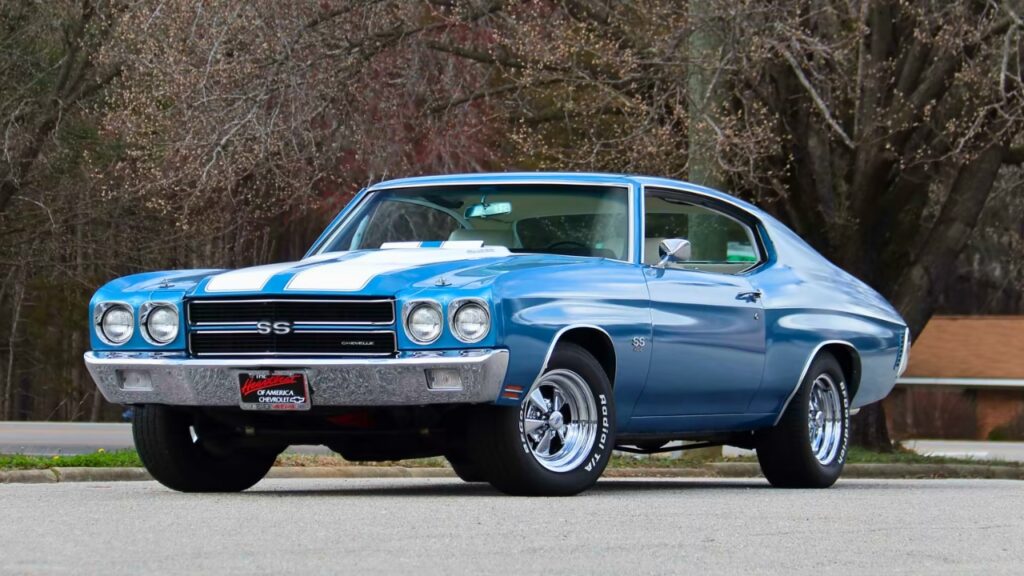
The Chevelle SS 454 is brute force on four wheels. With 500 lb-ft of torque and a curb weight over 3,800 pounds, it’s less of a car and more of a controlled explosion. In traffic, the carbureted big block can get cranky, especially in hot weather.
Visibility is good, and the ride is surprisingly compliant thanks to its long wheelbase and coil springs all around. Inside, it’s all vinyl, big gauges, and a bench seat that swallows you up. Keep an eye on the temp gauge and a close hand on the brake pedal—it takes real effort to drive every day.
3. 1971 Plymouth GTX 440 Six Barrel
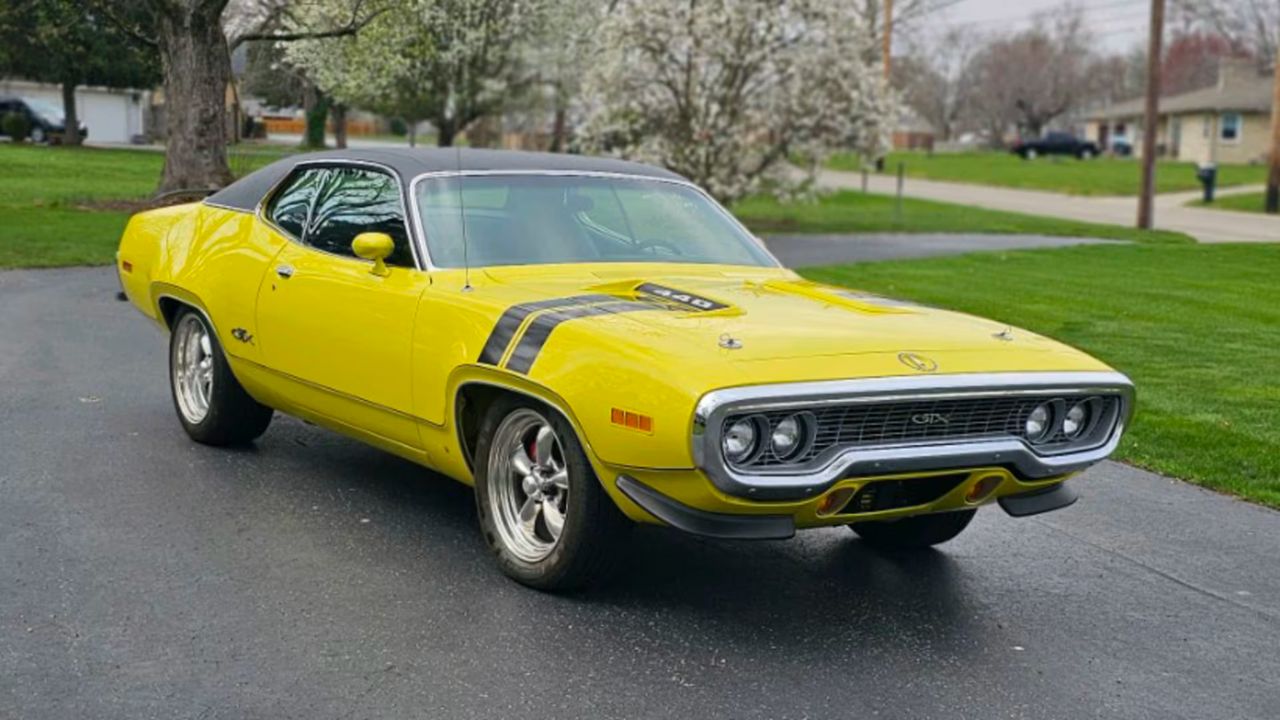
Daily driving a GTX means dealing with old-school Mopar manners. The 440 Six Barrel delivers serious grunt, but cold starts can be stubborn, and triple carbs aren’t always in sync. Once warmed up, though, it moves with authority and sounds like it means it.
Handling isn’t a strong suit—there’s body roll, and the steering feels loose until you’re cruising at speed. The ride is comfortable on straight roads, and the interior is functional if not exactly refined. Fuel economy? Don’t ask. But every commute feels like a parade.
4. 1969 Ford Mustang Mach 1 428 Cobra Jet
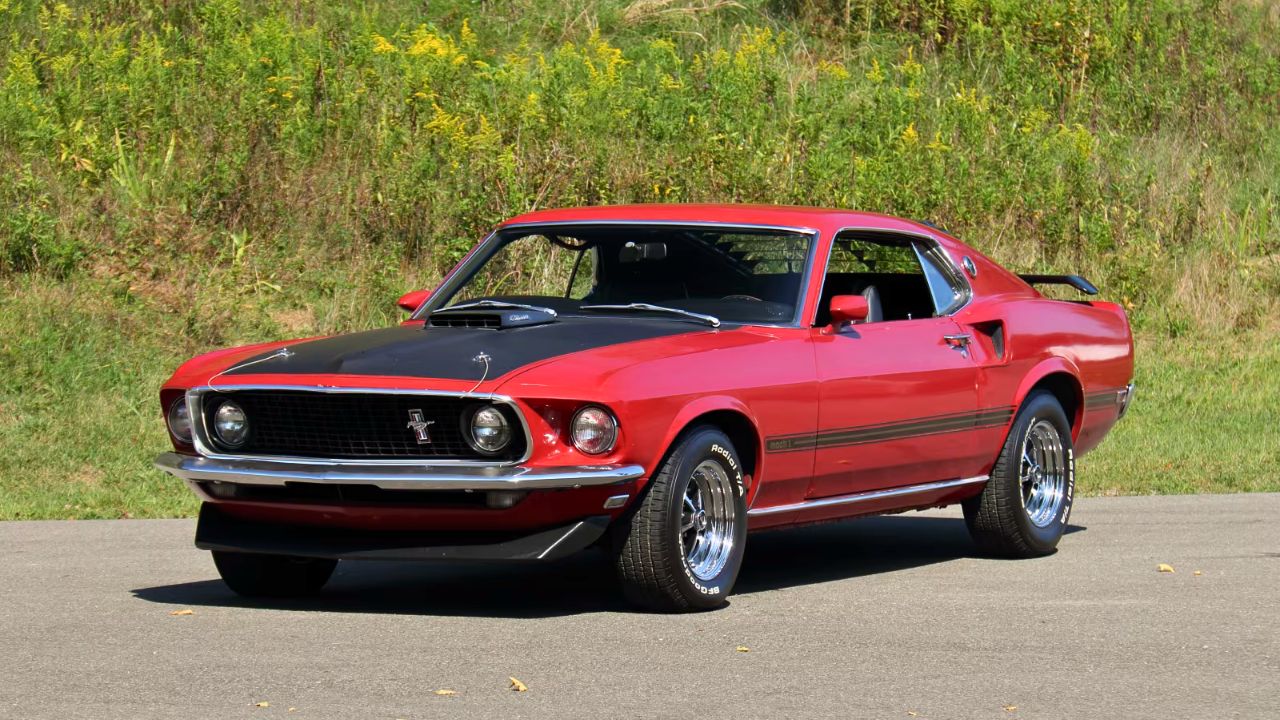
The Mach 1 has presence—scoops, stripes, and a big 428 under the hood. Around town, the clutch is heavy, the steering is slow, and the visibility out of the rear window isn’t great. But hit a back road, and it wakes up.
The leaf-spring rear and short wheelbase make for a choppy ride, but it’s not unbearable. The interior is classic Ford—basic layout, functional gauges, and enough space if you’re not tall. The noise and vibration are constant reminders that you’re driving something with real hardware under the skin.
5. 1970 Oldsmobile 442 W-30
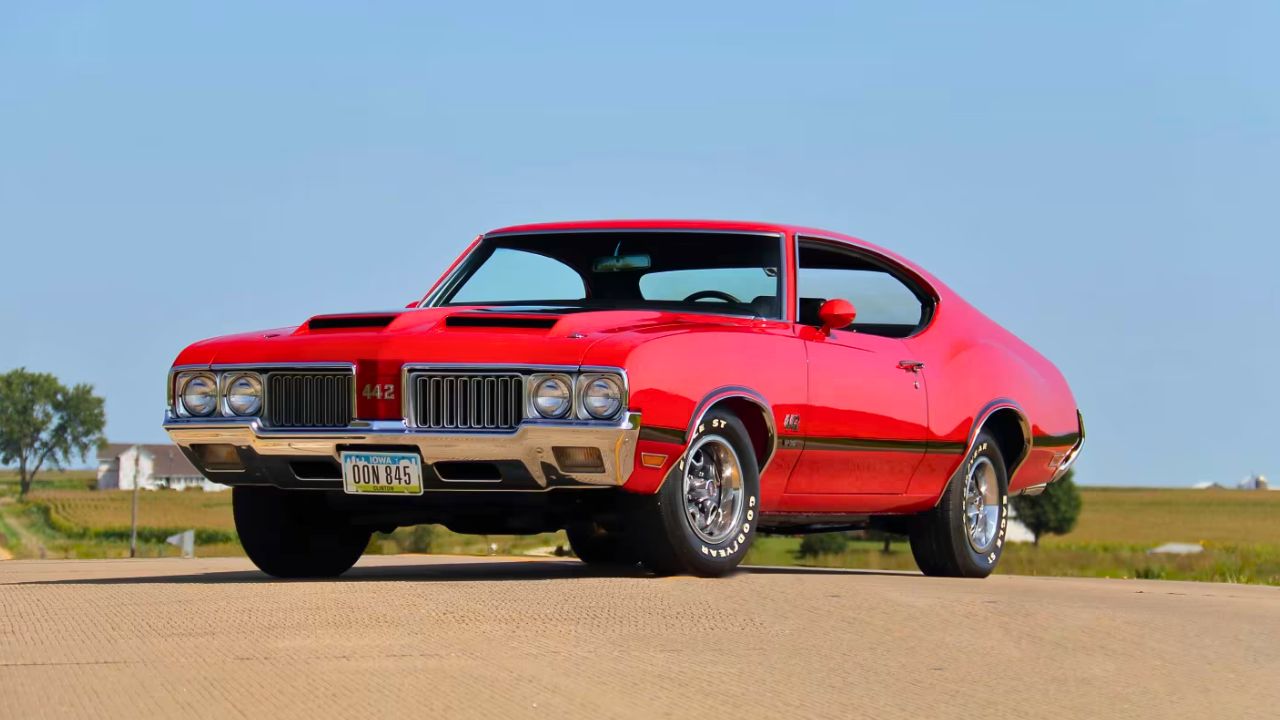
The W-30 version of the 442 had a fiberglass hood, aluminum intake, and a 370-hp 455 V8. Daily use highlights its torque-rich, relaxed driving style. It’s happy in traffic and less frantic than some of the high-revving alternatives.
The suspension is soft, but that works in its favor for daily comfort. Handling is competent but not confidence-inspiring in corners. The interior is a mix of luxury and muscle—padded dash, solid-feeling switches, and well-bolstered seats. It’s a sleeper by today’s standards, and that’s part of the appeal.
6. 1968 Pontiac GTO
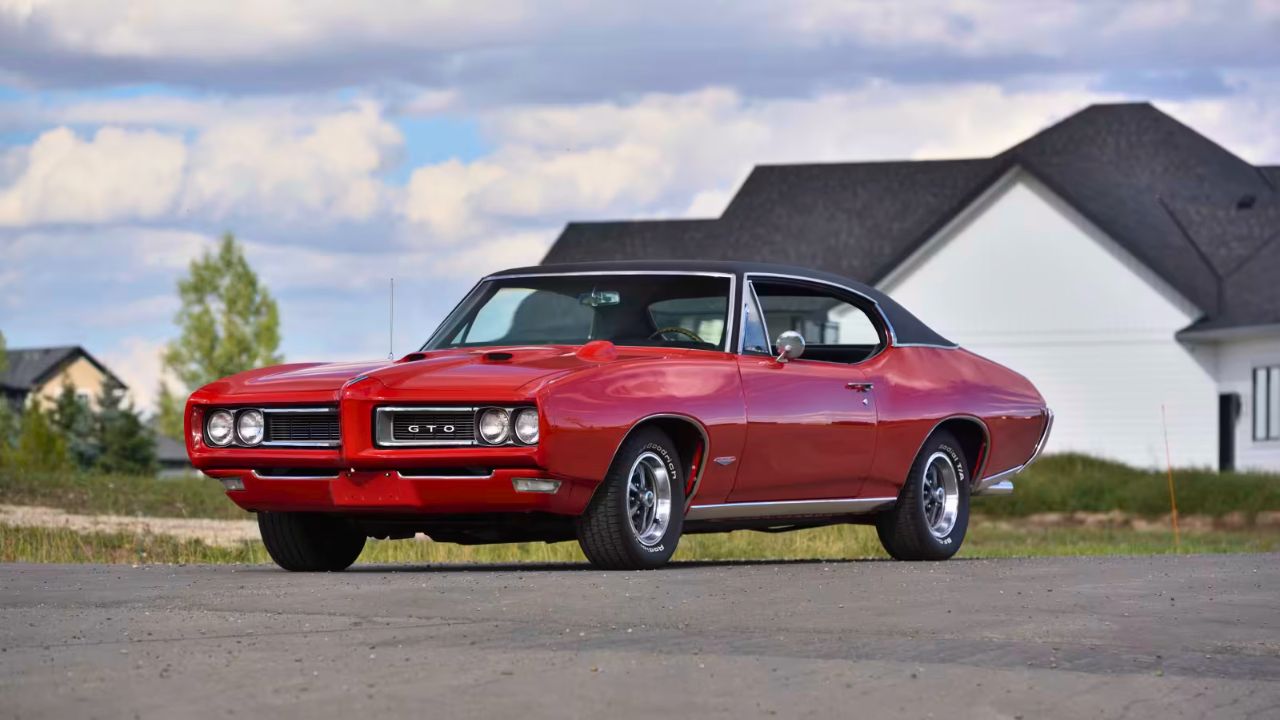
Pontiac’s GTO made everyday power accessible. The 400 V8 and optional Ram Air package offered smooth low-end torque, which makes it livable in town. It starts reliably, idles clean, and doesn’t feel overly temperamental for a carbureted V8.
It has coil springs at all four corners, giving it a more settled ride than most. The dash is straightforward, with a hood-mounted tach if optioned right. The GTO’s biggest drawback? Drum brakes on many models, which can feel vague and need regular adjustment. It’s a rewarding driver, but it rewards maintenance just as much.
7. 1970 Buick GS Stage 1
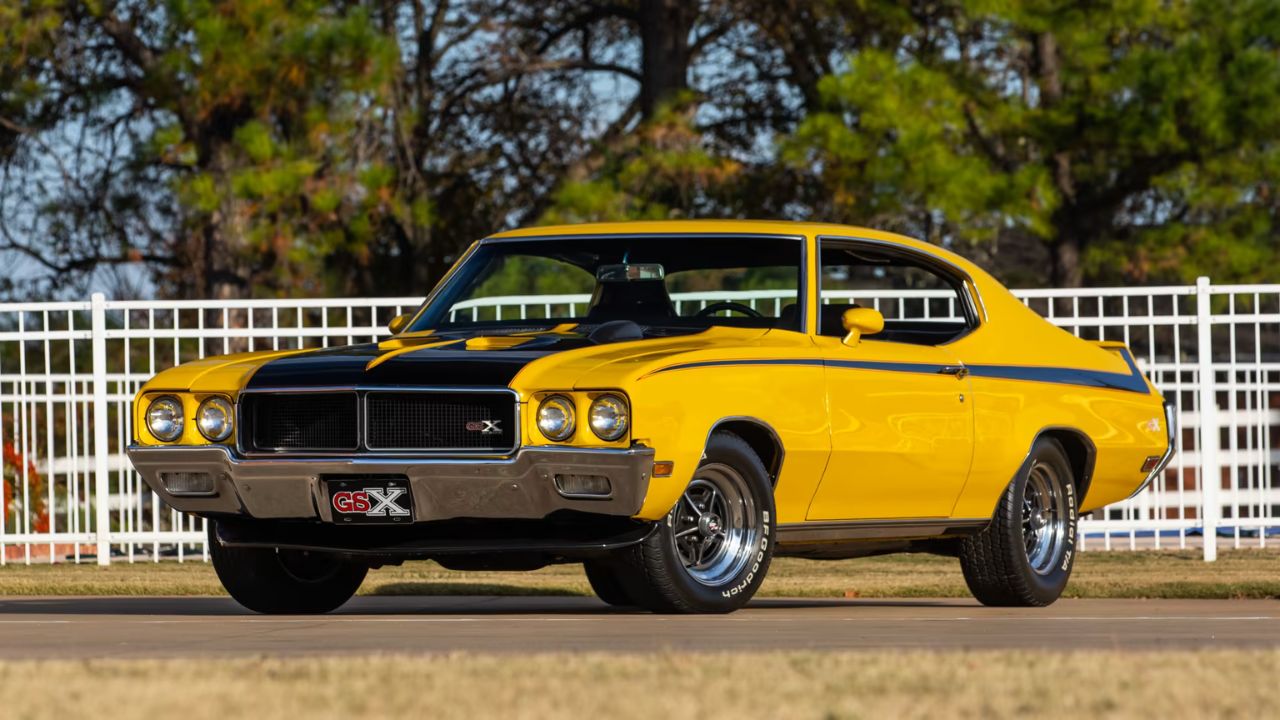
If you’re looking for torque without the drama, the GS Stage 1 delivers. The 455 Stage 1 produced 510 lb-ft, making it one of the most driveable muscle cars of its era. It idles smoothly, pulls hard off the line, and doesn’t mind cruising at low RPM.
Buick’s suspension tuning favored comfort over cornering, but that’s a plus when you’re navigating daily roads. The cabin is quieter than most—thicker insulation and better build quality help. It’s less flashy than a Chevelle SS, but more refined, which makes it a solid daily muscle choice.
8. 1969 AMC AMX 390
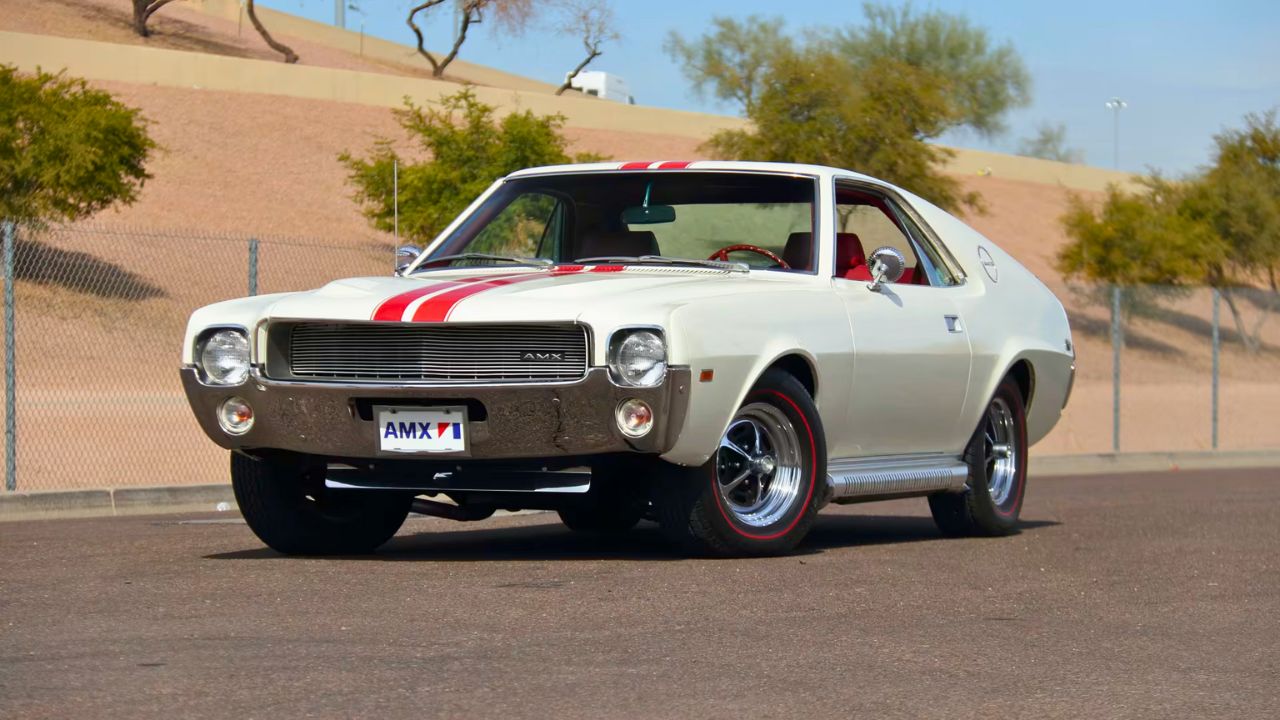
The AMX was short, quick, and underrated. With a 390 V8 and a wheelbase nearly a foot shorter than its rivals, it feels nimble but twitchy. The short rear overhang helps with turning radius, but the rear suspension can get bouncy on poor roads.
Cabin space is tight, especially with the two-seat layout. The gauges are cleanly laid out, and visibility is solid. It’s light, relatively compact, and easy to maneuver, which makes it one of the easier muscle cars to daily drive—if you don’t mind the stiff ride and limited storage.
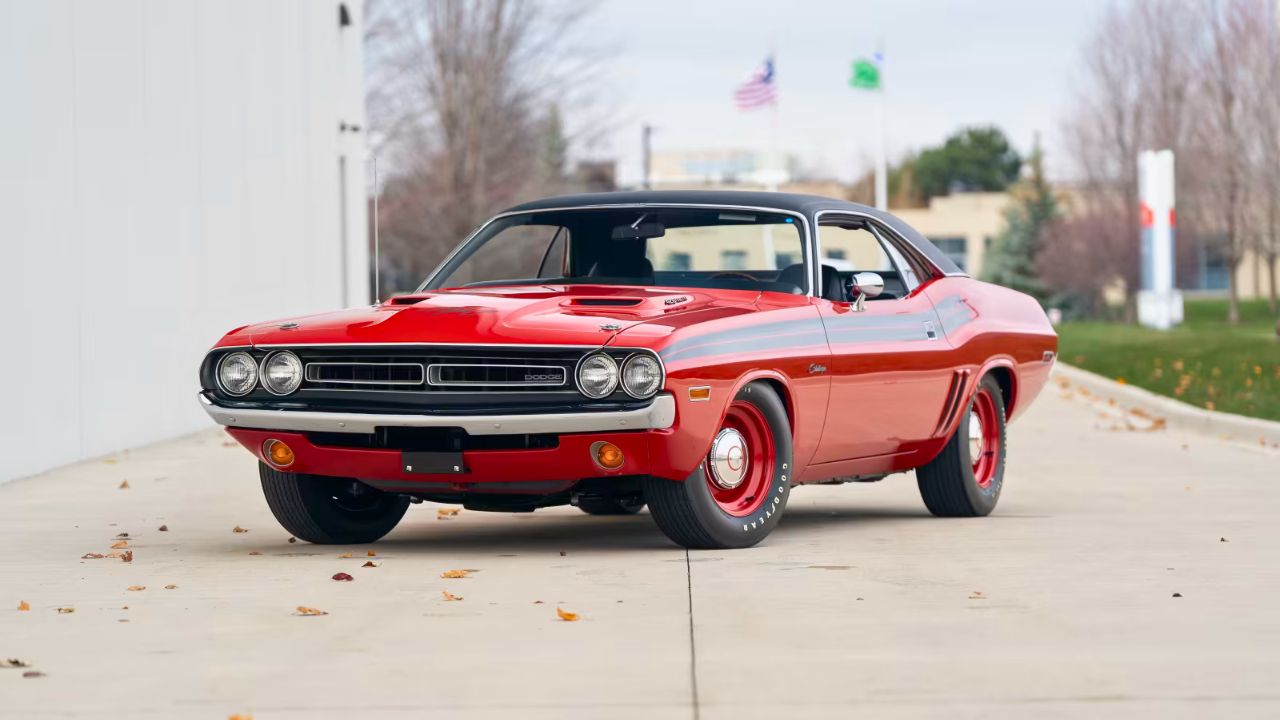
9. 1971 Dodge Challenger R/T
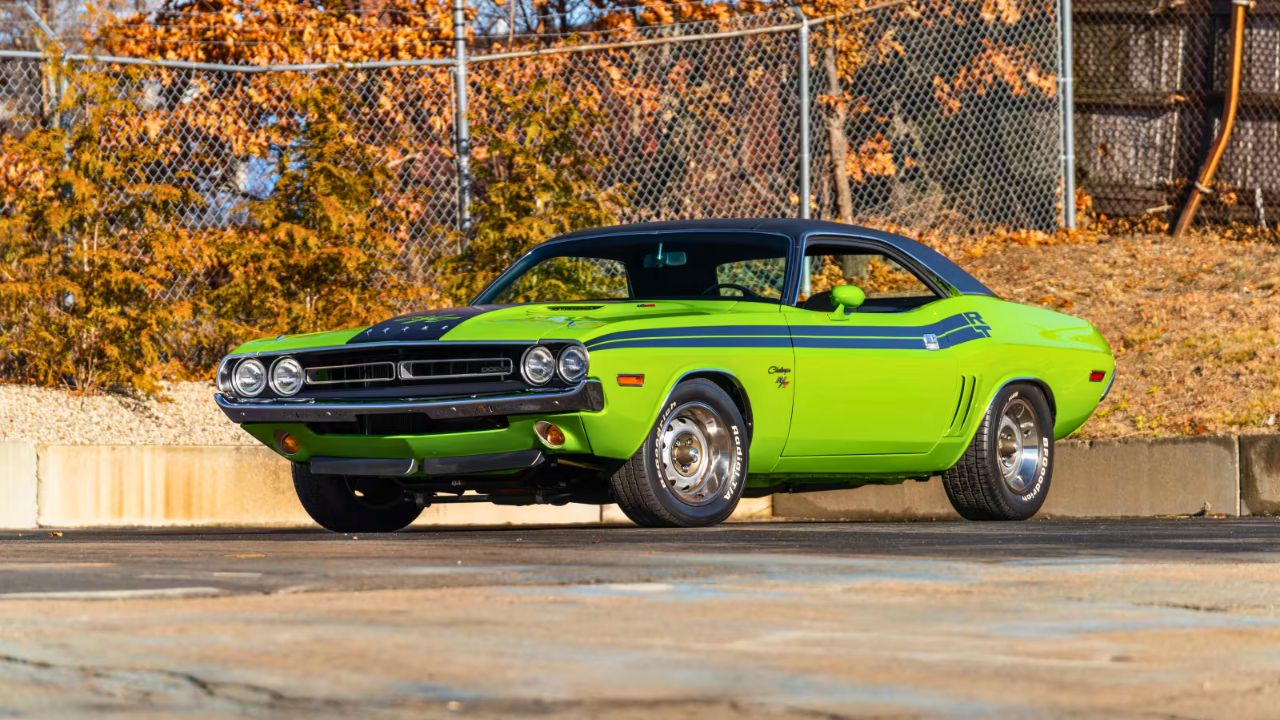
Driving a ’71 Challenger R/T every day gives you some of the best Mopar styling with a little more livability than the earlier B-bodies. The longer wheelbase smooths out the ride, and the front end feels more planted. The 426 Hemi or 440 Six Pack options make it feel like overkill in traffic.
Inside, it’s roomy with high-back buckets and an available Rallye dash cluster. Steering is slow, brakes require planning, and fuel mileage sits in the low teens. But park it next to anything modern, and you’ll remember why you put up with all of it.
10. 1970 Mercury Cyclone Spoiler
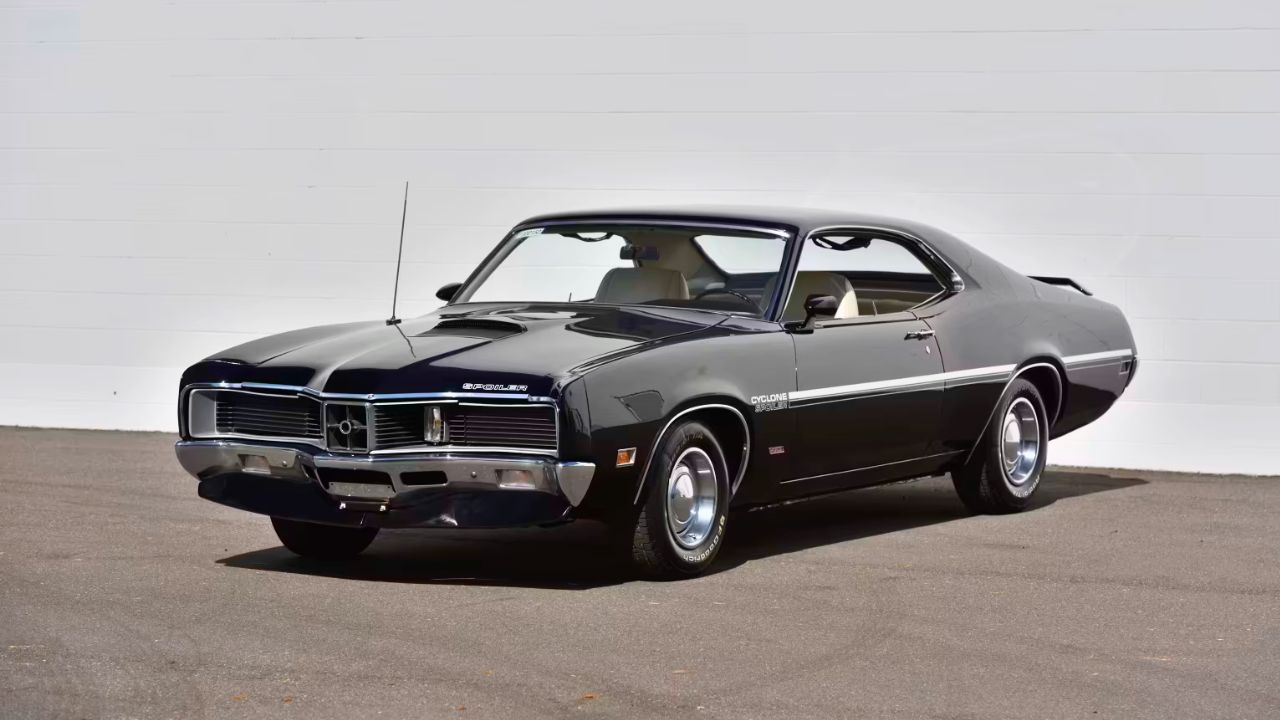
The Cyclone Spoiler flew under the radar, even back then. With a 429 Cobra Jet and a NASCAR-inspired front end, it’s got the bones of a race car—but it was built for the street. Daily driving one takes patience. It’s wide, heavy, and has a long nose that’s hard to judge in tight spots.
The suspension was decent for its size, but it leans into corners and takes effort to rein in. Inside, it’s comfortable with big controls and decent visibility. Parts availability can be a challenge, but if you’re into muscle cars that don’t follow the crowd, it’s worth the hassle.
*This article was hand crafted with AI-powered tools and has been car-fully, I mean carefully, reviewed by our editors.