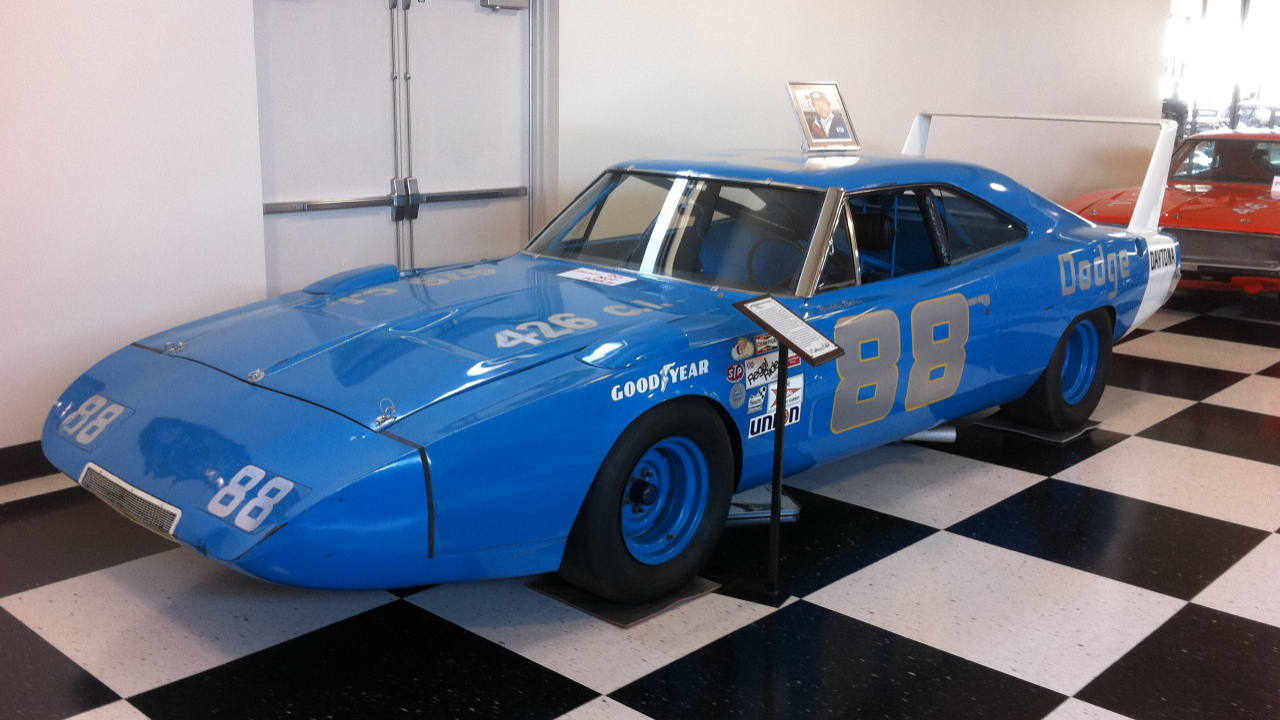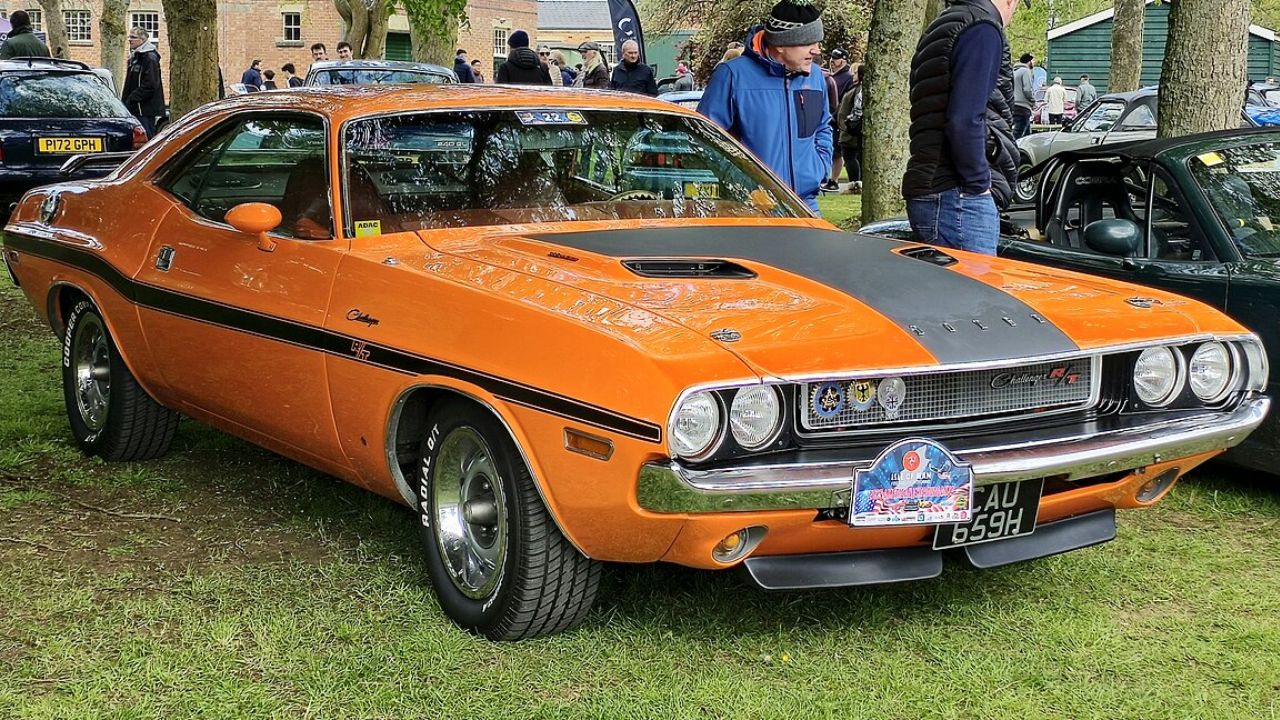
The 1970s Dodge Challenger captured the imagination of car enthusiasts with its bold design, powerful performance, and cultural impact. This iconic American muscle car became a symbol of freedom and rebellion, setting itself apart in a decade of automotive innovation. The Challenger’s unique blend of style, power, and cultural significance made it a standout in automotive history, attracting both enthusiasts and collectors over the decades.
Design and Aesthetics
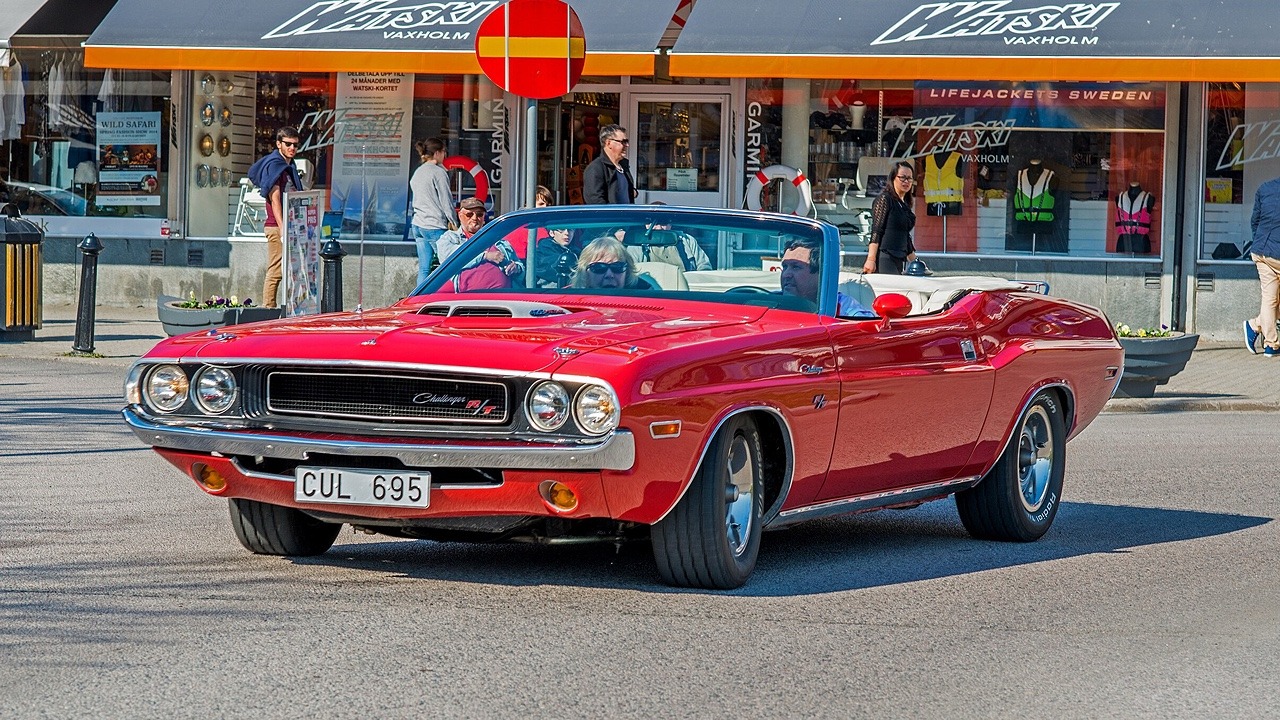
The Dodge Challenger of the 1970s was a masterclass in bold and aggressive styling, with its long hood, wide stance, and sleek lines lending it a commanding presence on the road. The design was not just about aesthetics; it also contributed to its performance by enhancing aerodynamics. For many, the Challenger’s look was the epitome of American muscle car design, embodying both raw power and elegance. One of the key attributes that set the Challenger apart was the range of customizable options it offered. Buyers could select from a variety of trims, colors, and interior features, allowing them to personalize their cars to reflect their individual tastes and preferences. This level of customization was relatively rare at the time and contributed greatly to the car’s appeal. Signature elements like the split grille, distinctive taillights, and the shaker hood became iconic features, giving the Challenger a unique identity that distinguished it from other muscle cars of the era. These design choices were not just about standing out visually but also about creating a vehicle that was memorable and instantly recognizable. The Challenger managed to capture the zeitgeist of the 1970s, becoming a symbol of the era’s automotive innovation and the adventurous spirit of its drivers.
Performance and Engineering
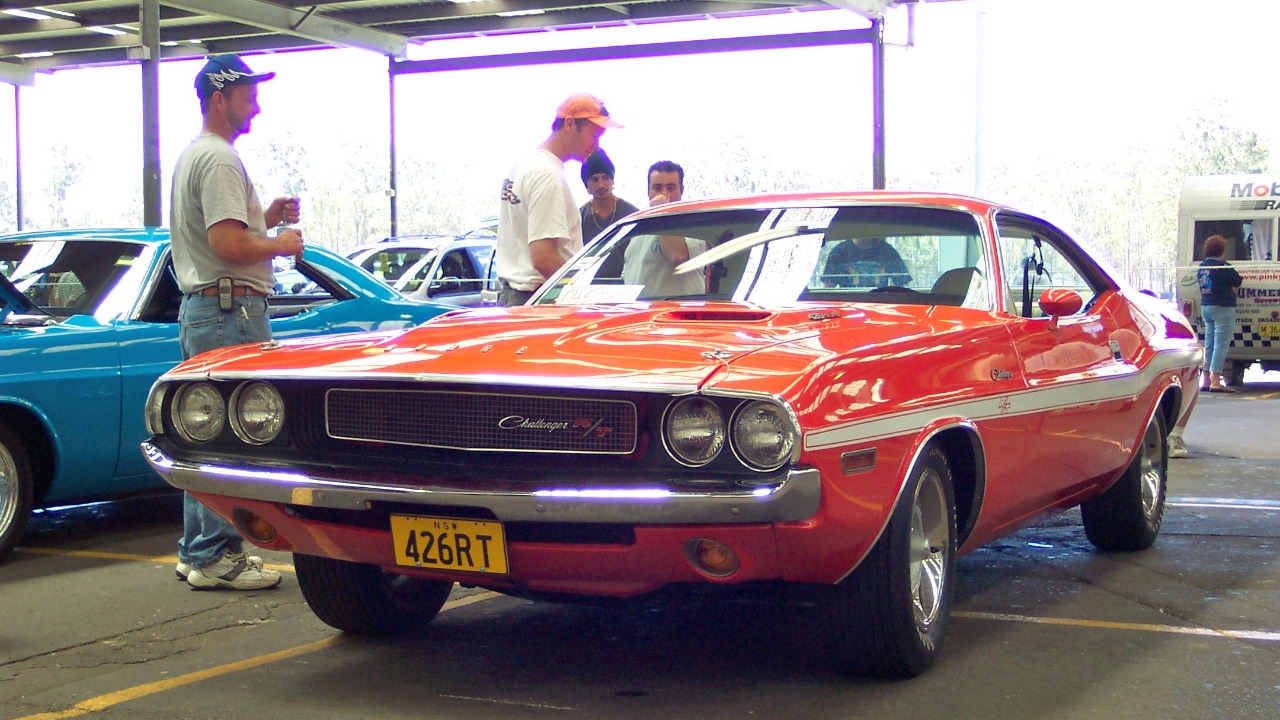
Performance was another area where the 1970s Dodge Challenger truly excelled. It offered a range of powerful engine options, including the legendary HEMI V8. Known for its impressive horsepower and torque, the HEMI engine became synonymous with high performance and is still celebrated by car enthusiasts today. This focus on power made the Challenger a formidable competitor on the streets and the racetrack. Despite its size, the Challenger was engineered for superior handling. The incorporation of advanced suspension systems provided a smooth and controlled ride, allowing drivers to fully enjoy the car’s capabilities without compromising comfort. This engineering prowess demonstrated Dodge’s commitment to creating a vehicle that was not only fast but also practical for everyday use. Innovative technologies such as power steering and disc brakes further enhanced the driving experience. These features, which were advanced for their time, made the Challenger both powerful and practical, ensuring it remained relevant and desirable among a wide range of buyers. The combination of raw power and technological sophistication helped cement the Challenger’s status as one of the premier muscle cars of its era.
Cultural Impact and Legacy
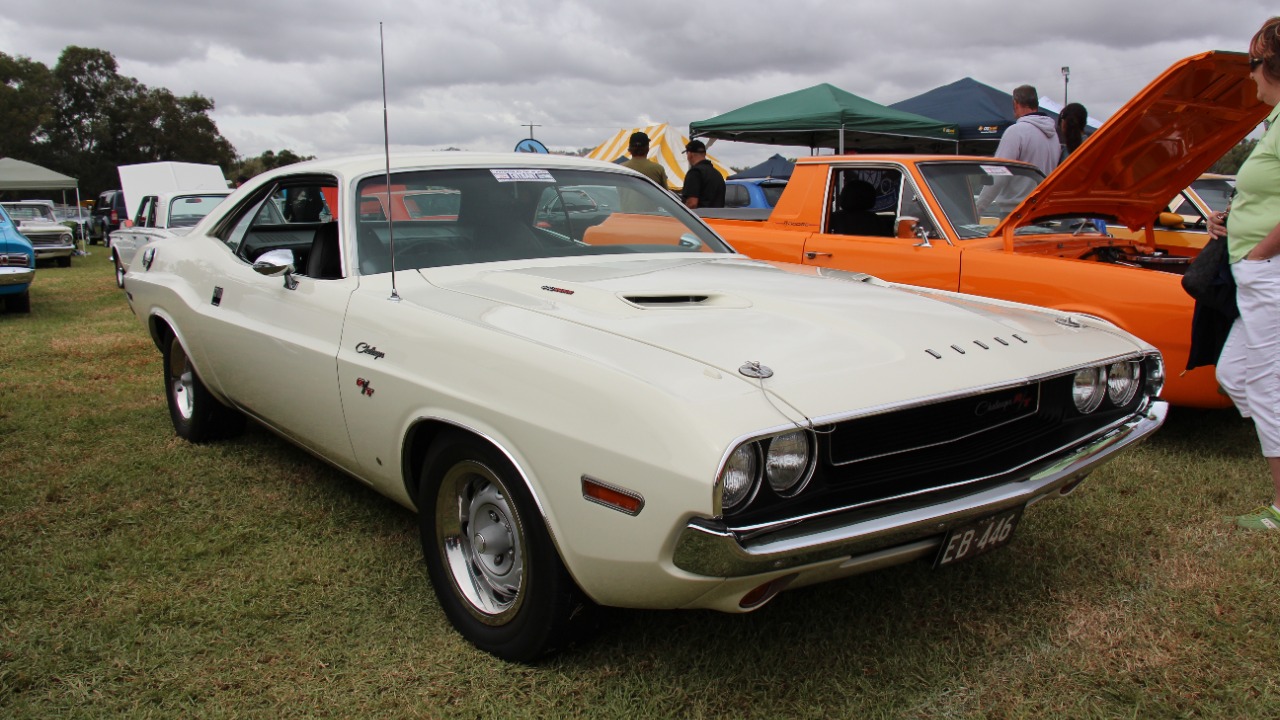
The Dodge Challenger quickly became a cultural icon, thanks in part to its numerous appearances in movies and television shows. Films like “Vanishing Point” showcased the car’s performance capabilities and rebellious spirit, cementing its status as a symbol of freedom and adventure. This visibility in popular media helped the Challenger become more than just a car; it was a cultural phenomenon that resonated with audiences around the world. As a representative of the golden age of American muscle cars, the Challenger embodied a time of innovation and excitement in the automotive industry. Its impact was felt far beyond the roads and racetracks, influencing car design and marketing strategies for decades to come. The Challenger’s enduring appeal is evident in its continued popularity among car enthusiasts and collectors, with classic models fetching high prices at auctions and influencing modern car designs. The Challenger’s legacy is also reflected in the ongoing passion of its enthusiasts, who continue to celebrate and preserve this iconic vehicle. From car shows to online forums, the Challenger remains a beloved part of automotive culture, inspiring new generations of car lovers and ensuring its place in history as one of the most iconic muscle cars ever produced.
Market Value and Collectibility
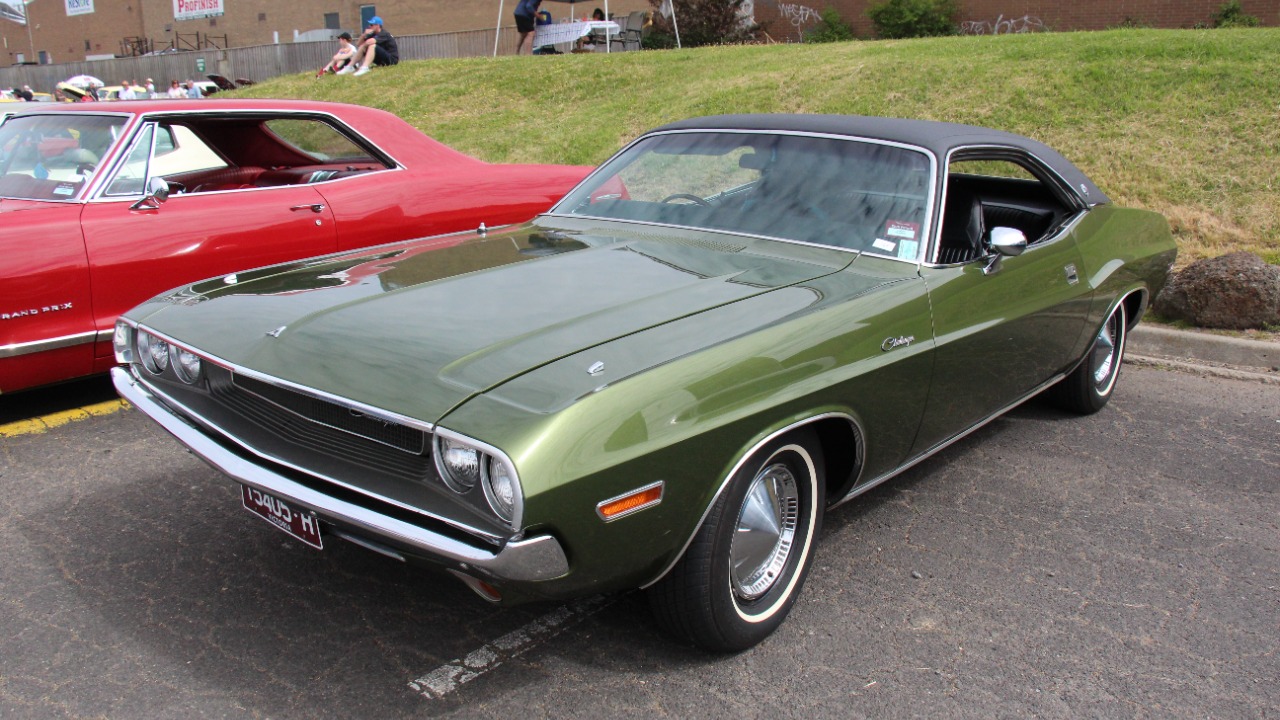
The ’70s Dodge Challenger has seen a significant increase in value over the years, becoming a sought-after collectible for car enthusiasts and investors alike. The classic car market has recognized the Challenger’s unique blend of style, performance, and cultural significance, contributing to its rising market value. As a result, owning a Challenger has become both a passion project and a wise investment for many collectors. One factor that contributes to the Challenger’s desirability in the classic car market is its rarity and originality. Limited production numbers and original features make it a prized possession for collectors. Enthusiasts often invest considerable time and resources in restoring and maintaining these vehicles, ensuring their original features are preserved and their legacy endures. The restoration process not only enhances the car’s value but also allows enthusiasts to connect with the vehicle’s rich history. In addition to restoration, the Challenger’s enduring appeal is fueled by its impressive performance and timeless design. Classic models continue to inspire modern car designs, ensuring the Challenger remains relevant in today’s automotive landscape. The combination of rarity, originality, and cultural significance makes the ’70s Challenger a highly coveted piece of automotive history.
Comparison with Contemporaries
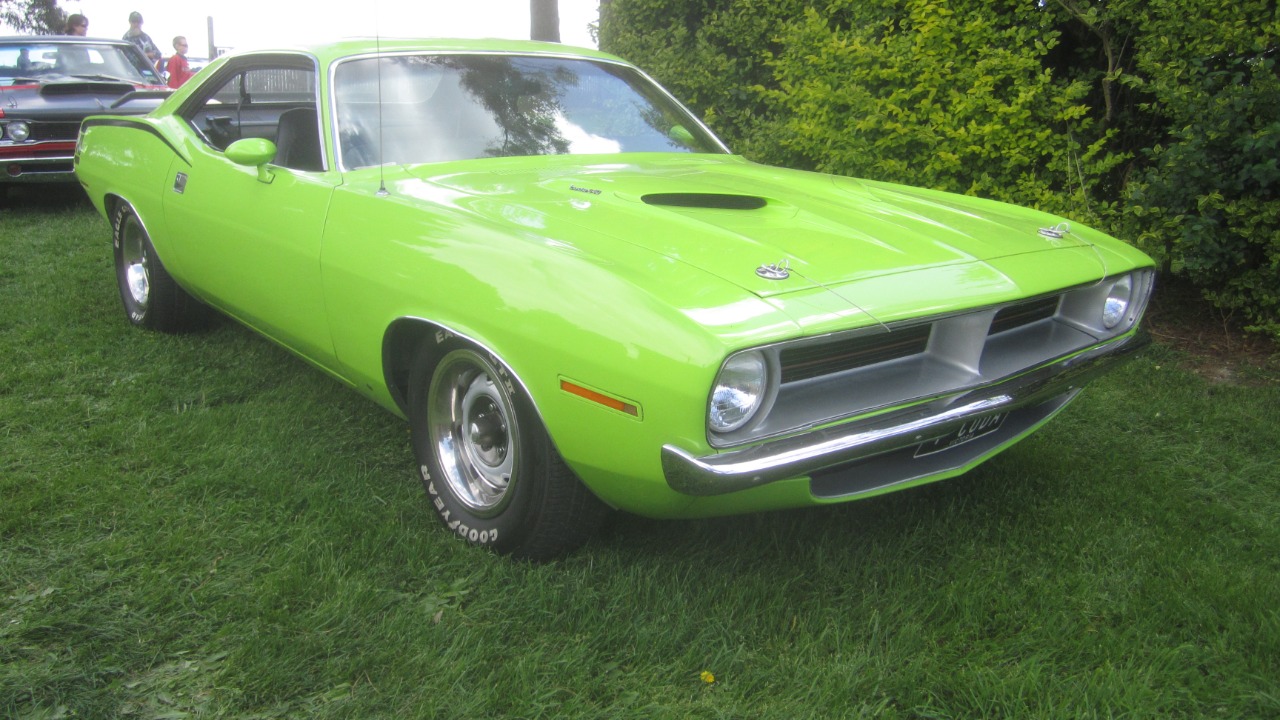
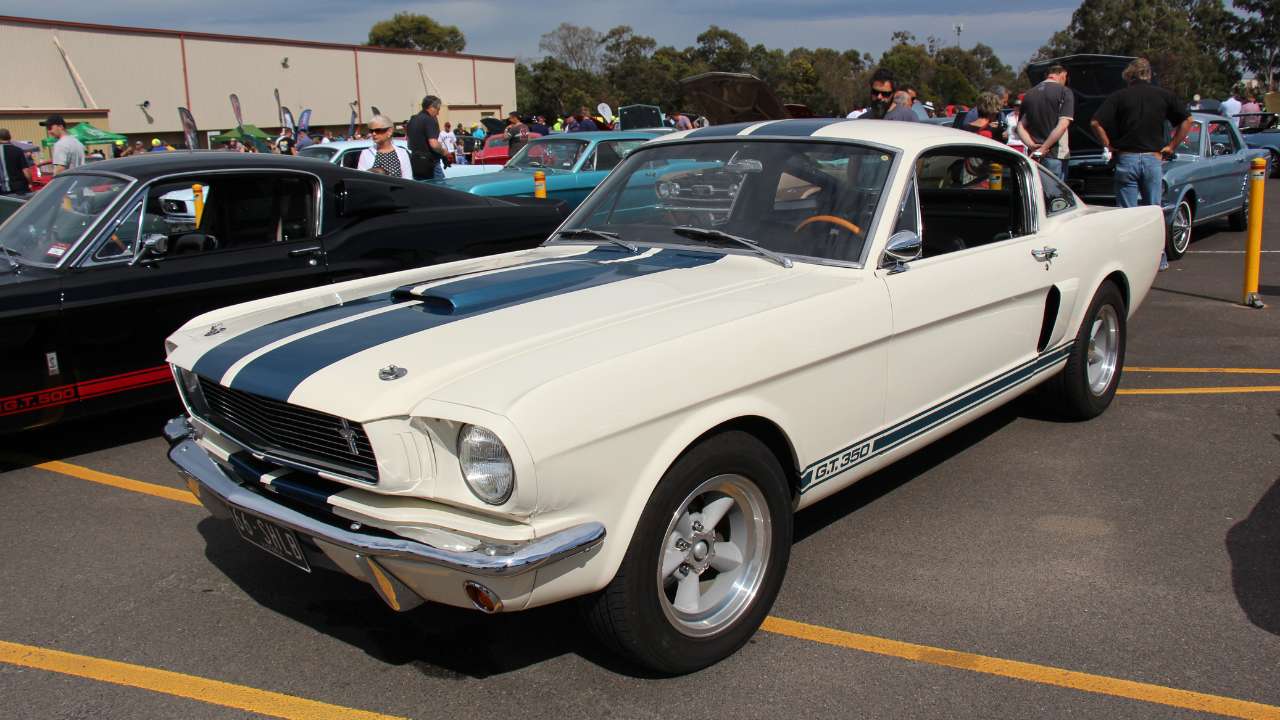
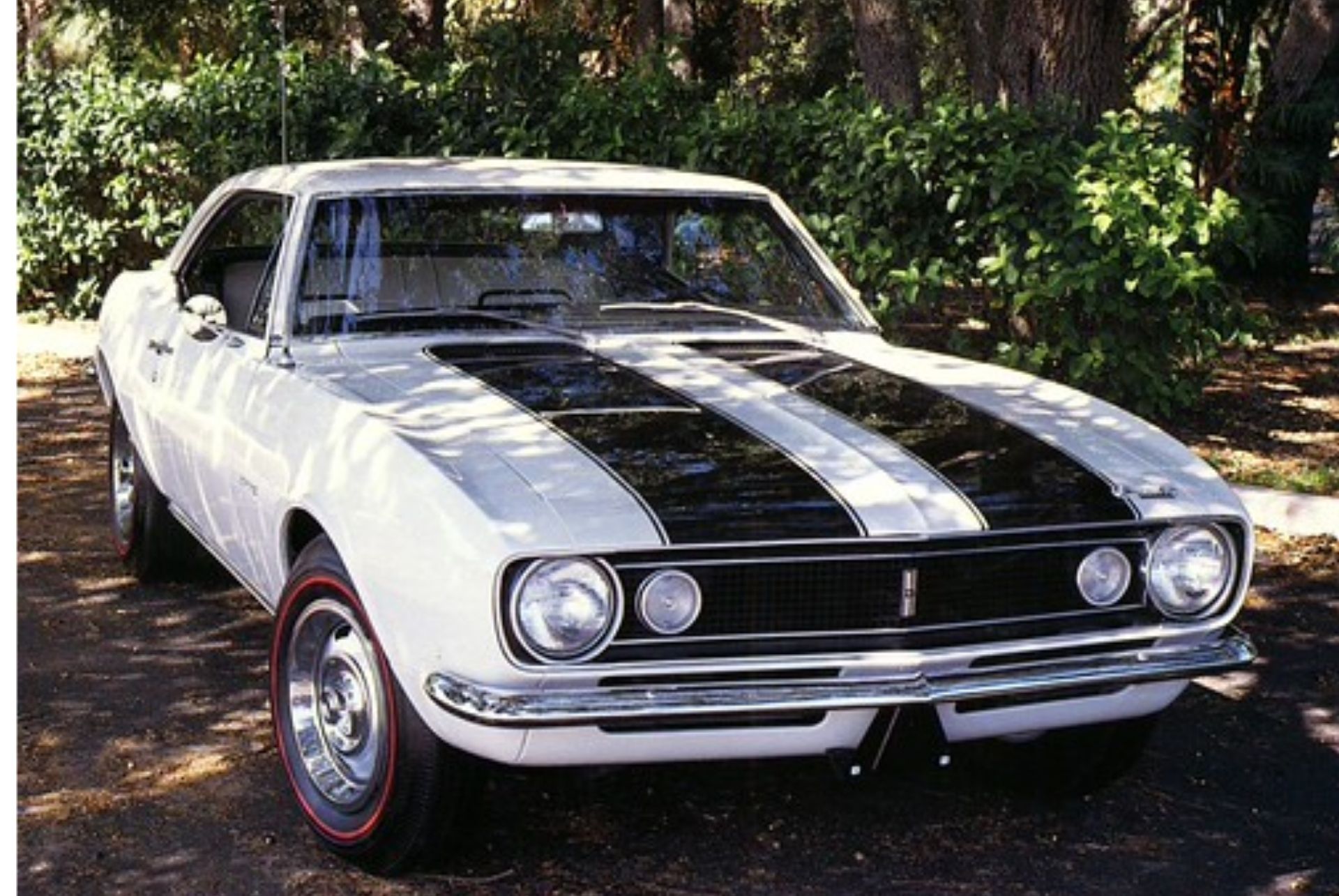
In the competitive landscape of the 1970s, the Dodge Challenger held its own against rival muscle cars like the Ford Mustang and Chevrolet Camaro. Each of these vehicles offered distinct features and performance capabilities, appealing to different segments of the market. While the Mustang and Camaro emphasized affordability and mass appeal, the Challenger focused on performance and customization, setting it apart from its contemporaries.
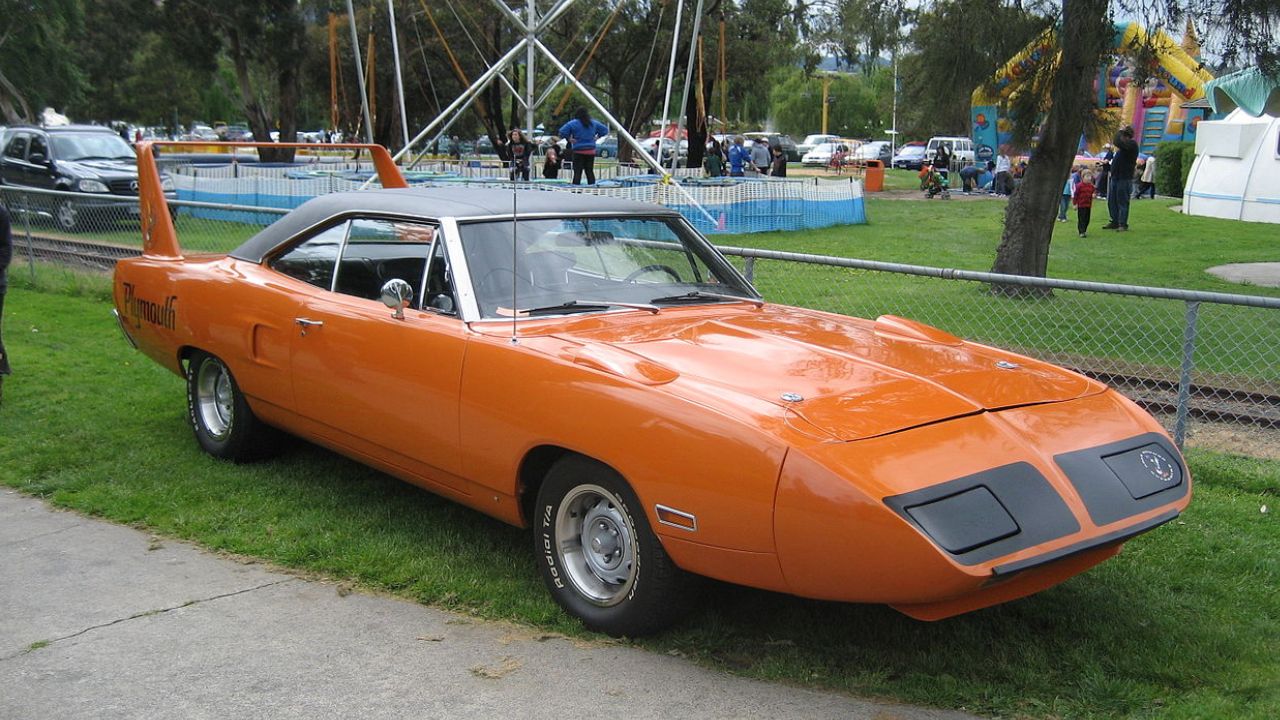
The Challenger also shared its platform with the equally iconic Plymouth Barracuda. Despite their shared foundation, each car offered different strengths and appeal. The Barracuda was known for its sporty design and performance, while the Challenger emphasized luxury and customization options. This shared platform allowed Dodge and Plymouth to cater to different segments of the market, widening their appeal and solidifying their status in the muscle car hierarchy.
Dodge’s approach to marketing the Challenger emphasized its performance capabilities and customizable options, distinguishing it from other brands focused on affordability or mass appeal. This strategy highlighted the Challenger’s unique strengths and helped establish its position as a premier muscle car in the competitive 1970s automotive landscape. As a result, the Challenger not only competed with its contemporaries but also carved out its own niche, ensuring its enduring legacy in automotive history.
Like Fast Lane Only’s content? Be sure to follow us.
Here’s more from us:
*Created with AI assistance and editor review.