
Carbon brakes have revolutionized the racing industry, offering a unique blend of performance, durability, and efficiency that traditional braking systems simply can’t match. They stand out due to their advanced materials and engineering, which provide significant advantages in high-speed racing environments. Understanding what makes carbon brakes special involves delving into their composition, performance benefits, and role in top-tier racing competitions.
The Science Behind Carbon Brakes
Carbon brakes are predominantly made from two types of composites: carbon-carbon and carbon-ceramic. The carbon-carbon composite is composed of woven carbon fibers embedded in a matrix of carbon, which is known for its extreme thermal resistance and lightweight properties. On the other hand, carbon-ceramic brakes use a combination of carbon fibers and a ceramic matrix, providing a balance between weight and durability. These materials are chosen for their ability to withstand the high temperatures and stress levels typical in racing.
Manufacturing Process

The production of carbon brake components involves a meticulous and time-consuming process. Initially, the carbon fibers are woven into a specific shape, followed by impregnation with resin. The resulting composite is then subjected to high-pressure and high-temperature conditions to solidify the structure. This process, known as pyrolysis, transforms the resin into carbon, which is then densified through repeated cycles to enhance strength and performance. The precision required in this manufacturing process is what ensures the superior quality and reliability of carbon brakes in racing scenarios.
Thermal Properties

One of the key characteristics of carbon brakes is their ability to handle extreme temperatures. During a race, brakes can reach temperatures exceeding 1000 degrees Celsius. Carbon materials, particularly carbon-carbon composites, are engineered to maintain structural integrity and performance under such conditions. Their thermal properties allow for consistent braking performance, preventing brake fade—a common issue with traditional metallic brakes under intense heat.
Performance Advantages

The lightweight nature of carbon brakes is a significant advantage in racing. By reducing the unsprung weight of a vehicle, carbon brakes improve overall handling and acceleration. This weight reduction contributes to better fuel efficiency and allows for quicker lap times, which is crucial in competitive racing environments. For instance, carbon-ceramic brakes were first introduced in the Ferrari Enzo, showcasing their impact on high-performance vehicles.
Enhanced Stopping Power

Carbon brakes offer superior frictional properties compared to traditional braking systems. The unique composition of carbon materials provides exceptional grip, resulting in enhanced stopping power. This allows drivers to brake later and harder into corners, gaining valuable time on the track. The increased stopping power is a game-changer in motorsports, where every millisecond counts.
Fade Resistance

Brake fade is a significant concern in motorsports, where repeated high-stress braking can lead to performance degradation. Carbon brakes are designed to resist fade, maintaining consistent performance even under prolonged use. This resistance is due to their ability to dissipate heat effectively, ensuring that the brakes remain responsive and efficient throughout a race. This feature is highly valued in endurance races, where reliability is paramount.
Durability and Longevity

Compared to traditional metallic systems, carbon brakes exhibit unique wear patterns that enhance their longevity. While metallic brakes wear away gradually, carbon brakes tend to oxidize at high temperatures, which can be controlled through careful design and maintenance. This controlled wear pattern means that carbon brakes can last longer than their metallic counterparts, reducing the need for frequent replacements during a racing season.
Maintenance Requirements

Despite their advanced materials and performance benefits, carbon brakes do require specific maintenance to ensure optimal performance. Regular inspections are necessary to monitor wear and potential damage, and replacement intervals can vary based on the racing conditions and vehicle usage. However, the maintenance requirements of carbon brakes are often offset by their durability and performance advantages.
Cost Implications
The initial investment in carbon brakes is higher than traditional systems, but this cost is often justified by their long-term benefits. The longevity, performance, and reduced need for frequent replacements make carbon brakes a cost-effective solution for professional racing teams. Moreover, the performance gains achieved with carbon brakes can lead to competitive advantages, ultimately justifying the expense.
Application in Top Racing Competitions

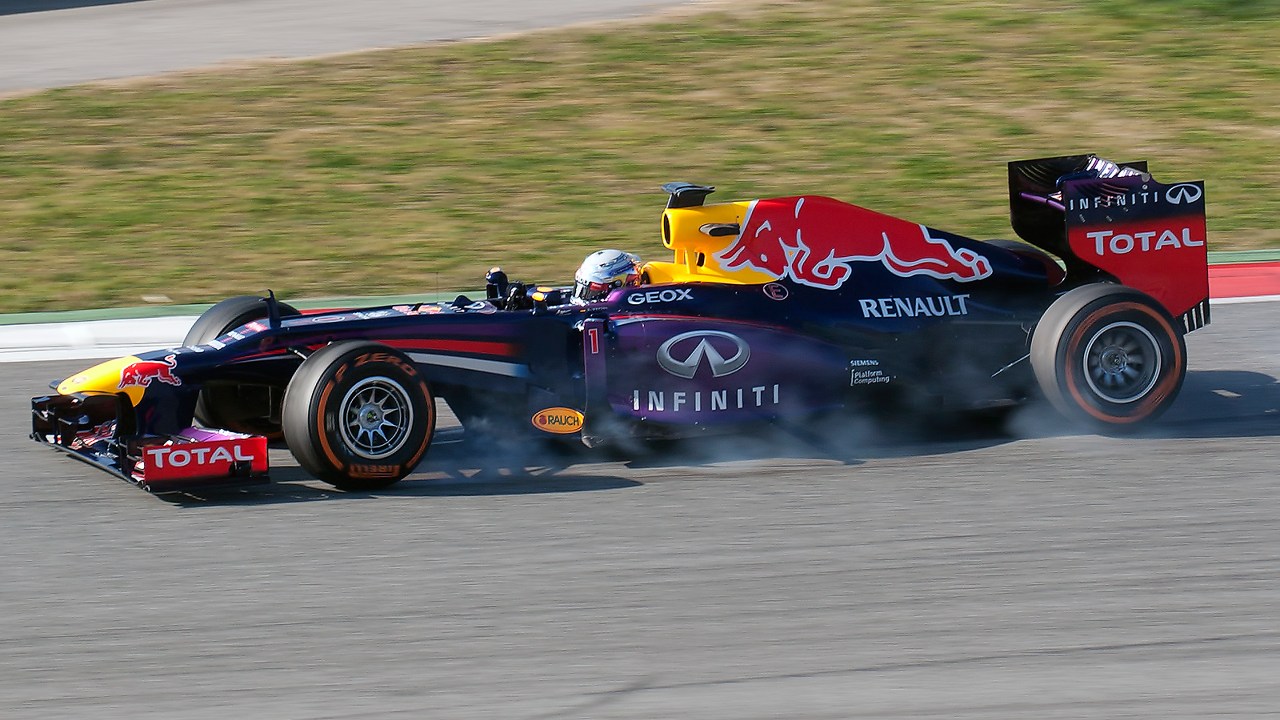
In Formula 1, carbon brakes are a standard component, contributing significantly to the sport’s technological advancements. Their ability to provide unmatched stopping power and heat resistance is crucial in a sport where precision and speed are paramount. The development of carbon brake technology in Formula 1 has also trickled down to other forms of motorsport, enhancing overall safety and performance.
Endurance Racing

Endurance racing events, such as Le Mans, pose unique challenges that carbon brakes are well-suited to address. The durability and fade resistance of carbon brakes make them ideal for long races, where maintaining consistent performance is critical. Teams rely on carbon brakes to withstand the grueling conditions of endurance races, ensuring that vehicles remain competitive throughout the event.
Other Motorsports

Beyond Formula 1 and endurance racing, carbon brakes have been adopted in various other motorsport disciplines, including MotoGP and NASCAR. In MotoGP, the lightweight and high-performance characteristics of carbon brakes enhance motorcycle handling and safety. Similarly, NASCAR teams benefit from the improved stopping power and reliability that carbon brakes provide, underscoring their versatility across different racing formats.
Future Innovations and Challenges

Research and development in carbon brake technology continue to advance, with ongoing efforts to improve performance and reduce costs. Innovations in material science and manufacturing techniques aim to enhance the efficiency and sustainability of carbon brakes. As technology evolves, it is likely that new breakthroughs will further solidify the position of carbon brakes in the racing industry.
Environmental Considerations
Despite their advantages, the production and disposal of carbon brakes raise environmental concerns. The energy-intensive manufacturing process and the challenges associated with recycling carbon materials are areas of focus for the industry. Addressing these environmental considerations is crucial for the sustainable development of carbon brake technology.
Adoption in Consumer Markets

The potential for carbon brake technology to transition into consumer automotive markets is an exciting prospect. While currently limited to high-performance and luxury vehicles, advancements in cost reduction and manufacturing efficiency could make carbon brakes more accessible to a broader range of consumers. This shift could lead to improved safety and performance in everyday driving, reflecting the trickle-down effect of racing innovations.
Like Fast Lane Only’s content? Be sure to follow us.
Here’s more from us:
*Created with AI assistance and editor review.