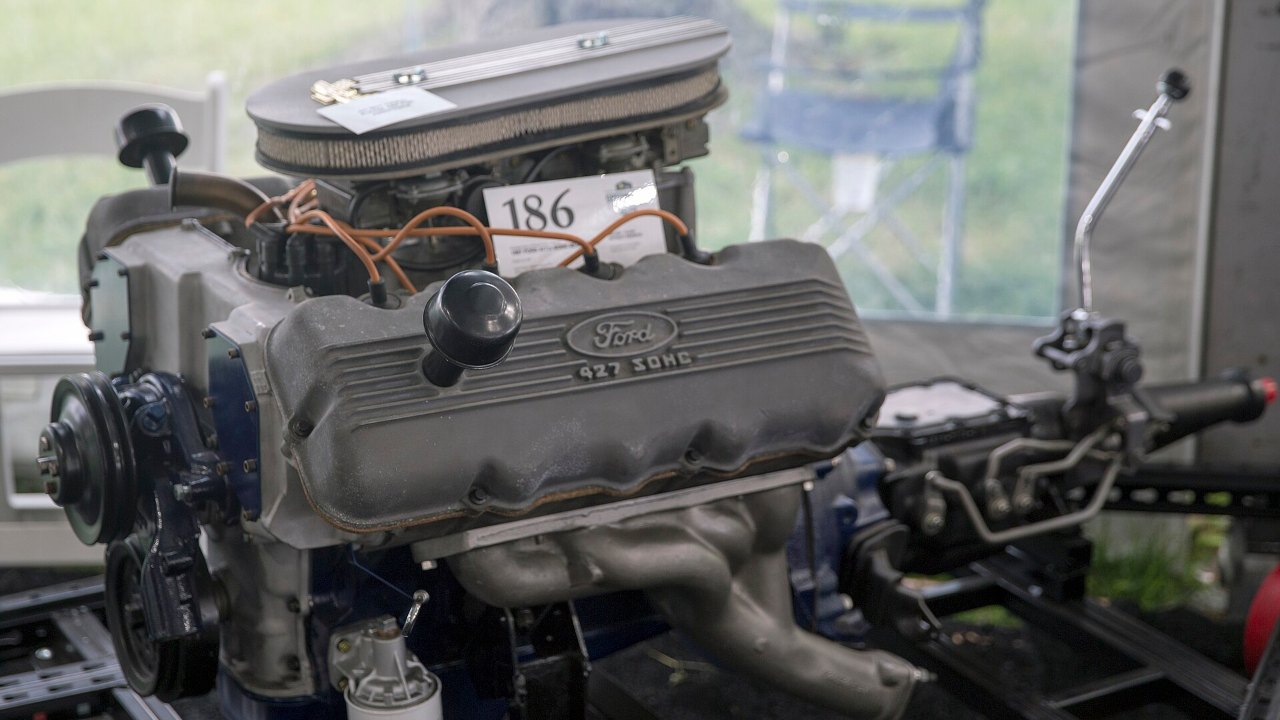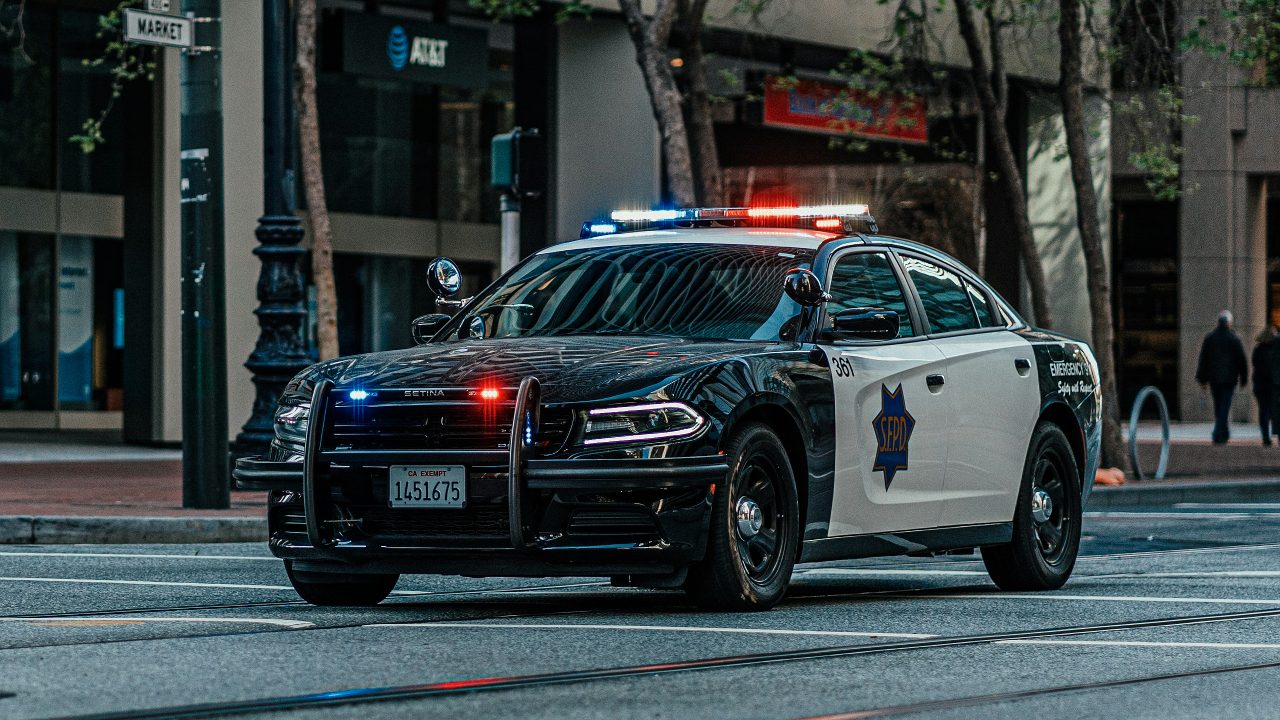
Police cruisers look like familiar sedans and SUVs, but the similarities fade quickly once you look under the skin. I see them as purpose-built tools, engineered to survive high-speed pursuits, idling marathons, and the daily grind of patrol work in a way that ordinary commuter cars are never asked to match.
From showroom to squad car: how “police packages” really start
Most modern patrol cars begin life on the same assembly lines as civilian models, then diverge into specialized “police package” variants long before any light bar is bolted on. Automakers such as Ford, Chevrolet, and Dodge design these packages with law enforcement input, building in structural reinforcements, upgraded cooling, and heavy-duty electrical systems that would be overkill for a typical family car. The result is a vehicle that may share a body shell and basic architecture with a retail sedan or SUV, but is engineered from the outset to handle pursuit speeds, curb strikes, and long hours of idling without cooking its drivetrain or electronics, as detailed in testing of police vehicles.
That divergence shows up in the option sheets as well as the hardware. Where a civilian buyer might choose a sunroof or leather seats, a fleet manager is more likely to specify pre-wired harnesses for radios, reinforced seat frames, and vinyl rear benches that can be sanitized quickly. Many police models delete consumer comforts like panoramic roofs or complex seat mechanisms because they add weight, cost, and potential failure points, while adding features such as column shifters to free up console space for radios and laptops. Agencies that buy “special service” versions of pickups and SUVs also get uprated alternators, cooling systems, and brakes that are validated in standardized evaluation programs, even if the vehicles look nearly identical to their civilian cousins in traffic.
Engines, brakes, and suspensions built for pursuit, not comfort
Where police cruisers truly separate from everyday cars is in the way they accelerate, stop, and survive abuse. Pursuit-rated sedans and SUVs are typically fitted with more powerful engines, shorter gearing, and transmission programming tuned for rapid response rather than fuel-sipping efficiency. In controlled testing, vehicles like the Ford Police Interceptor Utility and Dodge Charger Pursuit are evaluated for top speed, acceleration, and durability under repeated high-speed runs, with agencies relying on standardized performance data to decide what to buy. Those tests are far more punishing than anything a commuter car faces, and they drive engineering decisions that prioritize sustained high-load operation over quietness or ride softness.
Stopping and handling are just as critical. Police packages typically include larger brake rotors, heavy-duty pads, and upgraded cooling ducts designed to shed heat from repeated hard stops, along with stiffer springs and shocks that keep the car stable during aggressive maneuvers. Agencies scrutinize brake fade, stopping distances, and emergency lane-change behavior in independent vehicle evaluations, because a cruiser that cannot stop consistently from pursuit speeds is a liability. Those components often make the ride harsher and the cabin noisier than a civilian equivalent, but they give officers a margin of control and durability that a standard suspension and brake package simply cannot match over years of hard service.
Electrical systems and interiors designed as rolling offices
Modern patrol cars are less like simple transportation and more like mobile command posts, and their electrical systems reflect that reality. A typical cruiser must power light bars, sirens, multiple radios, in-car computers, automatic license plate readers, and increasingly, body camera docking and data transfer hardware. To support that load, police packages are built with high-output alternators, upgraded batteries, and wiring designed for continuous high draw, all validated in fleet-focused testing programs. Civilian cars rarely need to idle for hours with every accessory running, so their charging systems are not engineered with the same duty cycle in mind.
Inside, the differences are just as stark. A patrol car’s front cabin is laid out as a workspace, with center consoles replaced by equipment racks that hold radios, siren controls, and ruggedized laptops or tablets. Manufacturers offer “police interior” options that delete or relocate cupholders and storage bins to make room for this gear, while reinforcing seat bolsters and seatback frames to withstand officers entering and exiting repeatedly with duty belts and body armor. The rear compartment is often transformed with hard plastic seats, minimal padding, and partition systems that separate detainees from officers, features that are integrated into factory “police package” designs and evaluated alongside other law enforcement vehicle features. None of this makes for a plush ride, but it turns a mass-market platform into a durable, functional office on wheels.
Safety, durability, and the economics of running a fleet
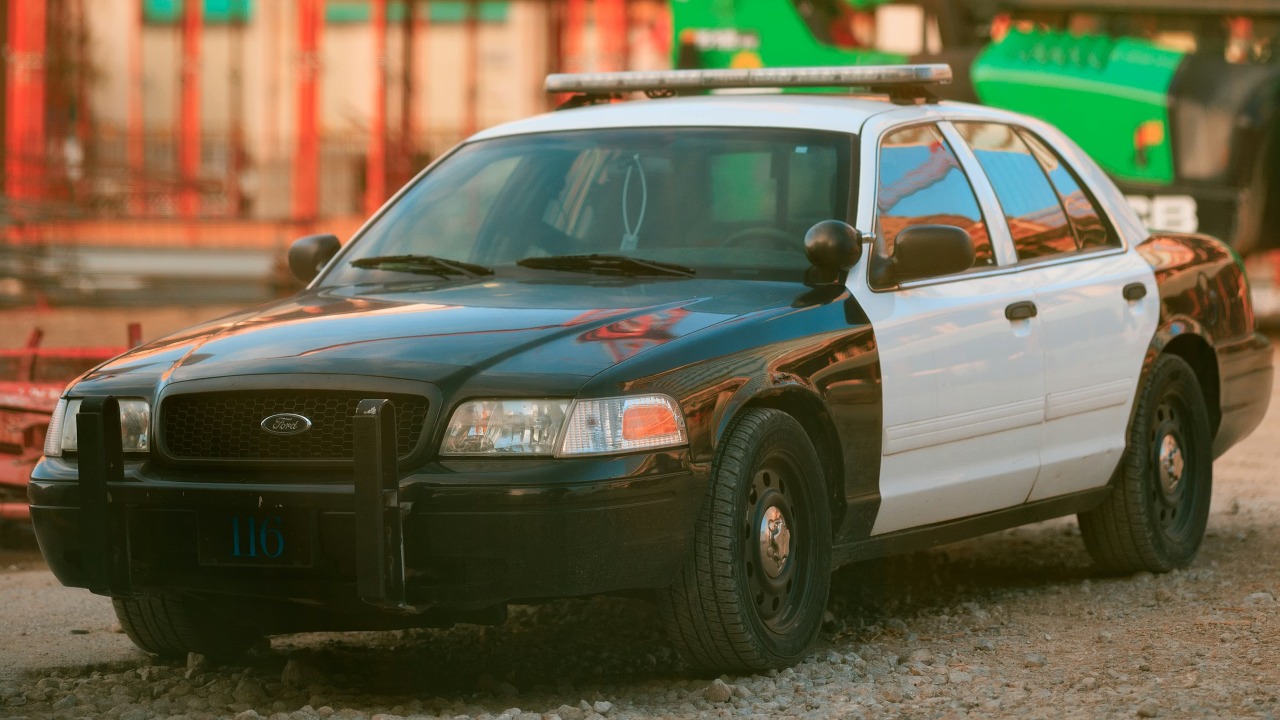
Behind the hardware choices is a simple reality: police departments buy cars as long-term investments, not lifestyle accessories. Agencies look at total cost of ownership, including fuel, maintenance, and resale value, and they lean heavily on independent fleet evaluations to compare models. Pursuit-rated vehicles must survive thousands of miles of high-stress testing, including repeated acceleration, braking, and handling trials, before they are recommended for patrol duty. That process exposes weaknesses that might never appear in civilian use, and it pushes manufacturers to overbuild components like cooling systems, driveline mounts, and suspension bushings so they can withstand years of curb hits, rough roads, and heavy loads.
Safety is evaluated through a different lens as well. While civilian buyers focus on crash-test ratings and airbags, law enforcement agencies also consider how a vehicle behaves in high-speed maneuvers, how stable it remains with a full complement of gear and passengers, and how well it protects occupants in rear-end impacts while parked on the roadside. Specialized testing of police vehicles includes emergency handling and braking scenarios that go beyond standard consumer crash tests, because officers routinely operate at the edge of a vehicle’s performance envelope. Those demands explain why some departments continue to favor specific models that have proven durable and predictable in the field, even when newer civilian versions of the same platform emphasize comfort or styling over raw capability.
Why some departments still choose SUVs, trucks, or unmarked cars
Not every police vehicle is a traditional black-and-white sedan, and the reasons for that variety highlight how mission shapes the machine. Many agencies have shifted toward SUVs and pickups for patrol duty, valuing their higher seating position, cargo capacity, and ability to carry specialized equipment. Manufacturers now offer pursuit-rated SUVs and “special service” trucks that blend off-road capability with the same heavy-duty cooling, braking, and electrical systems found in sedan-based cruisers, all documented in standardized police testing. Those vehicles may resemble civilian crossovers in a parking lot, but their underpinnings are tuned for the weight and stress of law enforcement work.
Unmarked and administrative vehicles occupy a different niche, often using “special service” configurations that skip full pursuit certification but retain key durability upgrades. Detectives, supervisors, and specialized units may drive cars that look almost stock from the outside, yet still benefit from reinforced suspensions, upgraded alternators, and pre-wired electronics. Agencies rely on the same evaluation data to match these vehicles to their roles, balancing the need for discretion with the expectation that they can respond quickly and reliably when needed. In every case, the underlying theme is the same: what separates a police vehicle from a civilian one is not just the paint and lights, but a web of engineering decisions aimed at surviving a job that ordinary cars are never asked to do.