With the increasing shift towards environmentally friendly vehicles, hybrid cars have gained popularity among consumers seeking a balance between fuel efficiency and lower emissions. However, before making the investment, there are several critical factors to consider ensuring that a hybrid car meets your needs and expectations. Understanding these elements can help you make a well-informed choice that aligns with your lifestyle and values.
Understanding Hybrid Cars
Types of Hybrids
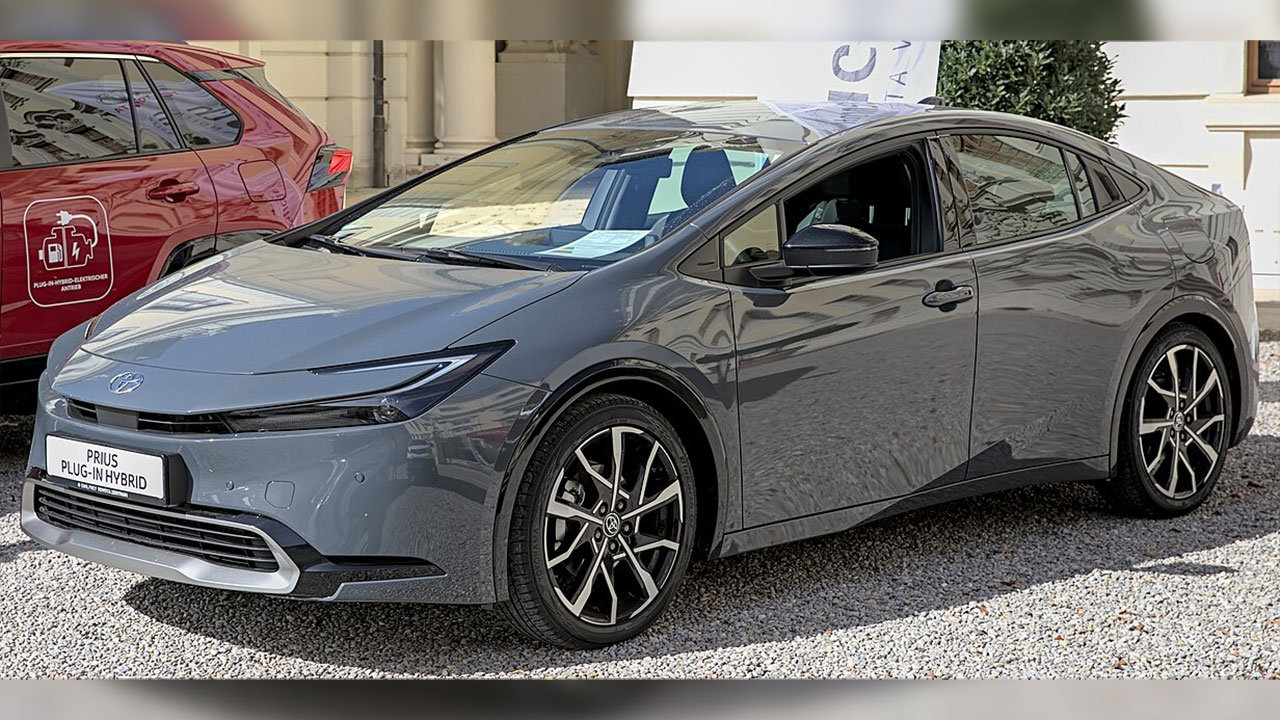
The hybrid car market offers a range of options, each with distinct advantages. Mild hybrids, full hybrids, and plug-in hybrids are the primary categories. Mild hybrids use a small electric motor to assist the gasoline engine, improving fuel efficiency but not operating solely on electric power. Full hybrids can switch between the gas engine and electric motor or use both simultaneously, offering greater fuel savings. Plug-in hybrids, such as the Toyota Prius Prime, allow you to charge the battery externally, enabling a longer electric-only range.
These differences affect both fuel efficiency and vehicle performance. While mild hybrids might not offer significant fuel savings compared to traditional vehicles, full and plug-in hybrids can substantially reduce fuel costs, especially in urban environments where regenerative braking comes into play. Understanding these distinctions is crucial when choosing the right hybrid for your needs.
How Hybrid Technology Works
At the heart of hybrid technology is the combination of a gasoline engine with an electric motor, seamlessly working together to optimize energy use. This dual powertrain allows hybrids to switch between or combine power sources, significantly enhancing fuel efficiency. A key feature is regenerative braking, which captures and stores energy typically lost during braking, using it to recharge the battery.
For those unfamiliar with the mechanics, this system might seem complex, but it essentially maximizes efficiency by using the electric motor at low speeds and switching to the gasoline engine at higher speeds. This not only conserves fuel but also provides a smoother driving experience. Understanding how these systems work can demystify the technology and highlight the practical benefits of hybrid ownership.
Financial Considerations
Initial Cost vs. Long-Term Savings
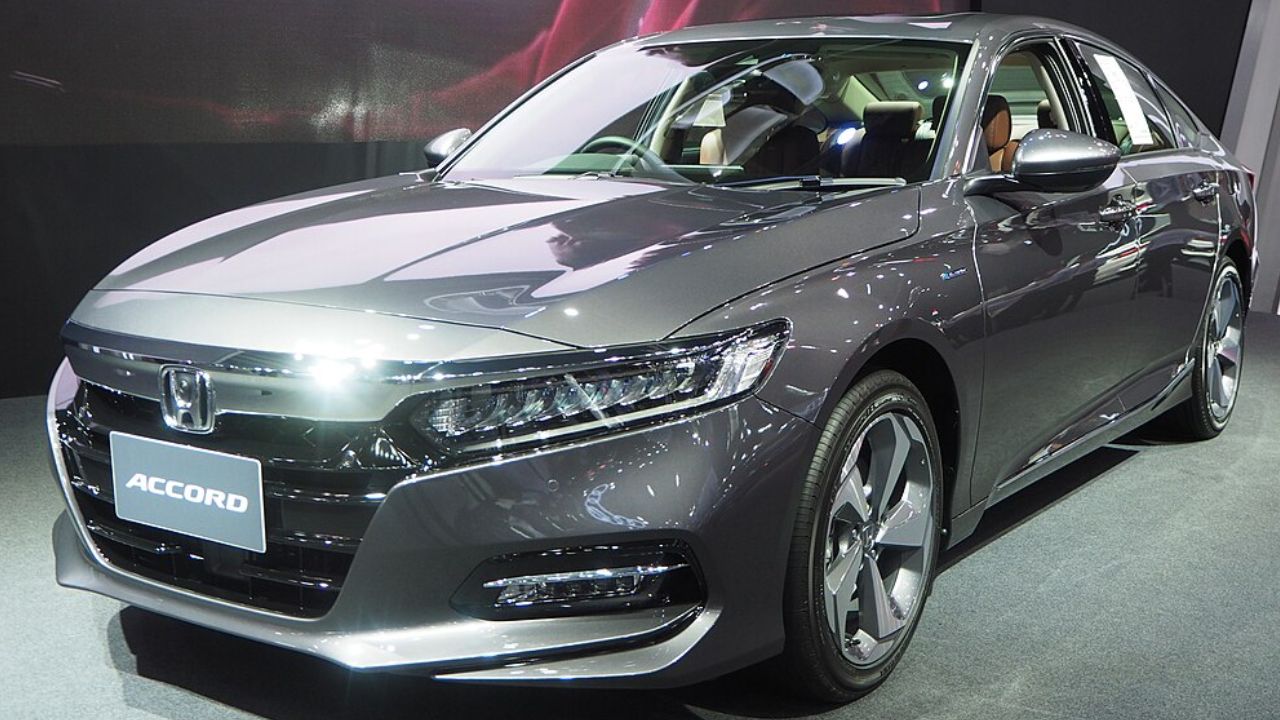
Hybrid cars often come with a higher upfront cost compared to their gasoline-only counterparts. However, it’s important to balance this with potential long-term savings. For instance, models like the Honda Accord Hybrid may cost more initially, but they offer substantial savings on fuel over time. Additionally, hybrids generally require less maintenance due to fewer mechanical parts experiencing wear and tear, such as the absence of a traditional transmission in many models.
While the initial expense might seem daunting, the overall cost of ownership can be lower when accounting for fuel savings and reduced maintenance expenses. To get a clearer picture of potential savings, consider using online calculators or consulting resources like Daytona Toyota for detailed comparisons.
Incentives and Tax Breaks
Purchasing a hybrid car can also be financially attractive due to various federal and state incentives. These can include tax credits, rebates, and reduced registration fees, all of which can significantly offset the higher purchase price. For example, the federal government offers a tax credit for plug-in hybrids, which can be a substantial saving for buyers.
It’s essential to research the specific incentives available in your area, as they can vary widely. Information on such incentives can often be found on government websites which keeps updated guides on available benefits for hybrid and electric vehicles.
Evaluating Performance and Reliability
Battery Life and Replacement Costs
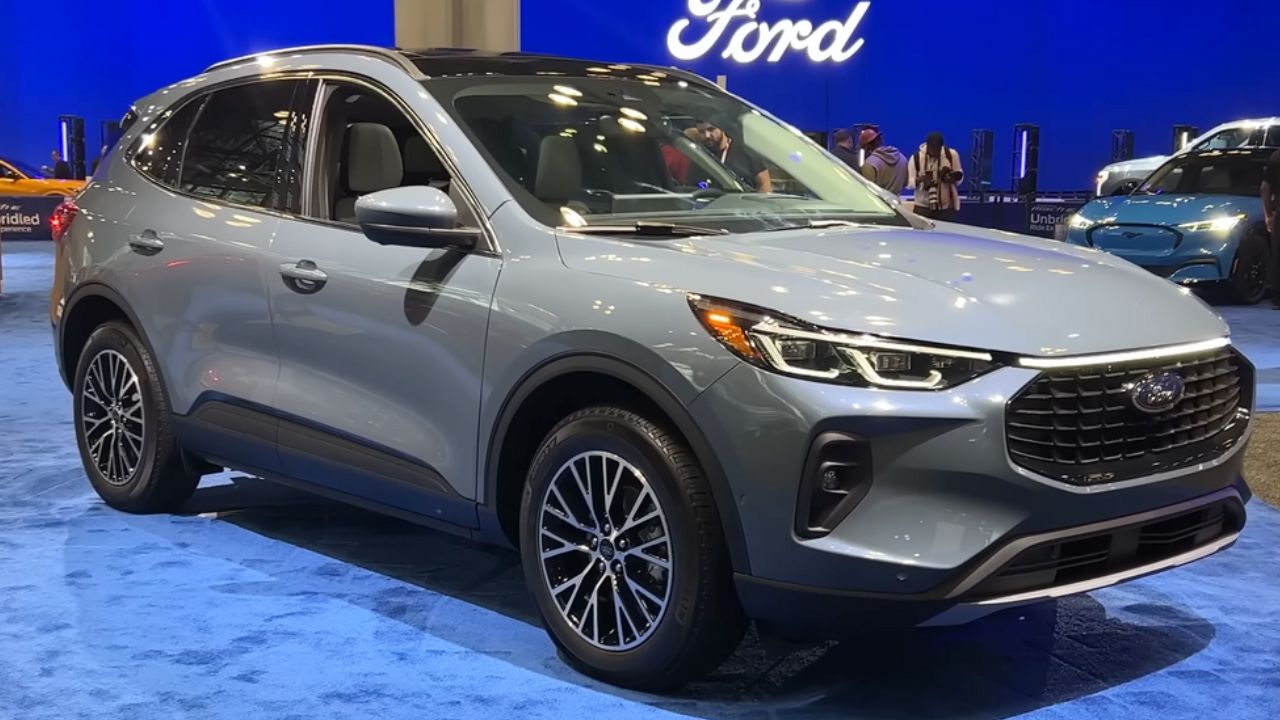
The lifespan of a hybrid battery is a common concern for potential buyers. Typically, hybrid batteries are designed to last at least 100,000 miles, with many exceeding this threshold. However, replacement costs can be significant, often ranging from $2,000 to $8,000, depending on the model. For instance, the cost to replace a battery in a Ford Escape Hybrid is considerably different from that of a Lexus RX 450h.
To prolong battery life, regular maintenance and careful driving habits, such as avoiding frequent rapid acceleration and harsh braking, are recommended. Furthermore, understanding the warranty terms can provide peace of mind, as many manufacturers offer extended battery warranties.
Driving Experience
Transitioning to a hybrid vehicle can alter your driving experience. Hybrids are known for their quiet operation, especially when running on electric power. This can be a pleasant change for those used to the noise of traditional engines. However, some drivers may take time to adjust to the regenerative braking system, which can feel different from conventional braking.
The performance of hybrids in various conditions is generally reliable, with models like the Toyota RAV4 Hybrid offering robust handling and acceleration. It’s worth test-driving different models to find one that fits your driving style. Reading user reviews and expert opinions on platforms like TopSpeed can also be beneficial in understanding what to expect from a hybrid driving experience.
Environmental Impact
Emission Reductions
One of the most significant advantages of hybrid vehicles is their ability to reduce greenhouse gas emissions. By utilizing electric power, hybrids produce fewer emissions than traditional gasoline vehicles. This reduction is particularly noticeable in city driving, where hybrids often operate on electric power.
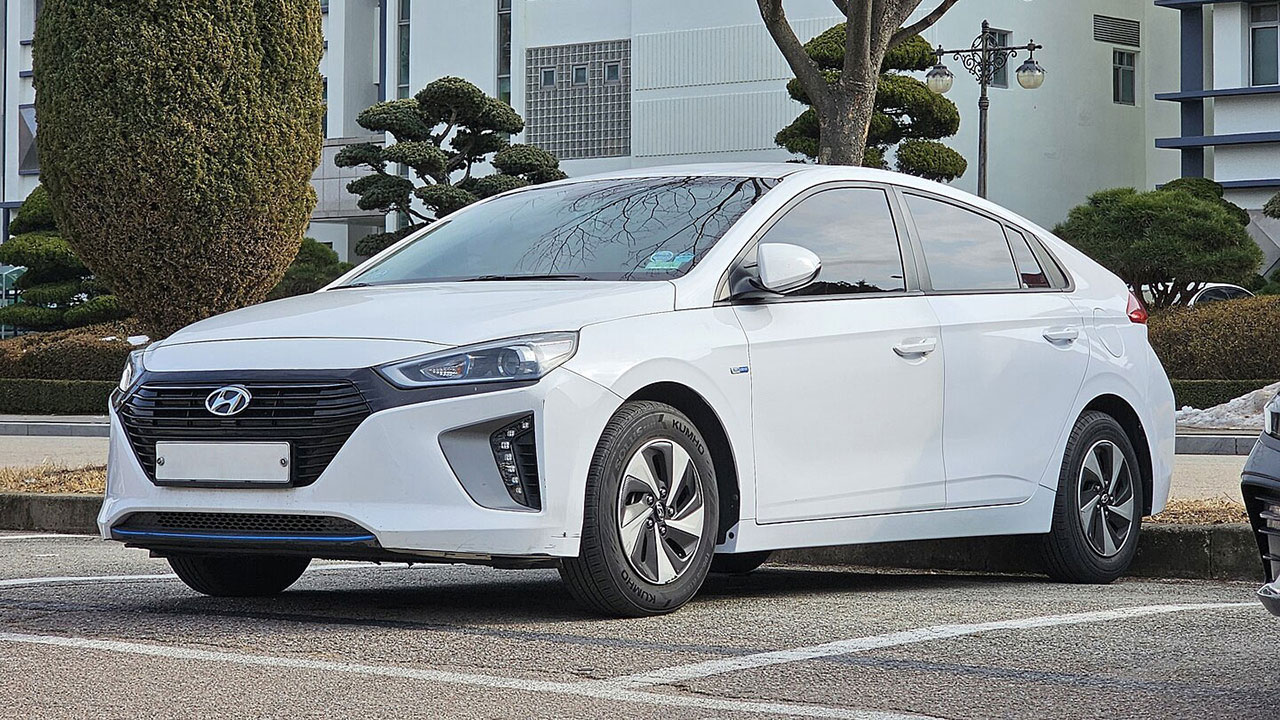
Compared to conventional vehicles, hybrids like the Hyundai Ioniq Hybrid demonstrate a marked decrease in carbon footprint, contributing to cleaner air and a healthier environment. For those concerned about climate change, investing in a hybrid can be a proactive step towards reducing personal emissions.
Sustainability of Production
While hybrids offer environmental benefits during operation, the sustainability of their production is complex. Manufacturing processes and the sourcing of materials like lithium for batteries can have environmental impacts. It’s important to consider the entire lifecycle of the vehicle, from production to disposal.
Efforts are being made by manufacturers to improve the sustainability of hybrid production. For example, companies are exploring recycling programs and alternative materials to reduce the environmental footprint. Prospective buyers should research the environmental practices of manufacturers, considering models from brands known for their commitment to sustainability.
Like Fast Lane Only’s content? Be sure to follow us.
Here’s more from us:
*Created with AI assistance and editor review.