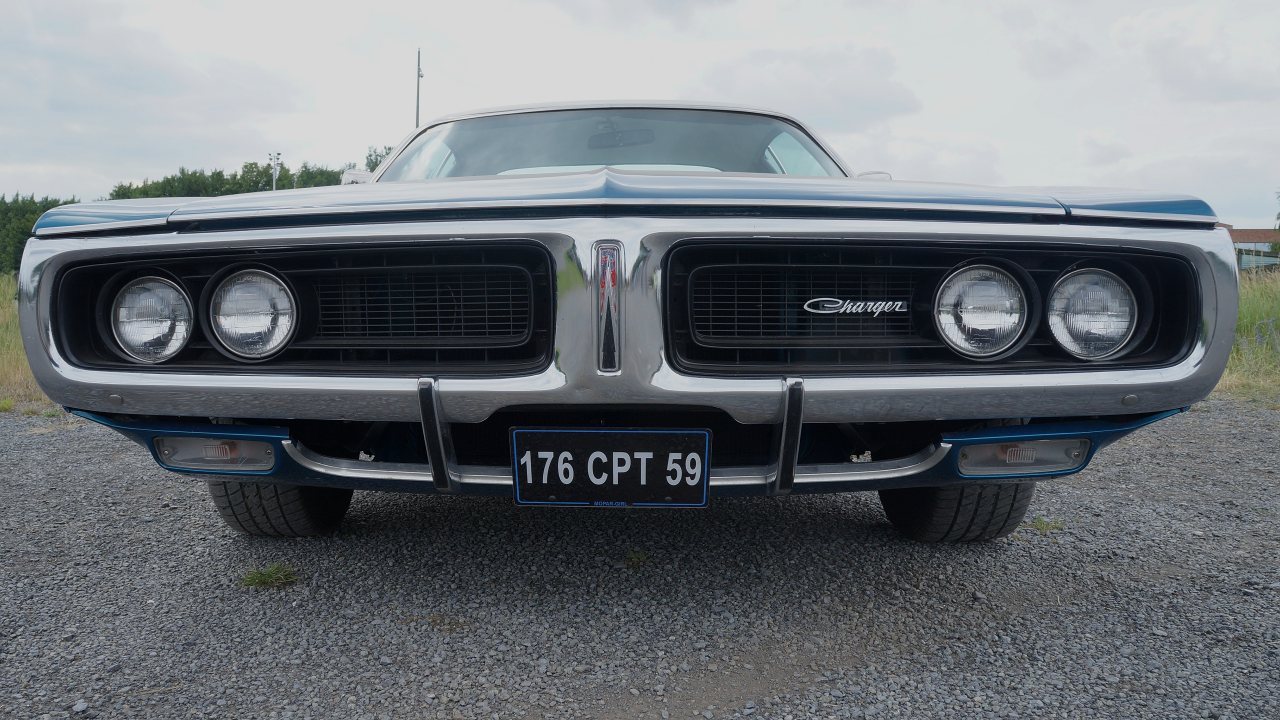
The Hemi-powered Dodge Charger has become one of the clearest through lines in American performance history, linking late‑1960s muscle cars to modern four‑door sedans. To understand how that legend was built, I need to pin down exactly which years Dodge actually sold a Charger with a Hemi under the hood and then look at how those cars are valued in today’s market. By tracing the model years and generations where the Charger and Chrysler’s hemispherical‑chamber V8 intersected, it becomes possible to separate myth from market reality and see where collectors are putting their money now.
How the Hemi concept shaped Dodge performance
The Hemi story starts with the engine design itself, not the Charger badge, and that context matters when I look at which years the two came together. Chrysler’s hemispherical combustion chamber layout, detailed under the design section of the Hemi’s history, was engineered for efficient airflow and strong power, and the early V8s that followed are grouped in the contents outline as the first generation FirePower units. Those early engines, including the 331 cubic inch V8 associated with Chrysler and Imperial, established the basic architecture that later performance Hemis would refine.
By the time the Charger nameplate arrived, the Hemi was already a symbol of top‑tier performance inside the corporation, which is why pairing it with Dodge’s midsize fastback was such a statement. The engine’s evolution into later street and racing variants is laid out in the broader Chrysler Hemi engine chronology, and that backdrop helps explain why Hemi‑equipped Chargers, when they did appear, were built in relatively small numbers and aimed squarely at enthusiasts. The hemispherical‑chamber V8 was never just another option code, it was the flagship powerplant, and that status still shapes how collectors view Hemi Chargers today.
Classic Hemi Charger years and what survives on the market
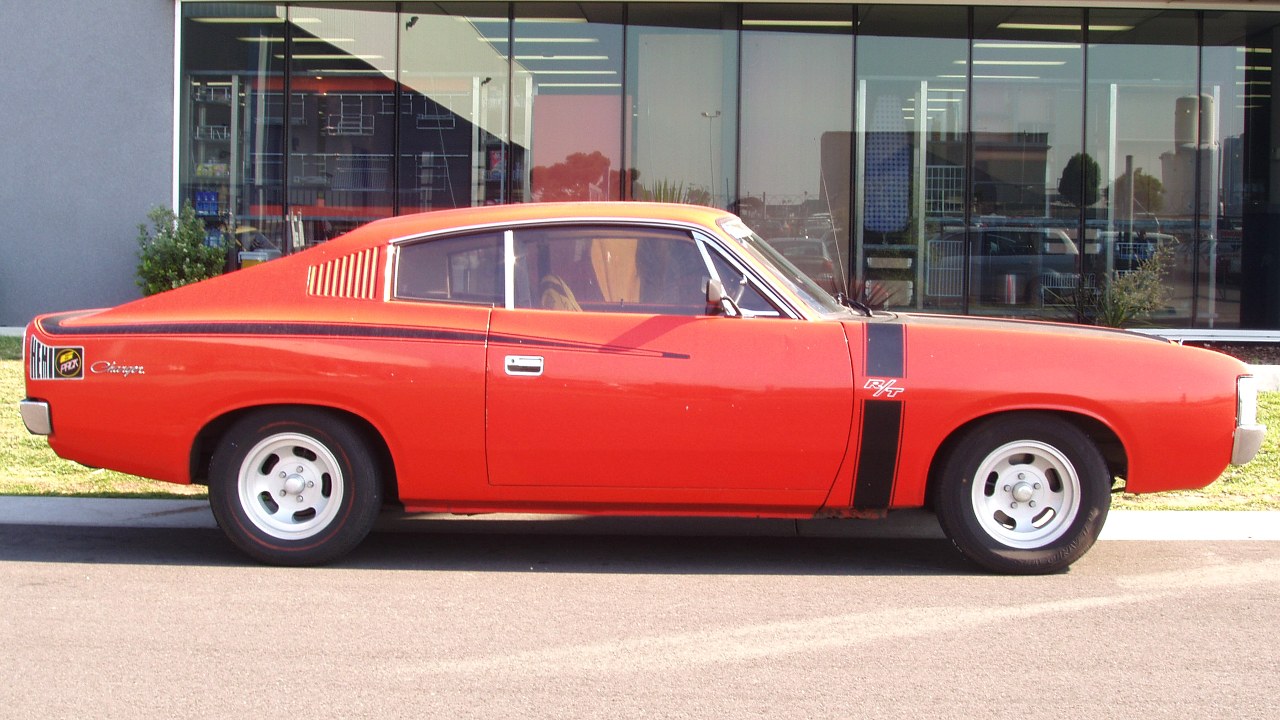
To map out the first wave of Hemi Chargers, I start with the Charger’s own model timeline. One dealership history notes that the first generation of the Dodge Charger ran from 1966 through 1967, with a two‑door fastback body and performance positioning. That same overview explains that later early‑1970s Chargers, including the 1973 and 1974 models, were still part of the classic muscle era, even as insurance and emissions pressures mounted. Within that 1966–1974 window, the Hemi V8 was offered as a high‑performance option on select Chargers, most famously in late‑1960s and early‑1970s R/T and race‑oriented trims, although exact production counts and option breakdowns are not specified in the available sources and are therefore “Unverified based on available sources.”
What I can verify is that the market still treats late‑1960s Chargers as blue‑chip collectibles, especially when they carry performance options that could include a Hemi. A current listing page for classic Dodge Charger models shows a Featured 1970 Dodge Charger R/T offered at $168,610 by Grogan Classics in Watford, Ontario, alongside a Featured 1966 Dodge Charger at $45,000 and another high‑spec car at $108,888, where the listing text truncates as “Feat.” Those asking prices, while not proof of final sale, show how strongly the market values early Chargers that could plausibly be Hemi‑equipped, even when the specific engine in a given car is not detailed in the summary.
Modern Hemi Chargers from the LX and LD generations
The second major Hemi Charger era arrives with the reborn four‑door sedan in the mid‑2000s, when Dodge reintroduced the Charger name on a rear‑drive platform that was engineered from the start to accept modern Hemi V8s. The model history for the contemporary Dodge Charger identifies a sixth generation on the LX platform from 2006 to 2010 and a seventh generation on the LD platform from 2011 to 2023. Within those spans, Dodge offered multiple trims with Hemi power, including performance‑oriented R/T and SRT variants, although the exact year‑by‑year engine chart is not broken out in the summaries I have and is therefore “Unverified based on available sources.” What is clear is that the architecture and marketing of both LX and LD Chargers were built around V6 and V8 choices, with the Hemi V8 serving as the halo engine.
Dealership histories of the modern Charger reinforce that positioning. One overview describes the seventh generation of the Dodge Charger as running from 2011, and another history describes how the seventh‑generation Dodge Charger, produced from 2011 to 2023, returned “Back to the Performance Roots” with V8 power that made it “a true modern muscle car.” Those descriptions, combined with the LX and LD platform data, support a clear conclusion: from the 2006 model year through the 2023 model year, Dodge consistently offered at least one Hemi‑powered Charger trim, even if the specific displacement and tune varied over time and the exact trim‑to‑engine mapping is “Unverified based on available sources.”
Year‑by‑year Hemi availability: classic versus modern
When I line up the timelines, two distinct Hemi Charger periods emerge, separated by a long gap. The first period runs through the classic muscle era, beginning when the Charger launched from 1966 through 1967 and extending into the early 1970s, when the same history that dates the first generation also notes the 1973 and 1974 models as part of the early Charger story. Within that 1966–1974 bracket, Hemi engines were offered on select performance Chargers, particularly in the late 1960s and early 1970s, but the sources at hand do not provide a definitive year‑by‑year breakdown of which trims carried the Hemi, so any attempt to assign specific engine codes to each model year would be “Unverified based on available sources.” What can be said with confidence is that the Hemi was present in the Charger lineup during the height of the muscle‑car era and that those cars form the backbone of the “classic Hemi Charger” image.
The second period is much more continuous. With the sixth‑generation LX Charger arriving for 2006 and the seventh‑generation LD Charger running from 2011 to 2023, the modern sedan era spans nearly two decades. The platform history for the Dodge Charger confirms those bookends, and the dealership narratives that describe the seventh‑generation Charger from 2011 as a return to V8 “Performance Roots” make it clear that Hemi power was a core part of the car’s identity throughout that run. Taken together, those sources support a practical summary: Hemi Chargers were available in the classic era from the late 1960s into the early 1970s, then disappeared, and then returned as regular fixtures in the lineup from the 2006 model year through the 2023 model year, even though the exact trim and displacement mix in each year is “Unverified based on available sources.”
What Hemi Chargers are worth today
Values for Hemi‑era Chargers today reflect both nostalgia and performance, and the market data that is available helps frame where these cars sit. A broad pricing snapshot for the Dodge Charger from 1966 to 2026 reports that the most expensive Charger ever recorded at auction brought $357,000 and that the average price across the model line is $92,795, figures that underline how high the ceiling can be for the rarest and most desirable examples. The same market snapshot frames those numbers in a Q and A format that literally asks “What was the most expensive Dodge Charger ever sold,” which is a reminder that the very top of the market is driven by exceptional provenance, condition, and specification, categories where Hemi‑equipped cars are often contenders even if the specific auction record is not identified in the summary.
At the more accessible end of the spectrum, current listings show how wide the pricing spread can be for Hemi‑era Chargers. On the classic side, the Dodge Charger listings that include a 1970 Charger R/T at $168,610, a 1966 Charger at $45,000, and another high‑spec car at $108,888 show how condition, trim level, and potential engine options can push values far above or below the overall average. On the more mainstream marketplace side, a search for a 1969 Dodge Charger shows a pre‑owned Dodge listed at $80,000.00. None of these listings explicitly confirm Hemi engines, so any assumption that a given car is Hemi‑equipped would be “Unverified based on available sources,” but the pricing context still illustrates how strongly the market rewards well‑presented Chargers from known Hemi years, and how buyers are willing to pay a premium for the chance to own a car that sits close to the heart of the Hemi Charger legend.