
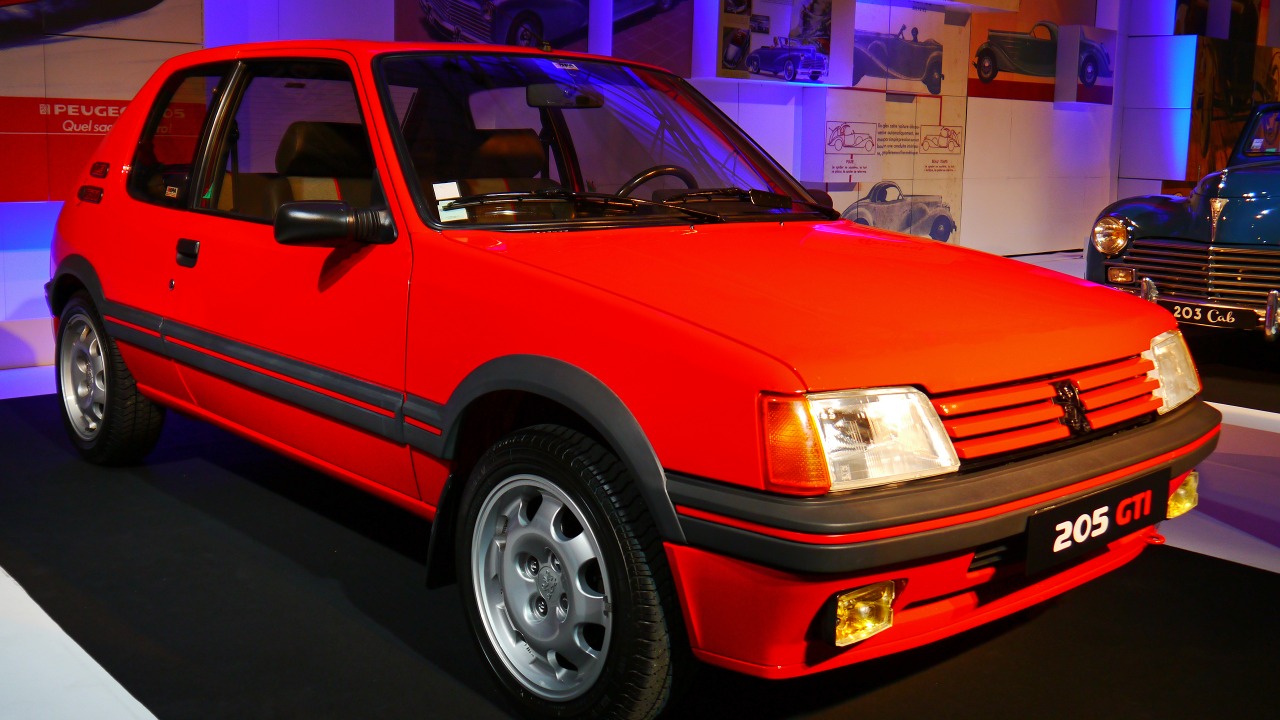
The 1984 Peugeot 205 GTI arrived as a compact three-door hatchback and promptly started humiliating larger, more powerful cars on real roads and rally stages. Light, sharp and cleverly engineered rather than overpowered, it showed how a small front wheel drive package could run rings around heavier rivals that looked superior on paper. Its mix of agility, usability and character turned it into a benchmark that hot hatches and even bigger performance models still get measured against.
That early 205 GTI did not just kick off a successful model line, it reset expectations for what an affordable performance car could do for regular drivers. By combining a modest 1.6 litre engine with low weight, responsive steering and a finely tuned chassis, it exposed the weaknesses of bulkier competitors that relied on capacity and cylinder count. Four decades on, its reputation as a giant killer remains intact because the fundamentals that made it so effective are clearly documented and still resonate with enthusiasts.
How a modest 1.6 made heavyweight rivals look clumsy
The first 205 GTI used a 1.6 litre engine, yet it quickly became the car that bigger rivals did not want to meet on a twisting road. Instead of chasing headline power, Peugeot focused on keeping the shell compact and the kerb weight low, which meant the 1.6 could deliver vivid acceleration and strong in-gear response without needing turbocharging or huge displacement. Contemporary accounts of early right hand drive cars in Britain describe a pre production 205 GTi that felt far quicker than its figures suggested, helped by short gearing and a kerb weight that undercut many competitors by around 170 lb, so the engine had less mass to move and could stay in its sweet spot more of the time.
That power to weight advantage mattered when the 205 GTI was pitched against established hot hatch and coupe rivals. Reports comparing the 205 G 1.6 to cars that had effectively reinvented the segment in the late 1970s note that the French newcomer could match or beat them on real world pace despite giving away capacity and, in some cases, cylinders. The key was how efficiently it turned modest output into forward motion, with crisp throttle response and a willingness to rev that let drivers carry speed between bends while heavier cars were still gathering themselves. In period tests, this translated into quicker cross country times and higher average speeds on challenging routes, the kind of environment where raw horsepower mattered less than how much of it you could actually use.
Chassis balance that flustered more powerful cars
What really embarrassed larger rivals was not just straight line speed but the way the 205 GTI flowed down a road. The car’s front wheel drive layout, compact wheelbase and carefully tuned suspension gave it a level of agility that made bigger performance models feel blunt. Contemporary descriptions of the 205 GTi’s sport tuned suspension emphasise how its front struts and rear trailing arms worked together to keep the car flat and composed, yet still supple enough to deal with poor surfaces. That balance meant drivers could brake late, turn in hard and get back on the power early, using the chassis rather than brute force to gain time.
Later analysis of the 205 GTI’s suspension layout, including simulations and driving impressions of an ’88 1.9 model, underline how the basic architecture was right from the start. The combination of relatively soft springs, well judged damping and a stiff rear axle gave the car its famous lift off adjustability, allowing experienced drivers to rotate the car into a corner while less committed owners still enjoyed predictable grip. Compared with heavier hot hatches and coupes that leaned more and pushed wide under power, the 205 GTI could change direction with a flick of the wrists, which is why it so often came out ahead on tight circuits and mountain passes even when rivals boasted more power.
Design and usability that widened the gap
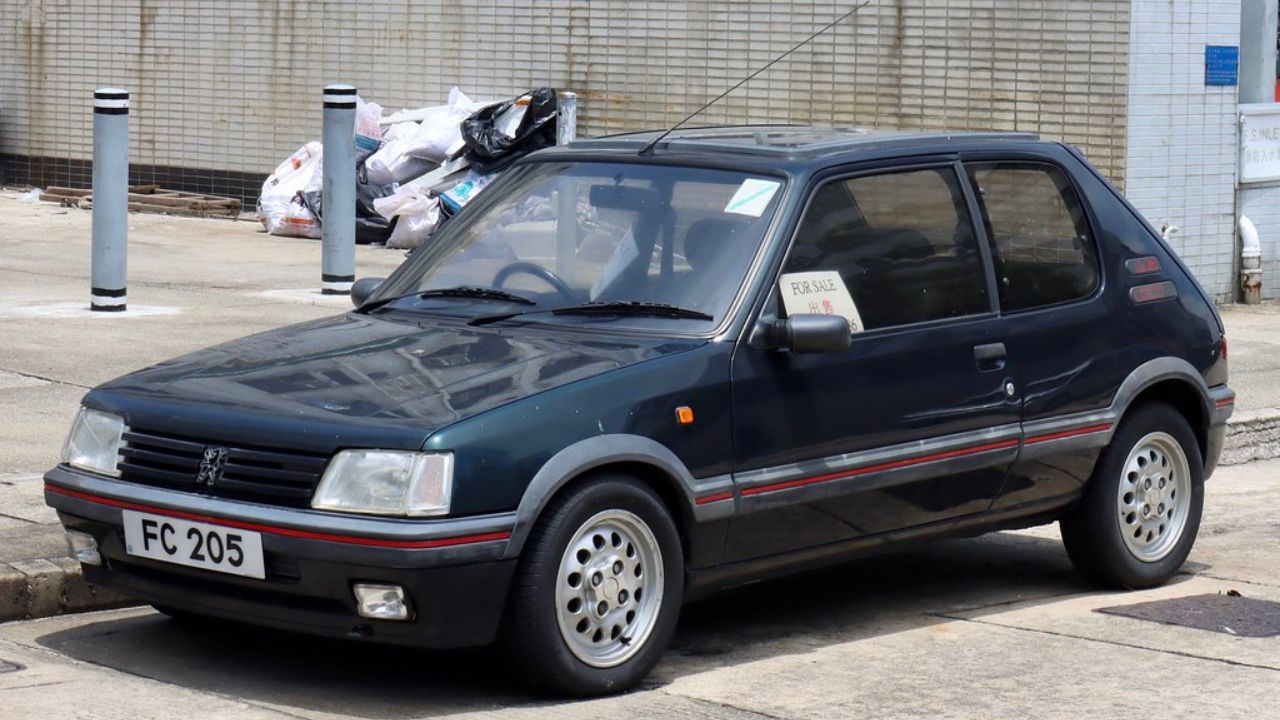
The 205 GTI’s ability to embarrass bigger cars was not limited to performance figures, it also made many of them look crude in day to day use. The broader 205 range offered three and five door hatchbacks and even a cabriolet, all sharing a cabin that felt airy and practical for a small car. The GTI version added supportive seats, a sportier driving position and subtle exterior changes, but it remained a genuine four seater with a usable boot. That practicality meant owners could use it as their only car, something that was less true of some larger coupes and saloons that sacrificed rear space or visibility for style.
Factory accounts of the 205 G line stress how carefully PEUGEOT worked on the driving environment, from pedal placement to steering wheel size, to make the GTI feel natural and confidence inspiring. That attention to ergonomics, combined with light controls and good visibility, made it easier for ordinary drivers to access the car’s performance without feeling intimidated. In contrast, some more powerful rivals of the era had heavier clutches, obstructive gearshifts or awkward seating positions that made them tiring in traffic and harder to place on a narrow road. The 205 GTI’s blend of usability and speed meant it could outpace bigger cars on a Sunday blast, then quietly commute on Monday without punishing its owner.
Rally pedigree and the Group B shadow
The 205 GTI’s road manners were only part of the story, because its image was supercharged by Peugeot’s rally programme. The 205 Turbo 16, a mid engined, four wheel drive homologation special built to conquer Group B, shared only its silhouette with the GTI but created a halo that rubbed off on the whole 205 family. Driving impressions of a 1984 205 Turbo 16 highlight how extreme that car was, with a highly strung turbo engine and a chassis tuned for loose surfaces, yet the visual link to the everyday hatchback was obvious. When spectators saw a 205 shell dominating world rally stages, it made the showroom GTI feel like a close relative even if the mechanical reality was very different.
That motorsport success mattered when the 205 GTI lined up against larger performance cars that lacked similar pedigree. Owners could point to the Group B victories and feel that their compact hatchback carried some of the same DNA, especially as Peugeot offered road cars with styling cues inspired by the Turbo 16. The connection also reinforced the idea that clever engineering and weight saving could beat raw power, since the rally 205 regularly defeated bigger engined rivals from other manufacturers. For drivers of the road going GTI, that narrative translated into a sense that they were part of a winning formula, one that made their relatively affordable car feel more special than many larger and more expensive machines.
Legacy: the benchmark that still haunts modern hot hatches
Decades later, the 205 GTI’s ability to humble bigger rivals continues to shape how enthusiasts judge performance hatchbacks. Historical overviews of the Peugeot GTI lineage describe the 205 GTI as Widely considered the pick of all GTI badged cars, not just within Peugeot’s own range but across the segment. That reputation rests on the same qualities that made it so disruptive in 1984, low weight, responsive engines and a chassis that rewarded commitment. Even as power outputs have climbed and modern hot hatches like the 308 G have adopted turbocharged engines and sophisticated electronics, engineers still talk about weight saving as a core priority, echoing the philosophy that made the original 205 so effective.
Contemporary commentators who revisit the 205 GTI, such as Harry in his detailed look at a Peugeot 205 GTI 1.9, often come away surprised at how fresh the car still feels. They note that while modern rivals are objectively faster and safer, few deliver the same sense of connection or make such efficient use of relatively modest power. Sales figures that show the 205 GTI surpassing 300,000 units underline how widely that formula resonated with buyers, many of whom discovered that they could keep up with or even outrun larger sports cars on the right road. For me, that enduring respect is the clearest sign of how thoroughly the 1984 205 GTI embarrassed its bigger contemporaries, it set a standard for accessible performance that the industry is still trying to match without losing the simplicity that made the original so special.
More from Fast Lane Only:



Leave a Reply