
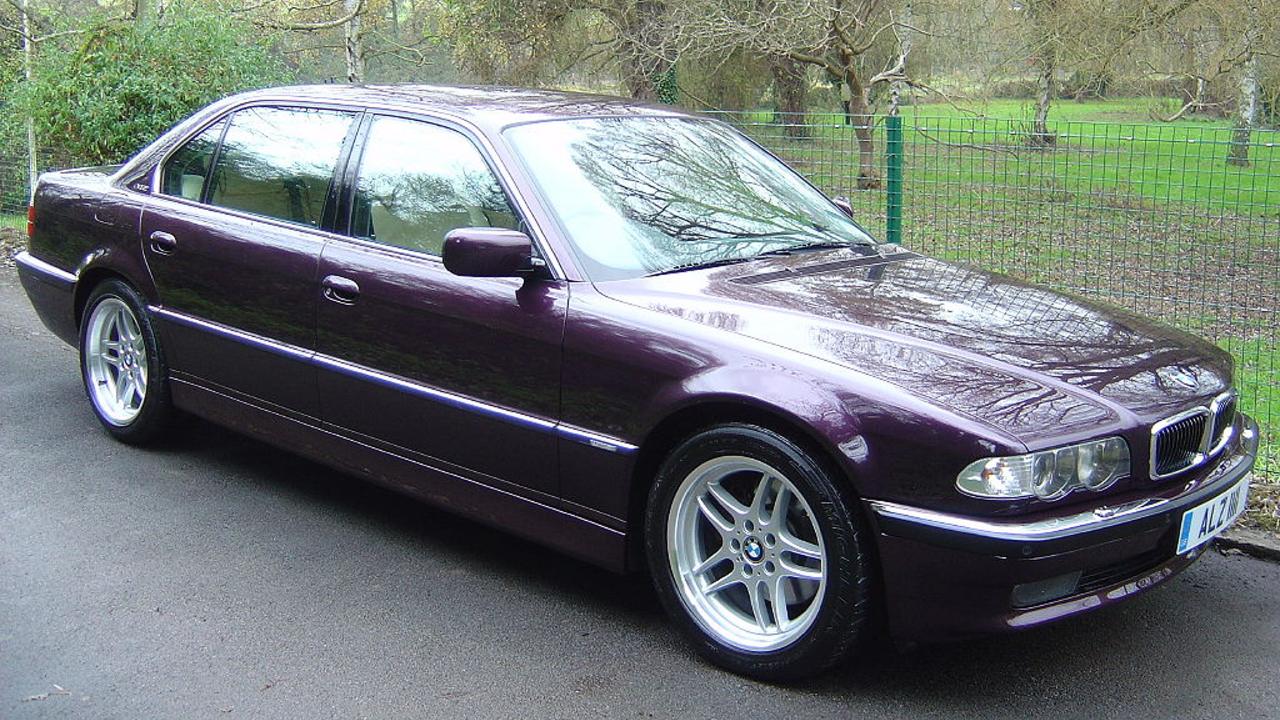
The 1988 BMW 750iL arrived as more than a longer, plusher 7 Series. It was a rolling technology statement, using a new V12 engine, advanced electronics, and comfort features to push the luxury sedan into territory that had previously belonged to hand-built limousines. In an era when most executive cars still relied on relatively simple mechanical systems, the 750iL treated software, sensors, and microchips as core parts of the driving experience rather than hidden extras.
That approach did not just make the big BMW faster or quieter, it changed expectations for what a flagship sedan should do for its driver and passengers. From the way the throttle talked to the engine to the way the cabin systems were explained to owners on video, the 750iL helped set a template for how modern luxury cars integrate powertrain, comfort, and digital assistance.
The V12 flagship that redefined BMW’s top tier
When BMW launched the 750iL, it used the car to signal that its largest sedan would no longer be just a stretched version of a mid-range model. The 750iL introduced a 12‑cylinder engine that sat above the existing six‑cylinder 735i, turning the 7 Series into a true flagship line rather than a single car with different trim levels. Contemporary road testing focused specifically on the elements that distinguished the 750i from the 735i, underlining how the new engine and its supporting systems transformed the character of the car compared with the already respected six‑cylinder version, as detailed in period road tests.
The long‑wheelbase 750iL added rear legroom and a more formal presence, positioning it as an ultra luxury sedan that caused a stir when it appeared in showrooms. Later commentary on the model has described how this V12 limousine sat at the top of BMW’s range and how its arrival changed perceptions of the brand’s capabilities in the luxury segment, with reviewers highlighting that this was an “ultra luxury sedan that caused a huge stir when it first came out” and identifying it explicitly as a V12 flagship. That framing appears in modern video reviews of the 750, which look back at the car’s impact relative to its contemporaries.
Electronics and drivability ahead of their time
The 750iL did not rely on its cylinder count alone to feel advanced. It used a sophisticated electronic throttle and engine management system that separated the driver’s right foot from a direct mechanical linkage to the engine. Contemporary testing emphasized how the engineers had to tune the relationship between the throttle pedal and the V12 so that the response felt natural even though electronics were mediating the interaction, a point that early road reports singled out as a key difference from the 735i. That focus on drive‑by‑wire style control foreshadowed the way modern cars now rely on software to shape throttle, transmission, and stability systems.
The result was a car that testers described as combining strong performance with a relaxed, almost effortless character, something that depended as much on the electronics as on the raw displacement of the engine. Later video retrospectives on the 750iL underline how the car’s drivability still feels surprisingly modern, with reviewers noting that it “handles like a dream” and that the more they drive their “new 7” the more they enjoy it, language that appears in a period video handbook created to explain the car to owners. That blend of power and polish, mediated by early digital controls, helped set expectations for how a luxury sedan should respond to its driver.
Lighting, safety and the first wave of smart features

Beyond the powertrain, the E32‑generation 7 Series that underpinned the 750iL became a test bed for new lighting and safety technology. Within this model line, BMW introduced the first series‑production low beam Xenon high‑intensity discharge headlamps, branded as Litronic, which initially applied to the low beam only. That step, documented in technical histories of the E32, marked a shift away from traditional halogen units and previewed the lighting arms race that now sees luxury cars using adaptive LEDs and laser systems. Even though these Xenon units arrived slightly later in the production run, they are part of the same technological arc that the 1988 750iL helped initiate.
The 7 Series platform also integrated other advanced systems that fit the same philosophy of using electronics to enhance safety and comfort. Period material on the E32 highlights features such as complex on‑board diagnostics and stability‑oriented chassis tuning, while promotional films for the 750iL stress that “only when the moment is at hand when the quest for perfection is complete does the design earn its name,” language used in a 750 IIIL promotional film. That kind of messaging underscored how BMW wanted buyers to see the car as a holistic technological package, not just a big engine wrapped in leather.
Luxury as a system, not just a soft seat
Inside the 750iL, technology served comfort as deliberately as it served performance. The long‑wheelbase layout created space for rear passengers, but it was the integration of climate, audio, and seat controls that made the car feel like a mobile office or lounge. A period video handbook for the 7 Series shows an owner explaining that “the more I drive my new 7 the more I enjoy it. it’s simple to operate. it handles like a dream. saves me time and tro…,” a description that captures how the car’s systems were designed to reduce friction in daily use rather than overwhelm the driver with complexity. That language appears in the 1989 handbook, which walks owners through the car’s features in a calm, instructional tone.
BMW also used promotional films to frame the 750iL as a carefully crafted object where luxury and technology were inseparable. In one such film, the narration links the idea of a “quest for perfection” to the moment when the design earns its name, explicitly tying the car’s identity to the thoroughness of its engineering. That message, preserved in the 750 IIIL promotional film, reinforces the notion that the 750iL’s comfort features, from its suspension tuning to its cabin ergonomics, were part of a single system aimed at making long‑distance travel less tiring and more controlled.
A legacy that still shapes modern flagships
Looking back from today’s world of touchscreen dashboards and hybrid drivetrains, the 1988 750iL can seem almost analog. Yet many of the expectations that now define a modern flagship sedan trace directly to the way BMW positioned and engineered this car. The decision to create a distinct V12 model above the 735i, documented in contemporary road tests, set a pattern for clear hierarchy within a model range that other manufacturers have followed. The emphasis on electronic mediation of the driving experience anticipated the software‑defined character of today’s luxury cars, where throttle maps, adaptive suspensions, and driver‑assist systems all rely on code as much as hardware.
The car’s influence also shows up in how brands communicate technology to buyers. The use of detailed video handbooks and aspirational promotional films for the 750iL, visible in the period owner guides and 750 IIIL promotions, foreshadowed the multimedia explanations that now accompany every major model launch. When modern reviewers revisit the 750iL and describe it as an “ultra luxury sedan that caused a huge stir when it first came out,” as in later video coverage of the 750, they are not just indulging nostalgia. They are recognizing that this car helped move the luxury sedan from a comfortable machine into a technological flagship, a role that continues to define the segment decades later.
More from Fast Lane Only:



Leave a Reply