When Ford rolled out the first SVT Lightning in 1993, it did more than add a sporty trim to a work truck. It challenged what a pickup could be, pairing real payload capability with the kind of performance tuning usually reserved for pony cars. Three decades later, that original Lightning still feels like a jolt, both for how radical it looked in its era and for how clearly it foreshadowed today’s performance and electric trucks.
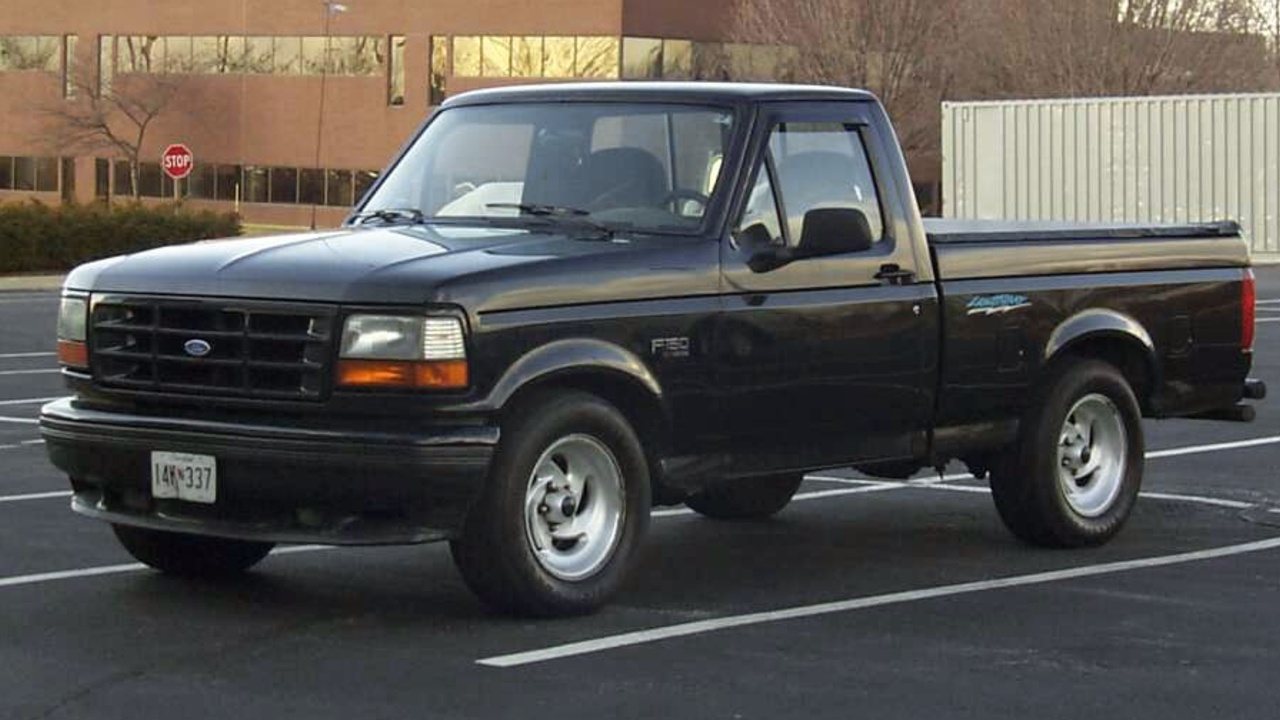
I see that debut as a turning point, when Ford proved that enthusiasts would embrace a truck engineered for speed and handling as much as for towing. The 1993 Ford SVT Lightning shocked buyers by turning a square-body F-150 into a purpose-built muscle truck, and its legacy now stretches from collectible first gens to the modern battery powered Lightning that shares its name.
How SVT turned a workhorse into a muscle truck
The Ford Special Vehicle Team, or SVT, was created to inject factory backed performance into select models, and the 1993 Lightning was one of its boldest early projects. Rather than simply dressing up an F-150 with decals, SVT reworked the chassis, suspension, and powertrain to create a truck that could credibly chase sports cars while still hauling a load. The Ford Lightning is described as one of Ford’s flagship performance trucks that debuted in 1993 under the SVT program, and that positioning matters, because it signaled that this was not a marketing exercise but a ground up performance build backed by Ford engineering.
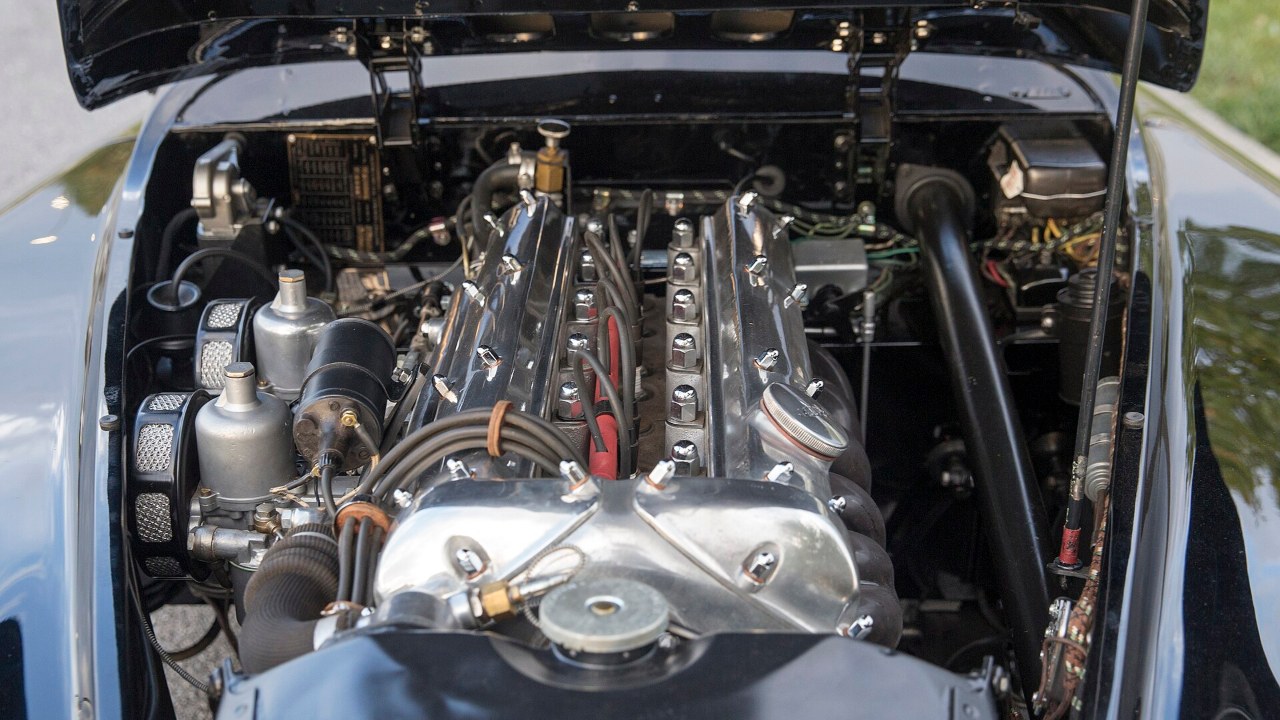
Under the hood, SVT leaned on a 5.8 liter V8 from the Windsor family, an engine some enthusiasts already considered dated by the early 1990s. Yet that “Powerful Windsor” V8 was tuned specifically for the Ford SVT Lightning, with upgrades that pushed it well beyond a standard F-150’s output and gave the truck the deep, unmistakable rumble that still defines its character in modern walkaround videos. One detailed buying guide notes that by the 1990s the Windsor was no longer cutting edge, but in Lightning tune it delivered the kind of torque and responsiveness that made the truck feel genuinely quick for its time, especially when paired with SVT’s suspension and gearing changes.
The 1993 Lightning’s spec sheet that stunned truck traditionalists
What really startled truck buyers in 1993 was how comprehensively SVT reworked the F-150 platform. Contemporary coverage and later retrospectives describe the Ford F-150 SVT Lightning as a direct response to the Chevrolet Silverado 454SS, which had arrived a few years earlier as a straight line bruiser. Where the Chevrolet Silverado 454SS leaned heavily on big block displacement and drag strip bravado, the Lightning focused on a more balanced package, with handling and braking upgrades that made it feel at home on a winding road as well as a highway on ramp. That repositioned the pickup from a pure work tool into something closer to a muscle coupe with a bed.
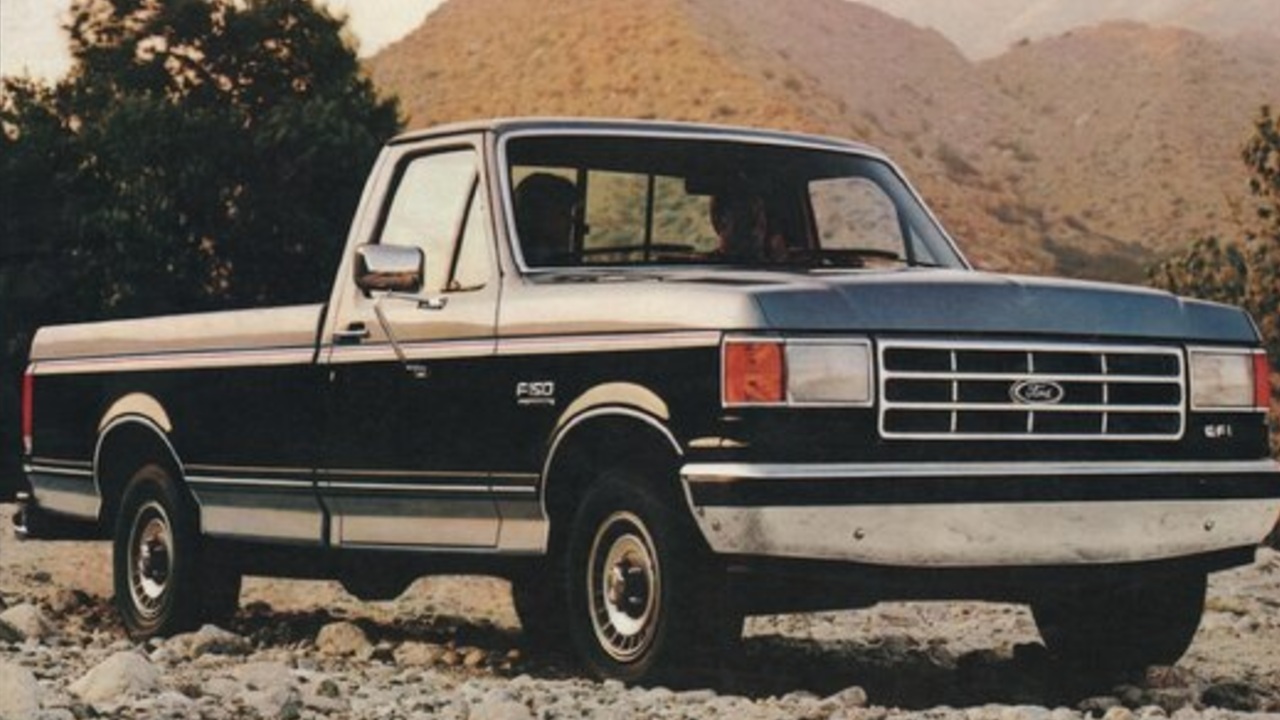
SVT’s changes went beyond the engine. Period and modern analyses point to revised suspension geometry, stiffer springs, and unique wheels and tires that lowered the truck and sharpened its responses. The result was a square body F-150 that cornered flatter and stopped shorter than most buyers expected from a full size pickup of the era. Later commentary describes the first Ford Lightning as a fitting finale for the square body F-150, because it extracted the maximum performance potential from that aging architecture just as Ford was preparing to move on to a new generation. In that sense, the 1993 Lightning was both a send off and a statement of intent for SVT’s future projects.
Limited numbers, instant cult status, and today’s collector market
Part of the first Lightning’s shock factor came from its scarcity. Production was intentionally limited, and specific examples have become reference points for collectors. One report on a barely driven 1993 truck notes that The SVT Lightning headed to auction was number 1,649 of 5,276 produced during the initial model year, finished in Bright red and preserved with exceptionally low mileage. Another feature on a different survivor highlights a 1993 Ford F-150 SVT Lightning with only 150 original miles, still with its original owner, underscoring how some buyers recognized the truck’s significance from day one and chose to preserve rather than daily drive it.
Those kinds of examples have helped set the tone for the current market. Valuation tools focused on the 1993 Ford F-150 SVT Lightning describe a range where well kept trucks can command strong money, especially in excellent or concours condition, while drivers in good condition with average spec remain more attainable. One analysis of early Lightnings notes that While well kept Lightnings are often listed in the $30,000 to $40 thousand range on enthusiast auction platforms such as Cars and Bids, some sources point out that less pristine examples can still sell for much less, sometimes around five figures or below. That spread reflects a truck that is both a blue chip collectible in top form and, in more used condition, a relatively accessible way into 1990s performance nostalgia.
From first gen bargain to SVT legacy and modern EV namesake
Three decades on, the first generation Lightning has taken on a second life as a used performance bargain. A recent analysis framed the market bluntly with the line First Generation Ford SVT Lightnings Are Used Bargains In 2025, pointing to prices that can dip under the $20,000 mark for certain model years and conditions. That perspective aligns with the idea that the original Ford Lightning offers a rare mix of analog driving feel, V8 sound, and practical usability at a price that undercuts many contemporary sports cars. For enthusiasts willing to live with an older interior and square body styling, the value proposition is compelling.
The Lightning also helped define SVT’s broader trajectory. Valuation and history notes on the 1993 Ford F-150 SVT Lightning emphasize that the range of SVT vehicles grew from this era to include additional Mustangs, performance pickups, a five door Focus, and other enthusiast oriented models. The Gen 2 Ford Lightning that followed later, described as one of SVT’s most iconic vehicles with its 5.4 liter supercharged engine, built directly on the first gen’s template of a factory hot rod truck. That second generation, often cited as one of the most sought after trucks to this day, would not have existed without the market validation that the 1993 model delivered.
Why the original Lightning still resonates in the EV era
The name Lightning has now been repurposed for Ford’s electric F-150, and that creates an interesting bridge between eras. A video comparison of the V8 to EV Ford Lightning 30 year evolution makes the contrast explicit, opening with the reminder that the original truck is not electric and that you can hear that V8 rumbling long before you see it. The modern battery powered Lightning trades that soundtrack for instant torque and silent acceleration, yet it follows the same core idea that a pickup can be a technology and performance showcase rather than just a work appliance. In that sense, the 1993 truck’s shock value paved the way for today’s electric experiment.
What has not changed is the emotional pull of the badge. Enthusiast focused descriptions of the 1993 Ford SVT F-150 Lightning talk about the palpable energy of the truck and how it resonates with its audience, capturing a sense of pride and connection among owners who see it as both a tool and a toy. That dual identity, a vehicle built for both utility and performance, is exactly what made the original Lightning so surprising in 1993 and what keeps it relevant as the market shifts toward EVs and advanced driver assistance. Whether preserved with 150 miles in a climate controlled garage or used as an affordable entry point into SVT history, the first Lightning still feels like a bolt from the blue in a segment that once prided itself on being purely practical.
More from Fast Lane Only: