The first Honda Civic Type R arrived in the late 1990s as a Japan‑only experiment in turning an everyday hatchback into a razor‑sharp performance tool. Although often lumped in with mid‑1990s tuner culture, the EK9 Civic Type R actually launched in 1997, and that timing matters because it shows how Honda responded to a maturing global performance scene rather than starting it. I see that car as the benchmark that quietly shaped how hot hatchbacks and compact performance cars were judged abroad, even in markets that never officially received it.
From humble Civic to focused Type R
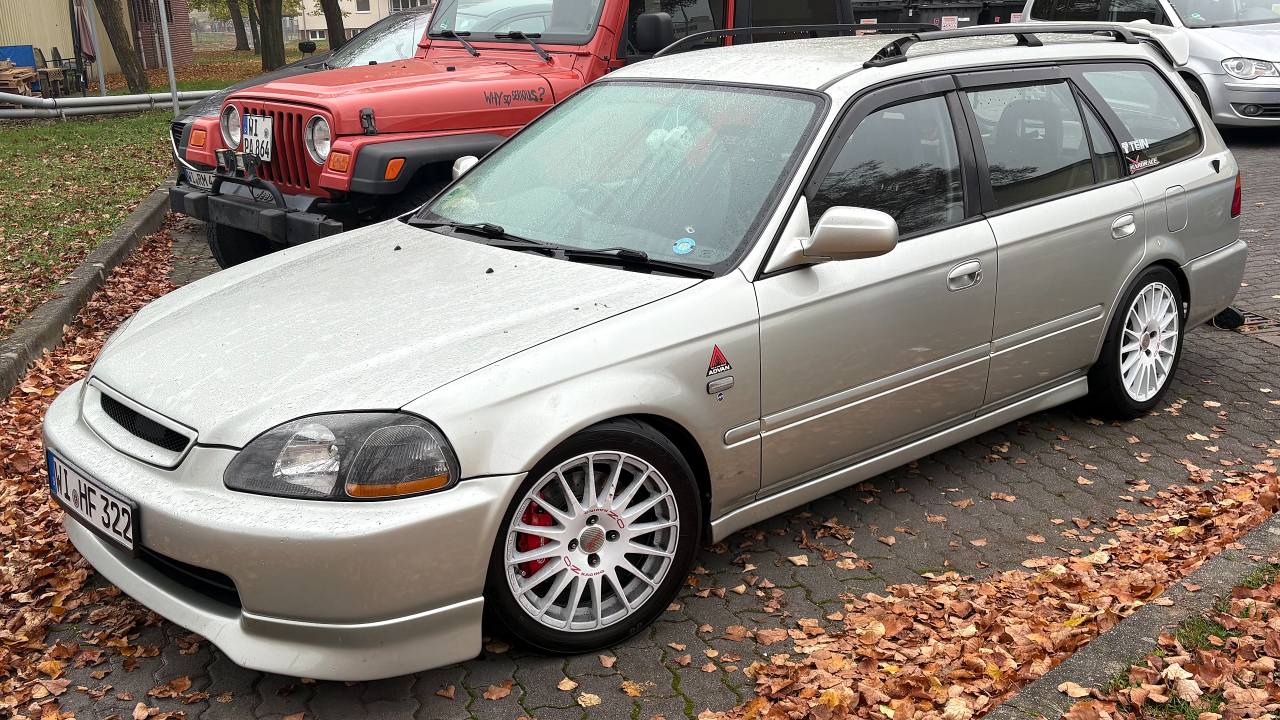
The EK9 Civic Type R did not appear out of thin air, it was a deliberate escalation of what a compact hatchback could be. Honda took the existing sixth‑generation Civic three‑door and, instead of simply adding power, reworked it with a motorsport mindset that turned a commuter into a track‑ready package. A detailed CHASSIS overview notes that the car was Dubbed EK9 and based on the EK4 Civic SIR Hatchback, but the engineering changes went far beyond a trim upgrade. That foundation meant the Type R started from a light, compact shell, ideal for the kind of high‑revving, momentum‑based driving Honda wanted to showcase.
Honda’s own retrospective on the EK9 underlines that it was Not just another version of the hatchback, but a car stripped back, tightened, and rebuilt with a racing focus. That meant removing comfort‑oriented features, stiffening the body, and tuning the suspension for response rather than softness. The result, as later histories of the Civic Type R line explain, was regarded as “The Original” and the Birth of a Legend, a car that set the template for every Civic Type R that followed and, by extension, for how rivals approached the idea of a hardcore compact.
The High Revving Engine that redefined small‑displacement power
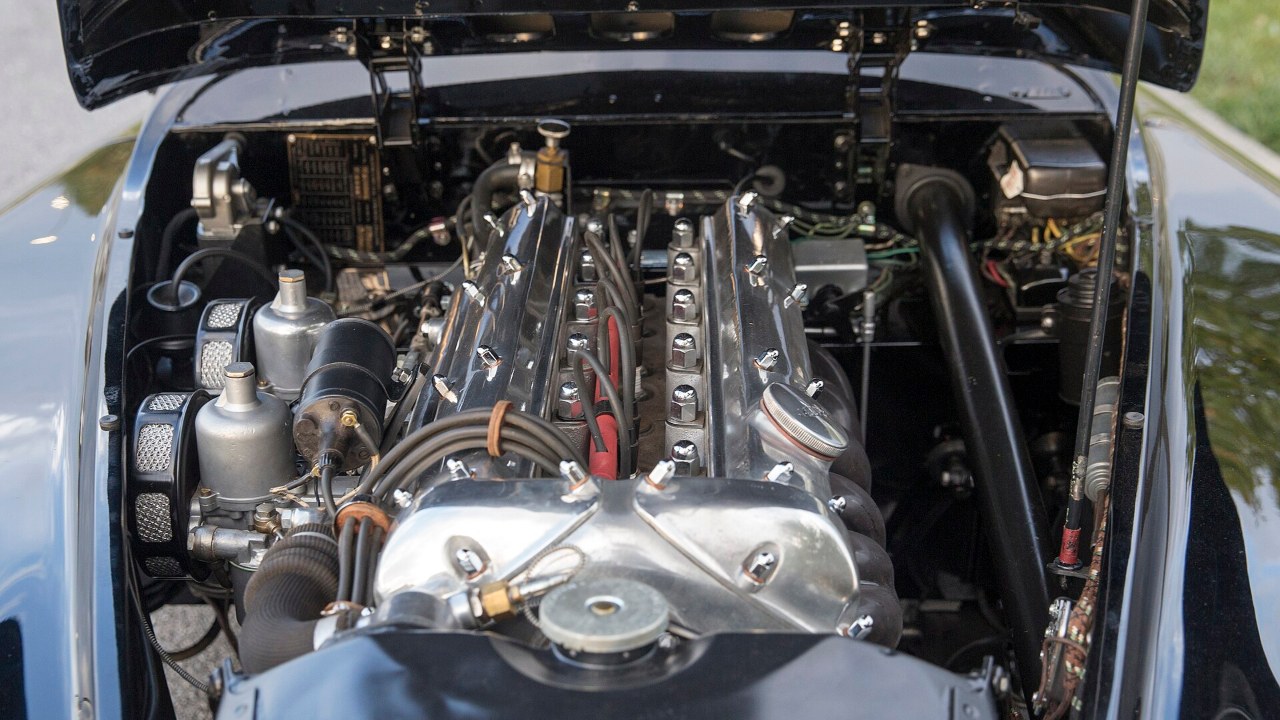
At the heart of the EK9’s reputation is its engine, which showed how much performance Honda could extract from modest displacement. The Civic Type R used a hand‑built B16B, a 1.6 liter DOHC VTEC four‑cylinder that produced a quoted 185 horsepower, a figure that was remarkable for a naturally aspirated engine of that size in the late 1990s. Honda’s own description highlights it as a High Revving Engine with DOHC VTEC, and that combination of specific output and willingness to spin became a calling card for the brand. In an era when many compact performance cars abroad leaned on turbochargers, the EK9’s naturally aspirated character stood out and influenced how enthusiasts evaluated throttle response and engine feel.
That engine did not exist in isolation, it was matched to a close‑ratio manual gearbox and a lightweight body that allowed the car to fully exploit its power. A performance database that tracks Civic Type R EK9 Notes describes how The Honda Civic Type R EK9 delivered strong track performance despite its modest displacement. That balance of power, gearing, and weight created a benchmark for how much speed could be extracted from a small engine, and it encouraged other manufacturers to pay closer attention to power‑to‑weight ratios and engine responsiveness rather than simply chasing larger outputs.
Lightweight engineering and shared Type R DNA

What really set the EK9 apart from many contemporaries abroad was Honda’s obsession with weight reduction and structural tuning. The car was not just given a stronger engine, it was stripped of sound deadening and other nonessential items to keep mass low, a philosophy that mirrored the approach taken with the Integra Type R. A detailed overview of the Civic Type R lineage notes that the EK9 shared many characteristics with the Integra Type R DC2 and JDM DB8, including those weight reduction measures and a focus on structural rigidity. That shared DNA meant the Civic Type R was not a marketing exercise, it was part of a coherent engineering program that treated lightness as a core performance feature.
Honda’s own technical summary of the EK9 underscores that the car’s weight was brought down to around 1,090 kilograms, a figure that, combined with the 185 horsepower engine, gave it a power‑to‑weight ratio that rivaled larger sports cars of the period. The same document that calls the EK9 the one that “started it all” explains how the chassis was tightened and the suspension tuned for track use, reinforcing that this was a purpose‑built machine rather than a cosmetic variant. When enthusiasts and engineers abroad looked at the EK9’s specification sheet, they saw a compact hatchback that applied race‑car logic to mass‑market hardware, and that approach influenced how later hot hatches in Europe and beyond were benchmarked for steering feel, body control, and overall agility.
Exclusivity at home, influence abroad
Even though the EK9 Civic Type R was sold only in Japan, its impact reached far beyond its home market. A Brief History of the Honda Civic Type R notes that “The Original” EK9, produced from 1997, was Originally launched exclusively for Japanese buyers. That limited availability turned the car into a kind of forbidden fruit for enthusiasts abroad, who encountered it through magazines, imported examples, and later online videos. The scarcity helped cement its status as a reference point, because it was not just fast, it was also rare and closely tied to Japan’s domestic performance culture.
Modern reviews and enthusiast content continue to treat the EK9 as a benchmark, even when looking back from the perspective of far more powerful modern hot hatches. A video review uploaded in Jan highlights how the car’s balance, steering, and engine character still feel special decades later, despite its relatively modest output by current standards. That ongoing respect shows how the EK9’s priorities, light weight, high revs, and driver focus, set expectations for what a serious performance hatchback should feel like, and those expectations filtered into how later Civic Type R generations were tuned for global markets.
The EK9’s lasting benchmark for global hot hatches
Looking across the Civic Type R family tree, the EK9 stands out as the car that defined the line’s core values and, by extension, influenced the broader hot hatch segment. Later generations added turbocharging, more power, and wider availability, but they kept returning to the same principles first crystallized in 1997: a focused chassis, a free‑revving engine, and a willingness to sacrifice comfort for speed. The historical overview that calls the EK9 the “Birth of” a “Legend” makes clear that every subsequent Civic Type R is judged against that original formula, even as technology and regulations have changed.
From my perspective, that is why the EK9 set standards abroad despite never being officially sold in many markets. Engineers and enthusiasts outside Japan looked at its specification, its lap time data, and its shared philosophy with the Integra Type R, and used it as a measuring stick for their own projects. Whether it was European hot hatches chasing sharper steering and lower weight, or later Japanese and global Civics trying to live up to “The Original,” the 1997 Civic Type R EK9 became the quiet reference point. Its combination of a 1.6 liter, 185 horsepower High Revving Engine, stripped‑back chassis, and track‑ready tuning still defines what a serious compact performance car should be, and that legacy continues to shape expectations for every new Civic Type R that reaches showrooms around the world.
More from Fast Lane Only: