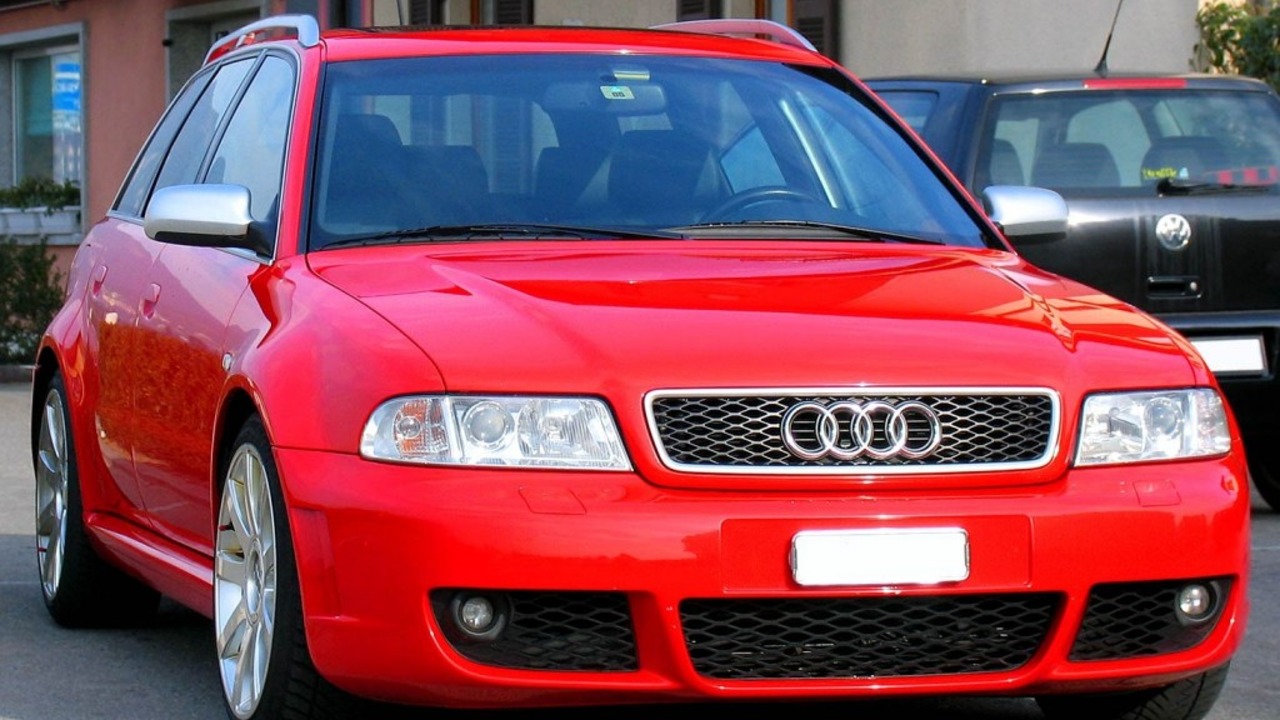
When Audi turned its compact A4 wagon into the RS4 at the end of the 1990s, it did more than add power to a family car. It created a practical estate that could run with contemporary supercars and forced rivals to take wagons seriously as performance flagships. The first RS4 Avant showed that the fight for speed and prestige no longer belonged only to low-slung coupes and sedans.
I see that moment as a pivot point, when the fast wagon stopped being a quirky niche and became a credible alternative to traditional sports cars. The original RS4 did it with numbers, engineering pedigree and a visual subtlety that made its performance even more startling.
From RS2 roots to a new kind of family weapon
The RS4 did not appear out of nowhere. Audi had already tested the idea of a supercar-quick estate with the RS2, a limited run model that, according to one detailed guide, was built in just 2,891 units and has since become one of Audi’s most iconic cars. That earlier project, developed with Porsche, proved that customers would pay serious money for a wagon that could embarrass exotic machinery, and it set the template for combining everyday usability with extreme performance.
Where the RS2 was a toe in the water, the RS4 was Audi doubling down. The RS4 Avant was developed by Audi Sport as the high performance variant of the A4 range, positioned as part of the broader Audi RS family rather than a one off experiment. Reporting on the model’s history notes that the original B5 Audi RS4 Avant was produced between 1999 and 2001, with Audi Sport responsible for turning the compact A4 estate into something far more aggressive. That continuity from RS2 to RS4 is crucial, because it shows Audi refining a concept it already knew resonated with enthusiasts.
The B5 RS4 Avant’s hardware and the Porsche connection
What made the first RS4 so disruptive was not just that it was a wagon, but how comprehensively it was engineered. The B5 RS4 Avant used a twin turbocharged V6 with a capacity of 2.7 liters, an engine that contemporary reviews highlight as a key part of the car’s sleeper status. That 2.7 unit was developed with input from Cosworth, a company better known for its Formula 1 work, which underlined how serious Audi was about extracting big power from a relatively compact package.
The RS4 also carried over a technical and symbolic link to Porsche that had begun with the RS2. Audi’s own historical material records that Porsche AG supplied parts such as brakes and wheels as a development and production partner on these early RS projects. In the RS4, that relationship translated into hardware capable of coping with supercar level speed in a car that could still haul a family and luggage. The result was a wagon that, as one enthusiast video puts it, was capable of “killing” contemporary Porsche models in real world acceleration, a claim that reflects how the RS4’s performance shocked drivers used to equating speed with two door sports cars.
How the RS4 dragged wagons into the supercar conversation
The real legacy of the B5 RS4 Avant lies in how it changed expectations for what an estate car could be. At the time, wagons were still widely seen as sensible transport, even in premium segments, and performance badges tended to be reserved for sedans and coupes. By delivering a wagon that could match or beat supercars in straight line speed while offering quattro all wheel drive traction, Audi forced enthusiasts and rivals alike to reconsider the estate format as a legitimate performance platform.
Later retrospectives on Audi’s RS lineage describe the B5 RS4 Avant as “another stunningly fast wagon,” emphasizing that it was not a curiosity but a fully fledged halo model for the brand. That positioning mattered. The RS4 was sold only as an Avant in Europe, which meant the most extreme A4 you could buy was a wagon, not a sedan. When a manufacturer makes its flagship in a practical body style, it sends a clear signal that practicality and performance are no longer mutually exclusive, and that helped pull wagons into the same conversations as traditional sports cars.
Design, subtlety and the appeal of the sleeper
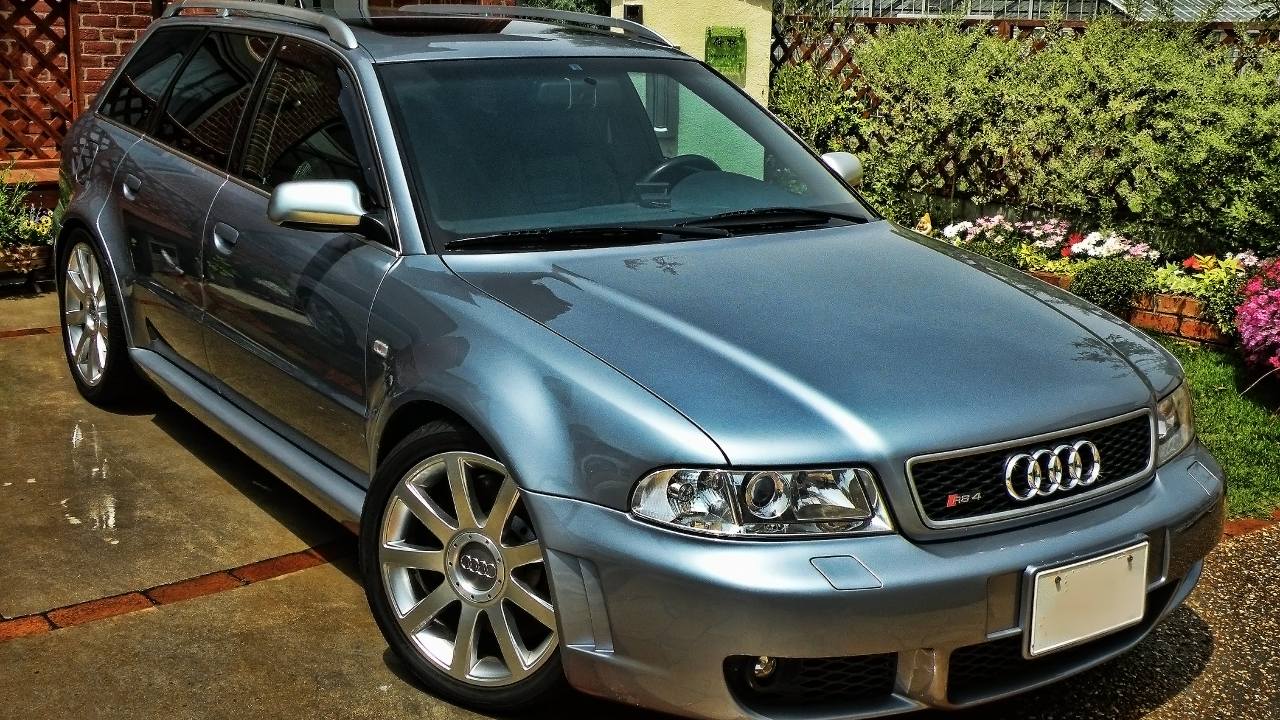
Part of the RS4’s impact came from how it looked. The B5 Avant wore flared arches, larger wheels and more aggressive bumpers, but it still read as a compact family estate at a glance. Contemporary commentary notes that the car had “sleeper status from the get go” because of its body style and the way its unique 2.7 engine was hidden under a relatively understated shell. That contrast between appearance and capability made the RS4 feel even more subversive, especially in an era when many performance cars shouted about their intent with wings and vents.
This sleeper quality also broadened the RS4’s audience. Buyers who needed a practical daily driver could justify the Avant body, while enthusiasts appreciated the idea of a car that could quietly outpace more ostentatious machinery. Later reviews of newer RS 4 Avant generations still lean on this formula, describing the model as an estate that can match a supercar for acceleration while offering acres of grip. That continuity suggests Audi got the balance right with the original B5, and has been refining rather than reinventing the concept ever since.
A 25 year legacy and the RS4’s place in today’s market
Two and a half decades on, Audi itself treats the first RS4 Avant as a milestone. When the company marked 25 years of the RS4, it highlighted how the original B5 generation arrived as a compact yet ferociously quick estate and how the RS4 line has become a core part of its performance identity. That anniversary coverage underscores that the RS4 was not just a fast version of an existing car, but the start of a lineage that continues to define how Audi blends practicality and speed.
The modern RS 4 Avant still trades on the same basic promise as the 1999 original, even as powertrains and technology have evolved. Current reviews describe it as a fairly unique proposition for buyers who want an estate car that can match a supercar for acceleration, with the Audi RS badge and Avant bodywork signaling that blend of performance and utility. In a market now crowded with fast SUVs and crossovers, the RS4’s continued relevance shows how strong the idea was when Audi first brought wagons into the fight, and how enduring the appeal remains of a car that can carry a family, swallow luggage and still feel at home in a battle with far more exotic machinery.
More from Fast Lane Only: