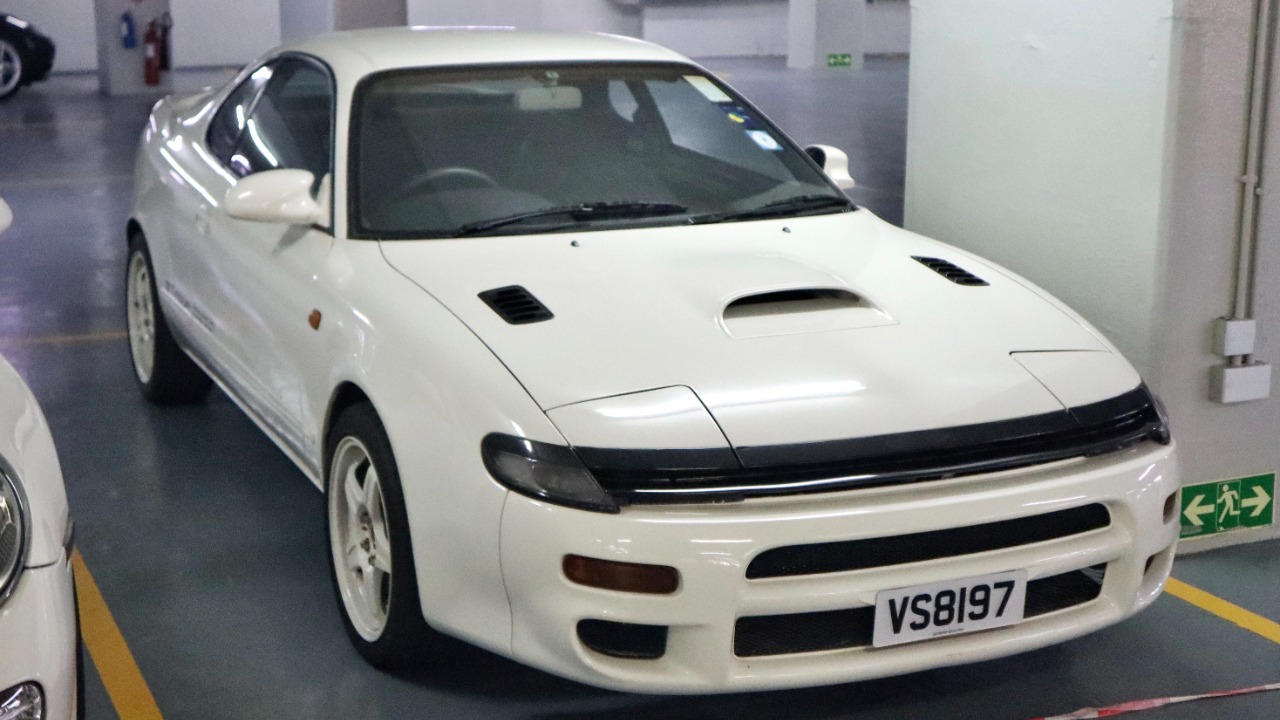
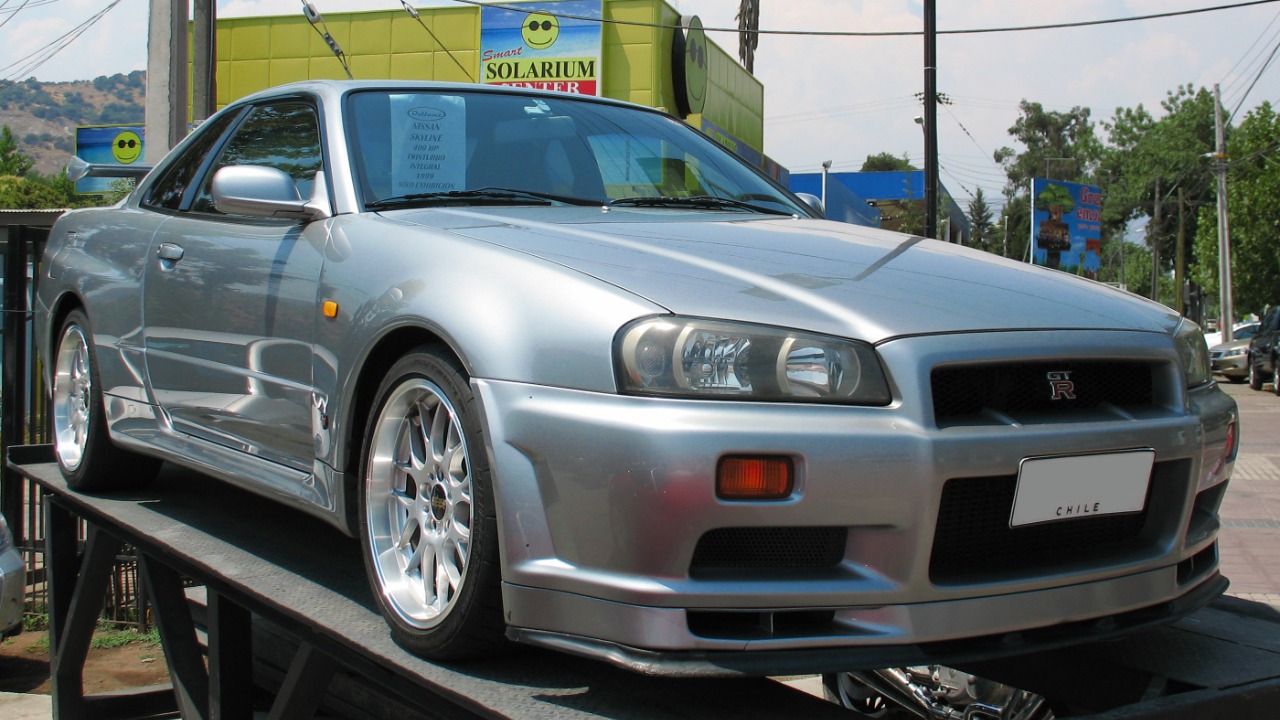
The 1999 Nissan Skyline GT-R arrived at a moment when turbocharged performance, digital tech and motorsport know-how were finally ready to meet in one road car. The R34 did not just continue a bloodline, it pulled together everything its predecessors had hinted at and turned the Skyline GT-R into a complete, modern package. I see that year as the point where the legend stopped evolving in public and started feeling fully formed.
From Skyline workhorse to GT-R icon
To understand why the 1999 car felt so complete, I first have to look back at how ordinary the Skyline once was. The Skyline nameplate started life as a sensible family car, then gradually moved into sportier territory as Japan’s car culture exploded and buyers wanted something that could commute during the week and attack mountain passes at night. That long gestation meant the badge carried everyday familiarity before it ever became a hero.
The turning point came when the Skyline GT performance variants, and later the dedicated GT-R models, began to dominate circuits and street conversations alike. The History of the Nissan Skyline GTR The Skyline shows how the GT-R badge evolved from those roots into a focused high performance line that ran through the R32, R33 and finally the R34 before the separate R35 arrived. By the time the 1999 Skyline GT-R appeared, the groundwork was done: the car no longer had to prove that a Skyline could be fast, it only had to show how far that idea could be pushed.
R32 lit the fuse, R33 refined it, R34 finished the job
When I line up the three modern classic generations, the pattern is clear. The R32 exploded onto the scene as a raw, motorsport-bred machine that shocked rivals with its pace and technology. The R33 that followed was more mature and slightly larger, smoothing out some of the rough edges but also carrying extra weight and complexity that split opinion among purists. Each one moved the story forward, but neither quite felt like the final word.
That is why the 1999 BNR34 Skyline GT-R lands with such weight. One detailed history notes that if the R32 ignited the legend and the R33 refined it, the R34 GT-R perfected it, a sentiment that has become widely accepted among fans of the BNR34 Skyline GT. The shorter wheelbase, crisper styling and sharpened chassis gave the car a sense of purpose that neither of its immediate predecessors quite matched, and that balance is a big part of why the 1999 model year feels like the moment the formula finally clicked.
Tech that felt like tomorrow in 1999
What really strikes me about the 1999 Skyline GT-R is how confidently it leaned into digital performance at a time when most sports cars still relied on analog dials and guesswork. Front and center in the cabin sat a 5.8 inch screen that did not just look futuristic, it gave the driver real data about what the car was doing. For a late nineties coupe, that kind of transparency felt almost like a race engineer riding shotgun.
On the R34 GT-R, that 5.8 inch unit was an LCD multifunction display mounted in the middle of the dashboard, and it could show seven different live readings, from turbo boost to engine parameters, in a way that made the driver feel plugged into the car’s brain. The LCD multifunction display was not a gimmick, it was a bridge between the Skyline’s track heritage and the growing world of digital telemetry, and it helped cement the idea that this GT-R was not just fast, it was intelligently fast.
Power, grip and the “legendary” label
Of course, the R34 would never have earned its reputation on screens alone. Under the hood sat the familiar twin turbo straight six, feeding power through a sophisticated all wheel drive system that gave the car its famous mix of traction and adjustability. In an era when many performance cars still struggled to put power down cleanly, the Skyline GT-R’s ability to launch hard and stay composed out of tight corners felt almost unfair.
That combination of engine and driveline is a big reason enthusiasts still talk about the R34 as a benchmark Japanese performance car. One widely shared description calls The Nissan Skyline GT R R34 a legendary Japanese machine, produced from 1999 to 2002 and celebrated for its all wheel drive system and turbocharged punch, and that language has stuck in the way people talk about The Nissan Skyline GT. When I look at the 1999 model year, I see the point where that hardware, the compact body and the emerging tech all lined up to justify that “legendary” tag.
From forbidden fruit to six figure classic
For enthusiasts in the United States, the 1999 Skyline GT-R carried an extra layer of mystique because it was out of reach for so long. Import rules meant that, for years, the car existed mostly in video games, movies and online forums, a kind of rolling myth that people knew by chassis code rather than by test drives. That distance only amplified the sense that the R34, and especially the early production years, represented something special.
That barrier finally started to fall when the car cleared the 25 year import threshold. Stateside fans of the R34 Nissan Skyline GT-R were given good news when the model finally surpassed that age limit and became legal for import to the US, opening the door for real ownership instead of just digital fantasies. One detailed look at the process notes how Stateside buyers now have to navigate not just shipping and paperwork but also a market that has already priced in the car’s cult status.
The price of perfection
That cult status shows up very clearly in the numbers. The 1999 Skyline GT-R is no longer a used performance car, it is a blue chip collectible that sits in the same mental space as European exotics from the same era. When I look at current valuations, I see a car that has moved far beyond its original showroom sticker and into territory that reflects both nostalgia and genuine scarcity.
Typically, you can expect to pay around $202,333 for a 1999 Nissan Skyline GT-R in good condition with average specification, a figure that underlines just how far the market has moved for this particular year and model. That same valuation source notes that the highest sale recorded over the last three years was $229,600, which shows how strong demand remains for clean examples of the 1999 car. Those numbers, anchored in Typically detailed market data, make it clear that the R34 has crossed over from tuner dream to serious asset.
Why 1999 still matters every time I see an R34
When I put all of this together, the 1999 Skyline GT-R feels less like a single model year and more like a hinge point in car culture. It is the moment when decades of Skyline evolution, from humble sedans to the Skyline GT performance variants and finally the focused GT-R line, converged with late nineties tech and a global appetite for Japanese performance icons. The car’s mix of compact proportions, advanced drivetrain and that signature digital display captured a balance that later GT-Rs, brilliant as they are, approached from a very different, more standalone direction.
That is why the phrase about the R32 lighting the fire, the R33 refining it and the R34 perfecting it still resonates with me whenever I see an R34 roll past. The 1999 model year sits right at the start of that final chapter, carrying the first wave of BNR34 production and setting the tone for everything that followed. In a world where values have climbed into six figures and import rules have finally relaxed, the car has not lost the qualities that made it special in the first place, and that is the clearest sign that, in 1999, Nissan really did perfect its GT-R formula.