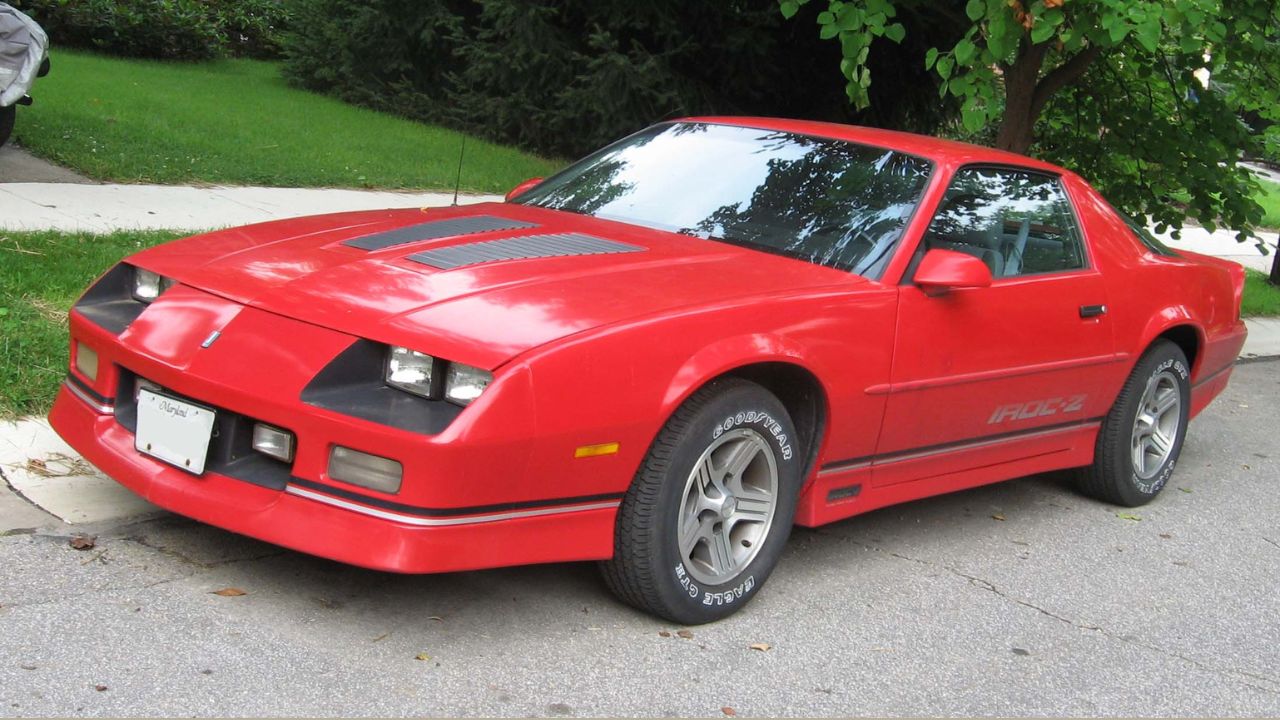
In the mid-1980s, the IROC-Z Camaro became a symbol of American automotive performance and style. This iconic car stood out not just for its sleek design but for its connection to the International Race of Champions—a prestigious motorsport event. Today, the IROC-Z is remembered fondly by car enthusiasts and collectors alike.
The Birth of an Icon
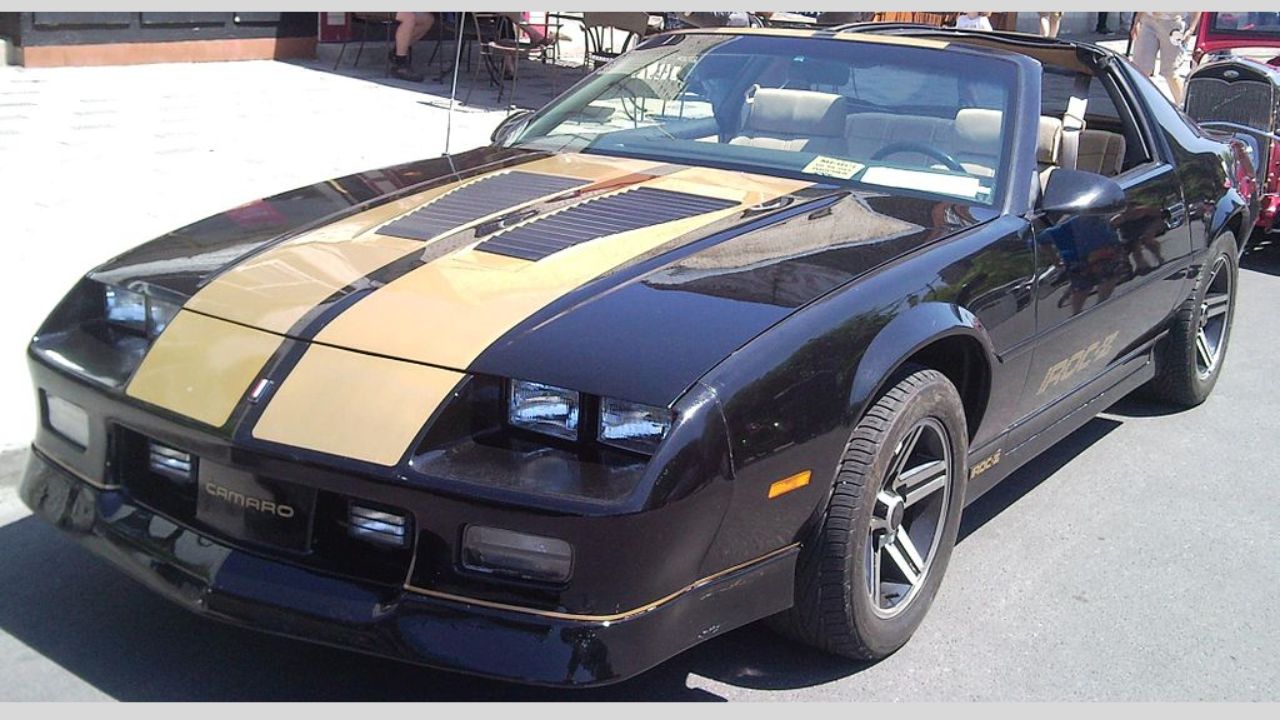
The IROC-Z Camaro made its debut in 1985 as a high-performance variant of the Chevrolet Camaro. It was designed to commemorate the International Race of Champions, a series that brought together the world’s best drivers to compete in identically prepared cars. The IROC-Z quickly gained popularity for its race-inspired features, such as a lowered suspension and improved handling.
Chevrolet’s decision to introduce the IROC-Z was a strategic move to capitalize on the race’s prestige and the growing consumer interest in performance vehicles. The car’s aggressive styling and advanced engineering made it a standout in the Camaro lineup, setting a new standard for the brand’s muscle cars.
Racing Legacy: The International Race of Champions
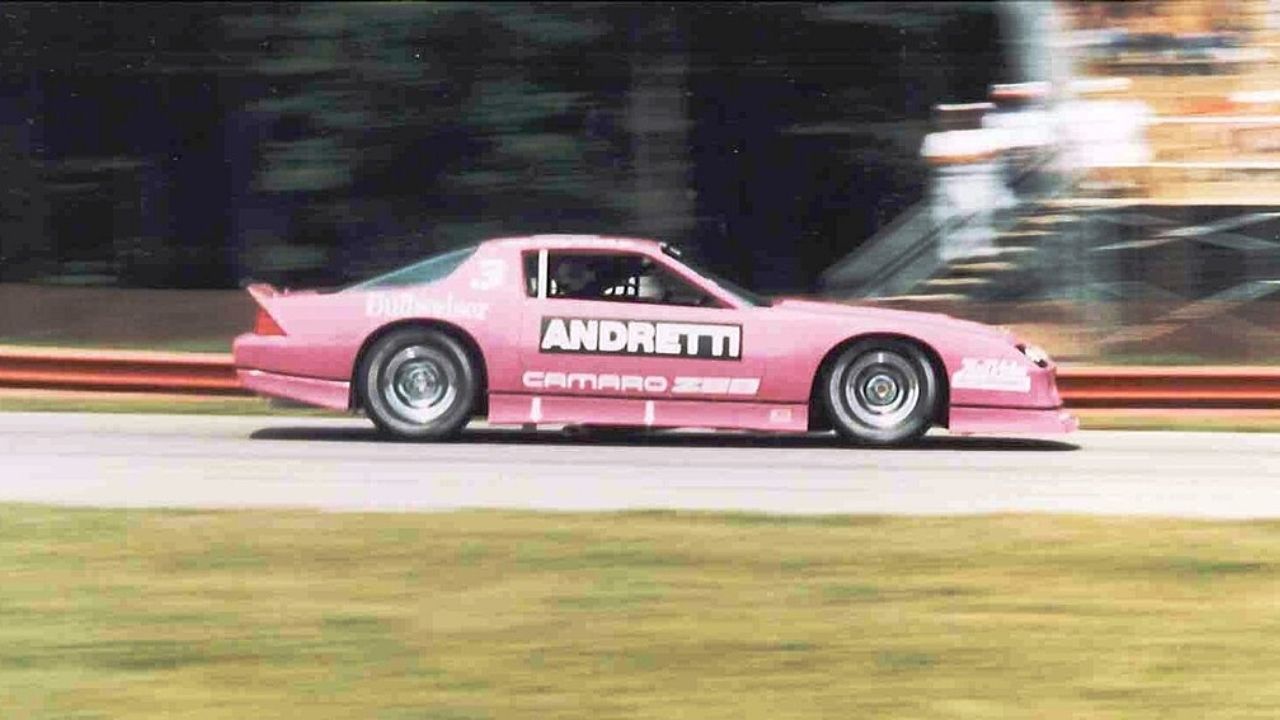
The International Race of Champions, or IROC, began in 1974 as a way to pit top drivers from different motorsport disciplines against each other in identical cars. The series gained a reputation for its competitive spirit and the skill required to win. The IROC-Z Camaro was introduced to honor this legacy, offering the public a taste of the race’s excitement.
Throughout its run, the IROC series featured racing legends like Mario Andretti, Dale Earnhardt, and Al Unser Jr. The IROC-Z not only paid homage to these greats but also allowed everyday drivers to experience a piece of racing history on their own terms.
A Performance Powerhouse: Engine and Specs
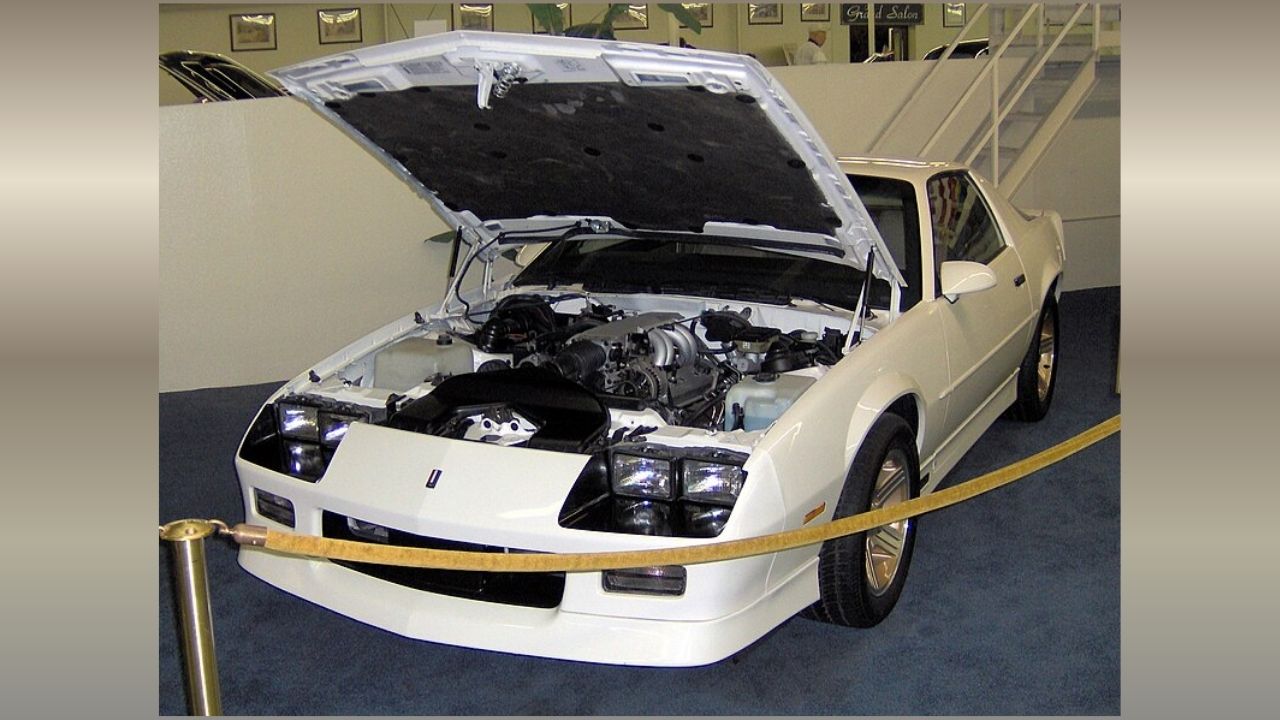
The IROC-Z was renowned for its performance capabilities, featuring several engine options over its production years. The most notable was the Tuned Port Injection (TPI) 5.7-liter V8 engine, introduced in 1987, which delivered impressive horsepower and torque. The car’s performance was further enhanced by its aerodynamic bodywork and upgraded suspension.
In addition to raw power, the IROC-Z offered a range of features that appealed to driving enthusiasts. These included a five-speed manual transmission, four-wheel disc brakes, and performance tires, which together provided a balanced mix of speed, control, and enjoyment behind the wheel.
The Golden Era: 1985-1990 Model Years
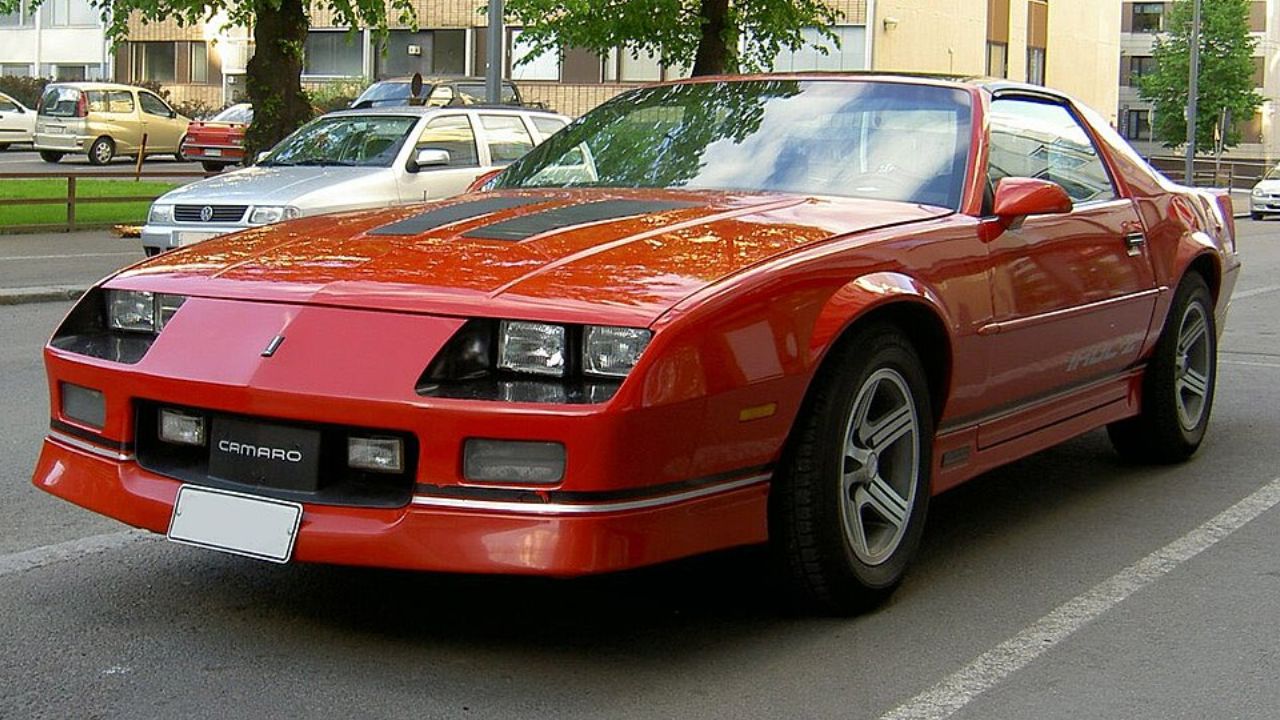
The period between 1985 and 1990 is often considered the golden era for the IROC-Z Camaro. During these years, the car evolved with various enhancements, such as improved aerodynamics and a more powerful engine lineup. Each model year brought subtle changes that kept the IROC-Z at the forefront of performance car design.
These model years saw the IROC-Z become a favorite among car enthusiasts, thanks to its combination of style, speed, and affordability. Its presence on the road was unmistakable, with bold graphics and distinctive design cues that made it a standout in the muscle car scene.
Cultural Impact: The IROC-Z in Pop Culture
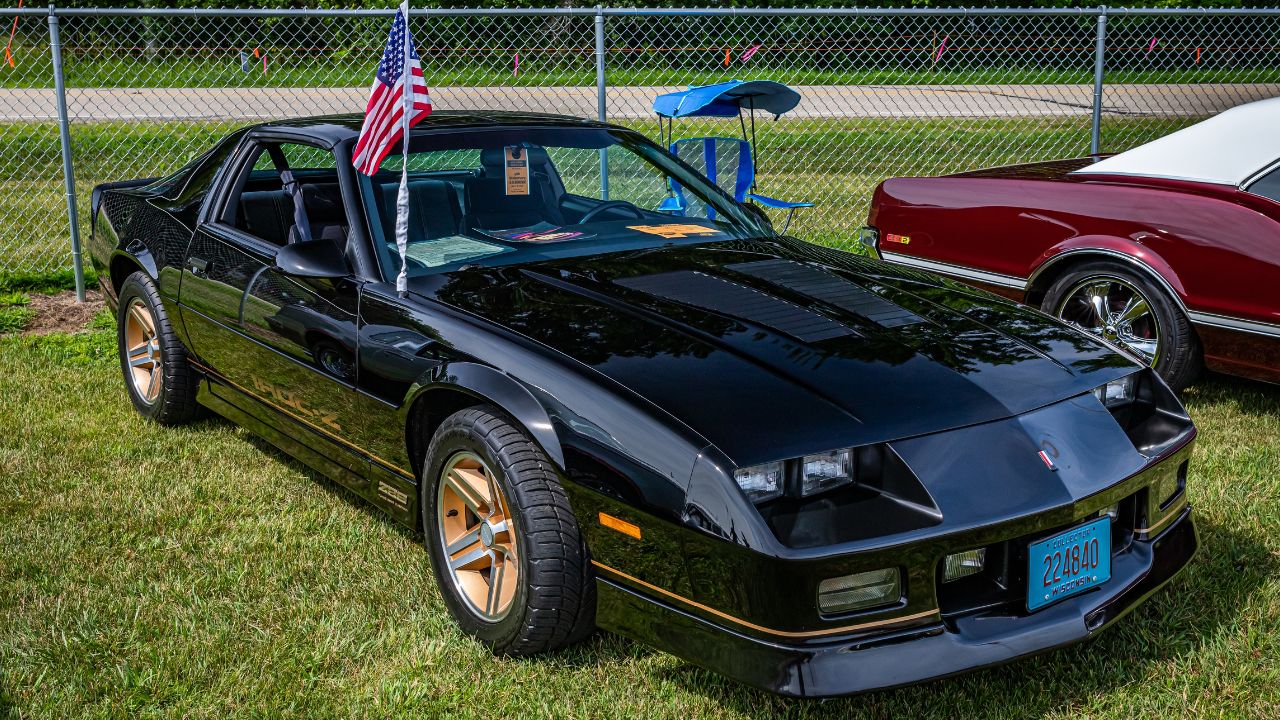
The IROC-Z Camaro left a lasting mark on popular culture, becoming a symbol of 1980s excess and performance. It was featured in numerous movies and television shows, often representing the quintessential American muscle car. Its sleek design and powerful performance made it a favorite among filmmakers and audiences alike.
Beyond the screen, the IROC-Z found its way into the hearts of a generation of car enthusiasts. Its presence at car shows and in automotive magazines helped cement its status as a cultural icon, synonymous with the era’s fast-paced lifestyle and love for high-performance vehicles.
Collectibility and Nostalgia: The Resurgence of the IROC-Z
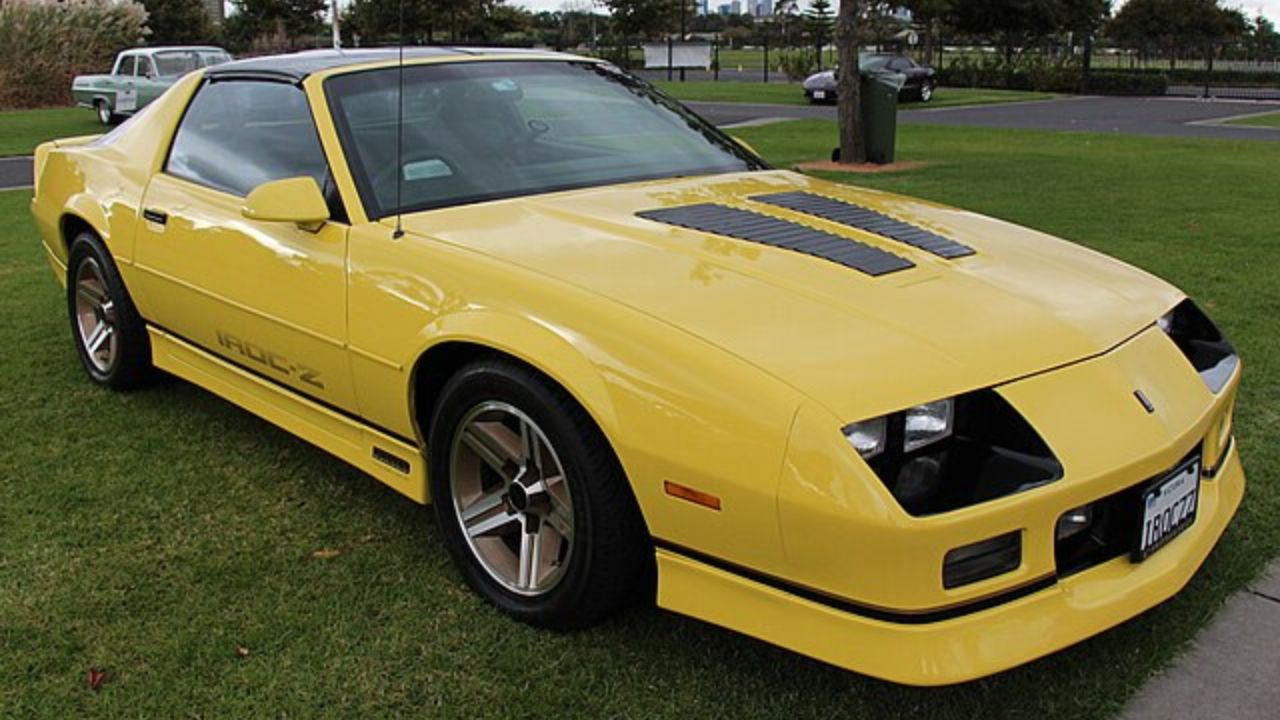
In recent years, the IROC-Z has experienced a resurgence in popularity among collectors and nostalgia-driven car enthusiasts. Its iconic status and limited production numbers have made well-preserved models highly sought after. The car’s blend of performance and history has only added to its allure.
Restoration projects and enthusiast clubs dedicated to the IROC-Z have popped up across the country, celebrating the car’s legacy and ensuring its continued appreciation. For many, owning an IROC-Z is a way to relive the excitement and freedom of the 1980s automotive scene.
Rivalries on the Road: Competing with the Mustang and Trans Am
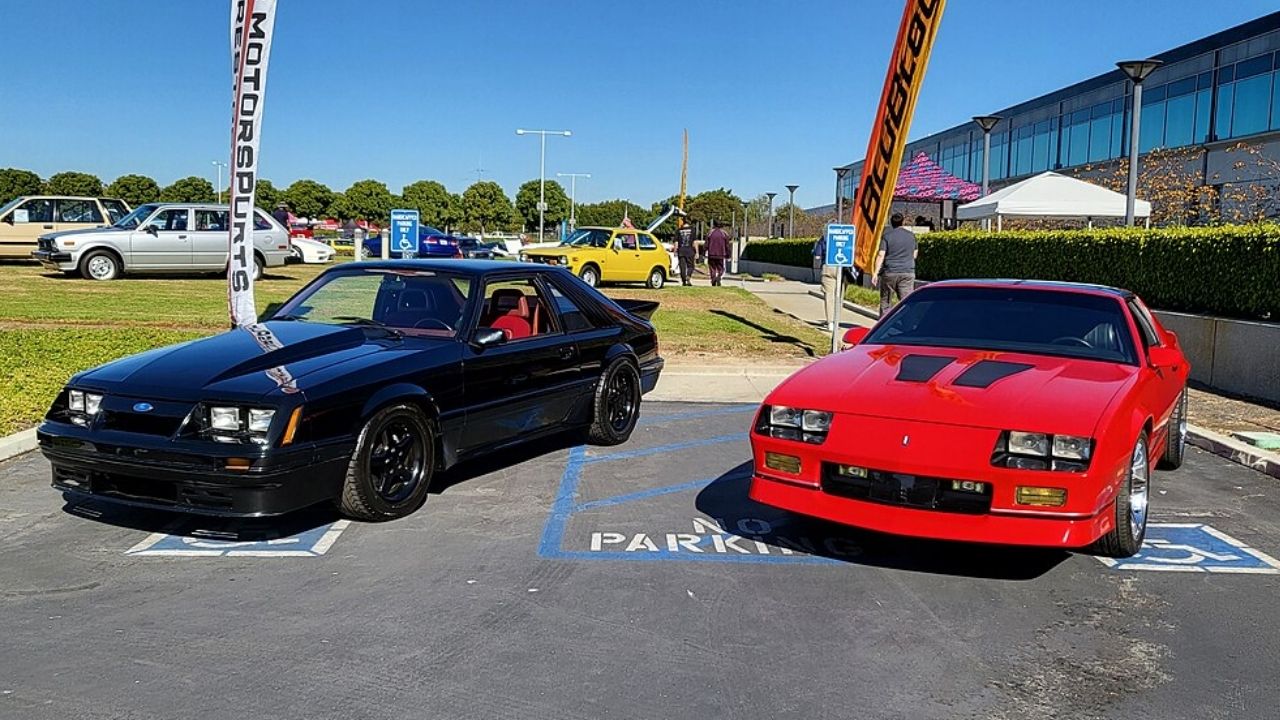
During its heyday, the IROC-Z faced stiff competition from other American muscle cars, most notably the Ford Mustang and Pontiac Trans Am. These rivalries fueled advancements in automotive technology and design, pushing manufacturers to innovate and improve their offerings.
The IROC-Z stood out in this competitive landscape thanks to its race-inspired features and performance capabilities. Its success against rivals was a testament to Chevrolet’s commitment to producing a world-class muscle car, solidifying its place in the annals of automotive history.
The End of an Era: The Discontinuation and Legacy of the IROC-Z
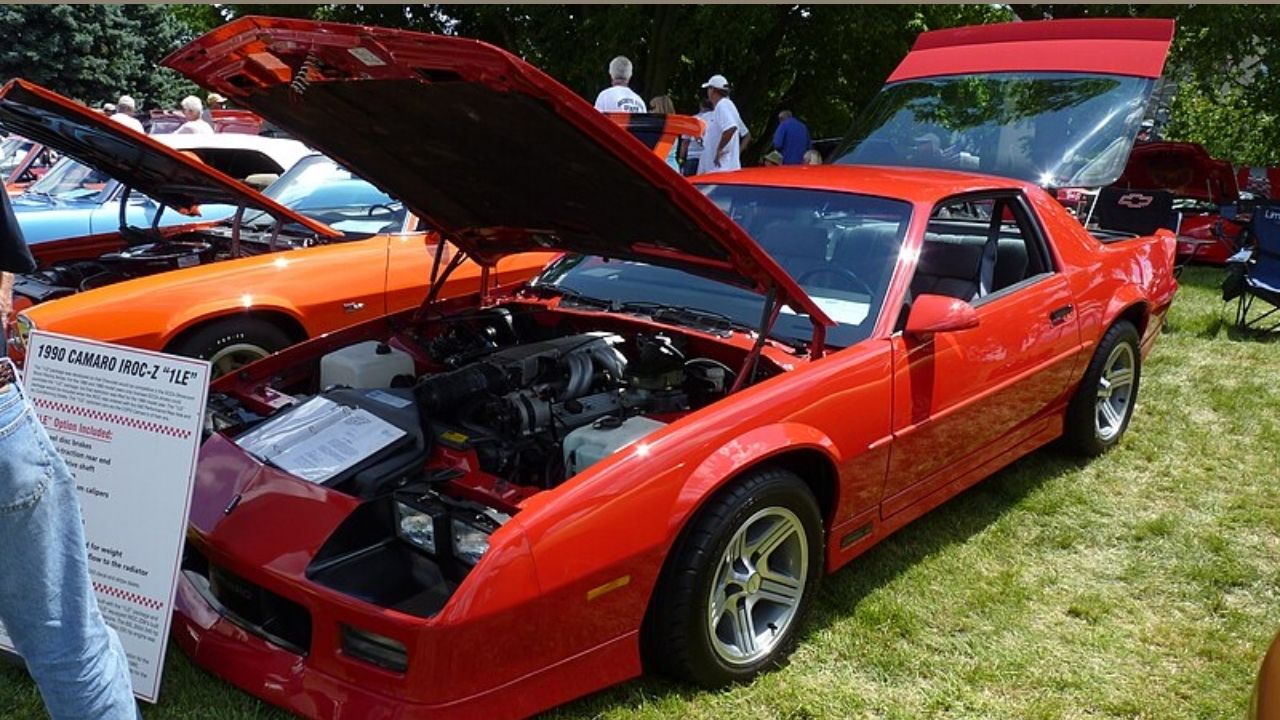
The production of the IROC-Z came to an end in 1990, as Chevrolet shifted its focus and the IROC series itself underwent changes. Despite its discontinuation, the IROC-Z left a lasting legacy as one of the most iconic Camaros ever produced.
Its influence can still be seen in modern performance vehicles, with its blend of style, power, and cultural significance serving as a benchmark for future generations. The IROC-Z remains a beloved classic, celebrated by car enthusiasts and collectors for its unique role in automotive history.
Like Fast Lane Only’s content? Be sure to follow us.
Here’s more from us:
*Created with AI assistance and editor review.