AMC didn’t build many muscle cars, but when they did, they made it count. The Machine was their loudest answer to Detroit’s V8 wars—both in style and in horsepower. Here’s why it still deserves your attention.
It Came With a Factory 401 V8
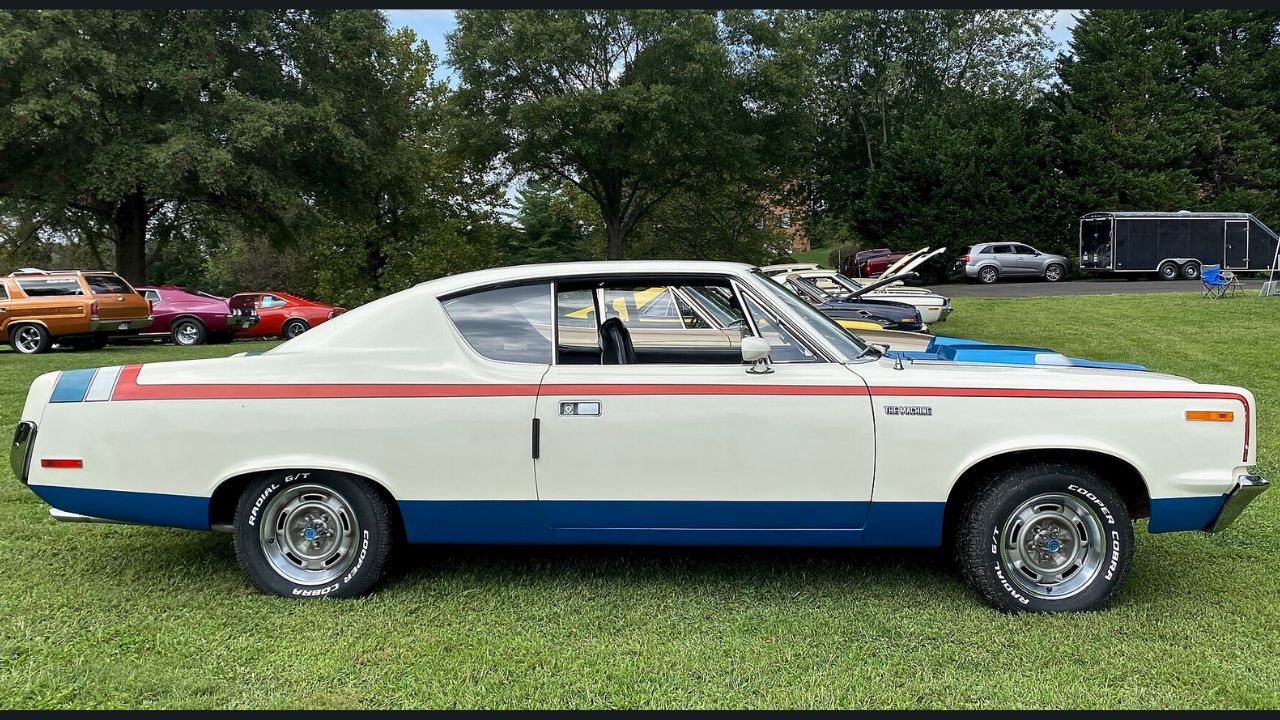
AMC didn’t mess around when it dropped the 401-cubic-inch V8 into The Machine. Factory-rated at 340 hp and 430 lb-ft of torque, it delivered serious performance without needing dealer-installed tricks. This engine was paired with a 4-barrel Motorcraft carb and 10.5:1 compression ratio.
Back in 1970, this setup meant 0–60 in under 6 seconds and quarter-miles in the mid-14s. That was right in GTO and Road Runner territory—but from a company most folks overlooked. It made power without flashy add-ons, and that made it more threatening than most realized.
AMC Built It to Prove a Point
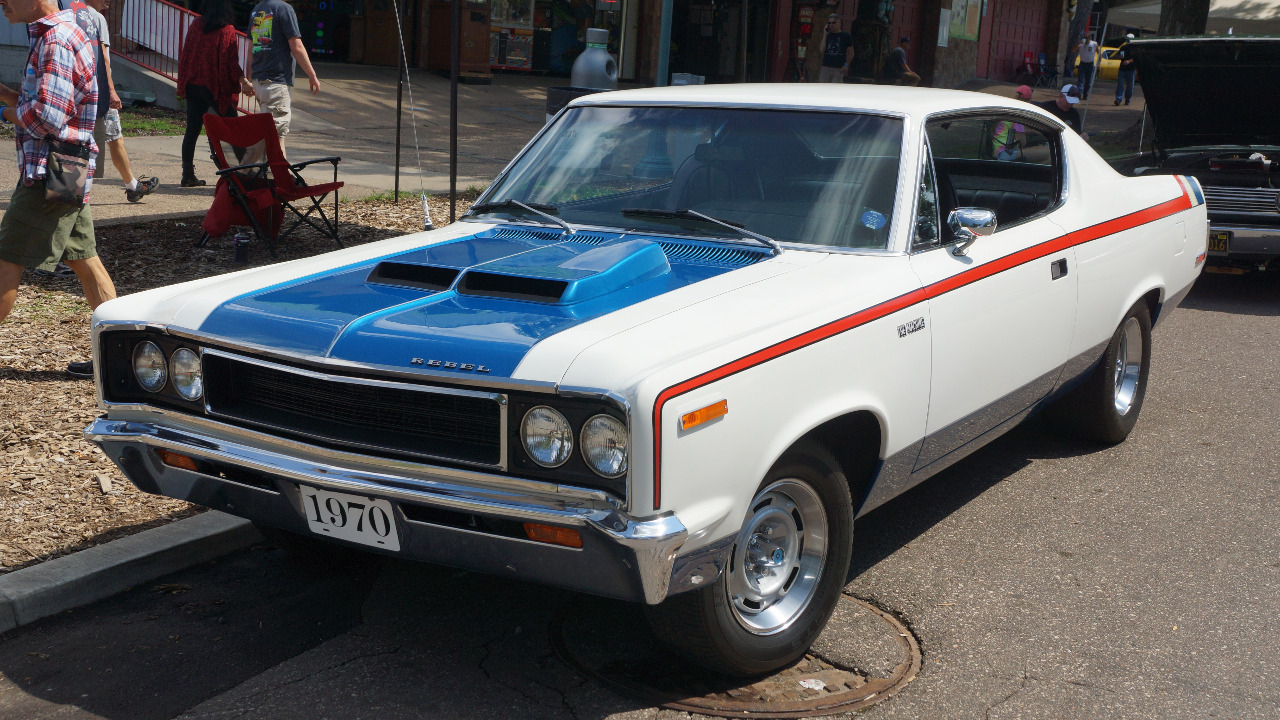
The Machine wasn’t just about horsepower—it was AMC’s way of telling Detroit they could build muscle too. American Motors had a reputation for economy cars, so The Machine was designed to challenge that image directly.
It didn’t sell huge numbers—just over 2,300 units—but it made a statement. AMC wanted people to stop laughing and start listening, and a red, white, and blue factory hot rod did exactly that. It wasn’t subtle, but that wasn’t the point.
It Had a Factory Ram-Air Hood Scoop

That tall hood scoop wasn’t just for show. It was functional, feeding cooler outside air into the big 401. The scoop even had a “Machine” decal and integrated vacuum-controlled flapper, which opened under full throttle.
In a world full of cosmetic scoops, this one actually worked. It added a bit of extra torque and throttle response when it mattered. AMC didn’t just slap on graphics and hope for the best—they gave it real breathing room.
The Suspension Was Tuned for Muscle

AMC tuned The Machine’s suspension with heavier springs, a front sway bar, and higher-rate shocks to keep things planted. It handled better than many muscle cars of the era, which were still tuned more for straight lines than corners.
It wasn’t exactly a canyon carver, but it stayed composed during hard pulls and didn’t wallow in turns. For 1970 standards, the setup was surprisingly modern. It gave the car a planted feel, especially compared to its less focused Rebel siblings.
The Interior Was All Business
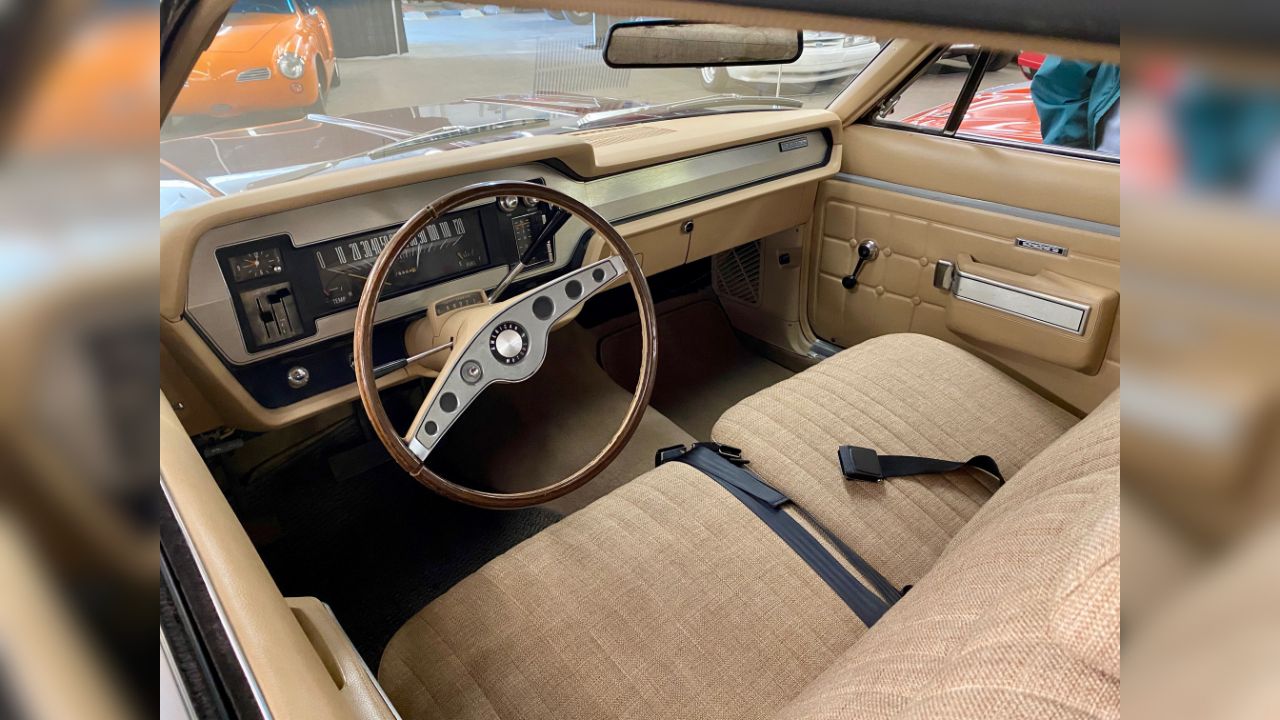
Inside, The Machine didn’t try to be flashy. It came with high-back vinyl bucket seats, basic gauges, and a floor-mounted Hurst shifter. You weren’t getting walnut trim or hideaway headlights—this was muscle on a mission.
The simplicity worked. The dash layout was straightforward, and the tach was mounted where it counted. It didn’t pretend to be a luxury car, and AMC didn’t charge you for features you didn’t need. This was a purpose-built interior.
The Red, White, and Blue Paint Scheme

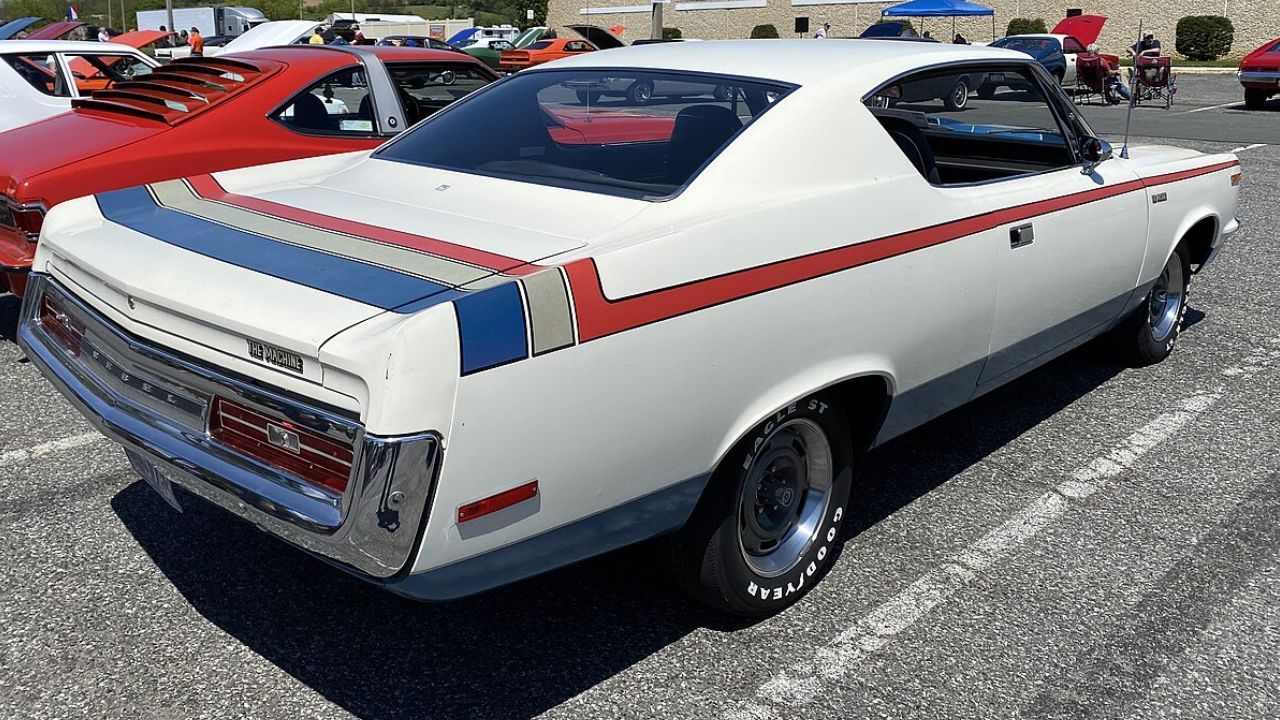
Not all Machines got the signature paint, but it’s what most people remember. AMC offered The Machine in a wild red, white, and blue layout that left no question about what country built it. Subtle? Not even close.
Only the first batch of cars got the tri-color setup. Later buyers had the option of more traditional single-tone paint jobs. Still, that early color scheme helped The Machine stand out—and made it impossible to forget once you saw one on the road.
It Was Underrated at Launch
Despite being quicker than many of its rivals, The Machine didn’t get much respect when new. Part of that came from AMC’s underdog status. Buyers who didn’t take the brand seriously never gave it a fair shake.
That lack of attention worked in its favor over time. Today, it’s one of the most recognizable AMC muscle cars—and one of the few that collectors actively chase. Back then it struggled to get noticed, but now it turns heads for all the right reasons.
It’s Still Tough to Find
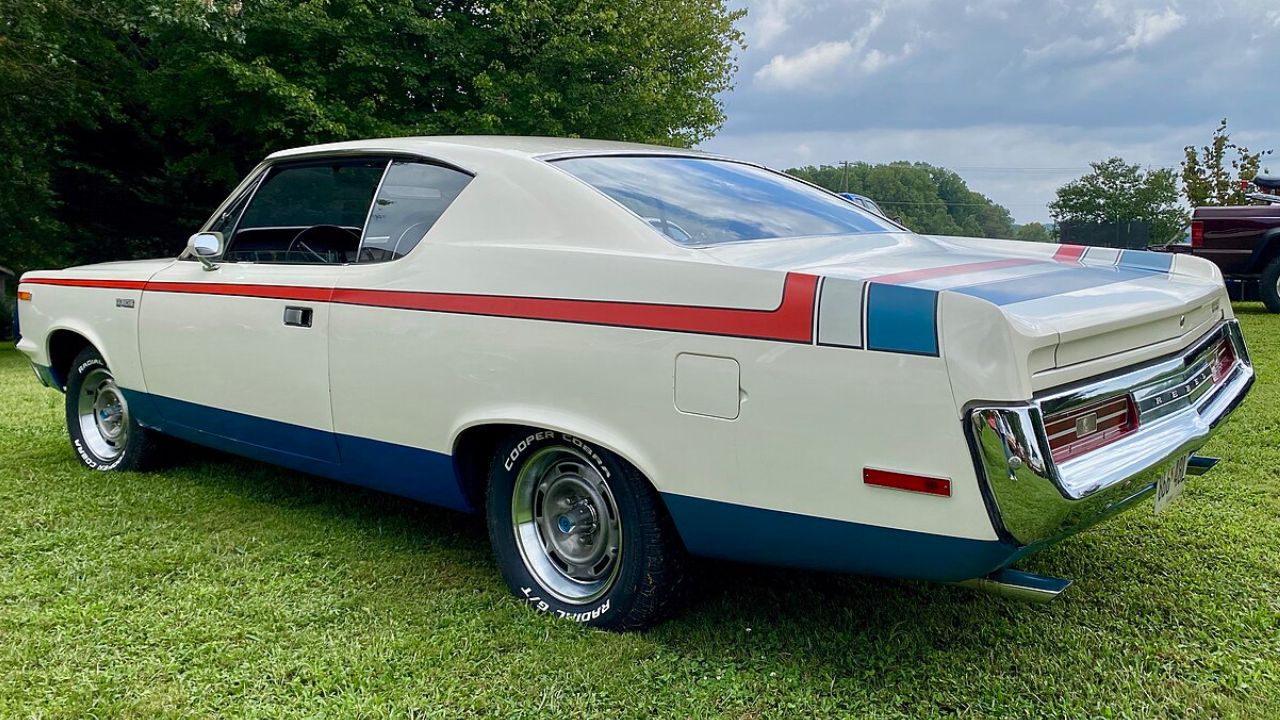
With only around 2,326 Machines built, they weren’t common even in 1970. Add in the usual attrition from hard driving and rust, and finding one today is a real challenge. Especially if you want one with the original drivetrain and paint.
But the scarcity adds to its legacy. The Machine didn’t get a second generation or endless trim packages. It came out swinging, made its point, and vanished. It’s part of what keeps its reputation intact—it never stuck around long enough to get watered down.
Like Fast Lane Only’s content? Be sure to follow us.
Here’s more from us:
*Created with AI assistance and editor review.