Automakers are quietly rewriting the rules of power under the hood, shrinking engines even as vehicles, especially SUVs, keep growing in size and weight. The promise is seductive: the punch of a big motor with the thrift of a small one, all wrapped in a package that keeps regulators and customers happy. I want to unpack why this downsizing wave is happening now, how it actually works, and what it really means for anyone who cares about performance, reliability, and the future of driving.
At first glance, a hulking three-row SUV with a 1.5 liter engine sounds like a bad joke, yet that is exactly where the market is heading. Behind those small displacement badges sit turbochargers, high-pressure fuel systems, and clever electronics that try to square a difficult circle: deliver strong acceleration, cut emissions, and still survive years of real-world abuse. The stakes are high, because if this bet pays off, it reshapes what we expect from engines for a generation.
Why big vehicles are getting small engines
When I look at today’s showroom, the contradiction jumps out immediately: SUVs are getting larger, heavier, and more luxurious, yet the engines bolted into them keep shrinking. The core driver is not fashion, it is regulation. Governments have tightened limits on carbon dioxide and other pollutants, and those rules are written around fleet averages, not individual halo cars. That pushes automakers to pull every efficiency lever they can, and cutting displacement is one of the most powerful tools available. As explained in work on engine downsizing, the basic idea is to replace a larger combustion engine with a smaller one that can match power and torque while burning less fuel under standardized test cycles.
In practice, that means a midsize SUV that once relied on a naturally aspirated V6 now ships with a turbocharged four cylinder, and compact crossovers that used to have 2.0 liter engines are dropping to 1.3 or 1.5 liters. Reporting on modern SUVs notes that this shift is not just about fuel economy on paper, although that matters a lot when regulators are counting grams of CO2 per kilometer. It is also about packaging and weight. Smaller engines free up space in crowded engine bays and can cut mass from the front axle, which helps handling and crash performance. One analysis of large SUVs with downsized engines found that careful calibration and turbocharging delivered roughly a 9.5 percent bump in fuel economy compared with the bigger engines they replaced, a meaningful gain when you are selling hundreds of thousands of vehicles a year.
How downsizing actually works under the hood
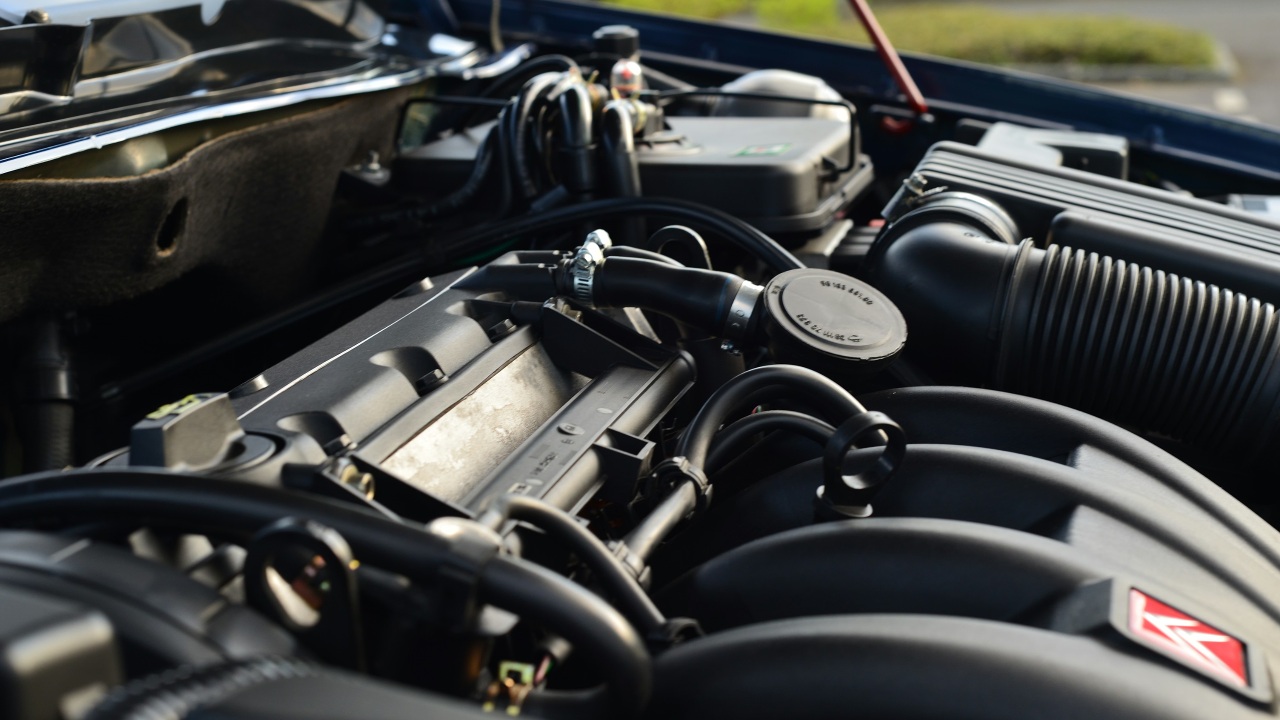
On its own, a smaller engine is not a magic fuel saver. If you simply lop cylinders off a motor and ask it to do the same work, you risk ending up with a sluggish car that drivers hate. The trick, as engineers behind Engine Downsizing strategies point out, is to pair that smaller displacement with technologies that let it breathe and burn fuel more effectively. Turbochargers and, in some cases, superchargers compress the intake air so a small engine can ingest as much oxygen as a larger one, which means it can produce similar power when needed. Direct fuel injection, variable valve timing, and higher compression ratios then help squeeze more work out of each drop of fuel.
From my perspective, the most interesting part is how these engines are tuned to behave in the real world. Under gentle driving, a downsized engine can operate at higher loads where it is more efficient, which is exactly what standardized test cycles reward. When you floor the throttle, the turbocharger wakes up and delivers the performance drivers expect. Technical coverage of balancing performance and efficiency stresses that one of the primary concerns is maintaining acceleration and drivability while shrinking the engine, and that is why boost pressure, intercooling, and sophisticated engine management software have become non negotiable. In other words, the hardware is only half the story, the calibration that decides when to spool the turbo, how much fuel to inject, and how to protect components under high load is what makes these engines feel surprisingly muscular despite their modest size.
The upside: efficiency, emissions and performance gains
When downsizing works as intended, the benefits are real and not just marketing spin. Smaller engines typically have lower internal friction and pumping losses, so they waste less energy simply turning themselves over. Combine that with forced induction and you get a powertrain that can cruise efficiently at low load yet still deliver strong torque when asked. Industry analysis of industry standards and regulations notes that modern turbocharged engines have helped manufacturers hit stricter CO2 targets without abandoning performance, and that is a big reason why even performance oriented models now lean on smaller, boosted engines instead of large naturally aspirated ones.
From the driver’s seat, that can feel like a win. I have driven compact SUVs where a 1.5 liter turbo four delivers more low end shove than the old 2.4 liter engines ever did, and the trip computer still shows better fuel economy on long highway runs. Reporting on big SUVs with smaller engines highlights similar outcomes, with measurable gains in efficiency and no obvious sacrifice in everyday acceleration. The broader overview of modern vehicles makes the same point: when engineers get the balance right, downsized engines can deliver a compelling mix of performance and efficiency that would have been hard to imagine a decade ago.
The downside: fragility, real-world economy and driver frustration
The story gets more complicated once you step outside the lab. A smaller engine that is constantly asked to haul a heavy vehicle can end up working very hard, and that has consequences. Critics of downsizing, including detailed pieces that bluntly ask is a smaller engine necessarily more efficient, point out that real-world fuel economy often falls short of the optimistic figures seen in official tests. When drivers regularly use the full performance of a small turbo engine, the turbocharger is spinning hard, combustion temperatures rise, and the engine may end up burning more fuel than a lazier, larger motor would in the same conditions. That gap between brochure promises and daily experience has fueled a backlash among some owners.
Durability is another sore spot. Reporting on downsized, efficient, but fragile engines warns that the very technologies that unlock big power from small blocks can also introduce new failure points. High specific output means higher pressures and temperatures inside the cylinders, which can stress pistons, valves, and head gaskets. Turbochargers, direct injection systems, and complex emissions hardware add more components that can wear out or fail. Earlier analysis of where downsized engines failed highlights three main complaints from consumers: disappointing real-world fuel savings, concerns about long-term reliability, and poorer NVH (noise, vibration, harshness) compared with smoother, larger engines. When a small three cylinder sounds strained or buzzy in a family car, it can erode the emotional bond that drivers once had with their vehicles.
What this shift means for buyers and the road ahead
For anyone shopping today, the age of equating engine size with status is over. As one overview of engine downsizing pros and cons puts it, gone are the days when performance was measured purely by displacement and cylinder count. I now pay more attention to how an engine delivers its power, how it sounds at highway speeds, and what owners report after several years of use. A well executed 1.5 liter turbo can be a smart, efficient choice in a compact SUV, while a heavily stressed 1.0 liter in a larger vehicle might feel and age very differently. The badge on the tailgate tells only part of the story.
Looking ahead, I see downsizing as a bridge rather than a final destination. The same engineering mindset that gave us small, boosted engines is now being applied to hybrid systems and electric powertrains, where efficiency and packaging are just as critical. Yet combustion engines are not disappearing overnight, and the lessons from the current downsizing era will shape how long they remain viable. Technical work on balancing performance and efficiency makes clear that the challenge is ongoing, not solved. For buyers, that means asking sharper questions: How does this engine behave in the real world, what is its track record for reliability, and does the promised efficiency hold up once the honeymoon period is over? The engines may be smaller, but the decisions around them have never mattered more.