Modern performance cars no longer need wild wings or neon paint to embarrass a supercar at the lights. Some of the quickest machines on sale today hide behind wagon bodies, conservative sedans, or compact SUVs that blend into school runs and office parks. These are the modern sleeper supercars, vehicles that look like everyday transport but accelerate with a ferocity that used to be reserved for exotic badges.
At their core, sleepers are about subverting expectations, not just chasing lap times. They deliver the shock factor of a “how is that thing so fast?” moment, while still offering the practicality and comfort of a normal car. I am looking at how that philosophy plays out in current metal, from electric crossovers to discreet German estates, and why the quiet ones are often the cars to watch.
The sleeper philosophy in the age of everyday supercar speed
The appeal of a sleeper starts with contrast: ordinary styling wrapped around extraordinary performance. One detailed look at the “sleeper philosophy” describes how traditional supercars shout about power with sharp creases, loud exhausts, and ostentatious styling, while true sleepers hide “astonishing power beneath a cloak of ordinariness.” That idea, summed up with the phrase Unlike the flashy curves of supercars, is what separates a genuinely stealthy car from a merely fast one. The bodywork should look like it belongs in a supermarket car park, not on a concours lawn, even if the drivetrain could keep pace with far more exotic machinery.
That understated approach is increasingly relevant as performance figures creep into supercar territory across the market. Lists of Brands That Consistently Build The Best Sleeper Cars now include family wagons and practical sedans that deliver “supercar-caliber shove” while still offering space for kids and luggage. The key is not just raw speed but the mismatch between what the car looks like it can do and what it actually does when the driver floors the throttle. That mismatch is what turns a quick family hauler into a modern sleeper supercar.
Electric shock: Volvo EX30 and the rise of the stealth EV
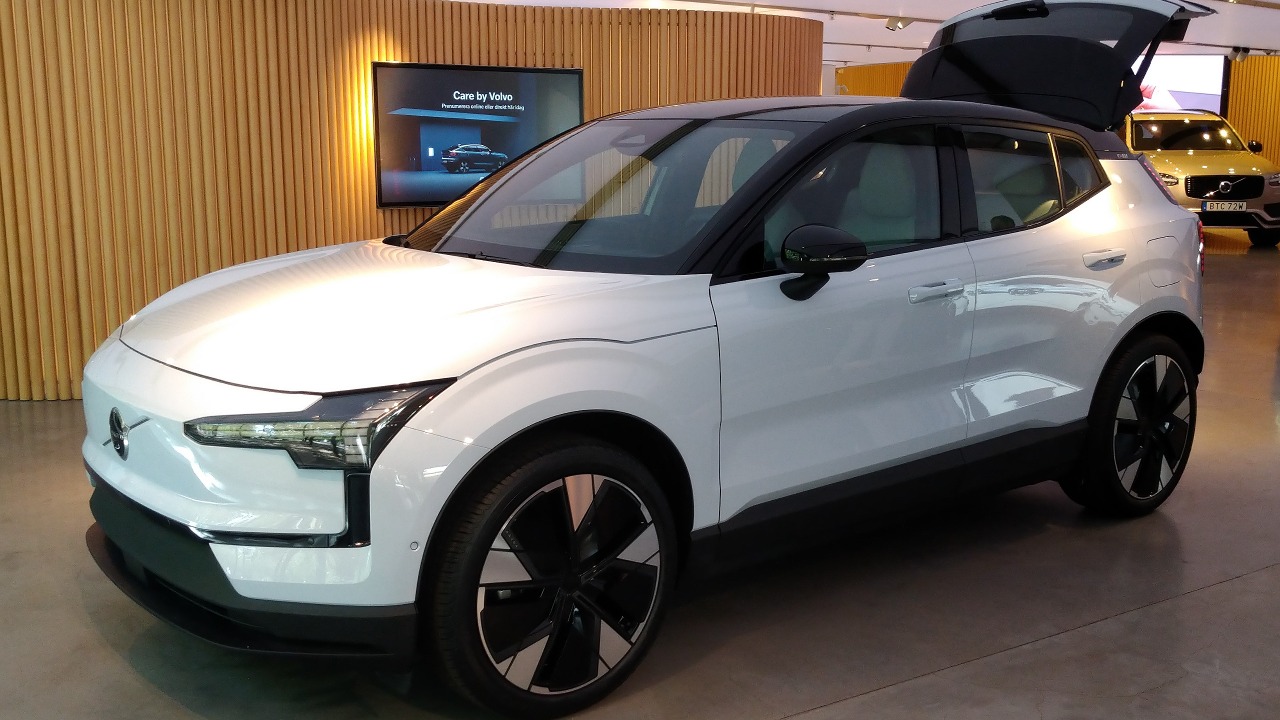
Electric power has quietly become one of the most effective tools for building a sleeper, and Volvo is a prime example. Reporting on the 2025 Volvo EX30 Twin-Motor Performance describes it as a compact electric SUV that out-accelerates every other road car the brand has built, while still looking like a tidy urban crossover. One analysis of the fastest sleepers in 2025 identifies the Volvo EX30 Twin-Motor Performance SUV as the quickest sleeper of the year, highlighting how its unassuming footprint hides serious pace.
Volvo itself leans into that contrast. A promotional breakdown of the car calls it “Performance, thoughtfully designed” and notes that Performance, The Volvo EX30 Twin Motor Performance is the fastest-accelerating production car the company has ever built, reaching 0 to 100 km/h in just 3.6 seconds. Another report underlines the same point, describing a Video of the £35 k EX30 as proof that this relatively affordable crossover is the quickest-accelerating production Volvo ever. When a compact SUV with a family-friendly badge can match or beat the sprint times of traditional exotics, the sleeper game has clearly moved into the electric era.
Wagons and sedans that hunt supercars
Long before electric crossovers started surprising supercars, discreet wagons and sedans were already doing the job. Enthusiast rundowns of Brands That Consistently Build The Best Sleeper Cars highlight the Audi RS6 Avant Via Audi as a benchmark: a big estate with room for a dog and a week’s worth of luggage that can still deliver brutal acceleration. The same reporting points to the Volvo 850 R Via Volvo, a boxy wagon from an earlier era that helped establish the idea that a practical family car could also be a serious performance machine, with “850” now shorthand among fans for that unlikely mix of speed and utility.
Modern lists of Fast Cars That Look Slow show how that template has evolved. They include the Mercedes E63 AMG S Wagon, a car that looks like a well-optioned executive hauler but hides a hand-built AMG engine and track-ready hardware. The wagon body and subdued paint options keep it under the radar, yet its performance figures sit squarely in supercar territory. When a car like this can carry bikes, kids, and a week’s groceries while still humiliating sports cars on a highway on-ramp, it fits perfectly into the modern sleeper supercar category.
Quiet assassins: sleeper sedans and the Porsche 911 benchmark
Sedans might be the purest expression of the sleeper idea, because they are so common that even a very fast one can disappear into traffic. A detailed look at the best sleeper four-doors singles out the 2025 Mercedes-Benz E450, noting that its Mercedes Benz Specs Price Engine DOHC include a 3.0 liter turbocharged and direct-injected DOHC 24 valve inline six paired with hybrid assistance. With a listed Price of $72,000, it is not cheap, but it is positioned as a refined executive sedan rather than a full-bore AMG model, which makes its real-world pace more surprising. The styling is conservative, yet the drivetrain and chassis tuning give it the kind of effortless surge that used to be the preserve of dedicated performance models.
Other sedans are judged against a more explicit performance yardstick: the Porsche 911. One comparison of Sleeper Cars That Can Give The Porsche Porsche 911 A Run For Its Money points out that the base 911 can hit 60 m in just 3.9 seconds, and then identifies unassuming four-doors that can match or threaten that figure. The point is not that these sedans are track weapons, but that they can deliver 911-level acceleration while looking like company cars or family transport. When a car that blends into the office parking lot can legitimately give a Porsche a Run For Its Money in a straight line, it earns its place in any discussion of modern sleeper supercars.
American sleepers: from rental-spec to drag-strip quick
On the American side of the market, the sleeper story often starts with cars that look like rentals or fleet specials but hide serious hardware. A short video rundown of Not all fast cars look fast American sleepers highlights modern domestic models that could pass for airport hire cars or basic family sedans, yet are capable of startling acceleration. The visual joke is part of the appeal: these cars wear plain colors, modest wheels, and minimal badging, so no one expects them to launch like a drag car when the light turns green.
Even when the styling hints at performance, the full story is often hidden. A separate video on the Top 5 Sleeper Cars That Look Boring But Are Fast notes that you have probably parked next to one of these in a grocery store lot without realizing it could destroy a Lamborghini off the line. That comparison to a Lamborghini is not about lap times or top speed, but about the savage initial hit of torque that some of these American sleepers can deliver. They may look like commuter cars, but in a straight-line sprint they can embarrass far more expensive and dramatic machinery.
Global reach: Australian and used-market sleepers
The sleeper phenomenon is not confined to Europe and the United States. In Australia, buyers are just as interested in cars that can blend into traffic while hiding serious power. A guide to the 5 best sleeper cars in Australia frames the question in a world where flashy supercars dominate the spotlight, asking which vehicles can surprise everyone with their performance. The answer is a mix of locally popular sedans and hatches that offer strong power outputs while blending seamlessly into everyday traffic, a reminder that the desire for discreet speed is universal.
The used market has its own cult favorites, particularly among enthusiasts who want performance without drawing attention. The Chevrolet SS is a prime example. An analysis of its reliability notes that Jul While Chevrolet SS has an exterior design that may be understated, but pairs that with an incredibly balanced chassis and abundant standard power. That combination, along with its rarity, cements the SS status as a sleeper car. It looks like a large, anonymous sedan, yet it drives like a serious performance machine, which is exactly what buyers in this niche are seeking.
Across continents and powertrains, the pattern is clear. Whether it is a compact electric SUV that quietly becomes the quickest car its maker has ever built, a wagon that can haul both furniture and lap times, or a used sedan that hides a performance chassis under a conservative shell, the modern sleeper supercar is defined by understatement. The styling stays quiet, the performance does not, and for drivers who prefer to surprise rather than shout, that is the whole point.