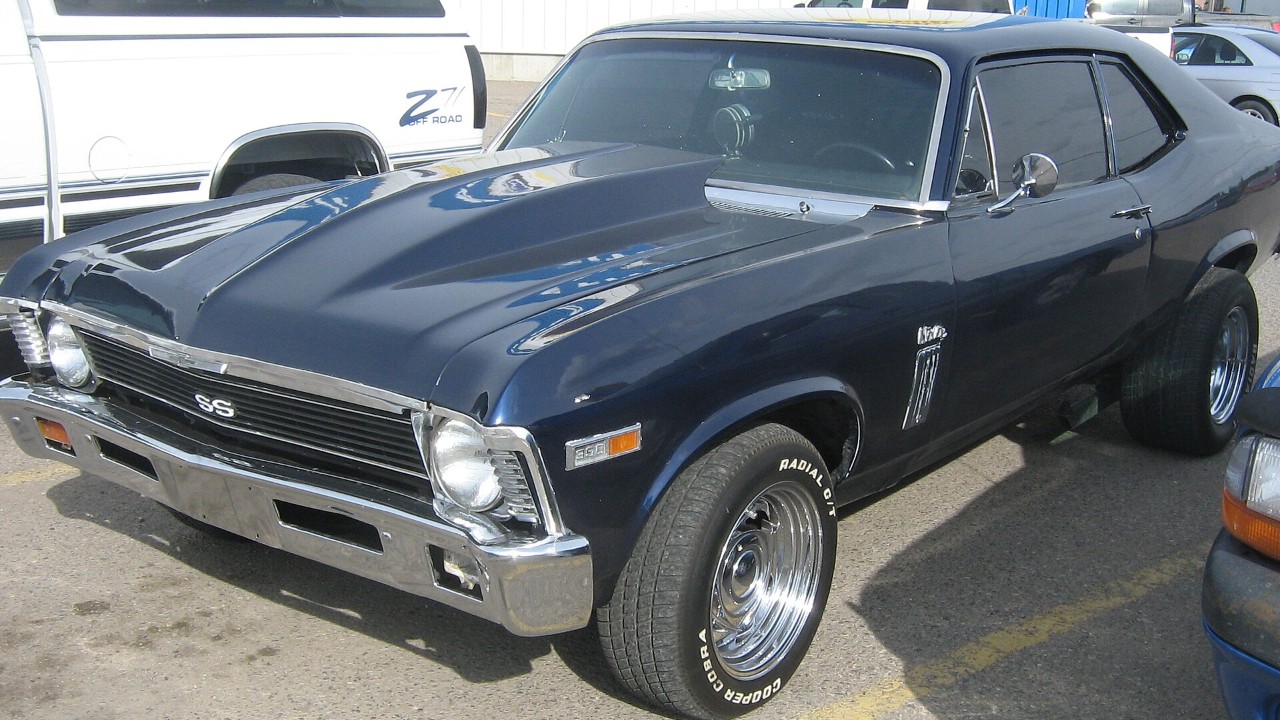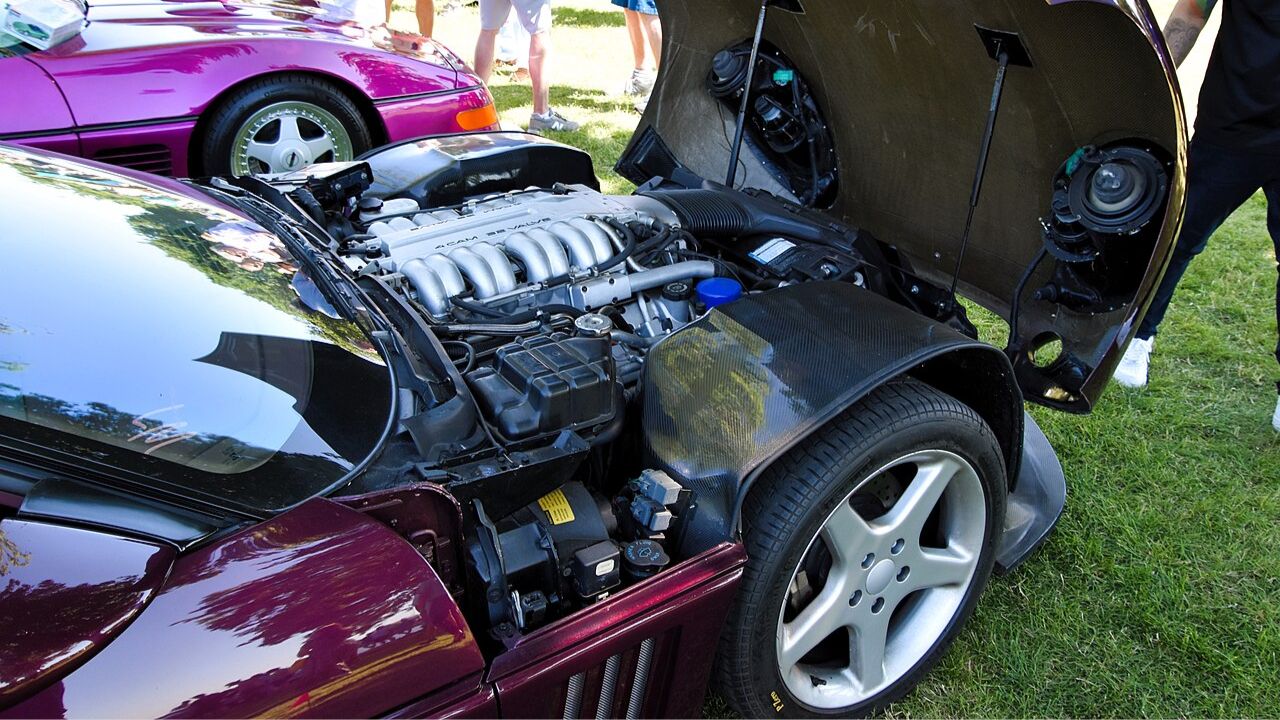
V8 engines have a storied history and a passionate following among automotive enthusiasts. Their unique blend of power, performance, and cultural significance contributes to their enduring appeal, attracting dedicated owners who appreciate both their engineering and nostalgia.
The Power of Performance
V8 engines are renowned for their impressive horsepower and torque, attributes that make them the backbone of many performance vehicles. The sheer power these engines deliver translates to exhilarating acceleration, whether on a racetrack or a winding mountain road. For instance, the Chevrolet Camaro ZL1, equipped with a supercharged 6.2-liter V8, boasts a staggering 650 horsepower, allowing it to reach 0-60 mph in just 3.5 seconds. This kind of performance is a significant draw for enthusiasts who crave speed and agility behind the wheel.
The smooth power delivery of V8 engines enhances the driving experience, providing not just speed but also a sense of control and stability. This performance can be further amplified by modifications and tuning. Many owners find joy in personalizing their engines, whether through changes to the exhaust system, intake, or even forced induction setups. The potential for performance upgrades ensures that the V8 engine remains a favorite among those looking to push the limits of their vehicles.
Historical Significance
The V8 engine has a rich history that is deeply intertwined with the evolution of the American automotive industry. Its rise to prominence in the mid-20th century marked a transformative period in car culture, characterized by a shift toward performance-oriented vehicles. Iconic models like the Ford Mustang, introduced in 1964, and the Chevrolet Corvette, which debuted in 1953, played pivotal roles in popularizing the V8 engine. These cars not only showcased the engine’s capabilities but also became symbols of freedom and rebellion during a time of significant social change in the United States.
For many enthusiasts, vintage V8s represent a connection to a bygone era of American automotive design and craftsmanship. Classic models like the 1970 Dodge Challenger or the 1969 Pontiac GTO are not just cars; they embody a sense of nostalgia for a simpler time when muscle cars ruled the roads. The craftsmanship in these vehicles, from the intricate bodywork to the powerful engines, reflects a dedication to engineering that resonates with collectors and enthusiasts alike.
Sound and Character
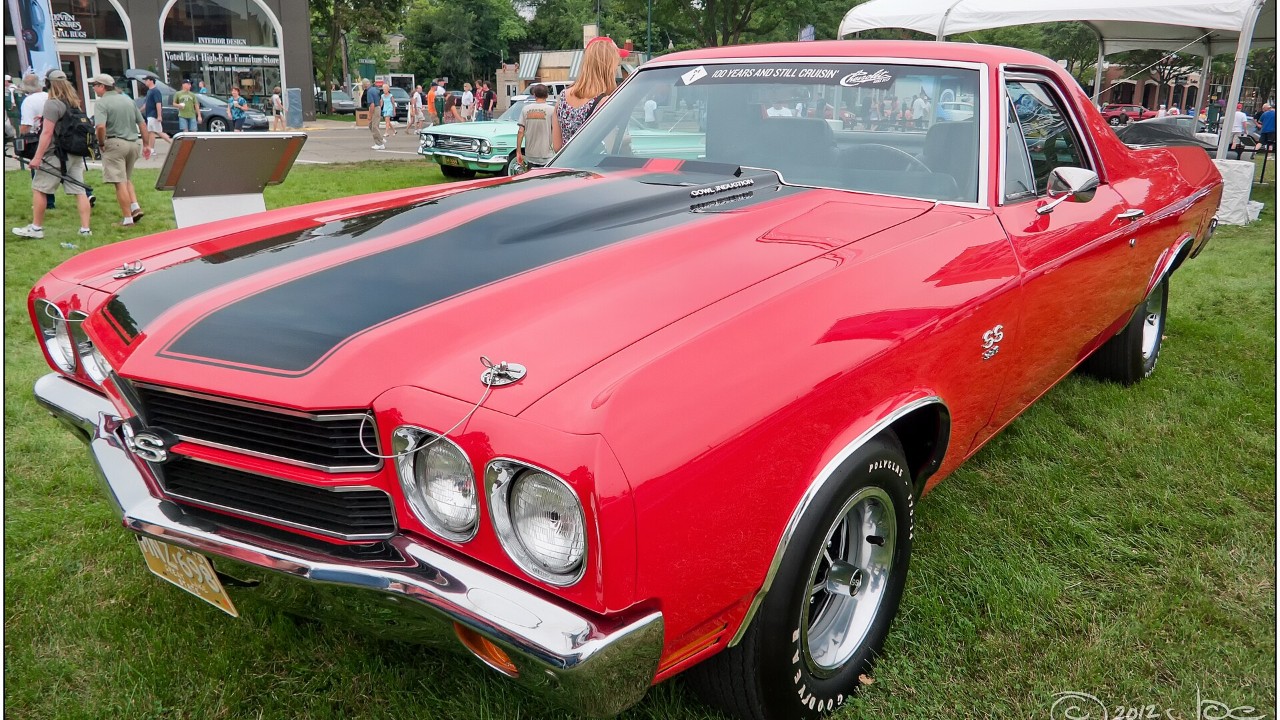
One of the defining characteristics of V8 engines is their unmistakable sound. The distinctive rumble and roar create an auditory experience that many enthusiasts cherish. A well-tuned V8 can produce a symphony of exhaust notes that evoke excitement and admiration from onlookers. For example, the throaty growl of a 1970 Chevrolet Chevelle SS with its dual exhaust system is a sound that car aficionados will recognize and appreciate.
Moreover, the sound of a V8 engine can be customized through various exhaust modifications, allowing owners to enhance the auditory experience to their liking. This has led to a vibrant culture surrounding car shows and gatherings, where the roar of V8s fills the air, creating a communal atmosphere of shared passion. The emotional connection to the engine’s sound often evokes nostalgia and pride among owners, reinforcing their bond with their vehicles.
Community and Culture
The V8 engine has fostered a dynamic community of enthusiasts who share a mutual appreciation for these powerful machines. Car clubs dedicated to specific V8 models or brands create opportunities for members to connect, share knowledge, and showcase their vehicles. Events such as the annual Muscle Car and Corvette Nationals in Rosemont, Illinois, draw enthusiasts from across the country, celebrating the heritage and performance of V8-powered vehicles.
Online platforms also play a crucial role in building the V8 community. Forums like Reddit allow owners to discuss modifications, troubleshoot issues, and share their latest projects. Social media groups on platforms like Facebook provide a space for enthusiasts to connect and engage with one another, fostering a sense of belonging that transcends geographical boundaries. The camaraderie among V8 owners is palpable, as they bond over shared experiences and a mutual love for these powerful engines.
Nostalgia and Personal Attachment
For many V8 owners, their vehicles carry significant personal stories that go beyond mere transportation. Often, these cars are passed down through generations, creating a rich tapestry of memories tied to family road trips or milestones. The emotional connection to a family car, such as a 1965 Ford Mustang that was the first car driven by a parent, can influence long-term ownership and restoration efforts.
Restoration projects provide an opportunity for owners to bond with their past while creating a unique, personalized vehicle. Whether it’s a full frame-off restoration or a simple paint job, the process often becomes a labor of love. Enthusiasts enjoy the challenge of bringing a classic V8 back to life, preserving its history while infusing it with their personality. This personal attachment not only fuels the passion for these engines but also ensures that the legacy of V8s continues into the future.
Engineering Excellence
The design and engineering of V8 engines often reflect advanced technology and craftsmanship. Over the years, manufacturers have developed innovations that enhance performance, fuel efficiency, and emissions control. For example, the latest iterations of the Ford 5.0-liter Coyote V8 feature technologies like dual independent variable cam timing (VCT), improving both power and efficiency. This blend of performance and environmental responsibility resonates well with modern drivers.
Enthusiasts appreciate the mechanical complexity and ingenuity involved in building and maintaining V8 engines. From the intricate valve train systems to the robust block designs, every component is a testament to engineering excellence. Resources like the Society of Automotive Engineers (SAE) provide insights into the latest advancements and research in V8 engine technology, helping enthusiasts stay informed on the evolution of their beloved engines. The appreciation for this engineering marvel ensures that V8s remain a focal point in automotive discussions and innovations.
Investment Potential
Certain classic V8 models have emerged as sought-after investment opportunities, appreciating significantly in value over time. Limited production runs and iconic status contribute to the desirability of models like the 1969 Chevrolet Camaro or the 1970 Plymouth Barracuda. As collectors seek to acquire these vehicles, the market continues to evolve, with prices often reflecting the rarity and condition of the cars.
Many owners view their V8 vehicles as more than just machines; they see them as collectible assets. This perspective motivates them to invest time and resources in restoration and preservation. Whether it’s a fully restored classic or a well-maintained original, the investment potential of V8s adds another layer of appeal to ownership. As the automotive landscape shifts, the value of these classic engines remains a constant consideration for enthusiasts and investors alike.
The Future of V8 Engines
Despite the growing popularity of electric vehicles, many manufacturers continue to invest in V8 technology. Recent announcements from companies like General Motors indicate a commitment to developing new V8 engines, with a focus on hybridization to meet modern efficiency standards. For instance, the 2020 Chevrolet Silverado introduced a 6.2-liter V8 engine with dynamic fuel management, allowing it to operate on as few as one cylinder under light loads, optimizing fuel efficiency without sacrificing performance.
Enthusiasts are curious about how V8 engines will evolve in the context of changing automotive trends and regulations. The emergence of hybrid V8 models combines traditional power with modern efficiency, appealing to a new generation of drivers. As we move toward a more sustainable future, the iconic V8 engine is likely to adapt and find new ways to coexist with electric powertrains, ensuring that its legacy endures well into the future.
More from Fast Lane Only