Rally rules once forced carmakers to sell road versions of their competition cars, often by the hundreds. That’s how a Fiat 131 Abarth, a mid-engined Renault 5 and a turbocharged Citroën BX ended up in ordinary showrooms. Decades later, those street cars draw a crowd wherever they park.
These seven are our picks, and the verdicts are our opinion. We left out the Group B headliners everyone already knows and focused on the cars that won titles, or tried to. Every figure comes from auction records, owners’ clubs, the FIA’s homologation records and manufacturer histories.
1. 1976 Fiat 131 Abarth Rally
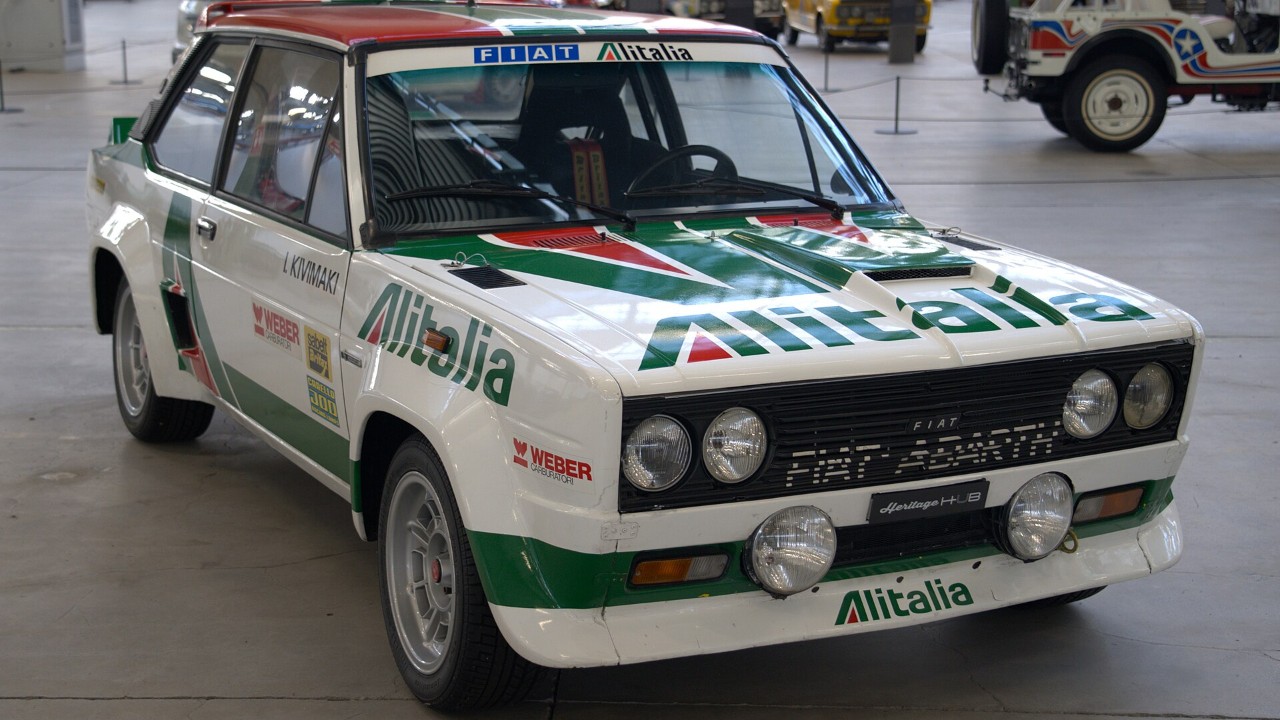
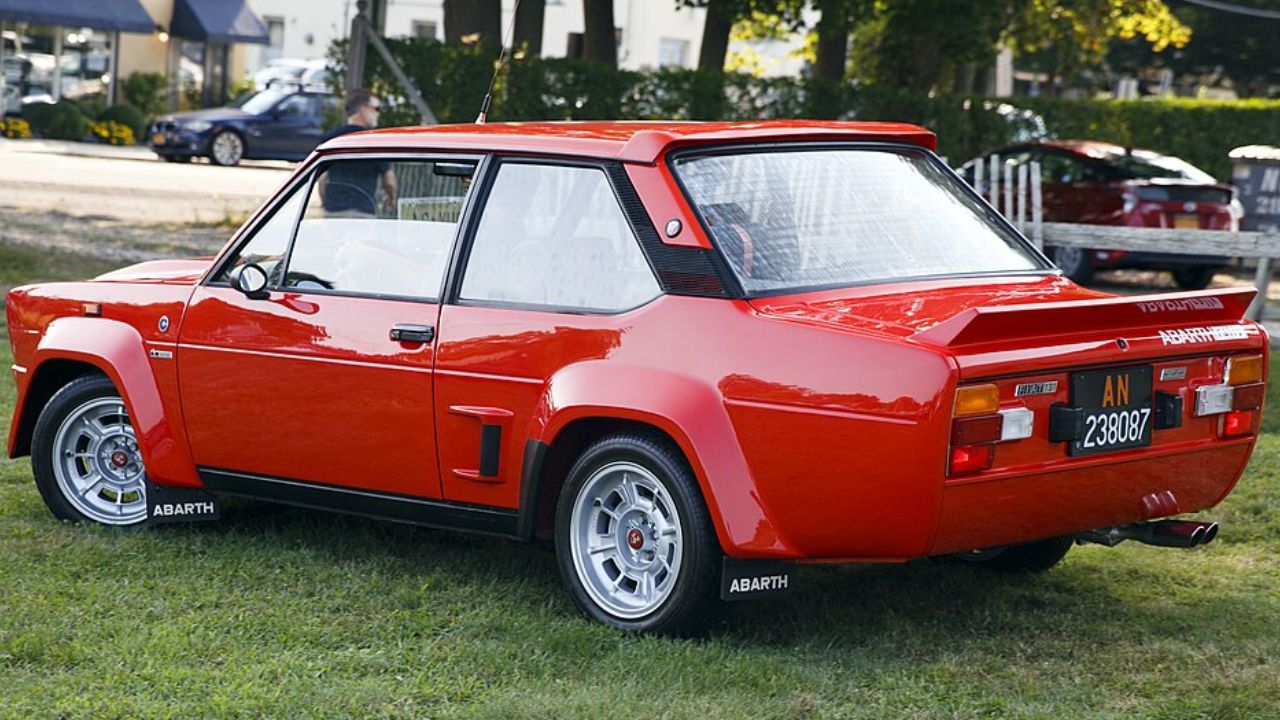
Fiat’s family sedan needed a lot of help to win rallies. So Abarth and Bertone reworked it with a fiberglass hood, aluminum doors and flared arches. In addition, under the hood went a 2.0-liter twin-cam four with a 16-valve alloy head and a claimed 140 horsepower.
According to RM Sotheby’s, Fiat built 400 road-going Stradale cars to meet Group 4 rules. Fiat also swapped the rigid rear axle for independent MacPherson struts. The rally cars then won world makes’ titles in 1977, 1978 and 1980. Today, values are high: one Stradale sold at RM’s Open Roads sale in June 2021 for CHF 170,500. In our view, few boxy sedans look as purposeful as a Fiat 131 Abarth.
2. 1979 Opel Ascona 400
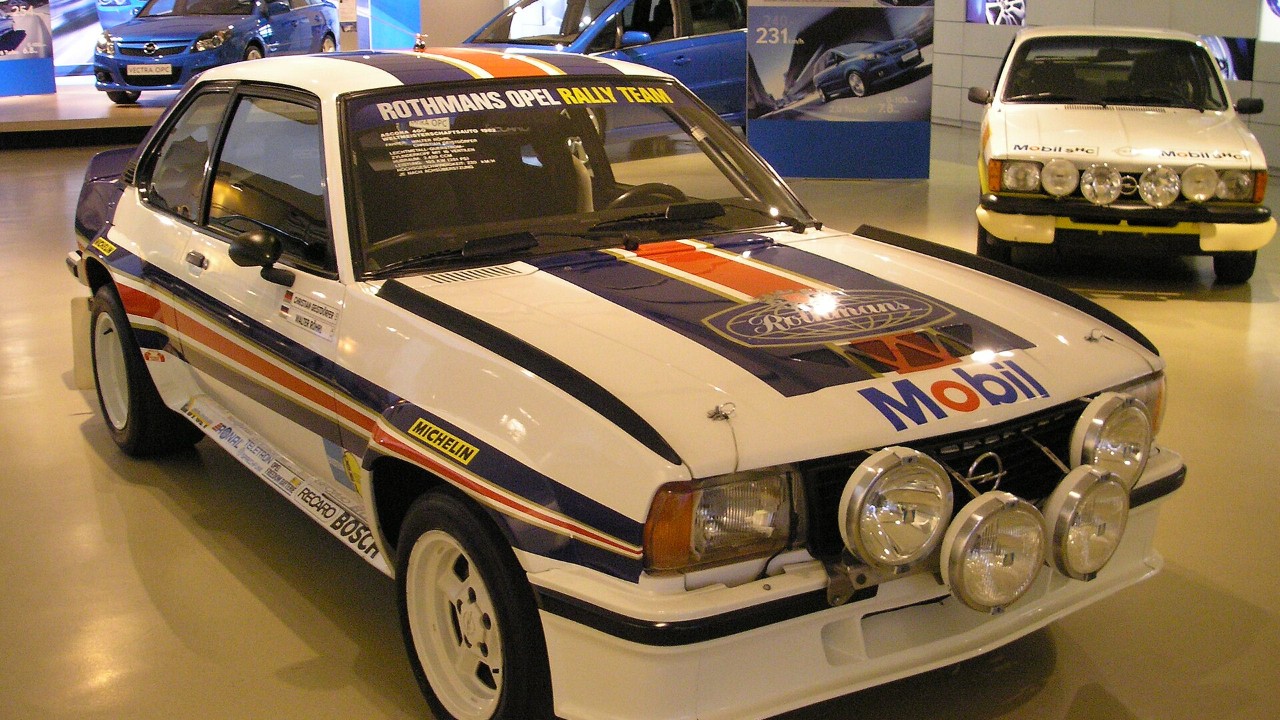
At first glance it’s a family Opel, but the Ascona 400 used a 2.4-liter four with a 16-valve head designed by Cosworth. Meanwhile, Irmscher produced the widened bodywork and spoilers for both road and rally cars. The FIA’s historic homologation database lists the Ascona 400 in Group 4 from November 2, 1979.
Petrolicious reports that Opel had to build 400 two-door road cars. Unlike the rally cars, those used Bosch L-Jetronic injection and made 144 horsepower. Later, Walter Röhrl won the 1982 drivers’ championship in an Ascona 400, including the Monte Carlo Rally. Our take: a road car with the Irmscher arches turns heads because it looks like it just left a stage.
3. 1979 Talbot Sunbeam Lotus
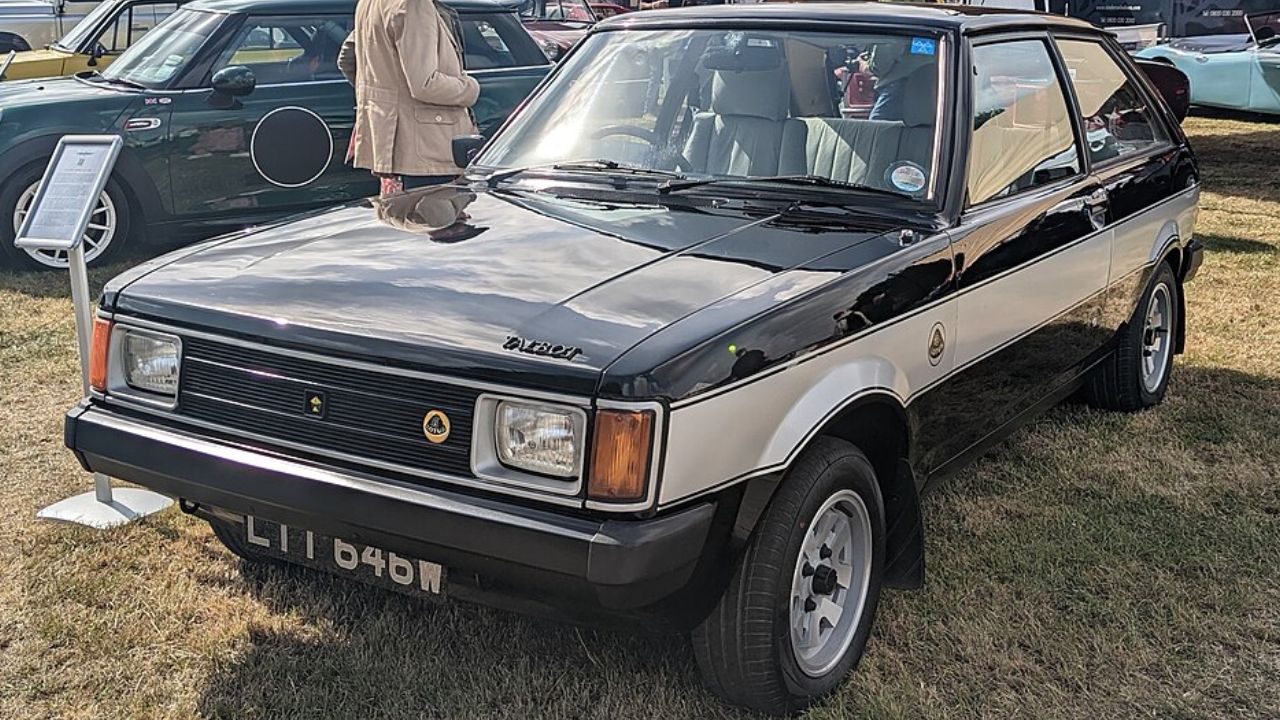
The Sunbeam Lotus began as an ordinary Sunbeam hatchback. Then Lotus supplied its Type 911 engine, a 2,172 cc twin-cam four with 16 valves and twin Dellorto carburetors. Meanwhile, a five-speed ZF gearbox handled the power.
The Avenger and Sunbeam Owners Club gives 155 bhp for the road version. Rolling chassis came from Linwood, near Glasgow, and Lotus fitted the drivetrains in Norfolk. Talbot claims 2,308 cars in all, well past the 400 the rules required. The car won the 1981 world championship for Talbot. In our view, it’s the most underrated hot hatch Britain ever built.
4. 1980 Renault 5 Turbo

Renault took its small hatchback and moved the engine behind the front seats. As evo explains, the first prototype ran on March 9, 1978, near Dieppe. Production began at the Alpine factory in May 1980, and Renault built 400 for Group 4 homologation.
The 1,397 cc turbo four made 160 hp, according to a collector’s history of the early cars. In fact, three sites shared the work: Flins for the shell, Heuliez for adaptation, and Alpine in Dieppe for paint and assembly. As a quirk, blue cars got a mostly red cabin, while red ones got blue. The rally car won the 1981 Monte Carlo Rally. We think its wide rear haunches still stop people in their tracks.
5. 1986 Citroën BX 4TC
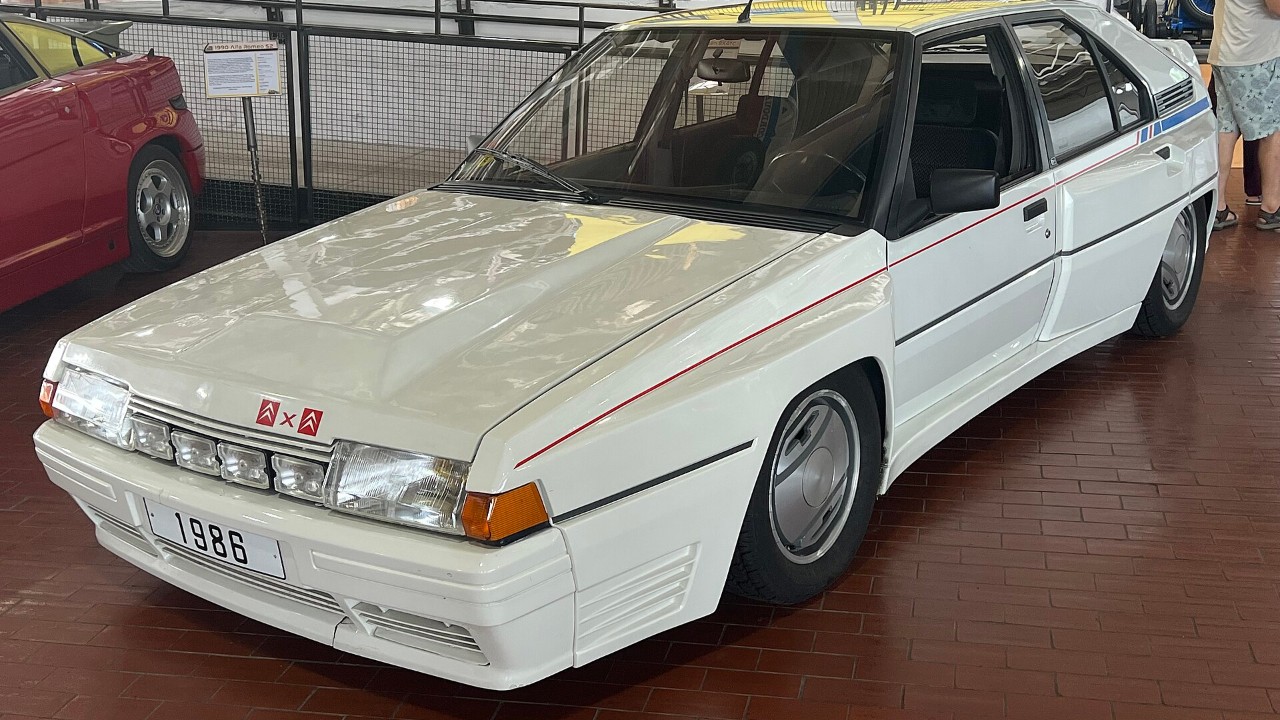
Citroën’s Group B entry was a BX family car with four-wheel drive and a turbo engine. Heuliez developed and built the 200 road cars required for homologation. In stock form, however, those made 200 bhp and reached 62 mph in 7.1 seconds.
Sales went badly, as Car Throttle reports. By 1988 Citroën had sold only 86, and it tried to buy those back. Car Throttle estimates that about 40 survive. On the stages, its best WRC result was sixth in Sweden in 1986. Even so, Hagerty notes a BX 4TC rally car sold at Artcurial for €417,200. Our take: it’s the oddest homologation car here, and that’s why it draws a crowd.
6. 1992 Ford Escort RS Cosworth

Ford’s SVO department developed this car on a shortened floorpan. It also used the four-wheel-drive, Cosworth-powered drivetrain of the Sapphire 4×4. The car went on sale in May 1992, and Ford needed 2,500 for homologation by January 1, 1993.
The RS Owners Club rates the 1,993 cc YBT engine at 227 bhp, with a Garrett T3/T04 turbo. Above all, that huge double “whale tail” spoiler defined the look. Later cars used a smaller turbo. The Escort won five World Championship rounds in its first season. We’d argue no 1990s rally car has a more recognizable rear end.
7. 1990 Toyota Celica GT-Four ST185
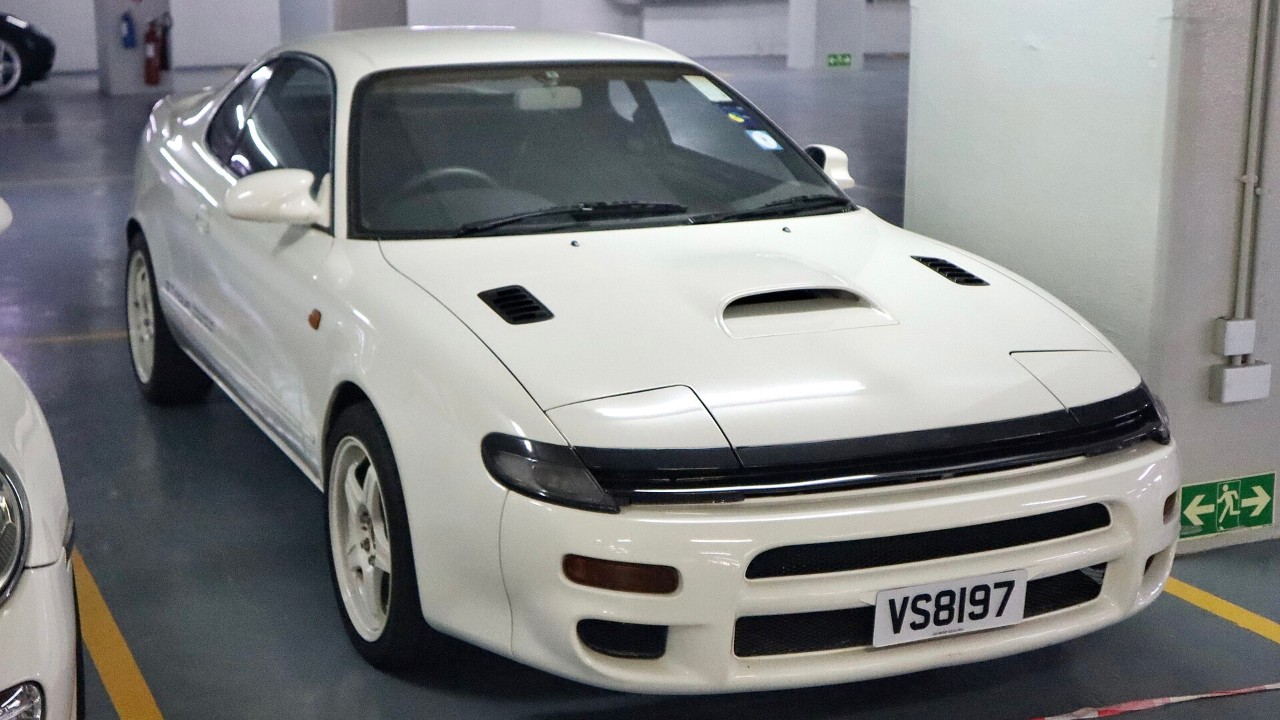
Toyota introduced this Celica coupe in September 1989, with a 1,998 cc 3S-GTE turbo four and four-wheel drive. For Group A, Toyota then built the GT-Four RC. Toyota called the finished car the Carlos Sainz Edition, honoring his 1990 world title.
Toyota’s own history says it made 5,000 GT-Four RC road cars for Europe, Australia and Japan. On the stages, Sainz won the 1992 drivers’ title with four victories. Next, Toyota won its first manufacturers’ title in 1993, while Juha Kankkunen took his fourth drivers’ crown. In our view, its wide, purposeful stance has aged better than most cars from that decade.
More from Fast Lane Only