

Bench seats in classic cars evoke a sense of nostalgia and Americana, representing an era of automotive design focused on spacious interiors and family-friendly features. While modern vehicles have largely transitioned to bucket seating, the story of bench seats offers insights into the priorities and cultural influences of the mid-20th century automotive industry.
The Rise of Bench Seats in American Cars
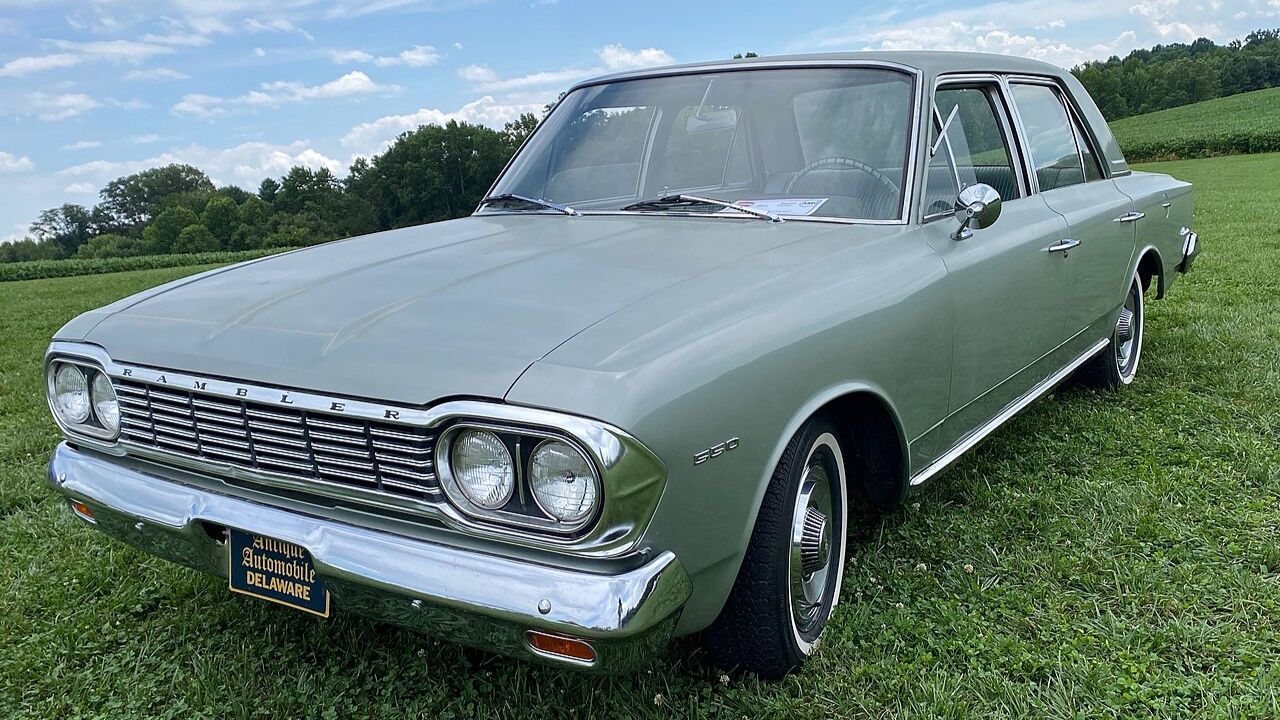
The post-war economic boom in the United States brought about an era of unprecedented prosperity, directly influencing the automotive industry. As families experienced increased disposable income, car manufacturers responded with larger, more luxurious vehicles. This economic environment, coupled with a burgeoning middle class, led to the proliferation of expansive car designs, making the inclusion of bench seats not just feasible but desirable. These seats, which stretched across the entire width of the car, symbolized the spaciousness that consumers were eager to embrace during this optimistic period.
In the 1950s and 60s, American society placed a strong emphasis on family values, which naturally extended to family-friendly vehicles. Bench seats became an ideal choice for accommodating more passengers comfortably, reflecting a cultural shift towards communal and family-oriented activities. The design facilitated easy communication and interaction, allowing families to travel together without the physical separation imposed by bucket seats. Furthermore, the design choices of car manufacturers were influenced by other industries, such as public transportation and furniture design, where long, unbroken seating was common. This cross-industry inspiration helped solidify bench seats as a staple in automotive design during this era.
Design and Functionality: The Practical Benefits
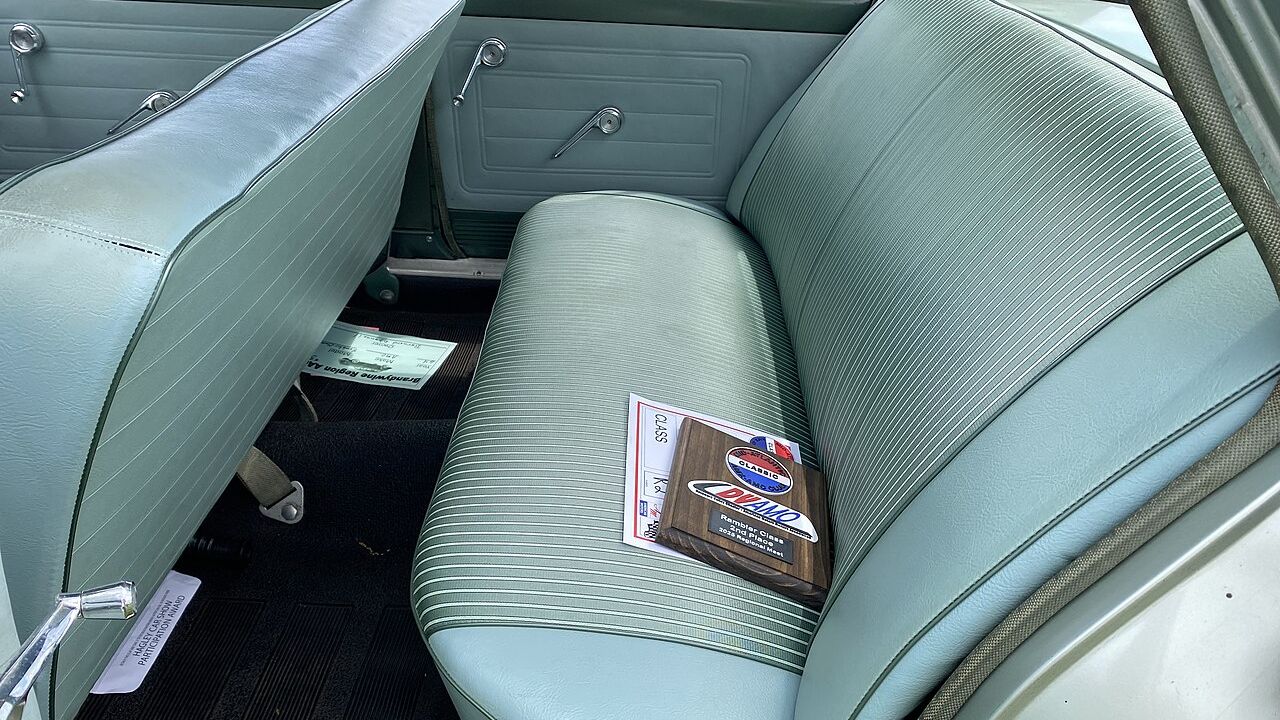
One of the most significant advantages of bench seats was their ability to maximize passenger space. By allowing three passengers to sit in the front row, vehicles could accommodate more people, which was particularly beneficial for families or those who carpooled. This feature enhanced the car’s utility, making it a more versatile option for various social settings. Additionally, the open design of the bench seat allowed for easy sliding in and out, which was particularly advantageous for women wearing skirts or dresses, providing both convenience and modesty.
Bench seats also offered versatility in use, accommodating different driver and passenger configurations. The “three-across” seating arrangement became popular, with the middle passenger often enjoying the shared experience of being close to others. This flexibility extended to the driver’s side as well, where the lack of a center console allowed for more legroom and adjustment options. As a result, bench seats were not only practical but also adaptable to various needs and preferences, making them a favored choice for many car buyers during this period.
Cultural and Social Implications
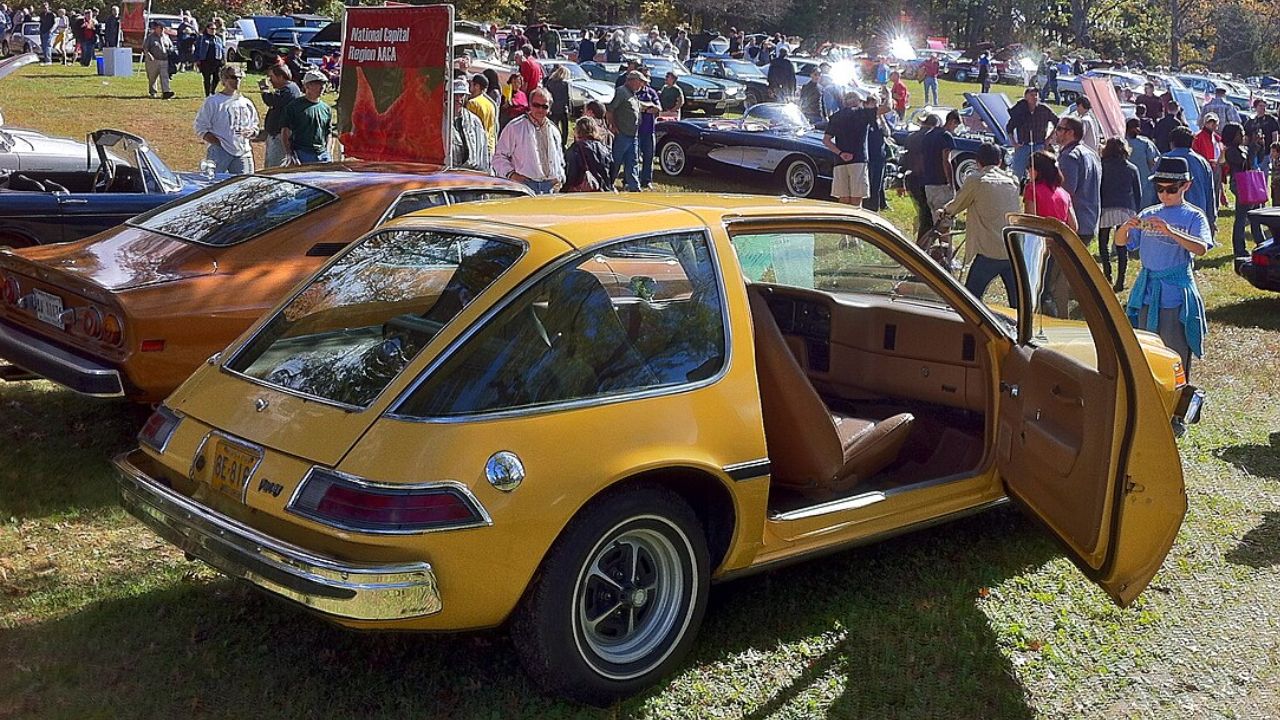
The cultural landscape of mid-20th century America was characterized by a love for drive-in theaters and diners, where socializing in cars became a quintessential experience. Bench seats played a pivotal role in this culture, allowing friends and families to sit close together and enjoy movies or meals without leaving their vehicles. The romantic allure of bench seats also contributed to their popularity, as they became an integral part of American dating culture. Couples could sit side by side, sharing intimate moments while cruising down the highway.
Despite their initial popularity, consumer preferences began to shift as social dynamics evolved. The rise of individualism and changing lifestyles in the 1970s led to a decline in the demand for bench seats. People began to prioritize personal space and ergonomic comfort, which bucket seats provided. This shift reflected broader societal changes, where the focus moved away from communal experiences to individual ones. The decline of bench seats can be seen as a mirror of these changing values, as consumers sought features that aligned with their evolving needs and desires.
The Transition to Bucket Seats
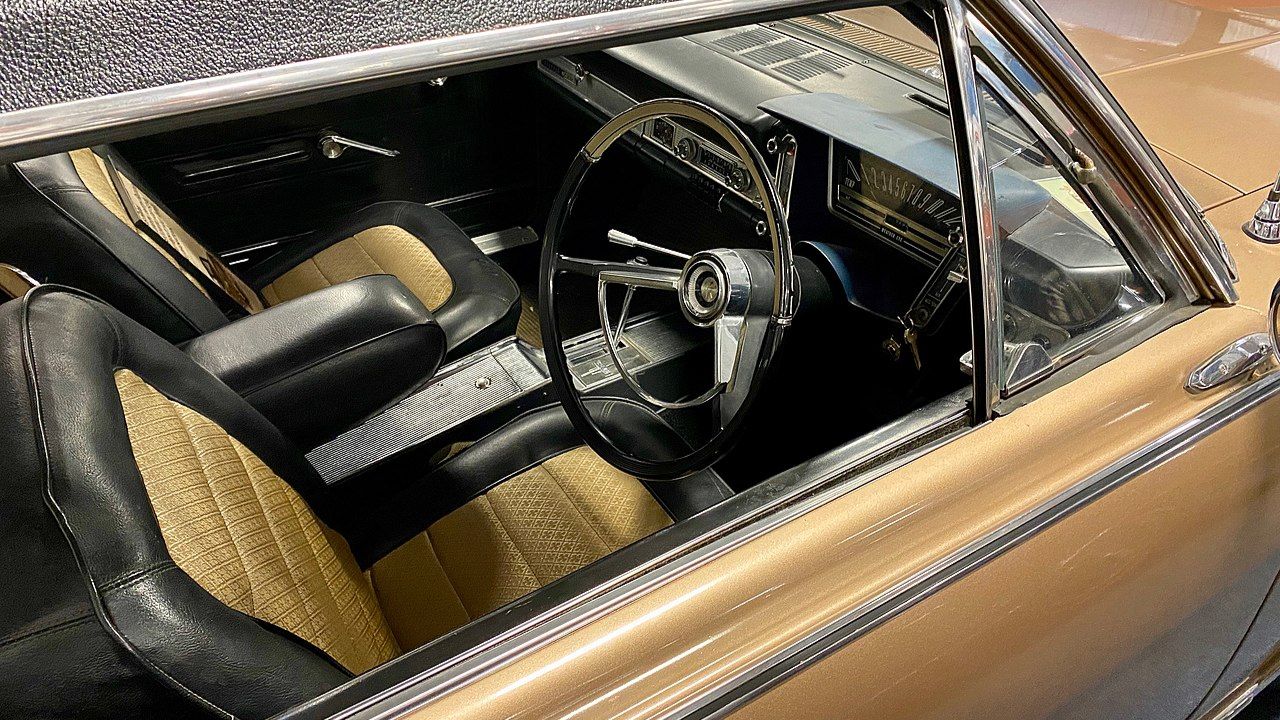
The introduction of seat belts and evolving safety regulations in the 1960s and 70s marked a turning point in automotive design. With new standards prioritizing passenger protection, the need for more secure seating options became apparent. Bucket seats, with their contoured shapes and individual seat belts, offered better safety features, which became a significant selling point. This shift was further supported by the growing awareness of [safety concerns](https://www.theautopian.com/some-people-hated-seatbelts-in-the-1950s-and-they-actually-had-a-good-reason/), prompting manufacturers to adopt designs that prioritized passenger well-being.
The evolution in automotive aesthetics also played a role in the transition from bench to bucket seats. As consumers began to favor sportier and more personalized interiors, car manufacturers responded by incorporating bucket seats into their designs. The influence of European car design, which traditionally favored bucket seating, further accelerated this trend. American manufacturers, eager to capture the sleek and modern appeal of European models, began to integrate these elements into their vehicles. The shift towards bucket seats was not just a reflection of changing tastes but also a response to global design trends and consumer demands.
The Legacy and Modern Resurgence
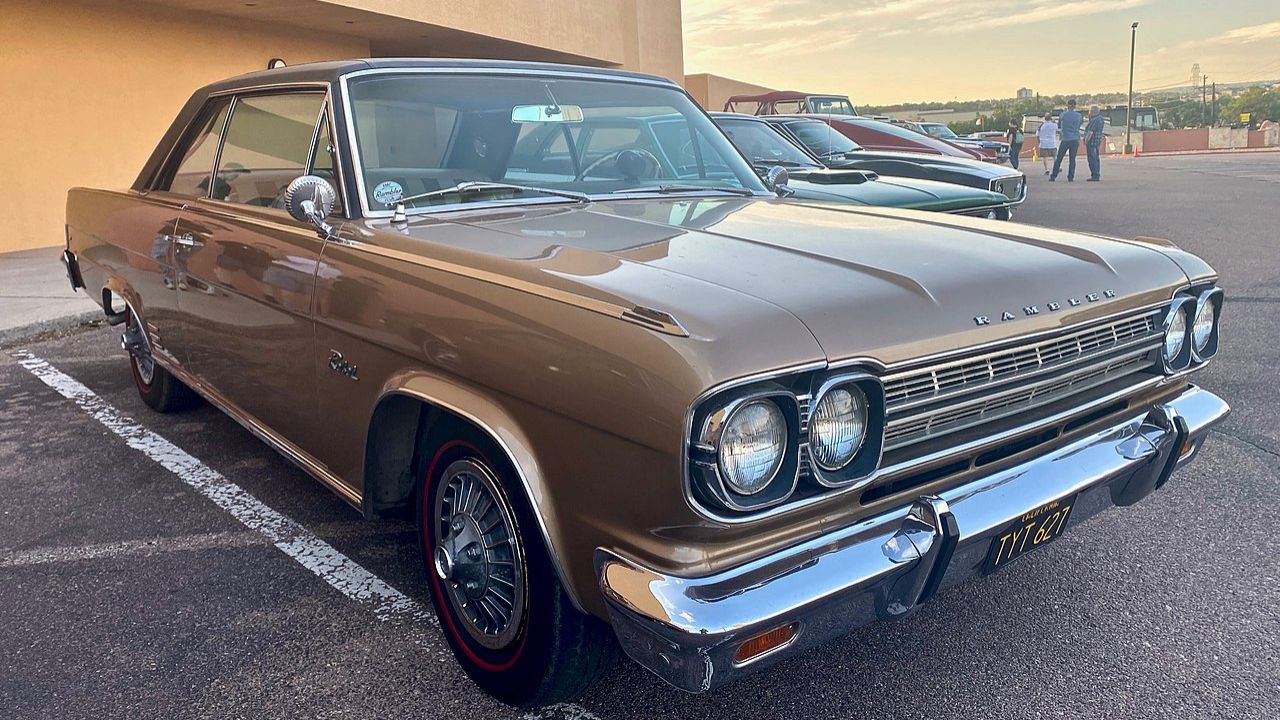
Despite their decline, bench seats have left a lasting legacy in the world of automotive design. In recent years, there has been a resurgence of interest in retro-inspired models, with some manufacturers reintroducing bench seats in special editions. This nostalgia-driven trend speaks to the enduring appeal of classic car features, as enthusiasts seek to recapture the charm and simplicity of a bygone era. The [collector culture](https://www.reddit.com/r/cars/comments/kfrg8s/what_happened_to_front_bench_seats_in_cars/) surrounding classic cars with original bench seating highlights their value as symbols of automotive history.
Looking to the future, the landscape of car seating continues to evolve. With advancements in technology and changing consumer preferences, new trends are likely to emerge. Concepts such as autonomous vehicles and modular interiors could redefine the way we think about car seating, offering unprecedented flexibility and customization. As the industry continues to innovate, the nostalgia for bench seats may inspire future designs, blending the best of classic and modern elements to meet the needs of contemporary drivers.
Like Fast Lane Only’s content? Be sure to follow us.
Here’s more from us:
*Created with AI assistance and editor review.





Leave a Reply