

Classic cars often featured fender-mounted mirrors, a design choice that evokes nostalgia for automobile enthusiasts today. These mirrors, unlike the door-mounted mirrors we are accustomed to now, served practical purposes and reflected the technological and design constraints of the time. Understanding why these mirrors were used provides insight into the evolution of automotive design and safety standards.
The Historical Context of Fender-Mounted Mirrors
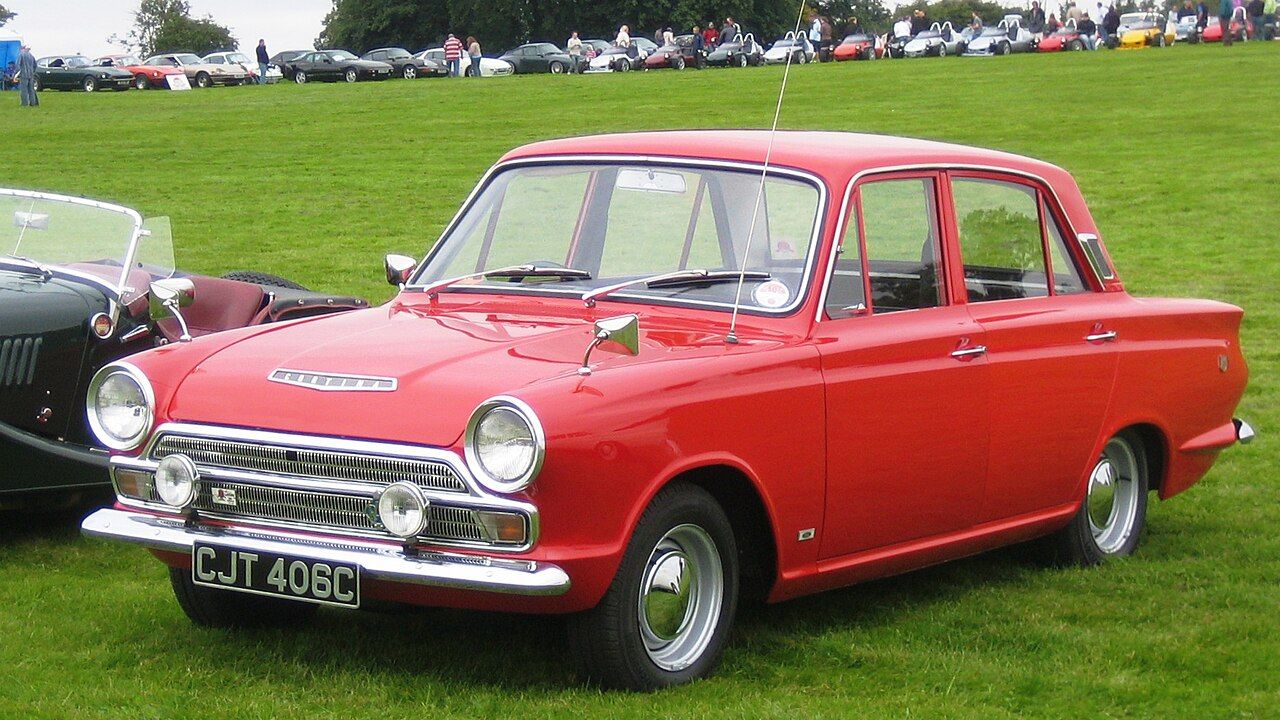
In the early to mid-20th century, automotive design was heavily influenced by the prevailing aesthetic trends of the era. The sleek and flowing lines that characterized vehicles from this period often dictated the placement of various components, including mirrors. Fender-mounted mirrors were not just a functional necessity but also an integral part of the vehicle’s overall styling. They complemented the contours of the car, adding to its aerodynamic appearance and enhancing its visual appeal.
Technological limitations of the time also played a significant role in the adoption of fender-mounted mirrors. Early automotive engineering lacked the advanced materials and manufacturing techniques we have today. This meant that mirrors had to be crafted from available materials that were often heavier and bulkier, making door-mounted options less feasible. Consequently, placing mirrors on the fenders was a practical solution that accommodated the size and weight constraints of the era’s technology.
Practical Advantages of Fender-Mounted Mirrors

One of the key advantages of fender-mounted mirrors was the enhanced field of view they provided, particularly for drivers of larger vehicles. By positioning the mirrors further away from the driver, blind spots could be significantly reduced, allowing for a broader perspective of the road. This was especially beneficial during a time when vehicles like the Cadillac Fleetwood and Lincoln Continental were known for their substantial size.
In addition to visibility, fender-mounted mirrors offered ergonomic benefits. Drivers found these mirrors easier to adjust and view without significantly diverting their attention from the road. The placement also accounted for the historical driving conditions of the time, with less congested roads allowing for more leisurely driving experiences. This positioning supported the driving habits and needs of the era, making them a practical choice for daily use.
Cultural and Aesthetic Considerations
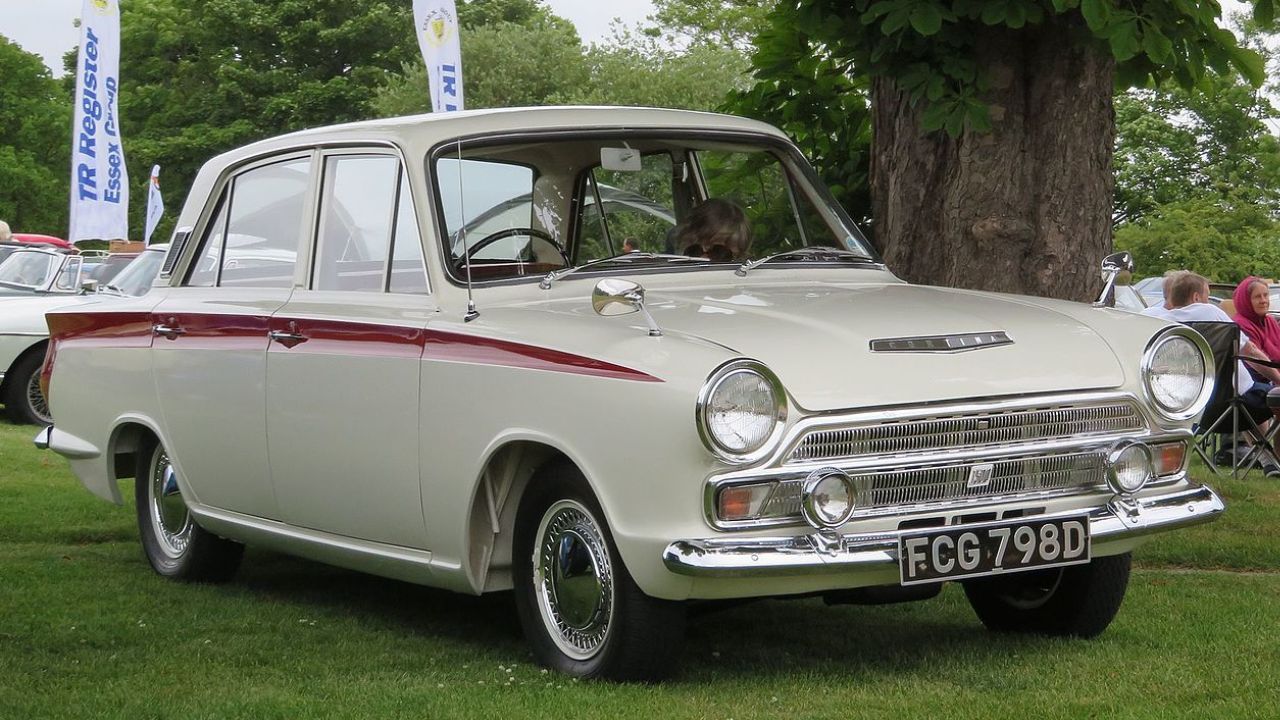
The influence of European car design on American manufacturers was profound during the period when fender-mounted mirrors were popular. European brands such as Jaguar and Mercedes-Benz often set benchmarks for style and sophistication, which American companies aimed to emulate. This transatlantic influence led to the adoption of features like fender-mounted mirrors that were prevalent in European models and carried a certain prestige.
The aesthetic appeal of these mirrors has contributed to the iconic status of classic cars. They are a key element in the vintage allure, evoking a sense of nostalgia and elegance. The popularity of restoring and preserving classic cars such as the 1960s Ford Mustang or the Chevrolet Corvette can be partially attributed to their distinctive features, including the fender-mounted mirrors, which enthusiasts cherish for their historical significance and unique charm.
The Transition to Door-Mounted Mirrors
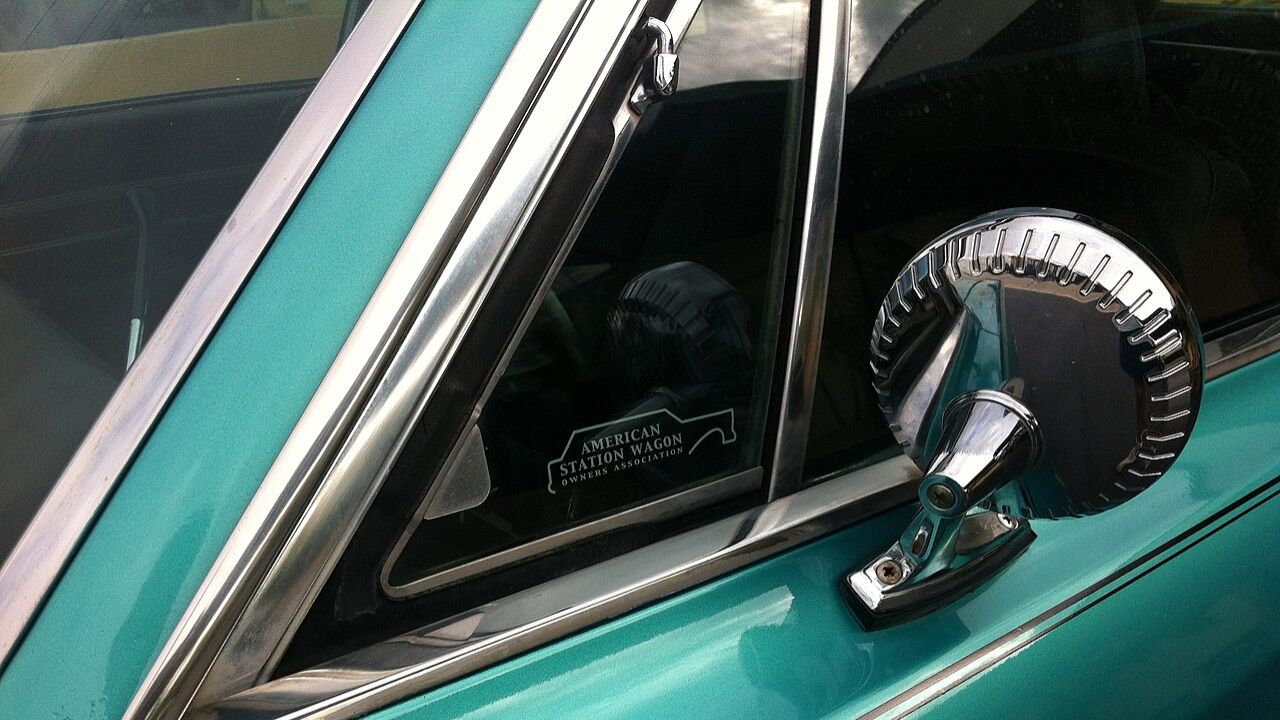
As automotive safety regulations evolved, so too did the design of vehicles, including the placement of mirrors. The introduction of new safety guidelines in the 1970s and 1980s mandated that mirrors be more accessible and effective in reducing blind spots, which led to the gradual shift towards door-mounted mirrors. These regulations aimed to improve driver safety by ensuring that mirrors were within easy reach and provided a clearer view of the surrounding environment.
Technological advancements further facilitated this transition. The development of new materials and manufacturing processes allowed for lighter and more durable mirrors that could be mounted on car doors without compromising structural integrity. Innovations such as convex mirror technology enhanced visibility and became standard in modern car design, marking a significant departure from the traditional fender-mounted mirrors seen in older models like the Datsun 240Z.
Modern Interpretations and Legacy of Fender-Mounted Mirrors
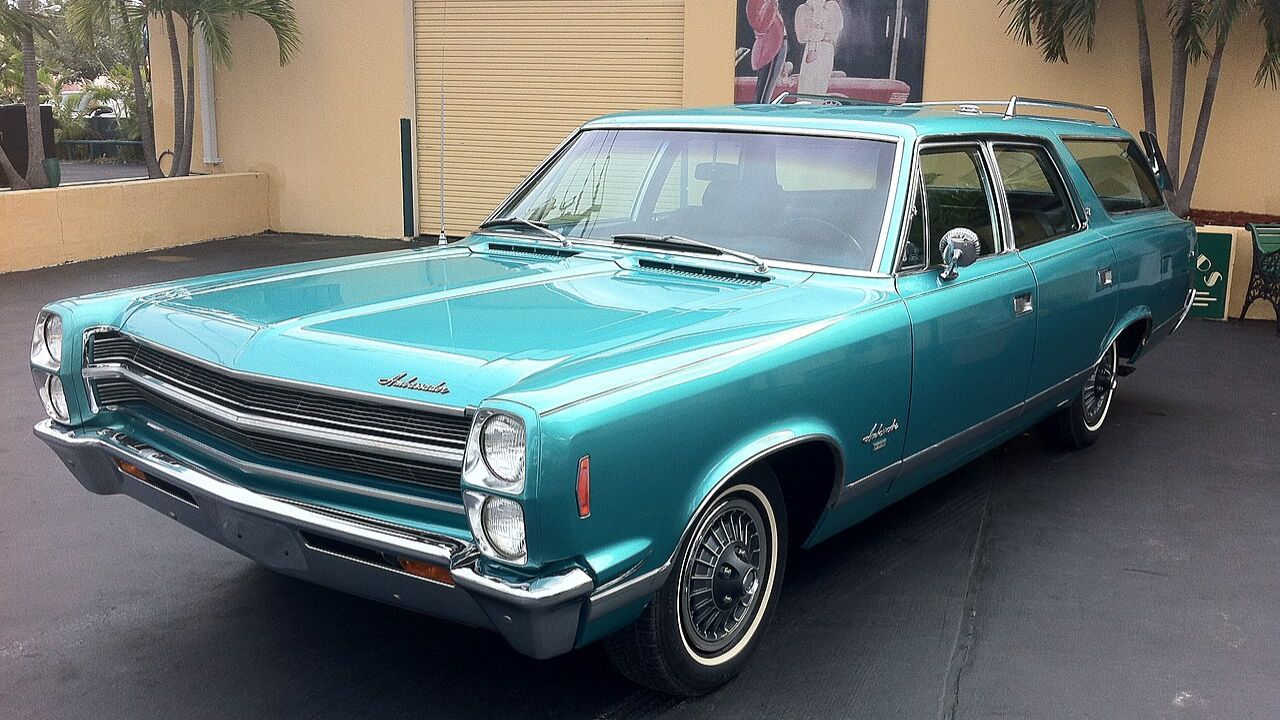
In contemporary car culture, fender-mounted mirrors have experienced a revival, particularly among custom car enthusiasts. These aficionados often incorporate vintage elements into their designs, blending the nostalgic appeal of the past with modern technology. The resurgence of interest in classic aesthetics has led to unique interpretations of fender-mounted mirrors, as seen in custom builds and car shows.
The enduring legacy of fender-mounted mirrors is celebrated in various ways, from car shows to museums dedicated to automotive history. They are remembered not only for their practical applications but also for their role in shaping the identity of classic cars. By understanding the historical context and cultural significance of these mirrors, we gain a deeper appreciation for the evolution of automotive design and the timeless allure of classic vehicles.
Like Fast Lane Only’s content? Be sure to follow us.
Here’s more from us:
*Created with AI assistance and editor review.






Leave a Reply