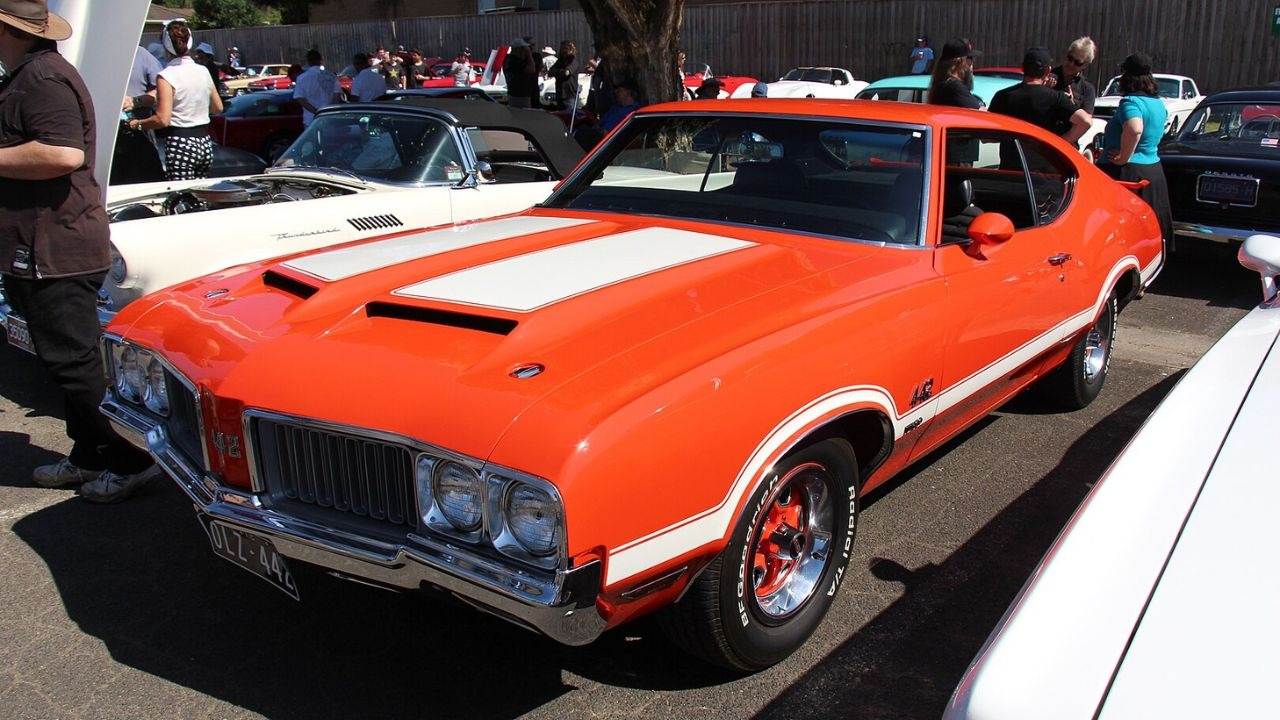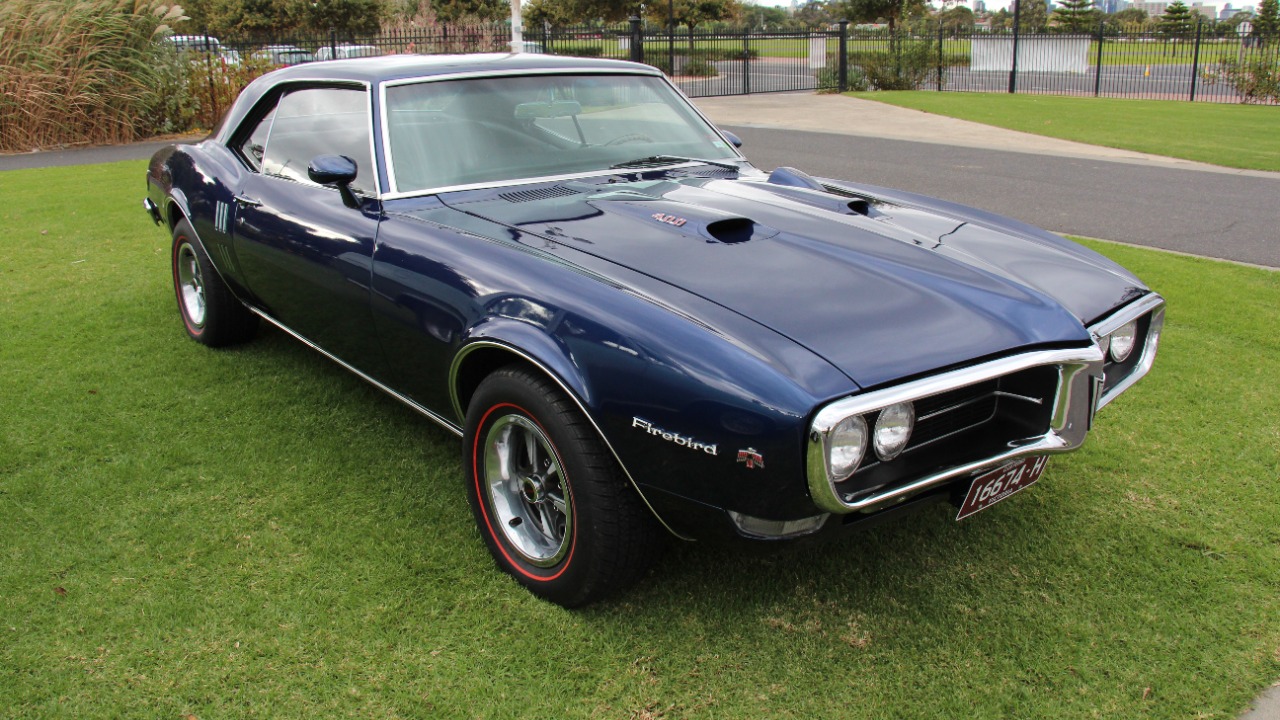
During the 1960s and 1970s, the 8-track player became a symbol of modernity and innovation in the automobile industry. Detroit automakers, synonymous with the American car revolution, embraced this technology with open arms. The reasons behind their enthusiasm for the 8-track player are deeply rooted in the intersection of technological advancement, consumer demand, and strategic marketing.
The Rise of the 8-Track Player
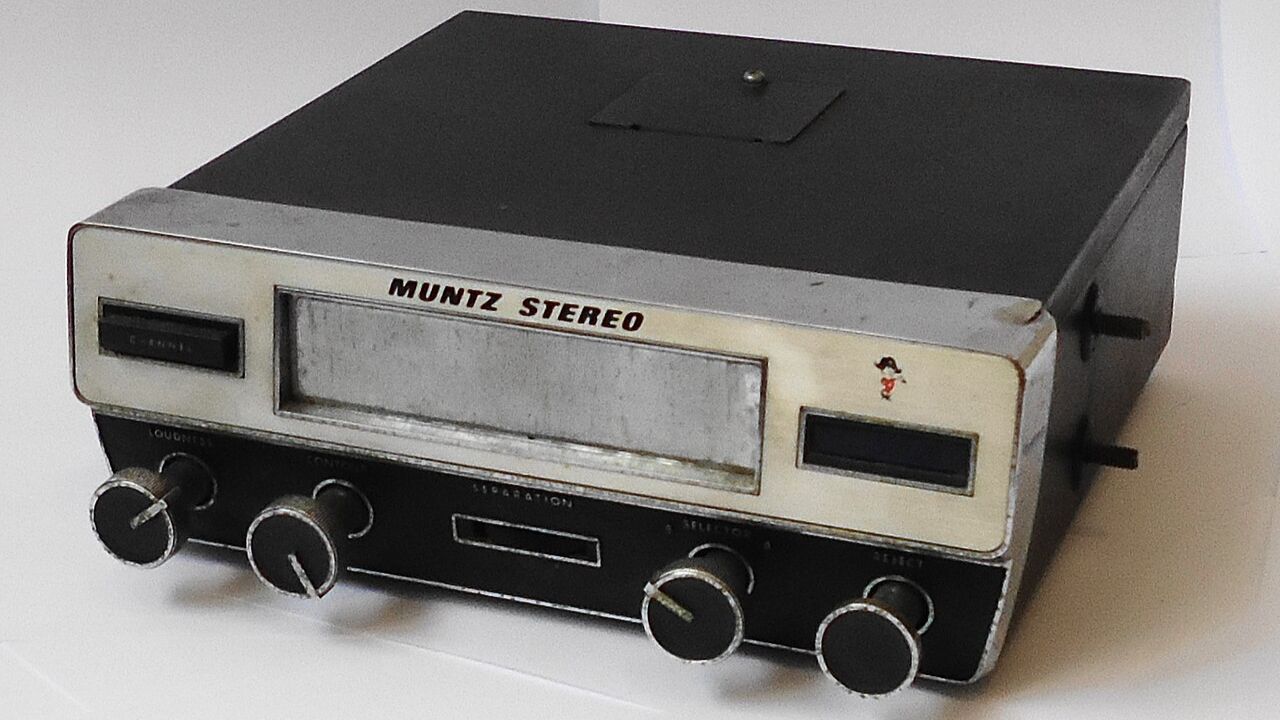
The development of the 8-track player marked a significant leap in audio technology. Initially introduced by Bill Lear, the 8-track cartridge system offered a new level of convenience and sound quality that surpassed previous audio formats like the vinyl record. Lear’s collaboration with Ford Motor Company played a crucial role in embedding this innovation within the automotive industry. Ford’s launch of the 1966 Mustang, featuring an optional 8-track player, was a pivotal moment in popularizing this technology among car enthusiasts. Collecting 8-tracks became a hobby, further fueling its popularity.
As the 1960s progressed, there was a cultural shift towards portable and personal music experiences. The 8-track player perfectly aligned with this new consumer demand, offering drivers a way to enjoy music with unparalleled ease and flexibility. Unlike record players, which were impractical for vehicles, the 8-track’s compact design made it ideal for on-the-go listening. The growing consumer interest in having audio entertainment in cars was undeniable, prompting automakers to integrate these devices into their models as a standard feature.
Integration with Automotive Design
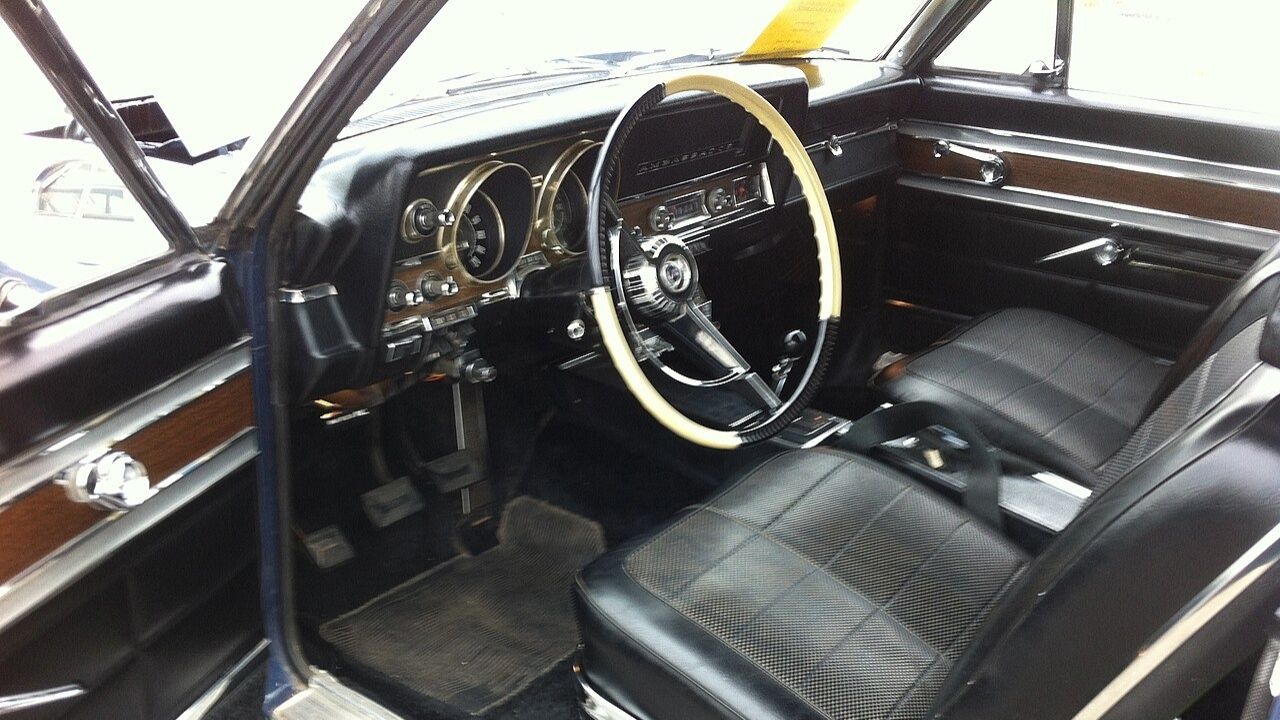
Integrating the 8-track player into the dashboard of cars was not just about adding a new feature; it was a design revolution. Automakers had to rethink the layout of car interiors to accommodate this new technology seamlessly. The 8-track player was often placed within easy reach of the driver, becoming an integral part of the dashboard’s aesthetic. This integration enhanced the overall driving experience, allowing music to become a central part of the journey.
The inclusion of 8-track players influenced not only the design but also the marketing strategies of car manufacturers. Cars like the Lincoln Continental and the Cadillac Eldorado began to advertise their models with built-in 8-track players as a selling point, highlighting the fusion of luxury and cutting-edge technology. Automakers worked closely with audio equipment producers, ensuring the players complemented the car’s design and met the high standards expected by consumers. This collaboration marked a new era of synergy between the automotive and audio industries.
Economic and Marketing Factors

The economic benefits of incorporating 8-track players into vehicles were significant. Strategic partnerships between Detroit automakers and music labels or audio companies provided a mutual advantage. For instance, Ford’s collaboration with RCA and Motorola not only boosted car sales but also increased the production and distribution of 8-track tapes. These alliances were pivotal in establishing the 8-track player as a mainstream feature in automobiles.
Marketing campaigns of the era capitalized on the allure of the 8-track player, portraying it as a luxurious enhancement to the driving experience. Advertisements showcased the player as a must-have feature that transformed the car into a mobile concert hall. This marketing appeal was particularly effective among the younger demographic, who valued the freedom and personalized experience that the 8-track provided. By the late 1970s, owning a car with an 8-track player was a status symbol, reflecting both modernity and sophistication.
Cultural Impact and Legacy
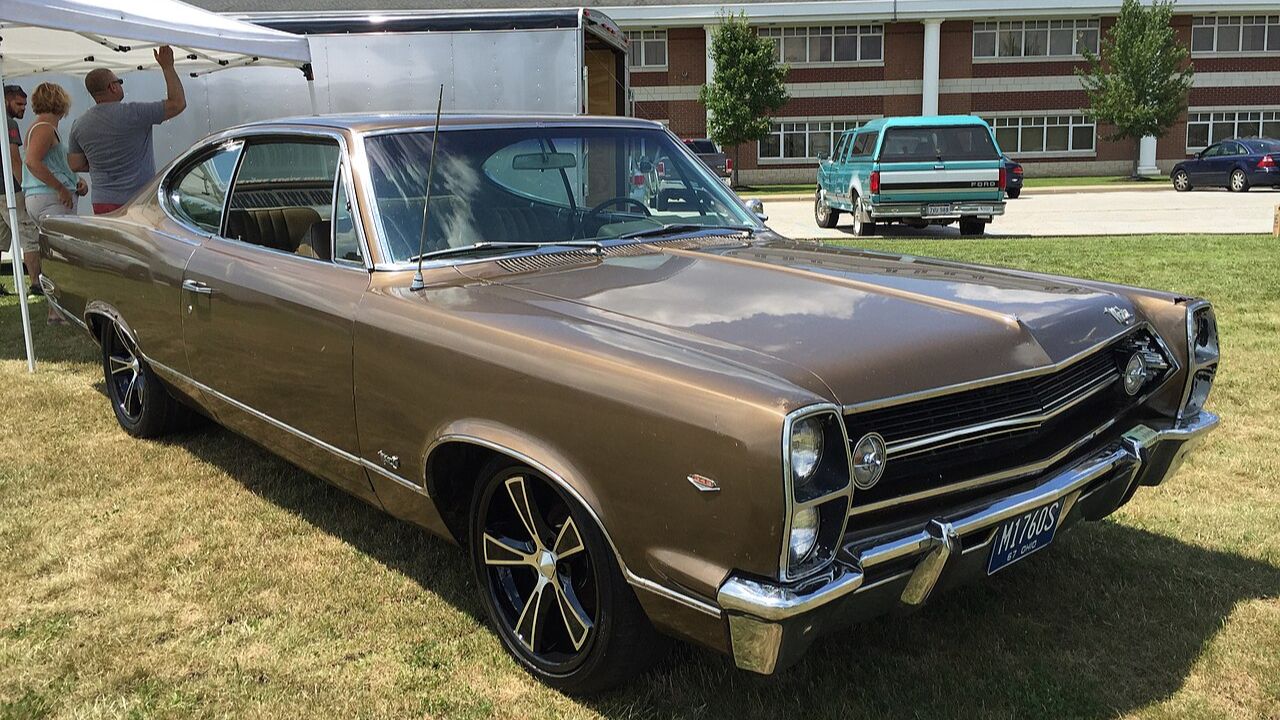
The introduction of the 8-track player fundamentally changed how people interacted with music while driving. It allowed drivers and passengers alike to curate their own soundtracks, creating a personalized and immersive environment. This shift not only enhanced the driving experience but also influenced the cultural landscape, as music became an integral part of road trips and daily commutes.
The legacy of the 8-track player is evident in the evolution of car audio systems over the decades. From cassette tapes to CDs and now digital streaming, each advancement builds upon the foundation laid by the 8-track. Modern infotainment systems, with their touchscreens and voice control, owe a debt to the pioneering days of in-car audio technology. The 8-track’s influence on both the automotive and music industries is undeniable, setting the stage for future innovations.
Challenges and Decline

Despite its initial success, the 8-track player faced significant technological limitations. Issues such as sound quality degradation and the bulky nature of the cartridges eventually became drawbacks. Moreover, the 8-track’s inability to rewind or fast-forward with precision frustrated users, leading to a decline in its popularity as newer technologies emerged.
By the late 1970s, the rise of the cassette tape, with its superior sound quality and compact size, began to overshadow the 8-track. Automakers quickly adapted to this shift, phasing out the 8-track in favor of cassette decks. This transition was necessary to meet changing consumer preferences and maintain competitiveness in the market. The decline of the 8-track was a natural progression as the industry continued to advance, but its impact remains a significant chapter in the history of automotive innovation.
Like Fast Lane Only’s content? Be sure to follow us.
Here’s more from us:
*Created with AI assistance and editor review.