

The gleaming shine of chrome was once synonymous with classic cars, gracing everything from bumpers to trim. Chrome became a defining feature of older automobiles due to its aesthetic appeal and technological advancements. However, several factors, including economic and environmental concerns, have contributed to its decline in modern car design.
The Rise of Chrome in Automotive Design

The use of chrome in automotive design dates back to the early 20th century. It became prevalent in the 1920s and 1930s as manufacturers sought ways to enhance the durability and appearance of automobile components. By the late 1940s and 1950s, chrome was everywhere, from the grilles of Cadillacs to the bumpers of Chevrolets. The post-war era marked a period where car design was heavily influenced by the allure of chrome, reflecting a society eager to embrace modernity and opulence.
Technological advancements played a critical role in popularizing chrome. The invention of the electroplating process made it feasible to apply a thin layer of chromium onto metal surfaces, creating a shiny, corrosion-resistant finish. This method was both cost-effective and efficient, allowing manufacturers to produce vehicles with striking features that could withstand the elements. The sheen of chrome not only added a touch of luxury but also signified the cutting-edge technology of the time.
Chrome’s aesthetic appeal cannot be understated. It became a symbol of luxury and sophistication, often associated with high-end models and futuristic designs. The 1956 Ford F-100, for example, showcased chrome in a way that emphasized its sleek lines and bold presence. This iconic vehicle epitomized the era’s penchant for chrome, capturing the imagination of car enthusiasts and consumers alike.
The Decline of Chrome in Modern Cars

While chrome reached its peak in the mid-20th century, its use began to wane in the following decades. Economic factors played a significant role in this shift. The rising cost of raw materials and the labor-intensive process of chrome plating made it an expensive option for manufacturers. As the automotive industry faced increasing pressure to reduce costs and improve efficiency, many companies began to explore alternative materials and finishes.
Environmental concerns also contributed to the decline of chrome. The process of chrome plating involves the use of toxic chemicals, which pose significant environmental and health risks. In response to these concerns, regulations were implemented to limit the use of hazardous materials in manufacturing processes. These changes prompted car manufacturers to seek more sustainable and environmentally friendly alternatives.
Consumer preferences have evolved over the years, leading to a shift away from chrome. Modern car buyers prioritize functionality, efficiency, and sustainability over the flashy aesthetics of the past. This change in tastes has resulted in a preference for materials that offer a more understated and contemporary look. The evolving priorities of consumers have had a significant impact on the materials used in automotive design.
Alternatives to Chrome in Contemporary Design
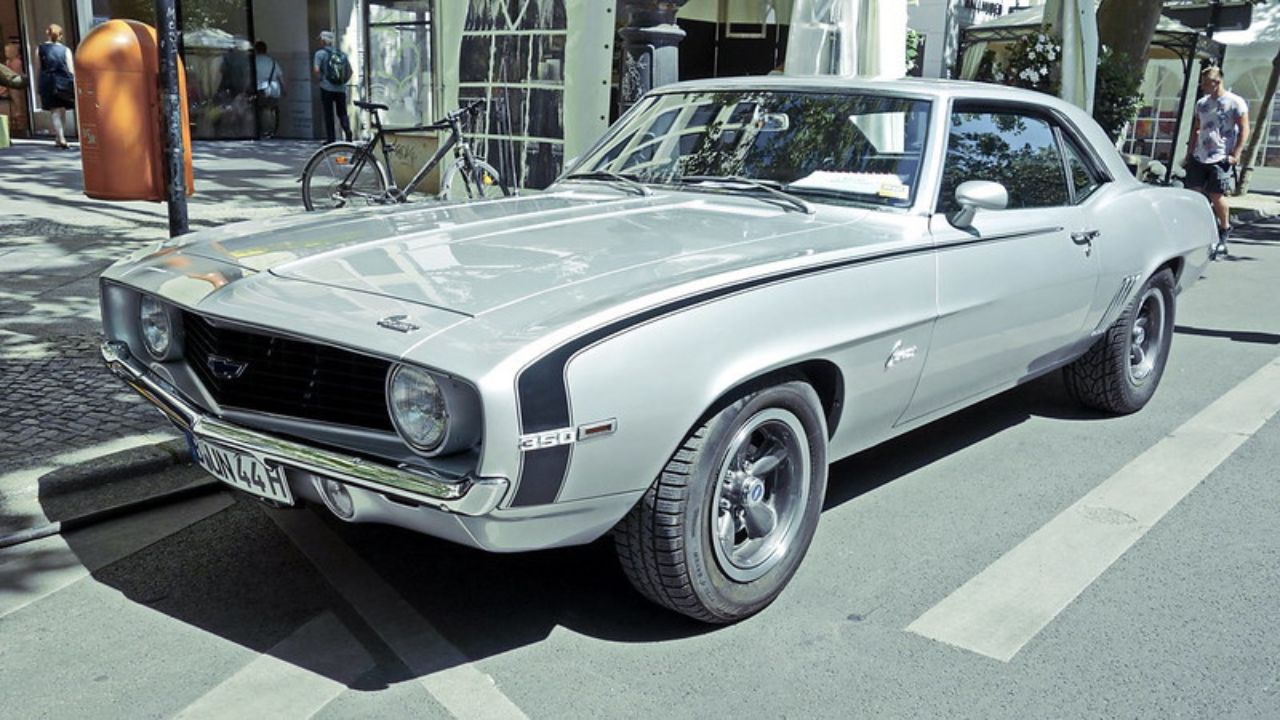
In response to the decline of chrome, the automotive industry has embraced a variety of new materials. Plastics and composites have become popular choices due to their versatility, lightweight properties, and cost-effectiveness. These materials can be molded into intricate shapes and offer a range of finishes that mimic the appearance of chrome without the associated drawbacks.
Advancements in paint and finish technology have also played a crucial role in replacing chrome’s reflective qualities. Modern coatings can achieve a high-gloss finish that rivals the shine of chrome while offering improved durability and resistance to environmental factors. These innovations have allowed designers to create visually appealing vehicles that meet the demands of today’s market.
The trend toward customization and personalization has further influenced material choices in automotive design. Consumers now have the option to tailor their vehicles to their tastes, selecting from a wide array of finishes, colors, and materials. This move away from the standardization of chrome has allowed for greater creativity and individuality in car design.
The Nostalgia for Chrome and Its Modern Resurgence
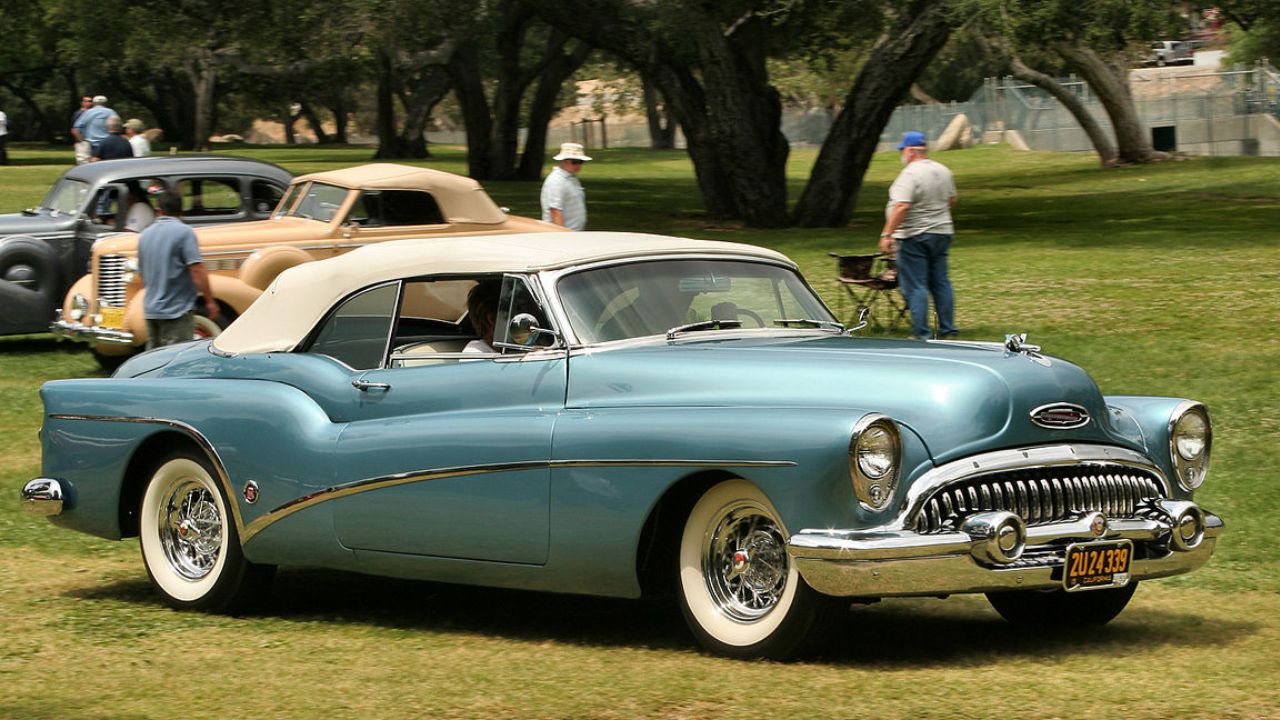
Despite its decline in mainstream automotive design, chrome continues to hold a special place in the hearts of car enthusiasts. The restoration of vintage cars often involves meticulous efforts to return them to their original chrome-laden glory. This enduring fascination with chrome is evident in the popularity of classic car shows and events, where the gleam of chrome is celebrated and admired.
Retro-inspired designs have also led to a modern resurgence of chrome in some contemporary models. Manufacturers occasionally incorporate chrome elements as a nod to classic styles, appealing to consumers’ sense of nostalgia. These design choices offer a bridge between the past and present, blending modern technology with timeless aesthetics.
The cultural impact of chrome extends beyond the automotive industry. Its iconic look has been immortalized in media and popular culture, from classic films to modern advertisements. The enduring appeal of chrome speaks to its status as a symbol of a bygone era, evoking memories of a time when cars were more than just a means of transportation.
The Future of Automotive Design Materials

As the automotive industry continues to evolve, the focus is increasingly on innovation in sustainable materials. Researchers and manufacturers are exploring new eco-friendly options that could become the next big trend in automotive design. These materials aim to combine the aesthetic appeal of traditional finishes with the benefits of sustainability and environmental responsibility.
Balancing aesthetics and functionality remains a key consideration for modern car designers. The challenge lies in creating vehicles that are visually appealing while meeting the practical needs of consumers. This balance is crucial as the industry moves toward a future where sustainability and efficiency are paramount.
Technology is set to play a significant role in shaping the materials used in future car designs. Advances in manufacturing processes, material science, and digital design tools offer exciting possibilities for the automotive industry. As technology continues to push the boundaries of what is possible, the materials used in car design will undoubtedly evolve, reflecting the changing needs and priorities of society.
Like Fast Lane Only’s content? Be sure to follow us.
Here’s more from us:
*Created with AI assistance and editor review.






Leave a Reply