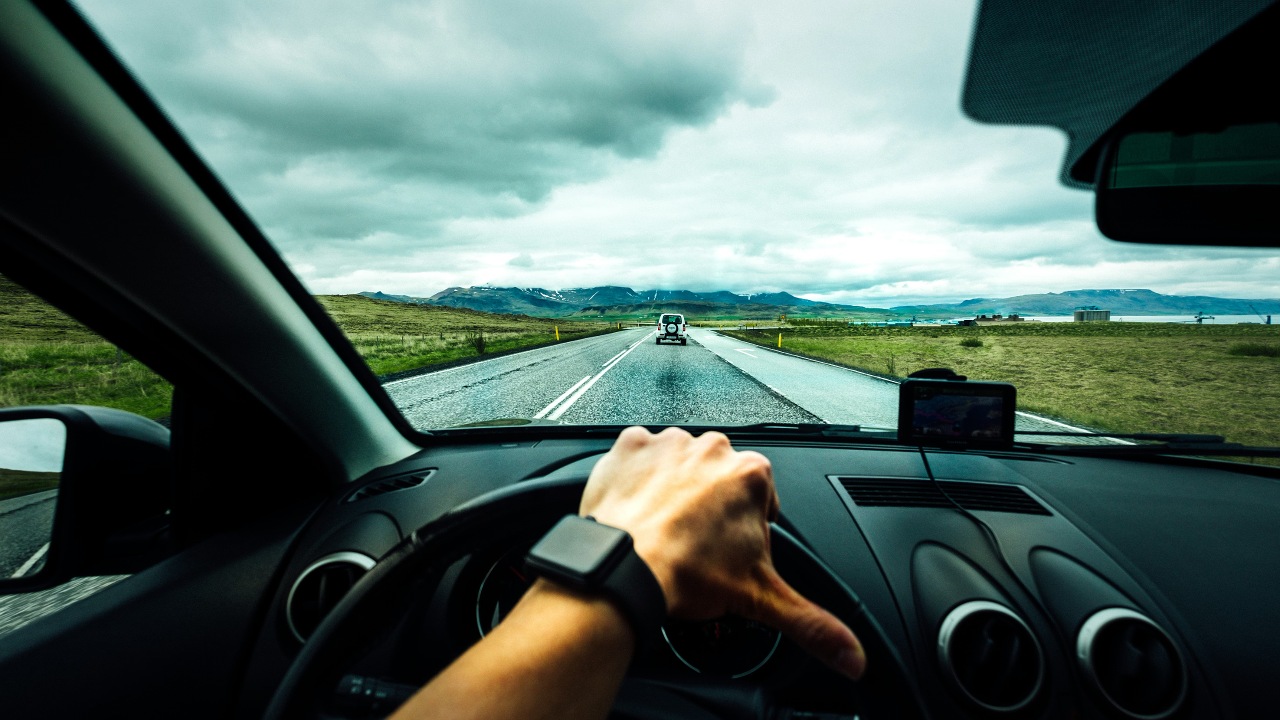
American drivers are discovering that the family car has become a political battleground. From speed limiters and drunk driving sensors to pollution rules and mileage fees, lawmakers are steadily expanding their reach into how, when, and even whether people get behind the wheel. The result is a sprawling fight over safety, climate, revenue, and civil liberties that now touches almost every aspect of driving.
Behind each new rule is a collision of hard numbers and competing values. Road deaths remain stubbornly high, climate targets are tightening, and fuel tax revenue is eroding, all while driving is treated in law as a conditional privilege rather than an absolute right. That mix helps explain why elected officials keep returning to the driver’s seat as a place to legislate.
Safety tech moves from option to obligation
For safety advocates, the most urgent case for regulating driving starts with the death toll. According to federal data cited by Advocates for Highway and Auto Safety, on average, 112 people were killed every day on U.S. roads in 2023, totaling just over 40,901 fatalities. Those figures have convinced many lawmakers that voluntary measures are not enough, and that technology inside the vehicle must do more of the work that speed limits, seat belt campaigns, and police patrols have failed to finish.
That logic underpins a wave of mandates for built in safety systems. The National Highway Traffic Safety Administration has promoted automatic emergency braking as a core feature of the next generation of vehicles, with agency materials describing its potential to save at least 360 lives a year and prevent at least 24,000 injuries annually. The same impulse is visible in the Infrastructure Law, whose provision on The Advanced Impaired Driving Technology directs the National Highway Traffic Safety Administr to require systems in new cars that can detect and prevent drunk or impaired driving. Mothers Against Drunk Driving has argued that such technology could stop thousands of deaths, and has sharply criticized efforts in the Senate to block or delay those requirements.
From speeders to distracted drivers, behavior is the new target
Beyond crash mitigation hardware, lawmakers are increasingly focused on the behaviors that most often turn a car into a weapon. Speeding is at the top of that list. A growing number of states and cities are experimenting with rules that would require anti speeding systems in vehicles driven by repeat offenders. Under proposals described in recent national reporting, the technology would monitor the driver’s speed and prevent the vehicle from going over local limits, effectively putting a digital governor on the accelerator for those with a record of reckless driving.
Distracted driving is receiving similar scrutiny. The National Highway Safety Administration, often referred to as NHTSA, defines distracted driving as “any activity that diverts attention from driving,” including talking or texting on a phone, eating, or manipulating the stereo, entertainment, or navigation system. Because devices are the leading causeDistracted Driving Risky Driving of distracted driving crashes, most modern laws in this area are aimed squarely at the use of phones and tablets. States have layered on bans on handheld phone use, restrictions on texting, and higher penalties for crashes linked to device distraction, reflecting a view that the smartphone is now as central to road safety policy as the steering wheel.
Climate rules and the fight over who sets the limits
Safety is only one reason lawmakers are reshaping how Americans drive. Climate policy is another, and it is pulling transportation rules into a broader struggle between federal and state power. California has long used a special waiver under the Clean Air Act to set stricter vehicle pollution standards than the national baseline. Congress, in turn, recognized that California “demonstrated compelling and extraordinary circumstances sufficiently different” from the rest of the country to justify rules that are more stringent than national standards. That arrangement has allowed California to push automakers toward cleaner fleets faster than federal regulators alone.
That leadership has also made the state a target. House Republicans have moved to invalidate California’s vehicle pollution rules, with critics describing the effort as “an unprecedented and reckless attack on states’ legal authority to address the vehicle pollution causing asthma, lung disease and premature death.” Environmental advocates point to research, including poll based analysis, that suggests tougher standards could avoid large volumes of emissions over the next 25 years. The clash illustrates how decisions about tailpipe limits are no longer just technical questions about parts per million, but political fights over who gets to decide how much pollution drivers are allowed to produce.
Mileage caps, road fees, and the end of the gas tax era
As vehicles become more efficient and electric models spread, the traditional gas tax is losing its power to fund roads. That fiscal squeeze is pushing lawmakers toward policies that directly measure how much people drive. In Washington policy circles, the idea of Charging Americans for road upkeep based on how many miles they have driven was once dismissed as too intrusive. Now, pilot programs are testing per mile fees that would track vehicle use and charge drivers accordingly, with supporters arguing that it is the only sustainable way to maintain highways without constant deficit spending.
Some state level debates go further, tying mileage directly to climate goals. California is considering a bill described as “a potential replacement” for the gas tax that would instead tax all drivers based on the number of miles they travel, with the explicit aim of reducing car use. Commentary around that proposal has highlighted that Democrat run states want to monitor automobile mileage to reduce car dependence, raising alarms among privacy advocates who fear that constant tracking of vehicle movement could become normalized. In parallel, online critics have seized on discussions in California and Massachusetts about limiting the miles people can drive because of climate change, framing them as early steps toward formal mileage caps, although the precise legal status of such caps is Unverified based on available sources.
Culture wars at the intersection and in the cabin
Even seemingly mundane traffic controls are now swept into the culture wars. In some cities, the heavy use of red light and speed cameras has become a symbol of what critics describe as overbearing local government. Aug reporting on these fights quoted Beeber of the National Motorists Association, who said that the proliferation of cameras is a sign of a city “hellbent on getting all the money it can from motorists.” On the other side, safety advocates argue that automated enforcement is one of the few tools that can consistently slow drivers without the bias and danger that can accompany traffic stops.
The same polarization is visible in debates over right on red rules, which some jurisdictions are reconsidering to protect pedestrians, and in arguments about whether traffic calming measures are a sensible safety investment or an attack on drivers’ freedom. These disputes are sharpened by the broader context of vehicle design. Analysts have noted that federal policy has helped encourage the rise of larger sport utility vehicles and pickup trucks, with Extra weight that accelerates the erosion of roadways and tires, strains highway maintenance budgets, and releases microplastics. As vehicles grow heavier and more imposing, cities that try to slow or restrict them on crowded streets are increasingly cast as either guardians of public safety or enemies of the car, depending on one’s political lens.
More from Fast Lane Only