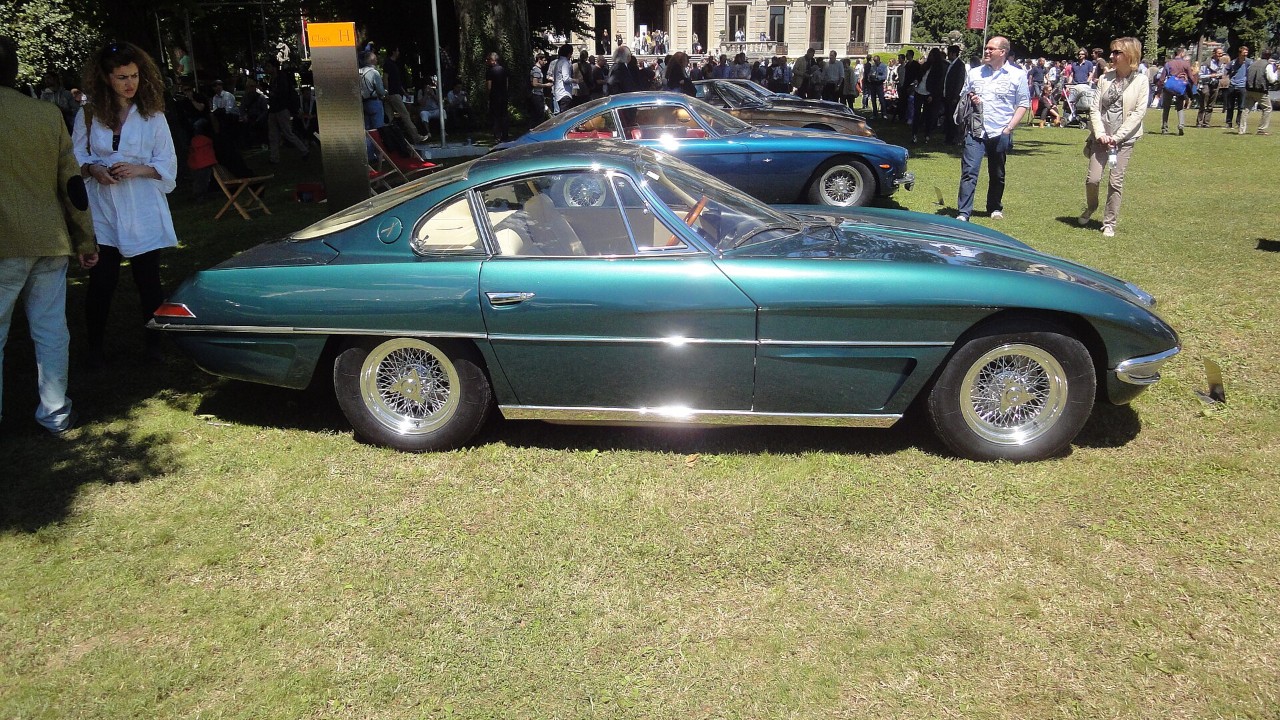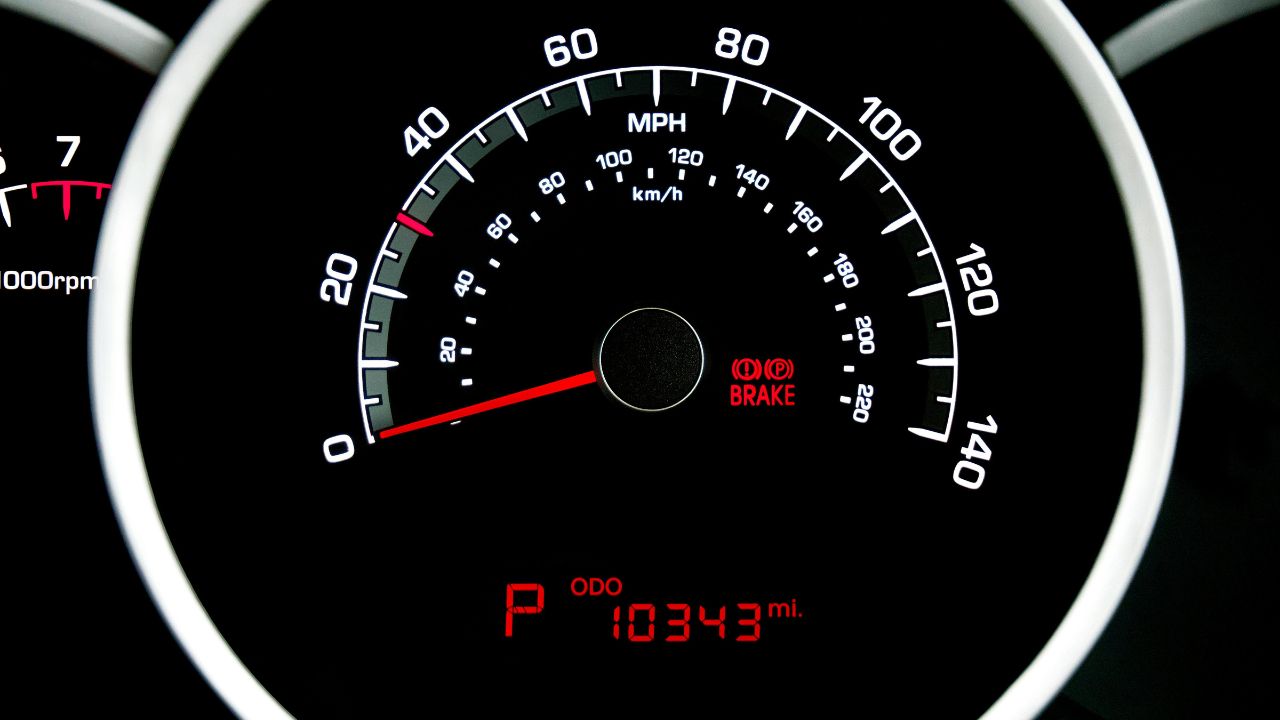
In the world of collector cars, where value is often determined by rarity and condition, low-mileage vehicles hold a special allure. These cars, driven sparingly, often command higher prices and are considered more desirable by enthusiasts and investors alike. Low mileage signifies not just preservation but also authenticity, making these vehicles particularly attractive to purists and collectors.
The Appeal of Originality
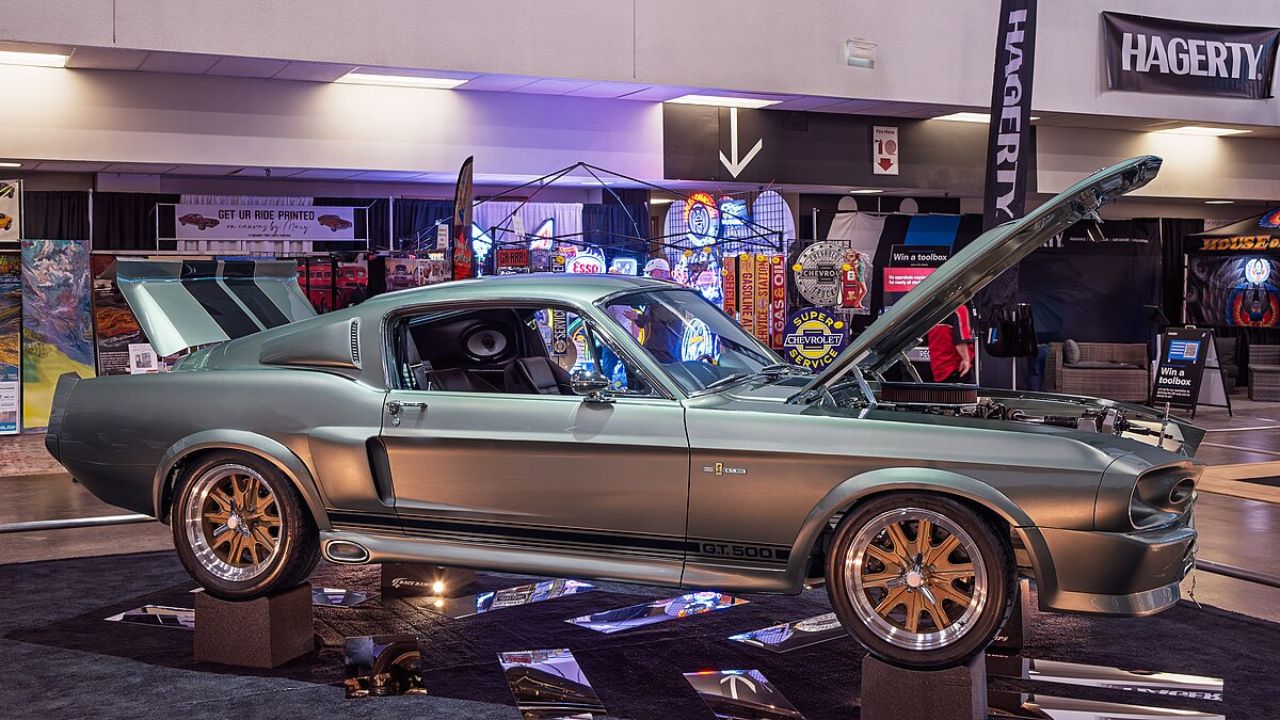
Low-mileage collector cars often serve as pristine snapshots of their original era, primarily due to the preservation of original parts. Take, for example, a 1967 Shelby GT500 with under 10,000 miles. This car likely retains its original engine and interior features, making it invaluable to collectors who seek authenticity. The more original components a vehicle has, the higher its market value, as these parts are increasingly rare and difficult to replicate accurately.
Authenticity and provenance are other key factors that make low-mileage cars highly desirable. Collectors often gravitate toward vehicles that maintain their factory specifications, including original documentation like window stickers or service records. For instance, a Porsche 911 from the 1970s with its original service book and low mileage can tell a more compelling story about its journey through time. Such cars allow collectors to verify their authenticity more easily, ensuring a more straightforward valuation process.
Moreover, low-mileage vehicles maintain their historical integrity, reflecting the era’s design and technology more accurately. This aspect is particularly appealing to purists who value the historical significance of automobiles. A 1955 Mercedes-Benz 300SL Gullwing with minimal miles on the odometer, for instance, offers a genuine glimpse into the technological innovations of its time, making it a sought-after piece for those who appreciate automotive history.
Condition and Aesthetic Value
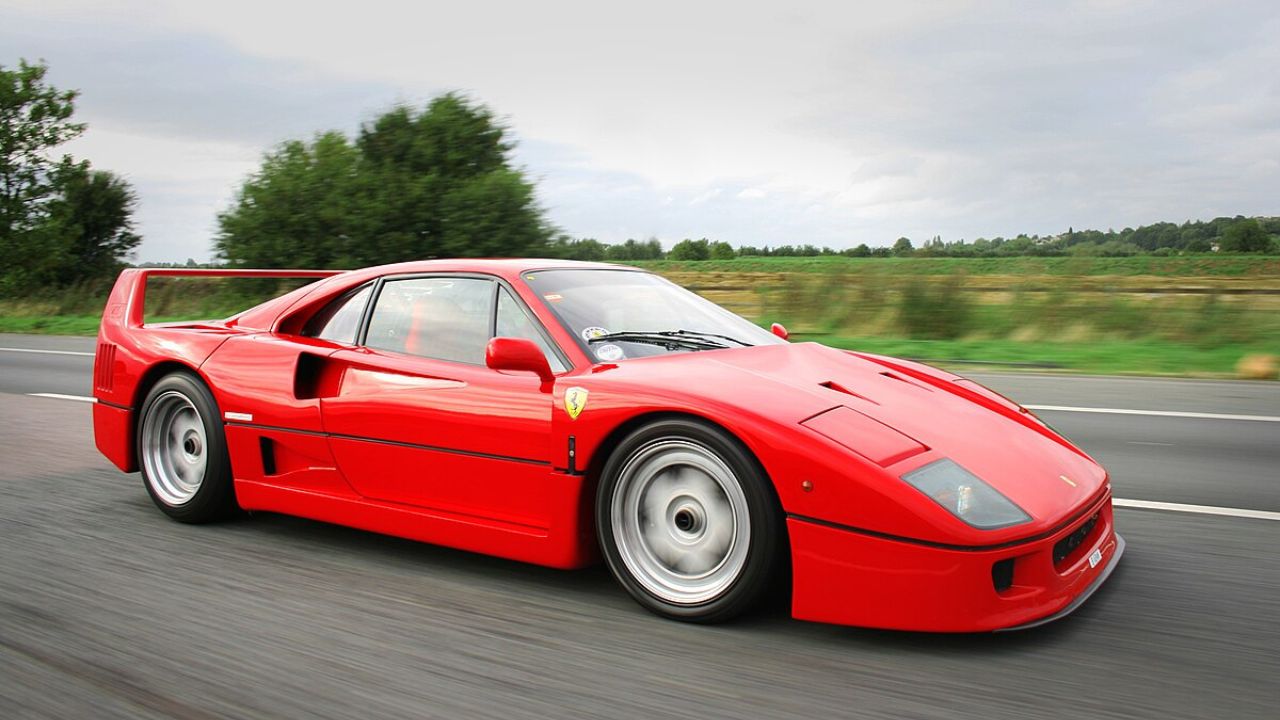
The aesthetic value of a collector car is heavily influenced by its condition, and low-mileage vehicles typically exhibit minimal wear and tear. A Ferrari F40, for example, with fewer than 5,000 miles, is likely to have a well-preserved body and interior, making it visually appealing to collectors. Minimal wear means less physical damage, reducing the need for costly restorations and ensuring that the car remains in near-original condition.
Preserved paint and interiors are critical factors for collectors seeking pristine examples. The original paintwork on a Jaguar E-Type or the untouched leather seats of a classic Aston Martin DB5 often remain in superior condition in low-mileage cars. These features are not just aesthetic; they also play a crucial role in maintaining the vehicle’s market value. When a collector car retains its original luster, it becomes a more attractive investment.
In addition to aesthetics, low mileage often correlates with better mechanical reliability. A Chevrolet Corvette with minimal miles is less likely to have undergone significant mechanical stress, translating to fewer immediate maintenance issues. This reliability enhances the car’s drivability, allowing collectors to enjoy their prized possession without worrying about frequent breakdowns or costly repairs.
Investment Potential
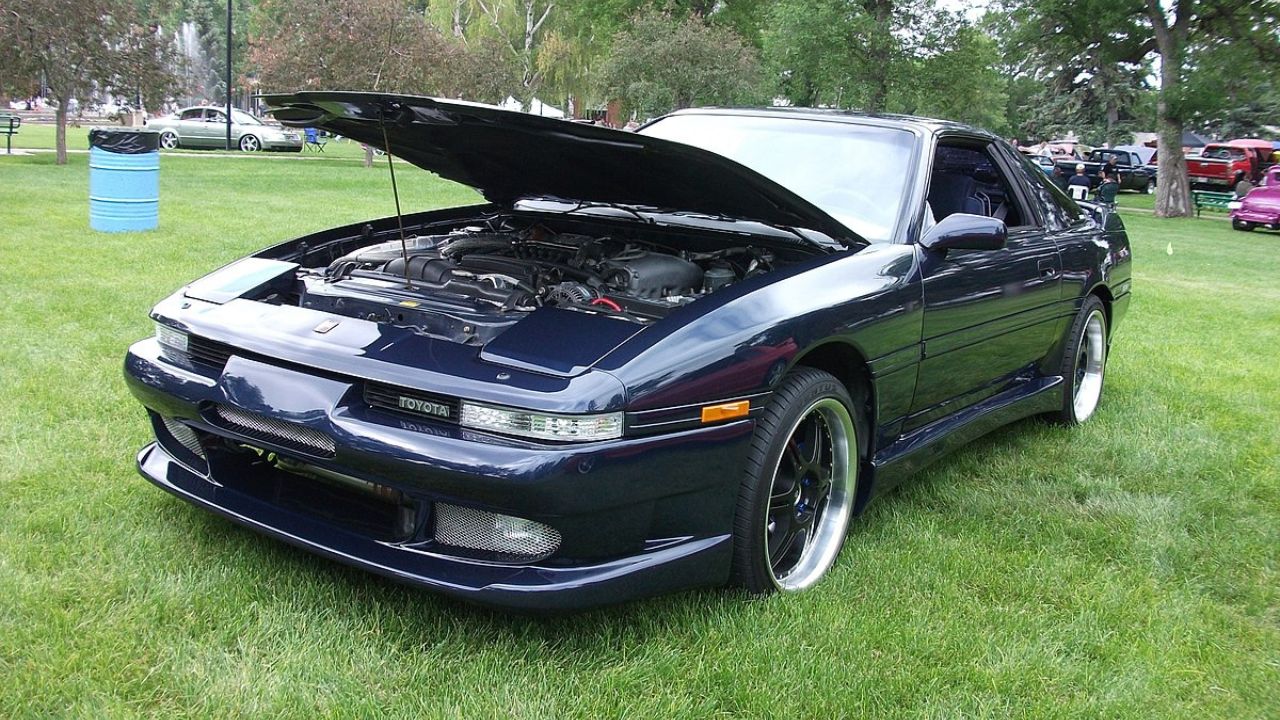
Low-mileage collector cars present substantial investment potential due to their higher resale value. Take a 1990s Toyota Supra Turbo, for instance; with fewer miles, it can fetch a premium price on the resale market. The limited mileage significantly increases its appeal, making it a more attractive investment for collectors and investors aiming for financial appreciation.
The market demand for low-mileage vehicles often results in competitive bidding, particularly at auctions. An early 2000s BMW M3 with limited miles is likely to attract numerous bidders, driving up the selling price. This scarcity of low-mileage examples creates a sense of urgency among buyers, often resulting in higher final bids.
As time progresses, the rarity of low-mileage cars can lead to future appreciation in value. A pristine 1970s Ford Bronco with minimal miles not only holds its value but is also likely to appreciate as fewer such examples remain. This potential for long-term value growth makes low-mileage collector cars a sound investment, appealing to collectors looking for both historical significance and financial gain.
Emotional and Sentimental Factors
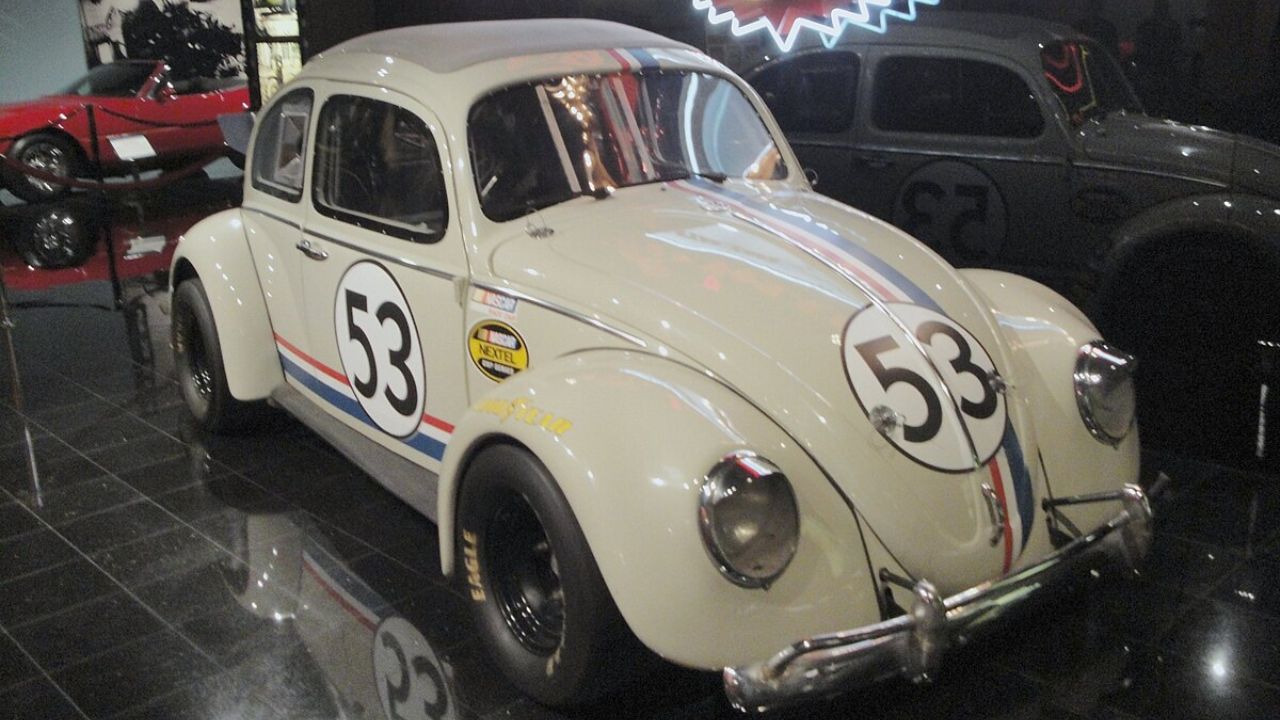
Low-mileage cars serve as time capsules, offering a tangible connection to the past for enthusiasts who cherish automotive history. A 1960s Volkswagen Beetle with minimal miles, for example, allows its owner to experience the vehicle as it was when it first rolled off the production line, evoking memories and emotions associated with that era.
Pride of ownership is another emotional aspect that attracts collectors to low-mileage cars. Owning a low-mileage Ford Mustang from the 1960s, for instance, offers a sense of pride and status, as these vehicles are often seen as the pinnacle of automotive preservation. The exclusivity of such cars enhances their owner’s reputation within the collector community.
Each low-mileage car often comes with a unique story, enhancing its narrative and emotional appeal to collectors. A pristine Datsun 240Z with a known history and minimal miles not only represents a significant financial investment but also becomes a storytelling piece, enriching the collector’s experience and adding depth to their collection.
Challenges and Considerations
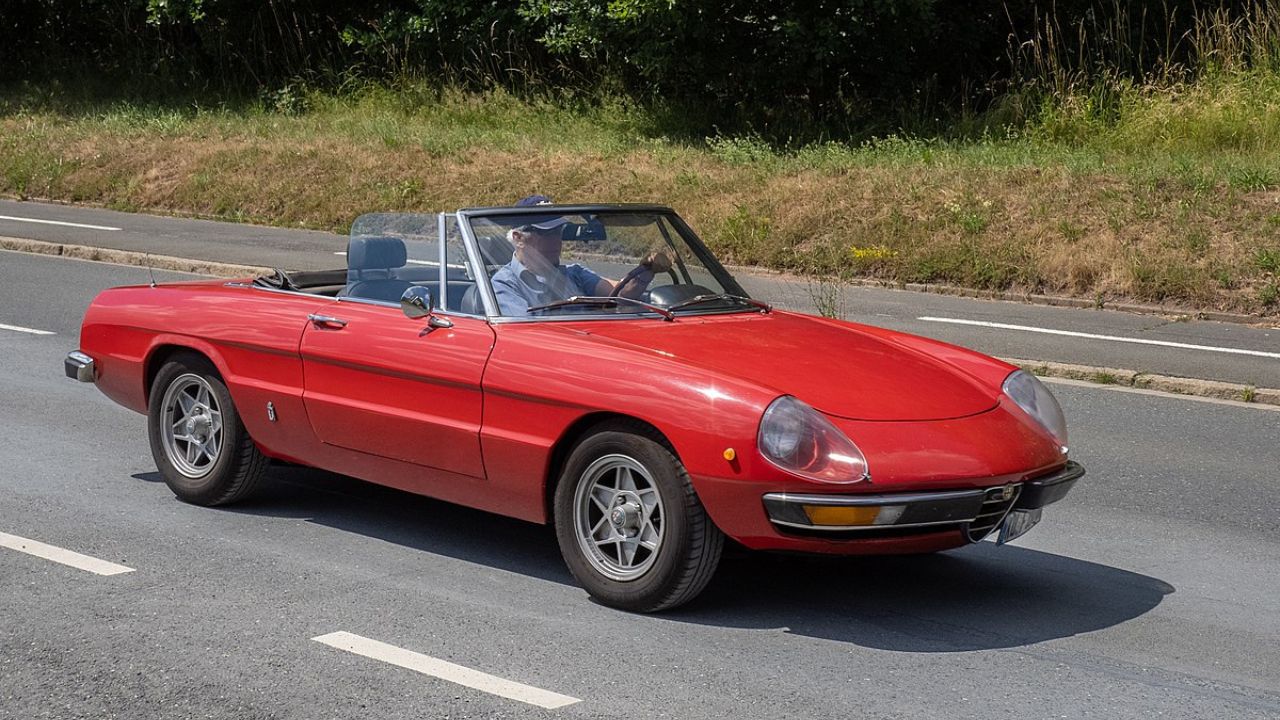
Despite their allure, low-mileage collector cars come with their own set of challenges. One significant issue is potential mechanical problems due to inactivity. A seldom-driven Alfa Romeo Spider may develop issues such as dried seals or brittle hoses, requiring careful inspection and maintenance to ensure it remains in optimal condition.
Verification of mileage is another critical consideration. Ensuring the accuracy of a car’s mileage can be challenging, necessitating thorough documentation and expert evaluation. For example, a classic Chevrolet Camaro with suspiciously low miles would require detailed service records and possibly a professional assessment to confirm its odometer reading.
Finally, the costs associated with storing and maintaining a low-mileage car can be substantial. Climate-controlled storage and regular upkeep are essential to preserve the vehicle’s condition, adding to the overall expense of ownership. A rare Lotus Esprit, for instance, might require specialized storage solutions, which can significantly increase the total cost of maintaining such a prized possession.
Like Fast Lane Only’s content? Be sure to follow us.
Here’s more from us:
*Created with AI assistance and editor review.