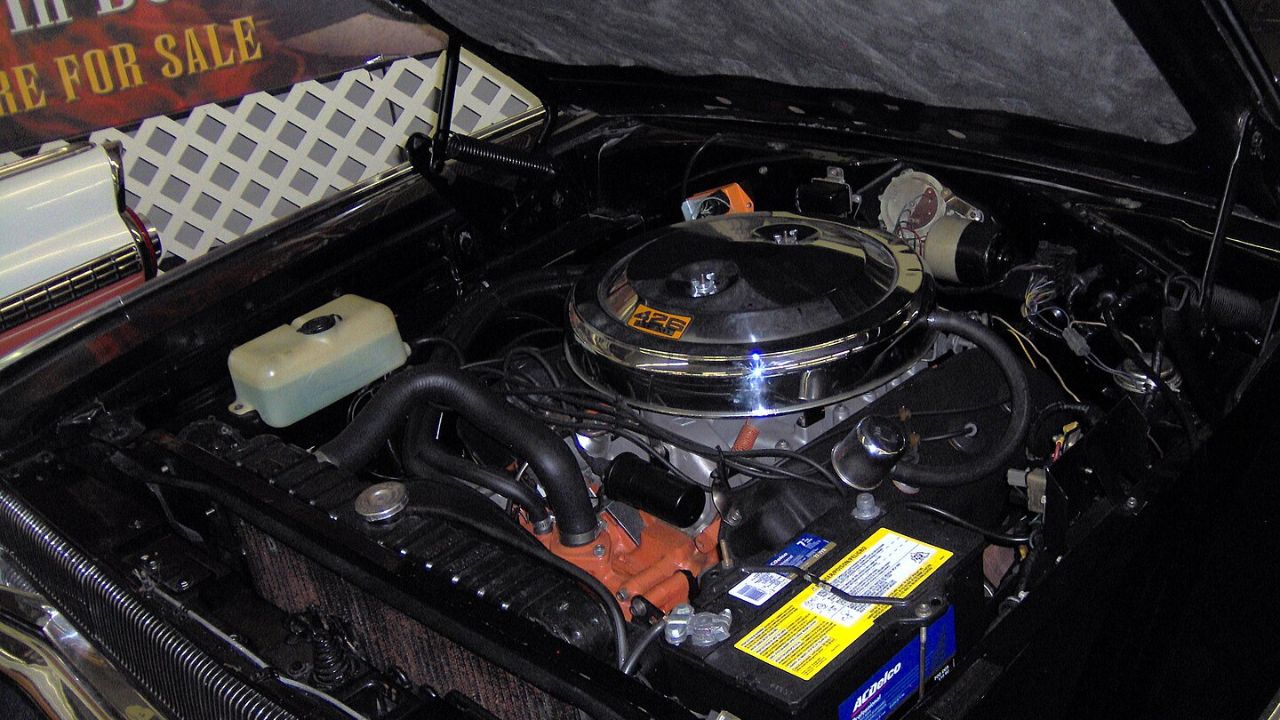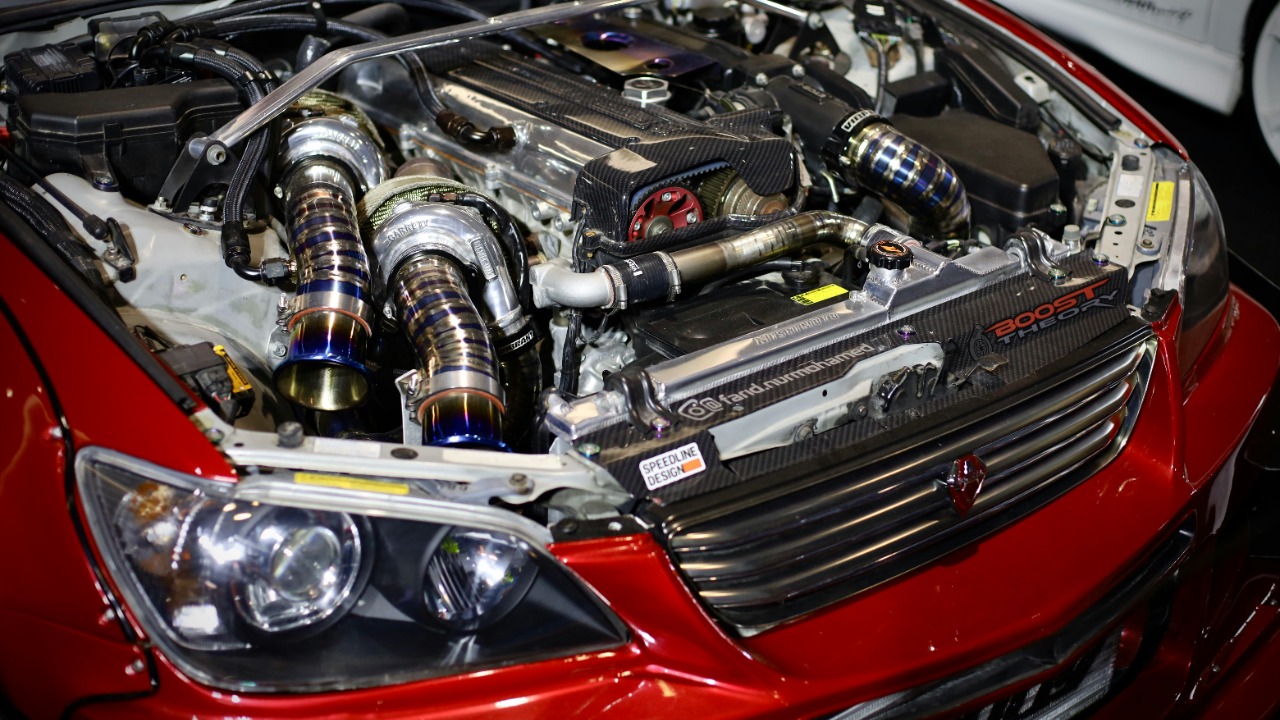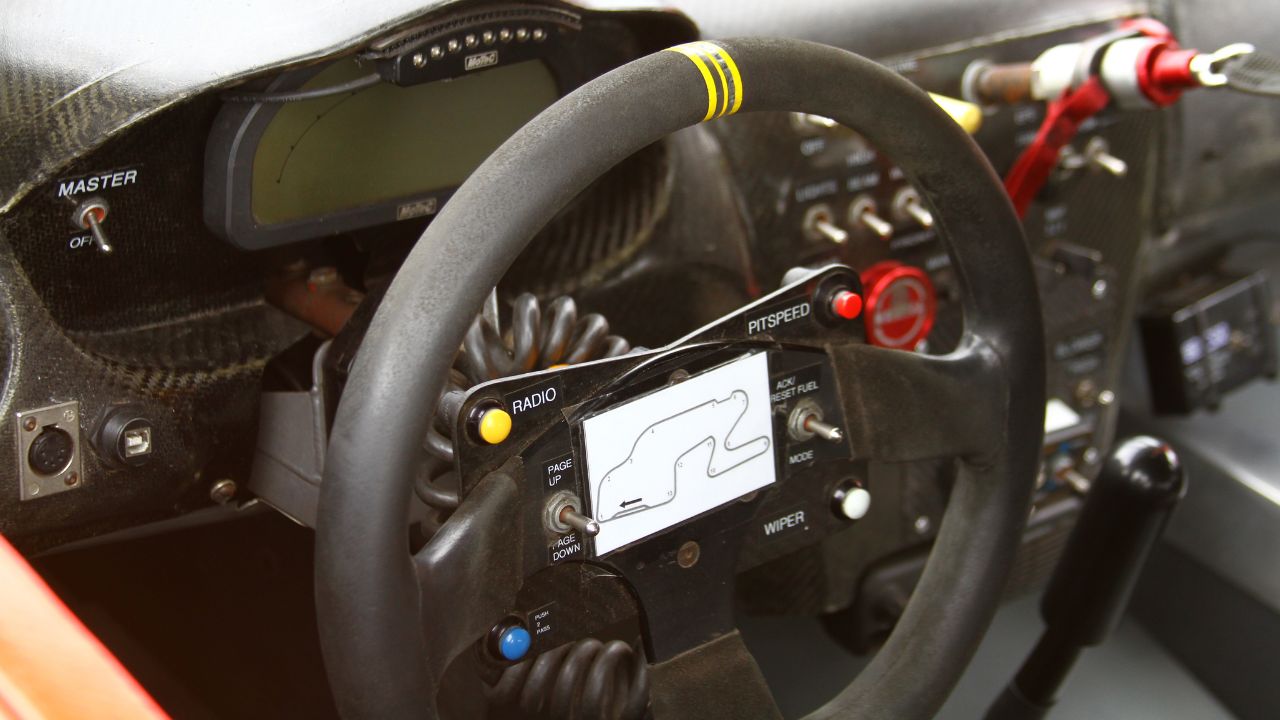
Kill switches on race cars serve as a crucial safety feature designed to protect not only the driver but also track personnel and other racers. Positioned outside the cockpit, these switches allow for immediate engine shut-off in emergency situations. They play a vital role in motorsport safety and performance, ensuring that any potential hazards can be quickly and effectively mitigated.
The Purpose of Kill Switches in Racing
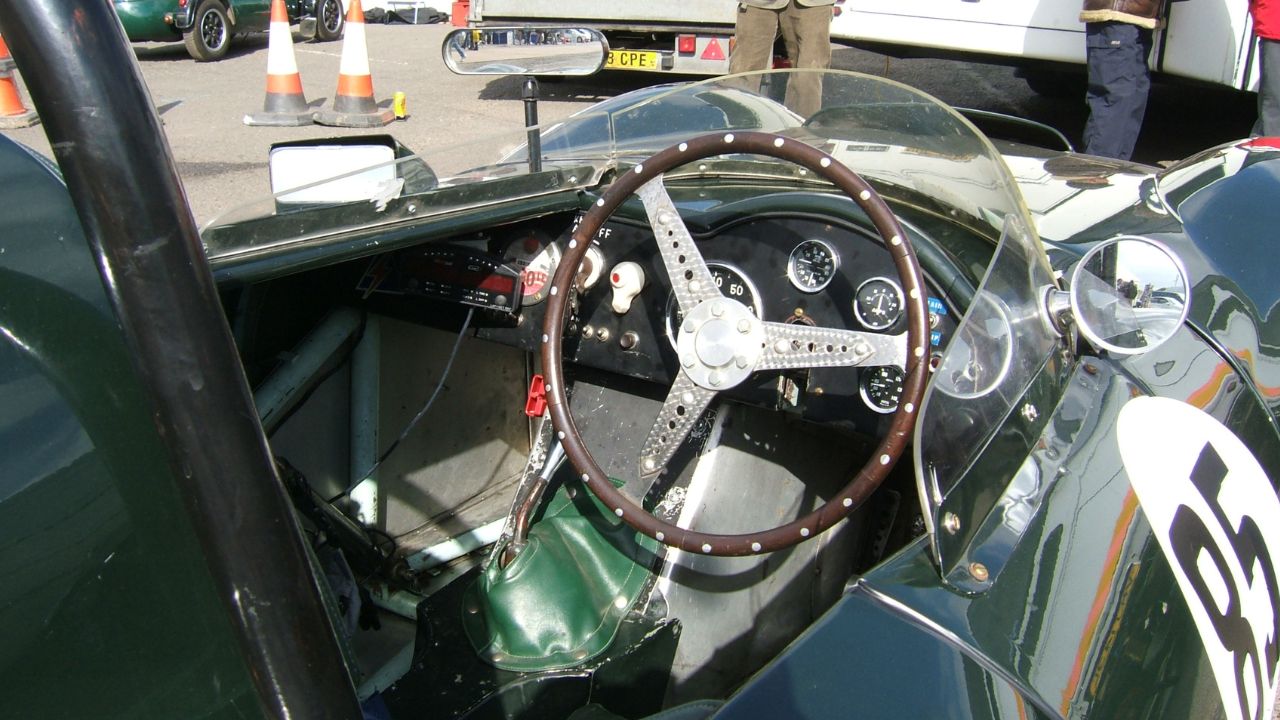
Safety is paramount in motorsport, and kill switches are fundamental to this priority. These devices are designed to provide a quick-access mechanism for shutting down the engine during emergencies, minimizing the risk of fire, explosion, or further mechanical damage. In situations where a driver is incapacitated or the vehicle is in a precarious position, the ability to instantly cut power can be lifesaving.
One significant risk that kill switches help mitigate is engine runaway, where the engine continues to operate uncontrollably. Such scenarios can lead to catastrophic mechanical failures that not only endanger the driver but also the integrity of the track and the safety of other competitors. By halting the engine, kill switches prevent these dangerous situations from escalating.
Moreover, kill switches serve an important role in protecting track personnel. By positioning these switches externally, safety teams can access them immediately, even if the driver is unable to do so. This accessibility is crucial in high-stakes environments where every second counts. External kill switches allow safety teams to neutralize threats efficiently, thereby safeguarding everyone involved in the event.
Technical Aspects of Kill Switch Installation
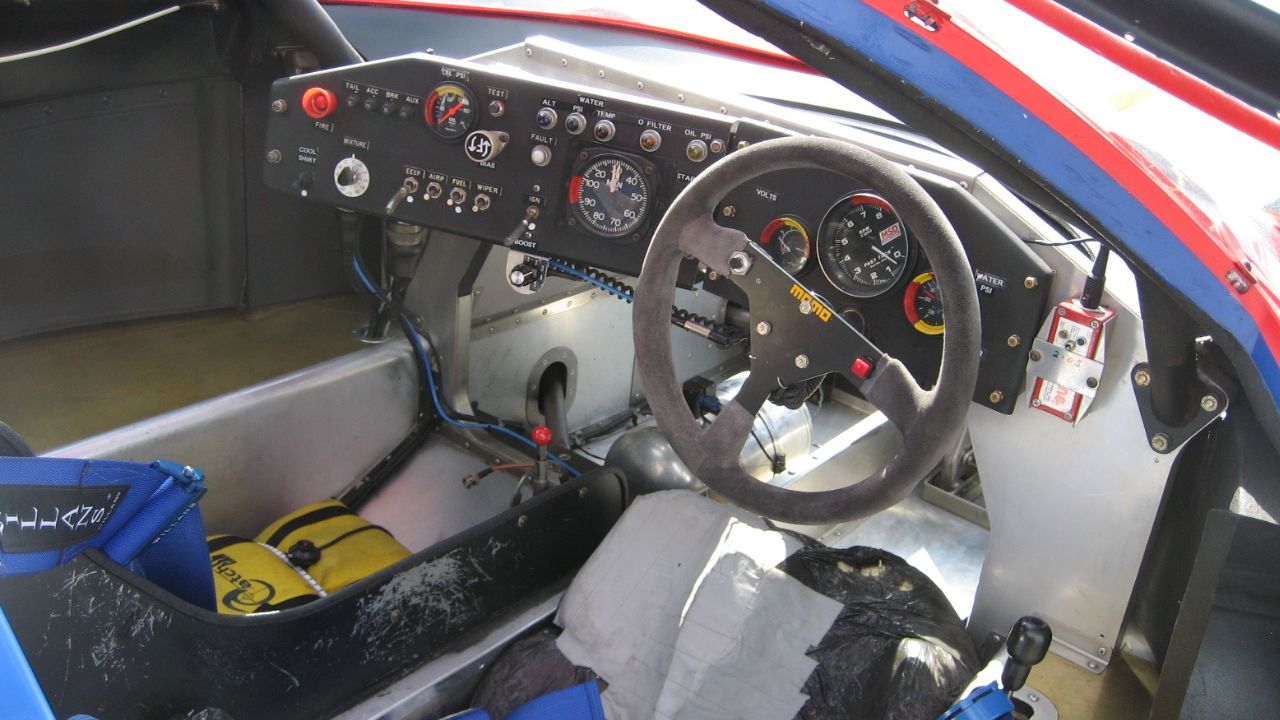
Kill switches are typically installed in standardized locations for maximum visibility and accessibility. Common placements include areas near the windshield or on the exterior roll cage, marked with clear symbols for easy identification. This strategic positioning ensures that anyone, whether a driver, marshal, or mechanic, can quickly locate and activate the switch in an emergency.
The design and functionality of kill switches are critical to their role in race car safety. These devices are integrated into the vehicle’s electrical system, often connected to the battery and ignition circuits. When activated, the switch interrupts these circuits, effectively shutting down the engine. The technical specifications of kill switches vary depending on the type of race car and the governing body’s regulations, but all are built to withstand the rigorous demands of motorsport.
Regulatory bodies like the FIA mandate the use of external kill switches in competitive racing. These regulations ensure that all vehicles adhere to a standardized level of safety, providing peace of mind for drivers and teams alike. Compliance with these requirements is non-negotiable, as they form a cornerstone of modern motorsport safety protocols.
Case Studies: When Kill Switches Made a Difference

There have been numerous instances where kill switches have proven their worth in motorsport. A notable example is the United LMP2 incident, where a kill switch played a crucial role in preventing a potential disaster. During this event, the quick action of engaging the kill switch helped avert a significant threat, showcasing the device’s importance in high-pressure situations.
Insights from the sim racing community further highlight the significance of kill switches. In virtual environments, where simulation fidelity is high, the use of kill switches is often debated. According to discussions on platforms like Reddit, sim racers value kill switches for their ability to provide an authentic racing experience and improve safety even in a virtual setting.
Kill switches are not limited to a single discipline; they are utilized across various motorsport categories, each with unique safety challenges. In rally racing, for instance, external kill switches are crucial due to the rough terrain and unpredictable conditions. The use of standardized symbols helps ensure quick identification and activation in diverse environments, further underscoring their universal importance.
The Evolution of Safety Measures in Motorsport
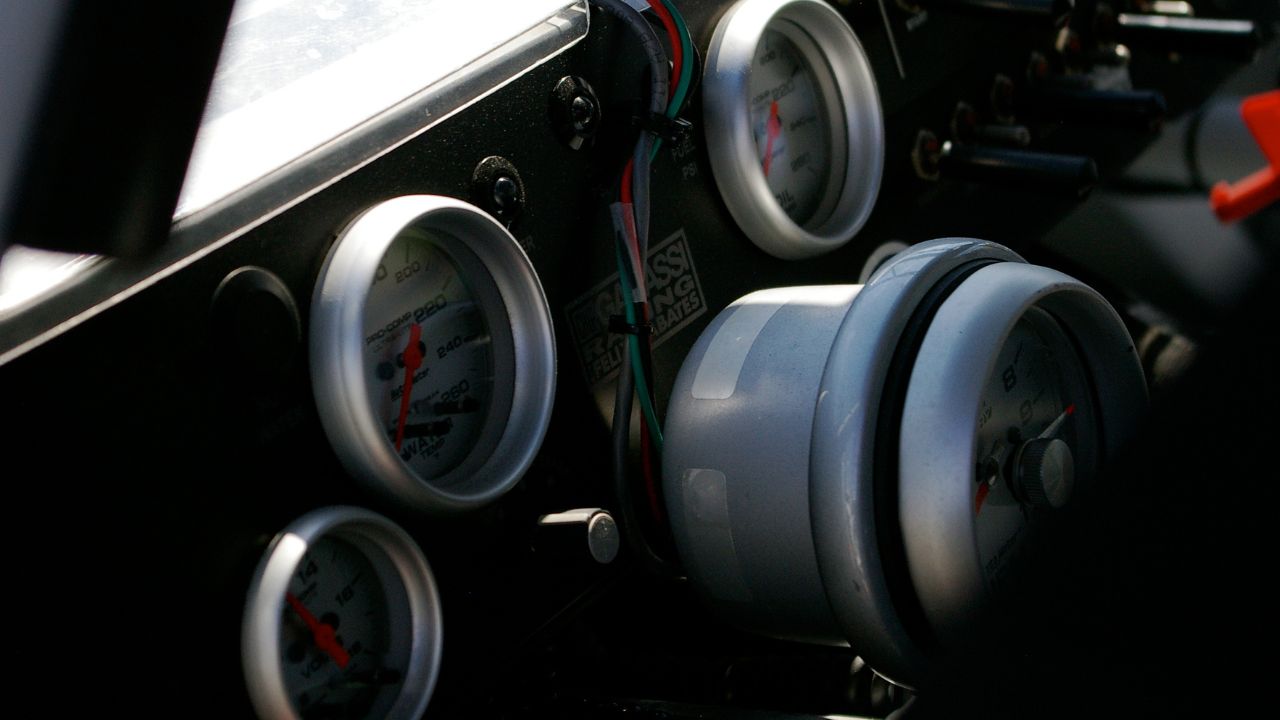
The development of safety protocols in motorsport has been a continuous journey, with kill switches playing a pivotal role. Historically, the focus on driver safety has driven innovations in vehicle design and safety equipment. As the sport has evolved, so too have the mechanisms aimed at protecting participants, including the integration of kill switches into race cars.
Technological advancements have greatly influenced the design of kill switches. Modern kill switches are more reliable and efficient, thanks to innovations in materials and electrical systems. These advancements ensure that kill switches can perform under the extreme conditions of racing, providing a dependable safety net for drivers and teams.
Looking ahead, the future of race car safety mechanisms holds exciting possibilities. As technology continues to advance, we can expect further innovations in the design and functionality of kill switches. These developments will likely enhance their effectiveness and integration into broader safety systems, ensuring that motorsport remains as safe as possible for all involved.
Practical Implications for Drivers and Teams
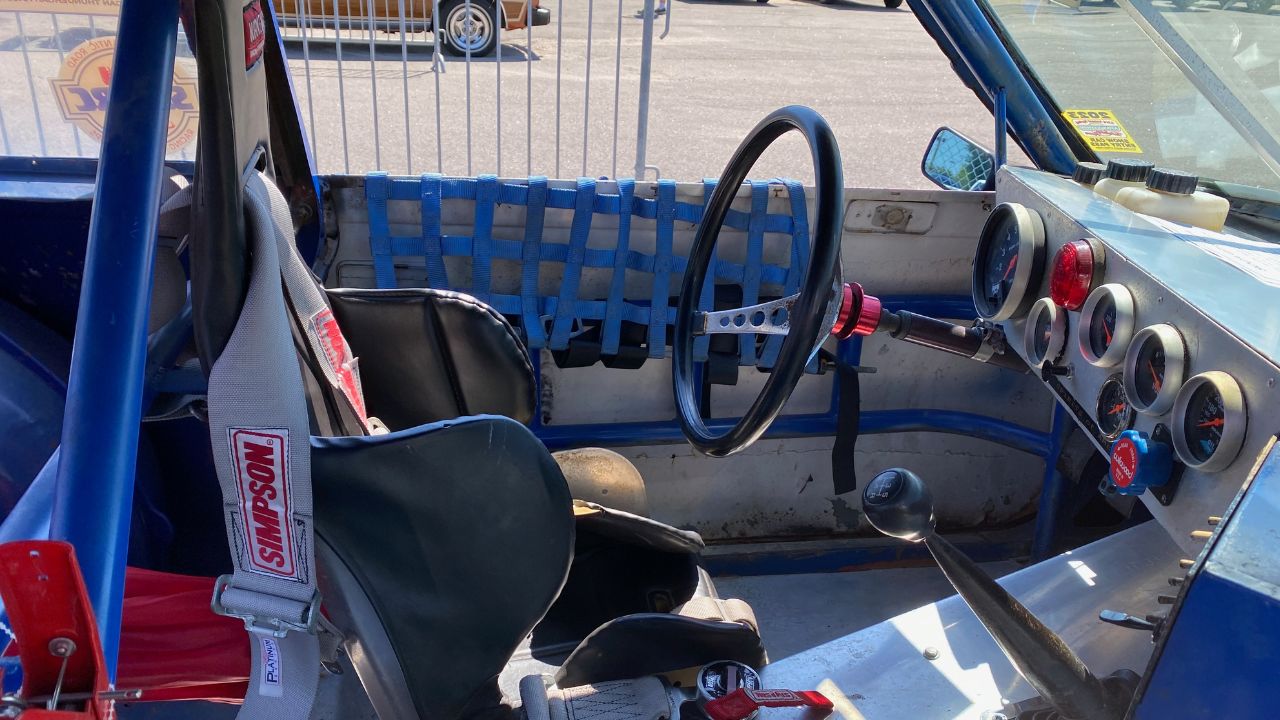
For drivers and teams, understanding the use and importance of kill switches is paramount. Training programs often include modules on kill switch operation, ensuring that drivers know how to engage these devices quickly and correctly. This knowledge is vital, as it can make the difference between a controlled emergency response and a dangerous situation.
Teams also incorporate kill switch protocols into their race day strategies and driver briefings. By discussing potential scenarios and rehearsing responses, teams ensure that all members are prepared to act swiftly if the need arises. This proactive approach is essential in maintaining safety standards and minimizing risks during races.
Regular maintenance of kill switch systems is another practical consideration for teams. Ensuring that these devices function correctly requires routine checks and upkeep, which are integral to any comprehensive race preparation strategy. By prioritizing the maintenance of kill switches, teams can safeguard against unexpected failures, providing an additional layer of security for drivers and track personnel alike.
Like Fast Lane Only’s content? Be sure to follow us.
Here’s more from us:
*Created with AI assistance and editor review.