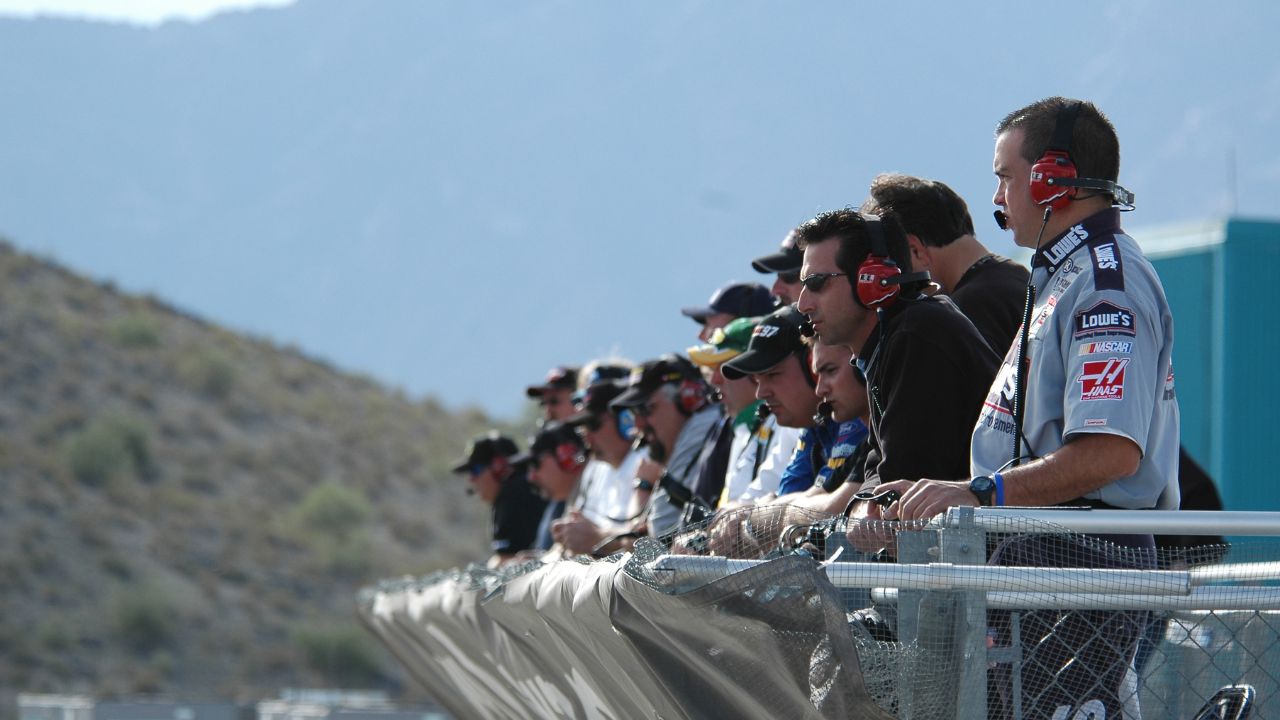
NASCAR racing is a high-speed, high-stakes sport where every second counts, and the margin for error is razor-thin. Spotters are crucial members of the racing team, providing drivers with critical information to help them navigate the track safely and avoid potentially disastrous crashes. The essential role of spotters in NASCAR, their duties, and how they contribute to the safety and success of drivers on race day can often be underestimated, yet their impact is undeniable.
The Role of Spotters in NASCAR

Spotters serve as a vital communication hub for NASCAR drivers, acting as their eyes and ears on the track. Positioned high above the grandstands, spotters have a bird’s-eye view of the entire racing circuit, allowing them to relay real-time updates on track conditions and the positions of competitors. This constant stream of information enables drivers to make split-second decisions, which is crucial in a sport where success is determined by fractions of a second.
Beyond their immediate communication duties, spotters also play an integral role in strategic planning. They work closely with the driver and crew chief to devise and adjust race strategies, considering factors such as tire wear, fuel levels, and the behavior of competitors. In high-pressure moments, spotters help drivers make informed decisions, such as when to pit or how aggressively to defend their position. This strategic input can often make the difference between a podium finish and a mid-pack result.
Spotters and Crash Prevention
Spotters are an early warning system for drivers, trained to identify potential hazards on the track quickly. Whether it’s a crash up ahead, debris on the circuit, or a sudden change in weather conditions, spotters provide drivers with the critical time needed to react and avoid accidents. This proactive approach significantly reduces the likelihood of crashes, protecting not only the driver but also the other competitors on the track.
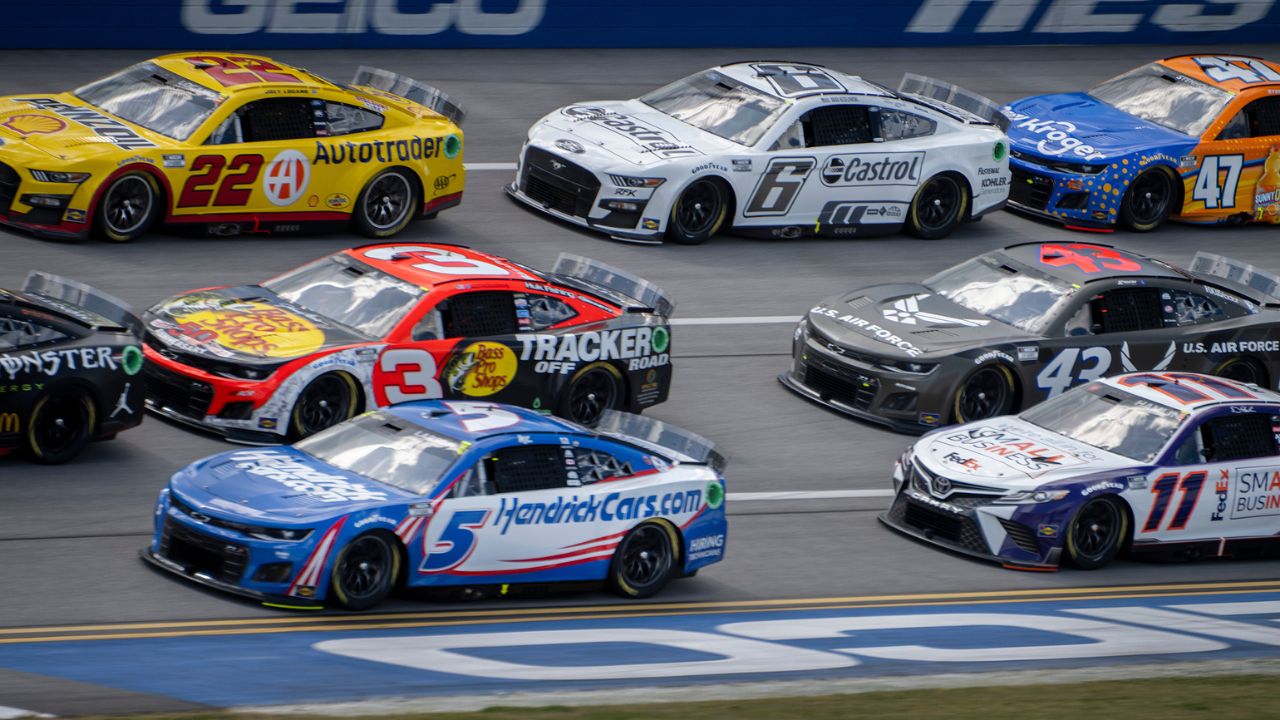
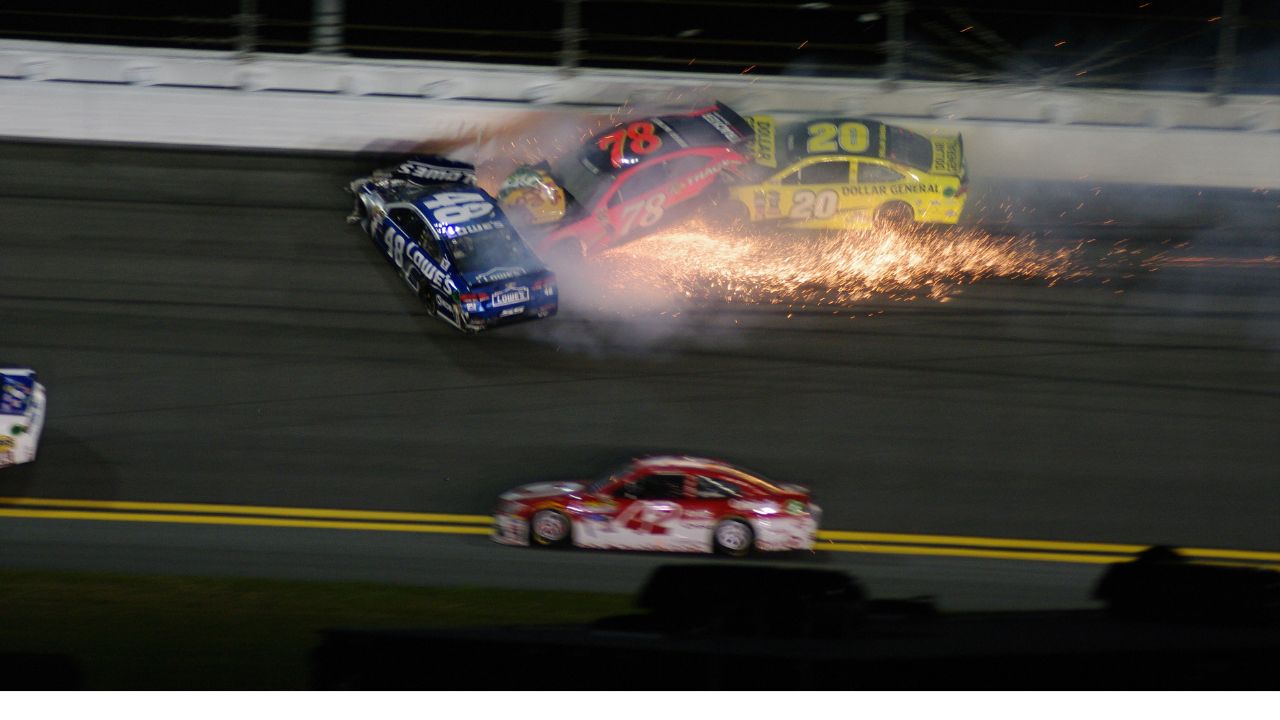
Navigating through dense packs of cars is another area where spotters are invaluable. During races, drivers often find themselves surrounded by other vehicles, making it challenging to maintain awareness of their surroundings. Spotters assist drivers by providing clear and concise guidance, helping them maneuver through traffic safely. This guidance is crucial in situations like restarts, where cars are bunched closely together, and the risk of collision is heightened. A prime example of the importance of spotters can be seen in the 2022 NASCAR race at Talladega, where spotters played a key role in avoiding a multi-car pileup by alerting drivers to changing conditions.
Technological Tools and Spotter Efficiency
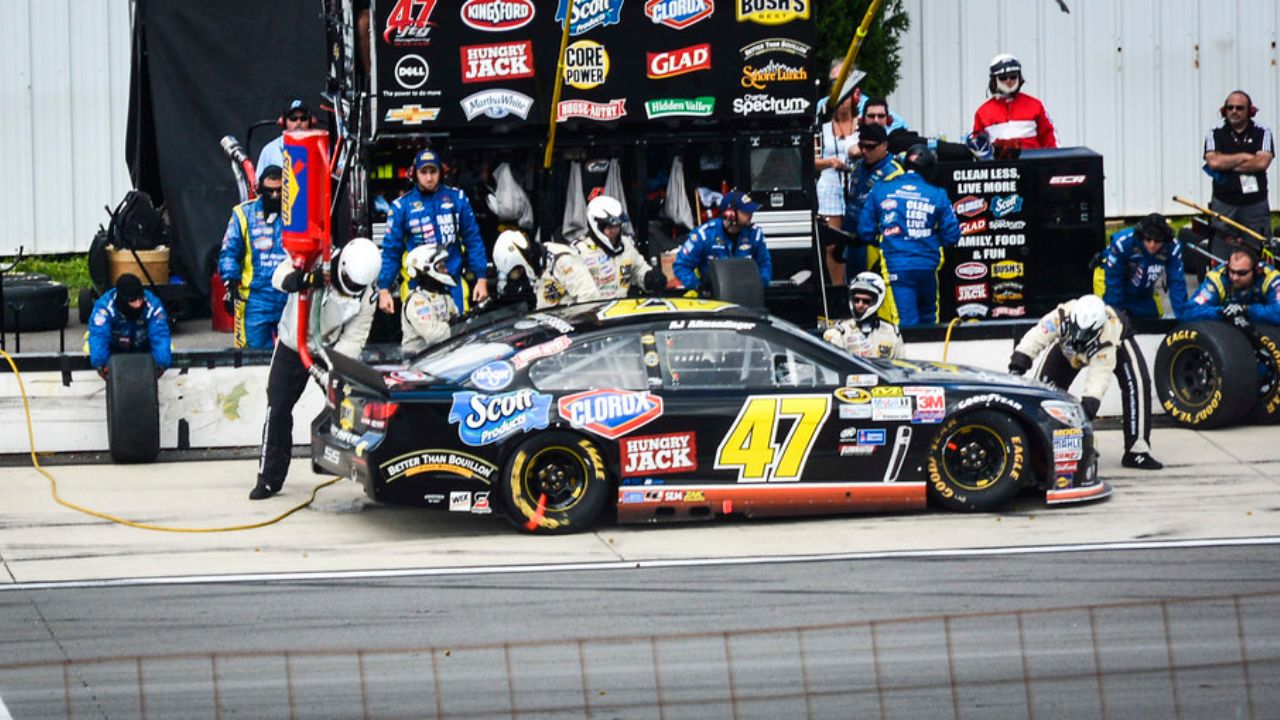
Technological advancements have significantly enhanced the efficiency and effectiveness of spotters in NASCAR. The use of advanced communication equipment, such as radios and headsets, ensures that the line of communication between spotters and drivers remains clear and uninterrupted. This reliable communication is essential during high-pressure moments when even a brief lapse could lead to a costly mistake. Spotters also use GPS technology to provide drivers with precise information about their position relative to other competitors.
Moreover, the integration of real-time data and analytics into their role has allowed spotters to enhance their decision-making processes. Access to telemetry data, such as speed, braking, and throttle application, provides spotters with a deeper understanding of the driver’s performance and the car’s behavior on the track. This data-driven approach enables spotters to offer more precise and informed guidance, ultimately improving the driver’s performance.
The Relationship Between Drivers and Spotters

The relationship between drivers and spotters is built on trust and mutual understanding. Given the critical nature of the information provided by spotters, drivers must have complete confidence in their spotter’s ability to deliver accurate and timely updates. This trust is developed over time through consistent communication and collaboration. Drivers often speak of the intuitive connection they share with their spotters, likening it to a co-pilot relationship in aviation.
Continuous improvement is a key aspect of this relationship. After each race, drivers and spotters review race footage together to identify areas for improvement and refine their communication strategies. This post-race analysis helps both parties understand what worked well and what could be improved, fostering a culture of constant learning and adaptation. As a result, drivers and spotters become more attuned to each other’s styles and preferences, enhancing their ability to work together seamlessly during races.
Challenges Faced by Spotters
The role of a spotter is not without its challenges. Maintaining focus throughout the duration of a race, which can span several hours, requires mental stamina and an unwavering concentration. Spotters must remain alert to any changes on the track and be prepared to relay critical information at a moment’s notice. This level of focus is essential to ensure that drivers receive timely and accurate updates, enabling them to make informed decisions under pressure.
Adapting to changing conditions is another challenge spotters face. Track conditions can evolve rapidly due to weather changes, accidents, or other unforeseen events. Spotters must be able to quickly assess these changes and adjust their guidance accordingly. The ability to adapt in real-time is a testament to the spotter’s expertise and experience, as they must anticipate how these changes will affect the driver’s strategy and communicate that effectively. A notable instance of this adaptability can be seen in the 2023 race at Bristol Motor Speedway, where spotters had to navigate challenges posed by sudden rain showers and a multi-car crash. Cody Ware’s violent wreck in a race also highlighted the importance of quick spotter communication, as NASCAR held the caution flag for over 30 seconds to ensure driver safety.
Like Fast Lane Only’s content? Be sure to follow us.
Here’s more from us:
*Created with AI assistance and editor review.