American automakers in the 1950s treated the showroom like a laboratory, using chrome, fins, and ever-larger engines to test how far buyers would follow them into the future. The most ambitious American cars of that decade were not just stylish, they pushed engineering, performance, and luxury into territory that still shapes how I think about modern vehicles. They were experiments in power, design, and status, and their influence still echoes through today’s muscle cars, sports cars, and high-end cruisers.
Power wars and the birth of the American super-coupe
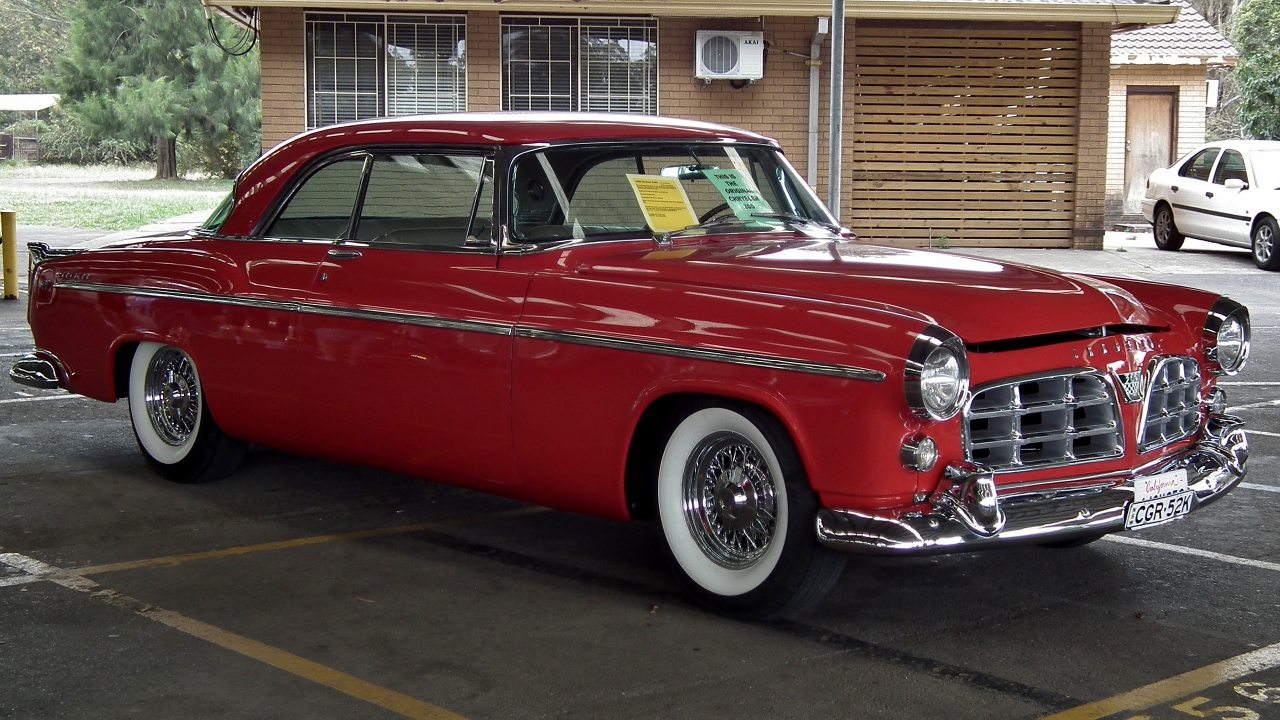
Nothing captures 1950s ambition better than the race to build the most powerful road car on the planet, a contest that helped define America’s first true muscle machines. At the center of that story sits the Chrysler 300 “Letter Series,” widely regarded as the world’s most powerful production car of its era and often described as America’s first muscle car, thanks to its legendary Hemi engine and brutally effective high-speed performance. The 300 combined a big-displacement V8 with a relatively clean, understated body, creating what enthusiasts later called a gentleman’s hot rod, a car that could dominate the highway without looking like a stripped-out racer.
Under the hood, Chrysler’s engineers were chasing more than bragging rights, they were experimenting with combustion efficiency and durability in ways that would shape American performance for decades. The company’s Hemi V8, introduced in the mid 1950s, used a hemispherical combustion chamber that reduced heat loss and made better use of the air-fuel mixture, a design that kept the Hemi name alive long after the original cars left showrooms. Reporting on the biggest displacement V8s of the decade notes how this architecture allowed Chrysler to build some of the largest and most potent engines in an American car in the 1950s, turning the 300 into a rolling test bed for high-output engineering that still defines how I think about Detroit’s power obsession.
Tailfins, spectacle, and the space-age luxury arms race
If the Chrysler 300 showed how far power could go, the tailfin era revealed how wild styling could become when designers were given a free hand. By the late 1950s, the most extreme tailfins appeared on cars like the 1959 Cadillac Eldorado and the 1959 Imperial Crown, which wore towering rear fins and twin bullet-shaped taillights that looked more like jet exhausts than simple lamps. These cars turned the highway into a moving airshow, translating Cold War fascination with rockets and aircraft into sheet metal, and they signaled that American luxury was no longer about subtlety but about being instantly recognizable from a block away.
That visual excess was not just decoration, it was a statement of technological optimism and industrial confidence. Cadillac and Imperial used those dramatic fins and elaborate lighting to frame cabins packed with power features and plush materials, turning their flagships into rolling showcases for what American factories could build at scale. Contemporary analysis of tailfin design underscores how the Eldorado and Imperial Crown represented the peak of this styling experiment, and I see them as proof that 1950s ambition was as much about emotional impact as it was about measurable performance, inviting buyers to participate in a space-age fantasy every time they walked up to the car.
Fiberglass dreams and the rise of the American sports car
Ambition in the 1950s was not limited to big coupes and luxury barges, it also produced a new kind of American sports car that borrowed ideas from Europe while trying to outdo them. The clearest example is the Chevrolet Corvette, which was introduced as a show car at the GM Motorama and quickly evolved into a production model with a fiberglass body and sleek proportions. That lightweight construction was radical for a mainstream American brand, and the design was influenced by European sports cars, yet the Corvette aimed to deliver that style and agility with domestic V8 power and a price that put it within reach of more buyers.
By choosing fiberglass, engineers were experimenting with materials that promised corrosion resistance and complex shapes that stamped steel could not easily match, a bold move for a company used to building trucks and sedans in huge volumes. Coverage of the coolest cars released in the 1950s highlights how Motorama the Corvette bridged the gap between European roadsters and American expectations, turning a show-stand concept into a production halo car that would eventually become a performance benchmark. I see that decision as one of the decade’s most important gambles, because it proved that a domestic brand could build a sports car that felt aspirational without abandoning the V8 soundtrack and straight-line speed American buyers loved.
Quiet confidence: Lincoln and the sound of American luxury
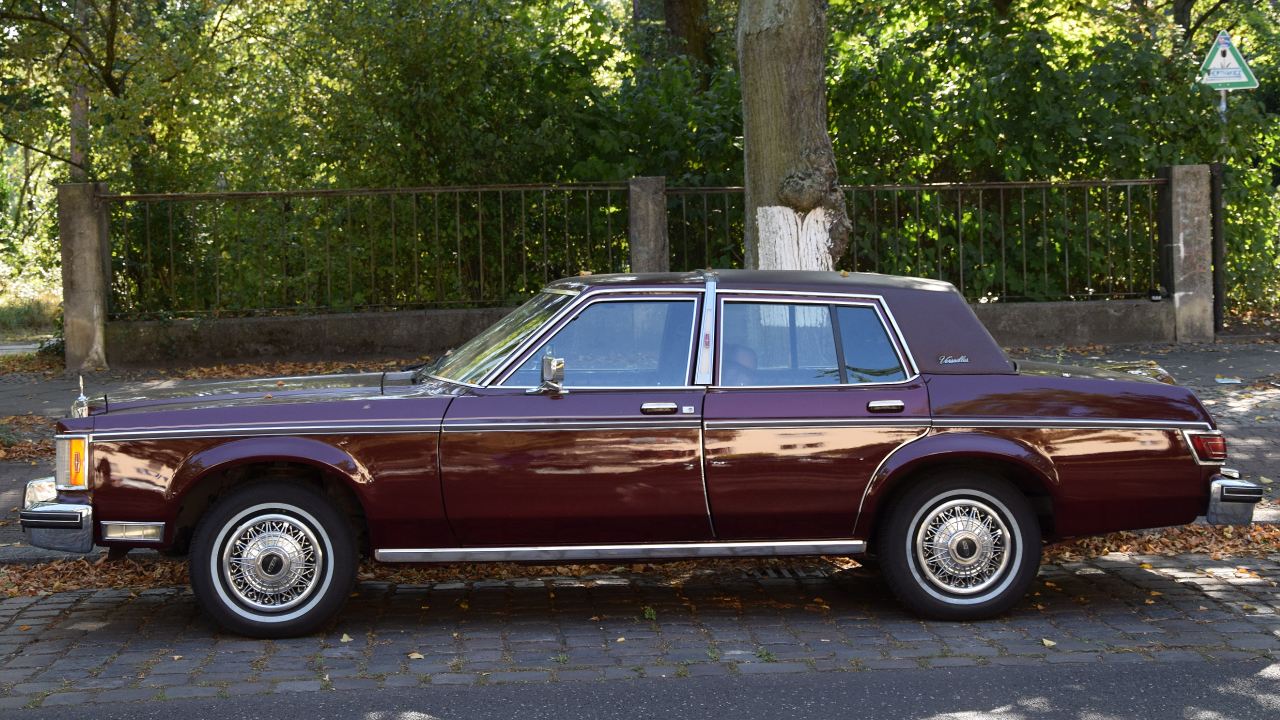
While some brands chased fins and fiberglass, Lincoln spent the 1950s refining a different kind of ambition, one rooted in comfort, isolation, and a sense of effortlessness. The company’s big sedans and coupes from that era have been described as The Kind of Luxury You Could Hear Before You Saw It, a nod to the deep, muted rumble of their engines and the way they glided over rough pavement. The 1950s Lincoln models epitomized a version of American luxury that made power feel peaceful rather than aggressive, wrapping passengers in thick upholstery, generous proportions, and a ride tuned to erase the outside world.
That approach turned Lincoln into a quiet counterpoint to the flashier tailfin cars, yet it was no less ambitious, because it required serious engineering to keep noise, vibration, and harshness out of the cabin while still delivering strong performance. Modern retrospectives on 1950s Lincoln cars emphasize how these models remain desirable in today’s classic car market precisely because they captured that balance of presence and refinement, proving that ambition in this decade did not always mean louder or more extreme styling. When I look at those Lincolns, I see a brand betting that true luxury buyers would value serenity as much as spectacle, a gamble that still resonates in how premium sedans are tuned today.
Rarity, price, and the edge of the American market
Some of the boldest 1950s projects never became common sights on American roads, which is part of what makes them so compelling now. Video retrospectives that spotlight 35 RAREST American Old Classic Cars of the 1950s and 12 ultra rare American models from that decade underline how many experimental designs were built in tiny numbers, either because they were too expensive, too quirky, or simply ahead of their time. These lists include limited-production sports cars and unusual body styles that tried to carve out new niches, only to disappear after a short run, leaving behind a handful of survivors that collectors now chase precisely because they represent forgotten brilliance.
Price was often the limiting factor, and coverage of 5 of the Most Expensive American Cars of the 1950s shows how a small group of ultra-costly models tested just how much America’s wealthiest buyers were willing to spend. These cars pushed the envelope with lavish interiors, advanced features, and hand-finished details, but their high cost kept production low and ensured that only a few examples would ever be built. When I connect those Most Expensive American Cars of the decade with the broader field of rare American classics, I see a market feeling out its upper limits, using limited runs and sky-high sticker prices to probe where exclusivity ended and impracticality began.
Trucks, workhorses, and the everyday side of ambition
Ambition in 1950s America was not confined to glamorous coupes and luxury sedans, it also reshaped the vehicles that kept the country moving. The Ford F100, introduced early in the decade, helped redefine the pickup from a purely utilitarian tool into a more comfortable, stylish machine that small business owners and families could live with every day. Analysis of the best road cars of the 1950s points out how the Ford truck line combined durability with improved ride quality and more carlike cabins, signaling that even work vehicles were being pulled into the era’s push for better design and usability.
That shift matters because it shows how deeply the decade’s experimental spirit penetrated the market, influencing not just halo cars but the bread-and-butter models that filled American streets. As V8 technology matured and styling cues filtered down from high-end models, trucks and mainstream sedans began to share engines, trim ideas, and comfort features with their more glamorous cousins. When I look across the spectrum, from Hemi-powered coupes to Lincoln cruisers and Ford workhorses, I see a 1950s industry that treated every segment as a canvas for new ideas, using power, style, and comfort to test what America wanted from its cars.
More from Fast Lane Only: